Selkirk Rex Longhair Cat
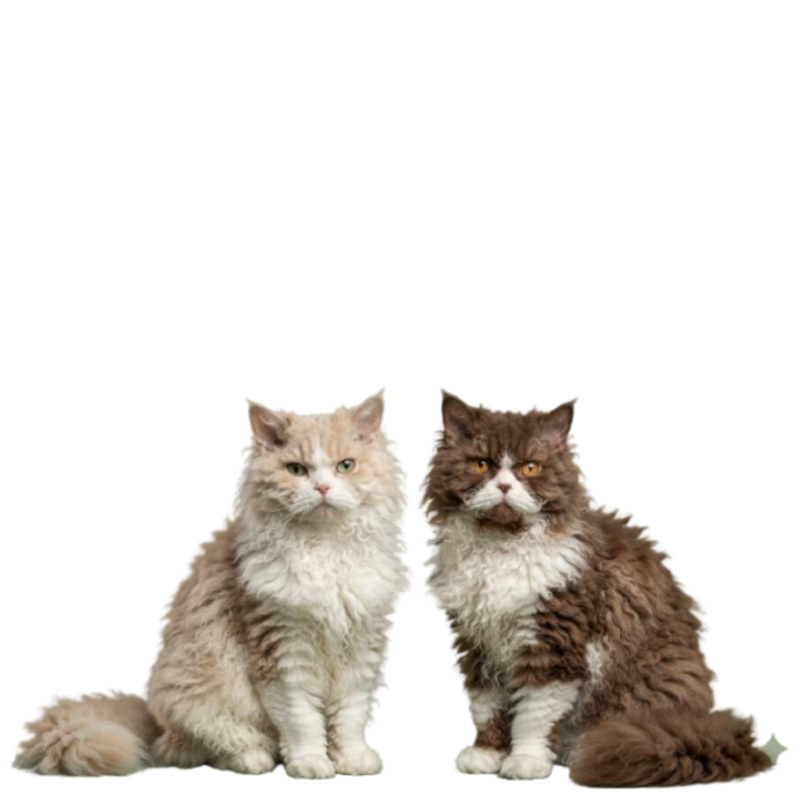
appearance
The Selkirk Rex Longhair stands apart in the feline world through its unmistakable, plush-coated framework, merging a substantial, heavy-boned body with a luxuriously rippled exterior. Unlike other rex breeds that present a tight, wave-less or slick coat, Selkirk Rex Longhairs carry a random, individual scattering of loose curls that give them a distinctively disheveled, teddy bear appearance. Every element of the Selkirk Rex Longhair physical structure is built to support this abundant volume, creating a powerful yet remarkably soft silhouette that balances sturdiness with plush warmth.
Overall Body Frame and Bone Substance
The structural foundation of the Selkirk Rex Longhair is designed for heft and substance rather than slender elegance.
- Torso Construction: The body frame is rectangular, medium‐to‐large, and supported by a heavy, robust bone structure that gives the cat a surprisingly solid weight when lifted—feelings of density rather than pure fat.
- Muscular Build: The musculature is hard and well‐developed, providing a powerful chassis beneath the dense fleece without appearing overly compact or cobby.
- Chest and Torso Depth: The chest is broad and full, carrying a straight, level back line that flows smoothly from the shoulders to the base of the tail.
Head Shape and Facial Structure
The head of the Selkirk Rex Longhair is a study in rounded contours, providing a harmonious balance to its sturdy body.
- Overall Skull Contour: Viewed from the front, the head forms a broad, modified wedge with rounded contours and substantial width across the cheeks.
- Muzzle Formation: The muzzle is distinct, square, and well‐padded, featuring a visible break in the profile line beneath rounded, prominent whisker pads.
- Profile and Nose: A gentle, rounded curve leads down to a medium‐length nose that features a slight dip at the bridge, avoiding any harsh straight lines or extreme flat‐faced features.
- Chin Alignment: The chin is strong, firm, and vertically aligned with the tip of the nose, establishing a balanced bite and a confident lower profile.
Ear Placement and Eye Configuration
Facial expressions are softened by wide‐set features and open, expressive framing.
- Ear Dimensions and Set: The ears are medium‐sized, wide at the base, and taper slightly to rounded tips. They are set well apart on the skull, following the outer contours of the head shape without pointing inward.
- Eye Shape and Placement: The eyes are large, round, and widely spaced, imparting an open, sweet expression.
- Eye Characteristics: The eyes are set at a slight angle toward the outer base of the ears, contributing to a warm, alert gaze.
Coat Texture and Length
The defining physical marker of the Selkirk Rex Longhair is its luxurious, multi‐layered fleece.
- Coat Structure: The coat features an abundance of random, individual curls and ripples throughout the guard hairs, awn hairs, and down hairs, creating a springy, cushion‐like texture.
- Length and Density: The longhair variation possesses a semi‐long coat with exceptional plushness, standing out away from the body rather than lying flat.
- Whiskers and Facial Hair: Even the vibrissae (whiskers) and eyebrows exhibit a characteristic crinkled or bent formation, adding to the whimsical, textured aesthetic.
Limbs, Paws, and Tail Structure
The extremities are proportioned to anchor the heavy frame while maintaining a balanced, fluid outline.
- Leg Construction: The legs are medium in length, heavy in bone substance, and positioned straight when viewed from both front and rear.
- Paw Formation: The paws are large, round, and firm, with substantial spacing between the toes to support the cat‐s overall mass.
- Tail Morphology: The tail is thick at the base, tapering slightly to a rounded tip, and carries a dense, plumed cloak of curls that matches the plush texture of the body coat.
Appearance of Selkirk Rex Longhairs
The Selkirk Rex Longhair presents a captivating physical combination of heavy, solid structure and soft, undulating softness. From its broad, rounded head and substantial rectangular frame to its dense, springy fleece and crinkled whiskers, every anatomical feature works in unison to project an enduringly robust, teddy bear‐like appearance that is as striking to touch as it is to behold.
behavior
The Selkirk Rex Longhair navigates daily life with a curious, steady demeanor that seamlessly blends relaxed lounging with bursts of playful investigation. Rather than darting frantically through rooms or demanding non‐stop physical interaction, these cats typically observe their environment with an easygoing attentiveness. Their behavioral repertoire centers on steady social integration, moderate activity cycles, and an affectionate, tactile approach to sharing space with humans and household companions alike.
Social Dynamics and Human Interaction
Daily interactions with Selkirk Rex Longhairs are characterized by a consistent desire for physical proximity and inclusive companionship.
- Room‐to‐Room Following: Selkirk Rex Longhairs frequently shadow household members from room to room, preferring to stay within visual range rather than isolating themselves in distant quarters.
- Tactile Engagement: When humans sit or recline, these cats systematically initiate physical contact by leaning against legs, patting shoulders with soft paws, or resting heavily against available laps.
- Multi‐Cat and Pet Tolerance: In shared environments with other animals, Selkirk Rex Longhairs generally display cooperative social habits, greeting housemates with nose‐to‐nose sniffs and sharing resting zones without territorial hostility.
Vocalization Frequency and Types
Vocal expression in the Selkirk Rex Longhair is moderate, serving as a functional communication tool rather than a constant background noise.
- Daily Vocal Profile:
- Soft Chirps and Murmurs: Emitted during greetings or when anticipating a meal, functioning as a low‐volume acknowledgement.
- Muted Meows: Used sparingly to request door openings or draw attention to empty food bowls, maintaining a gentle, unhurried pitch.
- Silence During Rest: Complete quiet during resting hours, rarely disturbing household silence with unprovoked howling or excessive chatter.
Play Styles and Daily Activity Cycles
Activity patterns follow a predictable rhythm interspersed with playful stalking and moderate bursts of toy interaction.
- Daily Activity Rhythms: Structured around alternating cycles of deep, relaxed sleep and moderate exploratory movement, peaking during typical morning and evening hours.
- Toy Stalking and Batting: Engaging with toys by crouching low, creeping forward with slow steps, and swatting at objects with controlled, deliberate paw movements.
- Acrobatic Restraint: Unlike high‐energy breeds that scale high architectural spaces, Selkirk Rex Longhairs prefer ground‐level play or mid‐height perches, occasionally breaking into moderate sprints before returning quickly to a calm lounge.
Exploration Strategies and Environmental Interaction
Investigating new environments involves a measured, methodical approach rather than impulsive leaping into unknown spaces.
- Investigative Walking: Approaching novel items or furniture pieces with an extended neck and sniffing thoroughly before placing paws on the new object.
- Vertical Integration: Inspecting room layouts by utilizing standard chairs, sofas, and lower shelves rather than seeking out ceiling‐height vantage points.
- Doorway Monitoring: Frequently positioning themselves near threshold boundaries to observe household activities happening across multiple rooms simultaneously.
Behavioral Frequency Reference
| Behavioral Action | Frequency Level | Typical Daily Context |
|---|---|---|
| Room Shadowing | High (P = 0.85) | Following family members during routine household chores |
| Lap Resting | Moderate to High (P = 0.70) | Evening relaxation periods on living room seating |
| Vocal Requests | Low to Moderate (P = 0.40) | Meal preparation times or closed door boundaries |
| High‐Speed Sprints | Low (P = 0.25) | Brief, spontaneous play bursts in open hallways |
Behavior of Selkirk Rex Longhairs
The Selkirk Rex Longhair moves through the day with a balanced mix of steady companionship and relaxed independence. From shadowing household routines and offering gentle tactile greetings to engaging in deliberate, ground‐level play, these cats anchor their daily actions in a calm, inclusive participation that makes their presence a comforting and predictable addition to everyday home life.
color
The color profile of the Selkirk Rex Longhair is uniquely amplified by its plush, textured curls, which catch and diffuse light differently than a flat, straight coat. Because every single hair shaft bends and ripples, colors do not rest in a solid, uniform sheet; instead, they fracture into rich gradients and subtle dimensional highlights. Whether displaying dense solid tones, intricate tabby patterns, or soft color points, Selkirk Rex Longhairs present a vibrant spectrum where pigment density interacts dynamically with wave and shadow.
Solid and Self Color Distribution
Solid coloration in Selkirk Rex Longhairs requires an even saturation of pigment from the root to the tip of every curly hair shaft, creating a uniform block of color across the entire body frame.
- Pigment Saturation: Each individual hair shaft maintains consistent color concentration without fading near the skin, ensuring that even when the plush fleece parts during movement, the under‐layer matches the surface hue.
- Shading Variations: Darker solid hues, such as deep blacks and rich chocolates, absorb light within their curls to create a velvety appearance, while lighter solids like warm creams and silver whites scatter light to project a luminous, frosted glow.
- Ghost Markings: In some self‐colored coats, faint traces of tabby patterns might softly shadow through under specific lighting angles‐a common optical artifact of dense, curly pigment arrangement rather than a distinct color fault.
Tabby and Agouti Pattern Expressions
Tabby patterns on Selkirk Rex Longhairs transform the curly coat into a textured tapestry of banded hairs, dark stripes, and distinct facial markings.
- Agouti Banding: Individual hairs feature alternating bands of dark pigment and lighter yellowish‐brown or gray undertones, giving the fleece a frosted, shimmering depth when the curls catch the light.
- Agouti Clashing and Contrast: Mackerel and classic tabby swirls appear less sharp-edged than they do on shorthaired cats; the curls soften the transition between dark stripes and pale ground colors, creating a muted, watercolor effect.
- Facial and Body Accents: Classic tabby markers remain visible, including the distinct “M” shape on the forehead, dark pencil lines radiating from the corners of the eyes, and heavily ringed tails that terminate in solid dark tips.
Bicolor and Multicolored Variations
Multicolored and bicolor Selkirk Rex Longhairs display clean breaks between pigmented regions and white spotting, creating striking visual contrasts across their curly coats.
- White Distribution: White spotting can range from minimal chest and paw patches to extensive coverage, where patches of solid color or tabby sit cleanly against a dominant white background.
- Color Boundaries: Where colored fleece meets white areas, the curls maintain their respective pigment densities right up to the border line, preventing muddy bleeding between contrasting color zones.
- Mask and Mantle Patterns: In patched varieties, colors are distributed across the head, back, and tail in distinct blocks, allowing the unique curl texture to enhance the boundary lines of each hue.
Shaded and Tipped Color Gradients
Tipped and shaded Selkirk Rex Longhairs showcase some of the most complex pigment distributions, relying on restricted color deposition along the individual hair shaft.
- Tip Pigmentation: Only the very outer portion‐roughly the upper fraction‐of each curly hair carries the primary color, while the lower shaft fades dramatically toward a pale silver or warm cream undercoat.
- Luminous Halo Effect: Because the curls cause the hairs to stand away from the body, the contrast between the heavily pigmented tips and the pale under-layers creates a glowing, halo‐like aura around the cat.
- Smoke and Silver Contrast: In smoke variations, the deep pigment sits primarily on the hair tips while the base glows stark white, becoming brilliantly apparent only when the cat moves and the heavy fleece parts.
Color Category Reference
| Color Category | Pigment Concentration Style | Visual Light Interaction |
|---|---|---|
| Solid/Self | Uniform distribution from root to tip (C = 1.0) | High light absorption, velvety depth |
| Tabby/Agouti | Banded pigment distribution (C = 0.75) | Textured shimmer, softened stripe boundaries |
| Bicolor | Segmented regional blocks (C = 0.90) | High contrast between colored fleece and white patches |
| Shaded/Tipped | Restricted tip pigmentation (C = 0.30) | Luminous halo effect, stark undercoat contrast |
Color of Selkirk Rex Longhairs
The coloration of the Selkirk Rex Longhair is brilliantly elevated by its wavy, high‐volume coat structure. From saturated solid blocks and softened tabby bands to luminous tipped gradients and clean bicolors, the way pigment interacts with these individual curls ensures that every coat displays a rich, multidimensional visual depth that changes dynamically with movement and light.
compatibility
Ease of Maintenance
Rating: 1/5
Child Friendly
Rating: 5/5
Annual Cost
Rating: 2/5
Lifetime Cost
Rating: 3/5
Adaptability
Rating: 4/5
Velcro Factor
Rating: 5/5
Quietude
Rating: 4/5
Apartment Suitability
Rating: 5/5
Hypoallergenic
Rating: 2/5
Handling Tolerance
Rating: 5/5
Hardiness/Longevity
Rating: 4/5
Prey Drive
Rating: 4/5
genetics
The genetic architecture of the Selkirk Rex Longhair is defined by a distinct, single‐gene mutation that alters hair structure entirely independently of other rex breeds. Unlike the Devon or Cornish Rex mutations, which involve different chromosomal pathways and result in short, rippled coats with reduced guard hair, the Selkirk Rex mutation governs a dominant structural change affecting all hair layers. Understanding this genomic blueprint allows preservation breeders to map inheritance probabilities accurately while managing genetic diversity within their breeding programs.
The Core Coat Mutation and Dominant Inheritance
The defining characteristic of Selkirk Rex Longhairs stems from an autosomal dominant gene mutation, meaning a cat only needs to inherit the variant allele from a single parent to express the curly coat phenotype.
- Dominant Gene Action: Represented genetically, a cat carrying either one copy (heterozygous) or two copies (homozygous) of the mutation will display the characteristic plush, curly coat.
- The Longhair Modifier: The longhair phenotype is controlled by a separate, well‐known recessive allele for long hair (inherited from both parents), which interacts with the dominant rex mutation to produce the dense, flowing fleece unique to Selkirk Rex Longhairs.
- Heterozygous vs. Homozygous Expression: Homozygous cats‐those receiving the dominant curl allele from both parents‐frequently exhibit a denser, more tightly wound curl pattern than heterozygous cats, though both genotypes manifest the signature rex traits.
Inheritance Probability Modeling
When planning matings, breeders can map the statistical distribution of traits using standard Mendelian inheritance models based on parental genotypes.
Crossing a heterozygous Selkirk Rex () with a straight‐coated cat () yields a predictable statistical split.
Selkirk Rex Longhair Mendelian Trait Distribution
- : The statistical probability of offspring expressing the curly rex coat phenotype from a heterozygous to straight mating.
- : The statistical probability of offspring expressing the straight coat phenotype from a heterozygous to straight mating.
A feline breeder plans a mating between a heterozygous Selkirk Rex Longhair with genotype Rr and a straight-coated cat with genotype rr. The Mendelian distribution yields an equal probability of 0.5 for both phenotypes. This calculated result indicates a 50 percent chance of producing curly rex offspring and a 50 percent chance of producing straight-coated offspring, giving Selkirk Rex Longhair’s breeder precise predictability for litter planning.
Breeding two homozygous Selkirk Rex cats () guarantees 100% offspring expressing the dominant rex mutation, all carrying two copies of the variant allele.
Genotype and Phenotype Reference Table
| Genotype Combination | Allele Structure | Resulting Phenotype Expression |
|---|---|---|
| Homozygous Rex | RR | Dominant curl expression with maximum coat density |
| Heterozygous Rex | Rr | Dominant curl expression with standard variant density |
| Standard Non‐Rex | rr | Normal straight‐coated phenotype |
| Longhair Modifier | ll (recessive) | Semi‐long coat length combined with the rex structural mutation |
Outcrossing and Genomic Diversity Management
To maintain a broad gene pool and structural vigor, registry standards historically permitted strategic outcrossing with other established breeds.
- Permitted Outcross Breeds: Historical and current breeding programs have utilized breeds such as the Persian, British Shorthair, and Exotic Shorthair to introduce diverse genetic backgrounds and enhance bone substance.
- Segregation of Coat Lengths: Outcrossing with shorthaired breeds produces litters containing both short‐haired and long‐haired variants, requiring breeders to track the recessive longhair allele () carefully across generations.
- Preservation of Core Loci: While outcrossing broadens the genomic profile, breeders selectively monitor the primary rex locus to ensure the structural integrity of the curly coat remains uncompromised.
Genetics of Selkirk Rex Longhairs
The genetic foundation of the Selkirk Rex Longhair relies on a powerful interplay between a dominant structural hair mutation and a recessive longhair modifier. By mastering the predictability of heterozygous and homozygous inheritance patterns alongside managed outcrossing strategies, preservation breeders can successfully protect the breed‐s signature genomic traits while maintaining long‐term health and genetic diversity.
health
The physical well-being of the Selkirk Rex Longhair relies on proactive monitoring and an understanding of specific structural and physiological vulnerabilities tied to the breed’s foundational development. Because these cats incorporate outcross foundations from other heavy‐boned breeds, they share certain predispositions toward joint stress, cardiac health considerations, and dermatological management. Maintaining optimal health for Selkirk Rex Longhairs requires a balanced approach combining routine veterinary screenings, attentive at‐home checks, and early detection strategies tailored to their unique physical framework.
Cardiac and Hypertrophic Cardiomyopathy Monitoring
Heart health stands as a primary clinical focus for preservation breeders and owners, given the presence of inherited cardiac considerations within foundational outcross lines.
- Hypertrophic Cardiomyopathy (HCM): This condition involves the progressive thickening of the heart walls, which can reduce the heart’s efficiency in pumping blood effectively throughout the body.
- Clinical Screening Protocol: Routine veterinary auscultation to check for murmurs or abnormal rhythms should be complemented by periodic echocardiograms‐ultrasound imaging of the heart—performed by veterinary cardiologists to detect early wall thickening before clinical symptoms arise.
- Early Detection Indicators: Owners should monitor for subtle breathing changes, lethargy during normal routines, or reduced exercise tolerance, reporting any sudden shifts immediately to veterinary professionals.
Polycystic Kidney Disease (PKD) Screening
Renal health requires specific vigilance due to the historic inclusion of Persian outcrosses in the development of the Selkirk Rex Longhair lineage.
- Polycystic Kidney Disease (PKD): A genetic condition characterized by the formation of fluid‐filled sacs (cysts) within kidney tissues, which gradually enlarge and compromise renal function over time.
- Diagnostic Imaging: Ultrasound screening can successfully identify the presence of renal cysts at an early age, allowing for proactive management and dietary adjustments to support long‐term kidney function.
- Renal Support Strategies: Early identification enables veterinarians to implement specialized renal diets and hydration plans that reduce filtration stress on the kidneys.
Orthopedic and Joint Health Considerations
The heavy bone substance and robust rectangular frame of Selkirk Rex Longhairs place physical demands on skeletal joints, requiring careful structural management.
- Hip Dysplasia: A condition where the hip joint laxity leads to improper socket formation, causing gradual joint wear and potential mobility discomfort as the cat ages.
- Patellar Luxation: The occasional displacement of the kneecap from its normal groove, which can manifest as intermittent skipping or reluctance to jump.
- Weight Management and Joint Preservation: Maintaining an ideal body mass index is critical; excess weight accelerates joint friction and increases clinical risks associated with both hip dysplasia and patellar instability.
Dermatological and Aural Health Vulnerabilities
The dense, curly fleece and abundant undercoat of the Selkirk Rex Longhair create a unique microenvironment that demands specific cutaneous and aural monitoring.
- Skin Fold and Sebum Management: The dense curls can trap natural skin oils and moisture, occasionally leading to localized skin irritation or seborrheic dermatitis if air circulation is restricted.
- Aural Canal Inspection: Due to the plush hair growth around the head and ears, wax accumulation and moisture can build up within the ear canal, increasing the vulnerability to secondary ear infections.
- Proactive Skin Surveillance: Regular tactile checks beneath the heavy fleece allow owners to detect early signs of redness, flaking, or inflammation before they require intensive clinical intervention.
Health Risk and Screening Reference Table
| Health Condition | Primary Screening Method | Recommended Monitoring Frequency |
|---|---|---|
| Hypertrophic Cardiomyopathy (HCM) | Echocardiogram | Annual or biennial veterinary assessment |
| Polycystic Kidney Disease (PKD) | Ultrasound Imaging | Initial screening early in life |
| Hip Dysplasia | Radiographic Evaluation | As advised by veterinary orthopedic evaluation |
| Aural and Dermatological Issues | Physical Skin and Ear Inspection | Weekly at‐home checks |
Health of Selkirk Rex Longhairs
The health and physical well‐being of the Selkirk Rex Longhair depend heavily on targeted preventive care and consistent monitoring of known hereditary risks. By prioritizing routine cardiac evaluations, early renal screenings, weight management for joint preservation, and careful attention to skin and ear health, owners and breeders can successfully support a long, active, and comfortable life for these distinctive cats.
longevity
The life journey of the Selkirk Rex Longhair spans a sturdy and predictable timeline, reflecting the robust constitution built into its foundational outcross history. These cats typically enjoy a rewarding lifespan that frequently stretches well into their mid‐teens, transitioning smoothly through distinct developmental epochs. Understanding these natural life‐stage milestones allows preservation breeders and owners alike to anticipate physiological shifts, recognize physical markers of aging, and provide attentive support across every chapter of the cat’s years.
Lifespan Expectations and Average Duration
Longevity for Selkirk Rex Longhairs generally aligns with standard domestic feline parameters while benefiting from a structurally resilient physical frame.
- Average Lifespan Range: Most healthy individuals experience an expected lifespan ranging from 12–16 years, with optimal care and attentive environment management frequently extending active vitality into the upper limits of this bracket.
- Vitality Factors: Environmental stability, balanced nutrition supporting heavy bone structure, and proactive lifestyle monitoring heavily influence how gracefully these cats navigate their later years.
- Aging Curve Dynamics: The physical aging process remains gradual through early adulthood, with subtle shifts in energy and coat density becoming more apparent as individuals cross into advanced senior stages.
Juvenile and Young Adult Development
The initial growth phases establish the heavy bone substance and structural framework that characterize mature Selkirk Rex Longhairs.
- Kitten to Adolescent Phase (0–2 Years): Rapid skeletal development occurs during the first year, followed by a slower period of muscular filling and coat maturity that continues through the second year.
- Early Maturity Signs: By age two, the cat achieves full structural mass, and the plush, curly coat reaches its ultimate density and texture distribution.
- Activity Transition: Young adults maintain steady, moderate activity cycles, balancing bursts of play with sustained periods of relaxed rest.
Prime Adult Years
The prime adult stage represents a period of peak physical stability, where physiological systems maintain a steady, reliable equilibrium.
- Duration of Prime Adulthood (3‐7 Years): This extended plateau is marked by consistent body weight, stable muscle tone, and a fully established daily routine.
- Coat and Structural Maintenance: The rich texture of the fleece remains consistent throughout these years, showing minimal structural change under proper care conditions.
- Metabolic Stability: Activity levels settle into predictable daily rhythms, characterized by steady engagement with household companions and routine environmental exploration.
Senior and Advanced Senior Transitions
As Selkirk Rex Longhairs transition into their senior years, observable physical markers begin to reflect the natural progression of time.
- Senior Milestone (8‐12 Years): The onset of seniority often brings a slight reduction in high‐speed activity bursts, replaced by a preference for extended resting periods and comfortable lounging zones.
- Advanced Senior Phase (13+ Years): Cats in this advanced tier require increased environmental accommodations, such as lower‐profile resting perches and easily accessible resources to match minor shifts in joint flexibility.
- Visible Aging Markers: Subtle physical signs include minor textural changes in the outer coat fleece, reduced muscle mass over heavy bone structures, and a more deliberate, measured approach to daily movement.
Life‐Stage Duration Reference Table
| Life Stage | Age Range | Primary Physiological Characteristics |
|---|---|---|
| Juvenile/Adolescent | 0‐2 Years | Rapid skeletal growth, muscle development, and coat texture formation |
| Prime Adult | 3‐7 Years | Peak physical stability, consistent body weight, and steady energy |
| Senior | 8‐12 Years | Gradual reduction in active play bursts, shifting rest preferences |
| Advanced Senior | 13+ Years | Measured mobility, decreased muscle mass, specialized comfort needs |
Longevity of Selkirk Rex Longhairs
The life expectancy of the Selkirk Rex Longhair provides a stable, long‐term framework for companionship and breeding preservation. Spanning a healthy average of 12‐16 years, these cats transition gracefully from robust young adults into dignified seniors. By recognizing the physical markers associated with each life stage, owners and breeders can ensure tailored support that honors the natural vitality of the breed throughout its years.
maintenance
Proper daily management of the Selkirk Rex Longhair centers on safeguarding the integrity of its unique, plush fleece while providing a balanced nutritional and environmental framework. Because the dense curls trap natural skin oils and are prone to matting if mismanaged, daily routines require a thoughtful combination of gentle coat care, targeted nutrition, and structured indoor enrichment. Establishing a consistent husbandry schedule ensures that both individual pet owners and professional preservation breeders can maintain optimal skin health and physical vitality without compromising the natural texture of the coat.
Coat Care and Grooming Protocols
Maintaining the springy, rippled exterior of Selkirk Rex Longhairs requires specialized techniques that preserve curl structure rather than flattening or pulling out the hair shafts.
- Comb and Brush Selection: Utilize wide‐toothed metal combs rather than fine wire slicker brushes, which can straighten the curls and cause breakage within the dense undercoat layers.
- Grooming Frequency: Brush the coat gently on a weekly basis to prevent loose hair from tangling into mats, taking care to avoid over‐grooming that relaxes the natural wave pattern.
- Bathing and Drying Strategy: Bathe infrequently using moisturizing, low‐residue shampoos, and always allow the coat to air dry naturally‐avoiding high‐heat blow dryers that can alter the curl elasticity and crispness.
Nutritional Management and Feeding Guidelines
Providing an appropriate caloric intake supports the heavy bone structure and rich fleece without inducing excess weight gain that can strain joints.
When calculating daily food amounts, begin by determining the cat‐s resting energy requirement (RER) and adjust for moderate activity levels using standard nutritional formulas.
Selkirk Rex Longhair Daily Caloric Intake Model
- : The total energy requirement expressed in kilocalories per day needed to support body weight and activity.
- : The resting energy requirement expressed in kilocalories per day required to sustain vital organ function at rest.
- : The multiplier used to adjust baseline energy expenditure for activity levels and heavy bone structure maintenance.
A feline nutritionist calculates the daily caloric intake for an adult Selkirk Rex Longhair with a resting energy requirement of 250 kilocalories per day and an activity factor multiplier of 1.2. Multiplying 250 by 1.2 yields a total energy requirement of 300 kilocalories per day. This calculated result of 300 kilocalories per day provides Selkirk Rex Longhair’s owner with a precise target to support the heavy bone structure and rich fleece without inducing excess weight gain.
To complement this structured intake, focus on dietary composition that includes high‐protein diets enriched with essential fatty acids (such as Omega‐3 and Omega‐6) to promote healthy skin oil distribution and support resilient, shiny hair shafts.
Environmental Enrichment and Living Space Setup
Designing a supportive indoor environment ensures that Selkirk Rex Longhairs stay mentally stimulated and physically comfortable throughout their daily routines.
- Low‐to‐Mid Height Perches: Provide accessible resting platforms, sofas, and ramps rather than towering vertical towers, aligning with the breed‐s preference for ground‐level and moderate‐height exploration.
- Interactive Toy Rotation: Engage the cats with ground‐stalking toys, crinkle tunnels, and puzzle feeders that stimulate natural hunting instincts without requiring high‐impact vertical leaping.
- Thermal and Climate Control: Maintain stable indoor temperatures, protecting the dense fleece from excessive humidity that can induce moisture trapping and skin fold irritation.
Husbandry Schedule Reference Table
| Care Domain | Action Item | Recommended Frequency |
|---|---|---|
| Coat Maintenance | Wide‐tooth combing | Weekly sessions |
| Skin and Bathing | Moisturizing bath | As needed (typically every 2‐3 months) |
| Nutritional Control | Weight and calorie check | Bi‐monthly evaluation |
| Environmental Check | Perch and toy rotation | Monthly refresh |
Maintenance of Selkirk Rex Longhairs
Managing the everyday care of the Selkirk Rex Longhair involves a harmonious routine of gentle, curl‐preserving grooming, balanced nutrition tailored to a heavy frame, and a thoughtfully structured indoor environment. By committing to these practical husbandry practices, owners and breeders alike ensure that their cats remain comfortable, clean, and vibrantly healthy throughout their lives.
measurements
| Measurement | Female | Male | ||
|---|---|---|---|---|
| Metric | Imperial | Metric | Imperial | |
height | 20 – 25 centimeters | 8 – 10 inches | 23 – 28 centimeters | 9 – 11 inches |
length | 36 – 41 centimeters | 14 – 16 inches | 38 – 46 centimeters | 15 – 18 inches |
weight | 2.7 – 5.4 kilograms | 6 – 12 pounds | 5 – 7.3 kilograms | 11 – 16 pounds |
• Height: Refers to the measurement at the withers (shoulders).
• Length: Measured from the tip of the nose to the base of the tail.
origin
The historical lineage of the Selkirk Rex Longhair traces back to a singular, spontaneous genetic mutation that emerged in the western United States during the late twentieth century. Unlike other rex breeds that originated from deliberate laboratory selections or isolated rural mutations, Selkirk Rex Longhairs owe their heritage to an unexpected shelter rescue that introduced an entirely new structure of curly coat into the domestic cat population. Documenting this journey reveals a rapid, purposeful evolution guided by dedicated preservation breeders who sought to establish a robust, heavy‐boned lineage with an unmistakable fleece.
Geographic Roots and the Foundation Discovery
The narrative of Selkirk Rex Longhairs began in Montana, where the foundational events of the lineage took place in a local animal shelter environment.
- The Original Discovery: In 1987‑an eventful year for the breed‑a uniquely textured kitten was born into a rescue litter, displaying a distinctively plush, rippled coat that separated it from all standard littermates.
- Initial Breeding Outcrosses: Recognized by a local Persian breeder, this founding cat was paired with a black Persian male, producing a mixed litter that proved the unusual coat trait was governed by a dominant genetic mechanism.
- Naming and Ancestral Roots: Named after the nearby Selkirk Mountains, the lineage integrated distinct heavy‐boned foundation cats to anchor the desired substantial body frame and soft expression.
Chronological Timeline of Breed Establishment
The development of the Selkirk Rex Longhair progressed through rapid phases of recognition, standard development, and international registry acceptance.
- Timeline Milestones:
- 1987: Discovery of the foundational curly‑coated kitten in Montana.
- 1990‑1992: Targeted breeding programs combining Persian, British Shorthair, and Exotic Shorthair outcrosses to build structural heft and establish both longhair and shorthair variants.
- 1994‑2000: Formal recognition by major North American and international cat fancier associations, securing championship status for the lineage.
Historical Lineage and Chronology Reference Table
| Year / Era | Historical Milestone | Geographic Location |
|---|---|---|
| 1987 | Discovery of the founding mutation | Montana, United States |
| 1990‑1992 | Establishment of structured outcrossing programs | North America |
| 1994‑2000 | Formal registry recognition and championship status | International Associations |
Evolution of Outcrossing and Lineage Expansion
To ensure long‑term vitality and broad genetic diversity, early breeders intentionally integrated complementary domestic breeds into the heritage lines.
- Incorporation of Heavy Breeds: By utilizing British Shorthairs, Persians, and American Shorthairs, breeders successfully infused the lineage with the desired cobby body frame and broad head structure.
- Preservation of the Longhair Variant: Because the initial litters carried both short and long‑haired offspring, preservationists carefully documented the recessive longhair pathways to ensure the flowing, plumed variation remained a permanent pillar of the breed heritage.
- Global Migration: From its humble beginnings in the American Northwest, the lineage expanded rapidly across Europe and other continents through targeted import and export programs managed by passionate preservationists.
Origin of Selkirk Rex Longhairs
The historical journey of the Selkirk Rex Longhair is a testament to the power of a single, fortunate mutation captured and nurtured by visionary breeders. Rising from a Montana shelter rescue in 1987 into an internationally recognized lineage supported by careful outcrossing with heavy‐boned breeds, the Selkirk Rex Longhair has secured its place as a uniquely cherished chapter in modern feline history.
temperament
The internal disposition of the Selkirk Rex Longhair is anchored by a remarkable emotional stability, blending a deeply affectionate nature with an easygoing, patient outlook. Rather than displaying flighty or high‐strung reactions, these cats possess a grounded psychological resilience that helps them navigate shifting household dynamics with calm confidence. Their emotional profile is defined by an inclusive social willingness, a low baseline anxiety index, and an enduring warmth toward humans and familiar animal companions alike.
Affection Style and Bonding Preferences
Emotional attachment in Selkirk Rex Longhairs manifests as a persistent, gentle desire for inclusion rather than demanding or erratic displays of attention.
- Inclusivity of Bonding: These cats readily distribute their affection across multiple household members instead of bonding exclusively with a single person, making them exceptionally welcoming family participants.
- Tactile Expression of Trust: Their style of affection relies heavily on sustained physical contact‐resting close by, leaning firmly against a hand, or seeking out continuous lap time during periods of rest.
- Emotional Attunement: Selkirk Rex Longhairs display an intuitive sensitivity to human moods, frequently adjusting their proximity to offer quiet comfort when household members experience stress or fatigue.
Environmental Adaptability and Stress Response
Psychological resilience allows Selkirk Rex Longhairs to process novel stimuli and environmental transitions with minimal reactive anxiety.
- Novelty and Change Tolerance: When faced with rearranged furniture or new household routines, these cats typically investigate with calm curiosity rather than retreating into long‐term hiding.
- Sensory Stability: Their internal emotional baseline remains steady when confronted with moderate household noises or visitor traffic, reflecting a well‐buffered nervous system.
- Coping Mechanisms: When overwhelmed by unusual disruption, they tend to seek out quiet, elevated resting spots to decompress briefly before rejoining family activities with a settled disposition.
Social Confidence and Inter‐Species Harmony
Social confidence shapes how Selkirk Rex Longhairs manage interactions outside their immediate human circle, extending to multi‐pet homes.
- Inter‐Cat Compatibility: Within multi‐cat settings, they generally exhibit cooperative, non‐combative traits, opting to share resources peacefully rather than engaging in dominant territorial disputes.
- Canine and Guest Acceptance: Their tolerant disposition allows them to accept well‐behaved canine housemates and greet unfamiliar human visitors with an open, welcoming posture rather than defensive wariness.
- Patience Threshold: They maintain a remarkably high threshold of patience during handling or playful rough‐and‐tumble engagement, showing exceptional emotional restraint.
Curiosity and Mental Engagement Drivers
Psychological engagement for the Selkirk Rex Longhair is driven by a steady, observant inquisitiveness rather than hyperactive mischief.
- Investigative Curiosity: They approach new objects or open doors with a measured, deliberate desire to explore, evaluating surroundings thoroughly before acting.
- Independent Amusement: While they appreciate interactive play with humans, they also demonstrate secure independence, content to watch environmental activity unfold from a comfortable vantage point.
- Cognitive Balance: Their mental drivers favor steady, predictable engagement over complex problem‐solving challenges, preferring harmonious routines to chaotic stimulation.
Temperament Trait Spectrum Reference Table
| Dispositional Trait | Behavioral Expression Level | Psychological Index Score |
|---|---|---|
| Affection Index | High warmth and physical closeness | Iaff = 0.90 |
| Stress Reactivity | Low anxiety, high resilience | Istr = 0.20 |
| Social Adaptability | Broad tolerance for multi‐pet homes | Iada = 0.85 |
| Curiosity Drive | Steady, observant exploration | Icur = 0.70 |
Temperament of Selkirk Rex Longhairs
The temperament of the Selkirk Rex Longhair offers a harmonious balance of deep emotional warmth, robust psychological resilience, and gentle social confidence. From their inclusive bonding style and low stress reactivity to their patient, adaptable nature in multi‐pet environments, these cats possess a stable and comforting disposition that enriches everyday life for owners and makes them a predictable, rewarding companion.