Pixiebob Cat
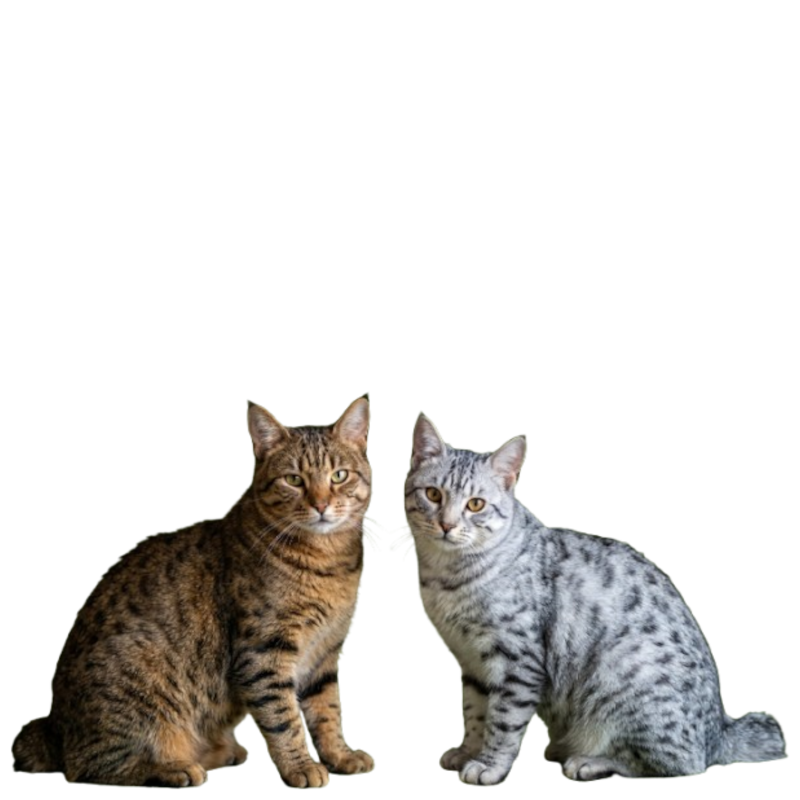
appearance
Recognizing the distinct physical architecture of Pixiebobs requires balancing an appreciation for rugged, substantial mass with an eye for precise skeletal alignment. When observing this feline, the immediate impression should be one of considerable power, heavy bone density, and a striking, wild appearance that sets it apart from typical domestic companions. Every aspect of the frame—from the prominent facial contours to the uniquely shortened tail—coheres to form a look of natural strength and substance. This structural breakdown provides breeders, owners, and enthusiasts with a practical visual guide to the physical traits that define the breed’s signature look.
Cranial and Facial Features
The head structure forms the focal point of the wild look, utilizing a combination of strong bone definition and soft, fleshy contours.
Head Shape and Muzzle Profile
The overall skull is shaped like an inverted pear, presenting a broad brow that tapers down into a prominent, heavily defined muzzle. When viewed in profile, the forehead shows a slight upward curve, leading down to a wide nose bridge that displays a gentle, shallow dip between the eyes. The muzzle itself is remarkably fleshy with prominent, well‐rounded whisker pads. This is anchored by a deep, powerful chin that aligns vertically with the nose tip, creating a strong, squared facial profile that is easily visible even from a distance.
Eyes and Ear Placement
The eyes are medium‐sized and set deeply beneath heavy, prominent brow ridges. This deep setting creates a naturally hooded, concentrated expression that resembles a soft rectangle rather than a typical feline oval. The ears are broad at the base with a slight outward tilt, sitting relatively low on the skull to follow the outer lines of the inverted pear shape. The tips of the ears are gently rounded, and prominent hair tufts at the apex are highly prized for adding to the rugged silhouette.
Skeletal and Muscular Frame
The entire body is engineered around natural muscular development and a substantial skeletal foundation.
Body Frame and Torso
The torso is medium‐to‐large in size, featuring a deep, wide chest and a noticeable primordial pouch—the loose flap of skin along the lower belly—that contributes to a heavy, low‐slung appearance. The shoulder blades are prominent and heavily muscled, creating a slight visual indentation along the spine when the cat stands naturally. The back line is not perfectly level; instead, it slopes gently upward from the shoulders toward the hips because the hind legs are slightly longer than the front legs.
Limbs and Paws
The legs are thick, heavily muscled, and supported by exceptionally sturdy bone structure to carry the cat’s significant body mass. The paws are large, round, and fitted with deep, thick pads. Polydactyly—the presence of extra toes—is fully accepted within the breed standard, allowing for extra digits on both the front and hind feet, provided the paws remain structurally sound, clear of deformities, and form a wide, functional base.
Proportions and Tail Structure
Tail Architecture
The shortened tail is one of the most famous physical markers of Pixiebobs, setting them apart from standard domestic felines. The tail is short, fully flexible, and capable of moving and articulating naturally. Its length can vary, ranging from a minimum of two inches to a maximum extension that reaches just down to the lower bend of the hock joint. Kinks or curves along the tail bones are acceptable, but the entire tail must remain completely comfortable and pliable to the touch.
Key Geometric Proportions
The overall physical balance relies on specific structural relationships across the body frame. The following table highlights these essential proportions:
| Structural Feature | Proportional Balance |
|---|---|
| Leg Length Balance | The hind legs are visibly longer than the front legs, raising the pelvis above the shoulder line. |
| Head Dimensions | The width across the brow corresponds evenly with the total length from the top of the skull to the tip of the muzzle. |
| Tail Extension | The tail extends past the body but never drops below the lower point of the hock joint. |
The proportion between the skull width and the skull length forms a balanced ratio that can be represented mathematically:
Pixiebob Cranial Proportionality Index
- : Skull Width, the measurement across the widest part of the cat’s cranial structure.
- : Skull Length, the measurement from the front of the muzzle to the back of the skull.
- : The ideal ratio representing a balanced, equilateral appearance where the width and length are roughly equal, defining the breed’s signature robust facial profile.
A judge evaluating a Pixiebob measures the skull width () as 10 centimeters and the skull length () as 10.5 centimeters. Dividing the width by the length () results in an index of approximately 0.95. Because 0.95 is very close to the ideal value of 1, the judge confirms that the Pixiebob’s cranial structure maintains the correct proportional balance, contributing to the substantial and rounded appearance characteristic of the breed.
Coat Types and Textures
The coat grows in a distinct double layer, which adds considerable visual bulk and substance to the cat’s physical outline.
Hair Variations
- Short Coat Variant: The hair is relatively short but stands out noticeably from the body due to a dense, thick undercoat. The texture is resilient, woolly, and soft when patted.
- Long Coat Variant: The hair length is more pronounced, extending up to roughly two inches. It features a softer, more flowing texture that lies closer to the frame, accompanied by a fuller, framing ruff of hair around the neck.
Visual Summary
Recognizing the ideal Pixiebob involves appreciating a harmonious blend of heavy bone density, a powerful muscular frame, and an unmistakable wild expression. From the hooded rectangular eyes and the heavy, inverted pear skull to the elevated hindquarters and the naturally shortened tail, every aspect of the physique emphasizes rugged substance. For owners and breeders alike, keeping these core structural traits in mind provides a clear, vivid blueprint for understanding and preserving the unique physical form of this remarkable feline.
behavior
Observing Pixiebobs in a home environment or a cattery reveals a highly coordinated and dynamic series of daily routines. These felines interact with their surroundings through structured exploration, distinct communicative cues, and methodical play styles that set them apart from more sedentary domestic breeds. Rather than relying on passive observation, Pixiebobs actively participate in the management of their household territory, tracking human movements and establishing clear social relationships with both people and fellow animals. This breakdown details the functional, observable actions that owners and breeders can witness during typical daily cycles.
Social Dynamics and Interaction Strategies
The social habits of Pixiebobs are characterized by close, active proximity to their human companions and a structured approach to cohabitating with other animals.
Human‐Centric Tracking and Attachment Behaviors
In daily life, Pixiebobs routinely engage in companion‐shadowing—the functional action of moving from room to room specifically to remain within the visual field of their primary caretaker. When a human sits, these felines frequently position themselves on an adjacent surface or directly on the person to maintain physical contact. They frequently greet returning household members at entryways, utilizing vertical tail posturing (holding the tail straight up with a slight twitch) to signal a positive social connection.
Conspecific and Multi‐Species Hierarchy Actions
When integrated with other household pets, Pixiebobs establish stable, non‐aggressive hierarchies through physical posturing and shared spatial boundaries. With other cats, they participate in mutual grooming sessions, focusing primarily on the head and neck regions, which reinforces social bonding. When interacting with friendly domestic dogs, Pixiebobs show little avoidance behavior; instead, they often walk directly alongside them or share resting platforms, indicating a high capacity for multi‐species socialization.
Communication and Vocalization Patterns
Communication in this breed relies heavily on low‐frequency auditory signals and expressive body language rather than persistent, high‐pitched meowing.
Chirping, Chattering, and Trilling
The vocal repertoire of Pixiebobs consists predominantly of short, modulated sounds like trills and chirps, resembling the vocalizations used by mother cats to direct their kittens. Standard open‐mouthed meows are infrequent. Instead, they produce clicking or chattering sounds when observing birds or insects through windows—a physical reaction tied to visual stimulation. They also utilize heavy, rhythmic purring during physical contact with caretakers or while settling down to sleep.
Physical Gestures and Tactile Cues
Tactile interaction is a major component of daily communication. Pixiebobs routinely perform head‐bunting (rubbing the scent glands on their cheeks and forehead against human legs or furniture) to mark objects within their territory. They also use their large paws to make soft, rhythmic patting motions against their caretakers to request attention or food, rather than vocalizing loudly.
Activity Cycles, Play Styles, and Environmental Exploration
The physical energy of Pixiebobs is expended through structured play sessions, water exploration, and a clear preference for vertical space.
Retrieval and Object Manipulation
Play styles are highly interactive and often resemble canine retrieval patterns. Many Pixiebobs spontaneously retrieve tossed objects—such as small felt balls or toy mice—carrying the item back in their mouths and dropping it directly before the human to prompt another throw. They display highly dextrous paw manipulation, frequently using a single front paw like a hand to scoop up toys, open cabinet doors, or investigate moving objects.
Aquatic and Vertical Space Investigation
Unlike many domestic felines that actively avoid moisture, Pixiebobs regularly show a strong fascination with moving water. It is common for them to insert their paws into running faucets, splash water out of their bowls before drinking, or step directly into shallow pools of water. Their spatial exploration is similarly active; they routinely seek out the highest accessible vantage points in a room—such as the tops of bookshelves or tall scratching posts—to survey their territory.
Behavioral Frequencies and Probability Models
The frequency of daily behavioral expressions varies according to the specific category of action. The following table provides a breakdown of common observable actions within a standard twenty‒four–hour cycle:
| Behavioral Category | Common Observable Actions | Relative Daily Frequency |
|---|---|---|
| Auditory Communication | Trilling, chirping, and low‐volume vocalizations during human contact. | Moderate to Low |
| Territorial Marking | Facial rubbing, head‐bunting, and object investigation. | High |
| Tactile Exploration | Paw paddling, faucet manipulation, and toy retrieval. | High |
| Spatial Tracking | Room‐to‐room movement matching the caretaker’s path. | High |
To conceptualize the likelihood of a Pixiebob choosing to engage in an interactive social behavior versus an independent exploratory behavior when a human enters the room, we can look at a basic probability ratio where social actions take priority:
Pixiebob Social Preference Probability
- : Probability of Social Behavior, the likelihood that the cat will choose to interact directly with the human.
- : Probability of Exploratory Behavior, the likelihood that the cat will choose to investigate the environment independently.
- : The threshold value representing an equal likelihood between social and exploratory choices; exceeding this value indicates a preference for social interaction.
A researcher observes a Pixiebob when a human enters the room to determine if the social preference holds true. Over 10 observations, the cat initiates social interaction 7 times and explores the room independently 3 times. The ratio of the probability of social behavior () to exploratory behavior () is calculated as , which equals approximately 2.33. Since 2.33 is greater than 1, the Pixiebob’s preference for social engagement over independent exploration is confirmed, illustrating the friendly and human-oriented nature of the breed.
Practical Behavioral Summary
Living with or breeding Pixiebobs means interacting with a highly attentive, responsive, and tactile feline. Their daily routines are filled with quiet trills, physical shadowing, dextrous paw investigations, and an unusual affinity for retrieving toys and exploring water. They communicate through physical presence and subtle gestures rather than disruptive vocalizations, making them cohesive additions to organized catteries and multi‐pet households alike. Recognizing these distinct behavioral patterns ensures that breeders and owners can provide appropriate outlets for the breed’s active, companion‐oriented nature.
color
The distinctive visual presentation of Pixiebobs relies on a sophisticated interplay of rich, warm tones and precise pigment spacing. When evaluating a coat, the primary objective is to observe a natural, weathered look that mirrors the earthy tones found in wild landscapes. This muted yet complex presentation is achieved through alternating bands of dark and light coloration on each individual hair strand, which prevents the coat from appearing flat or overly uniform. This guide outlines how these pigments distribute across the body, offering breeders and owners a clear, visual methodology for identifying proper color depth, pattern shading, and distinctive facial markings.
Pigment Distribution and Ticking Characteristics
The secret to the depth of the coat lies in the hair shaft itself, where color changes several times from the root to the tip.
Individual Hair Ticking
Every single hair strand along the cat’s back and sides displays a multi‐banded appearance, a characteristic known as ticking. Starting at the skin, the base of the hair shaft begins with a light, warm shade that ranges from a soft apricot to a muted cream. Moving upward toward the tip, the hair alternates between dark charcoal or deep brown bands and lighter cream bands, always ending with a dark tip. This pattern creates a visual effect similar to sunlight filtering through forest brush, softening the overall look of the coat.
Undercoat and Surface Shading
The dense undercoat plays a critical role in the overall presentation, providing a warm, foundational glow that radiates from beneath the darker surface markings. This lighter base pigment must be rich and warm, offering a strong contrast to the dark brown or black surface spots. The belly and lower regions of the torso show the lightest concentration of pigment, appearing cream or pale oatmeal, which creates a natural counter‐shading effect across the whole animal.
Facial Markings and Extremity Coloration
Specific zones on the face and limbs show a concentrated arrangement of dark and light pigments, creating highly defined accent lines.
Ocular Accents and Facial Striations
The facial architecture is highlighted by crisp, dark markings that emphasize the eyes and cheeks. A dark, distinct line extends downward and backward from the outer corner of each eye, reminiscent of a classic mascara line. The area immediately surrounding the eyes exhibits a pale, creamy white coloration, which makes the deeper tones of the face stand out sharply. The whisker pads are similarly pale, providing a bright backdrop for the darker spotting on the muzzle.
Tail and Extremity Tips
Pigment concentration increases significantly toward the tips of the extremities. The underside of the paws and the leather of the paw pads are swathed in a deep charcoal or solid black tone. The shortened tail displays distinct, dark rings or bands along its length, finishing with a completely solid black or dark brown tip, which visually anchors the rear profile of the cat.
Shading Categories and Refraction Models
To properly categorize the visual expression of these coats, it is helpful to look at how light interacts with different pigment densities across the breed format.
| Color Zone | Dominant Pigment Expression | Visual Effect on the Animal |
|---|---|---|
| Dorsal Region | Heavy charcoal and dark brown bands over an apricot base. | Creates a dark, weathered saddle across the spine. |
| Flanks and Sides | Muted brown spots intermingled with cream ticking bands. | Softens the pattern contrast for a blended look. |
| Ventral Underbody | Pale cream to soft oatmeal with dark, distinct spots. | Provides a bright, high‐contrast background on the belly. |
The ratio of dark pigment bands to light pigment bands on a standard dorsal hair shaft can be represented as a balanced relationship to ensure the coat retains its signature muted depth:
Pixiebob Pigmentation Banding Ratio
- : Dark Pigment Bands, the number or density of darker pigmentation sections present along an individual hair shaft.
- : Light Pigment Bands, the number or density of lighter, often agouti-colored, sections along the same hair shaft.
- : The balanced ratio representing the ideal distribution of light and dark pigments necessary to produce the breed’s distinct muted, wild-looking coat depth.
A breeder examines the hair shafts of a Pixiebob to ensure the coat pattern adheres to the breed standard. Upon analysis, the breeder counts 5 distinct dark pigment bands () and 4.8 light pigment bands () on a typical dorsal hair. Dividing the dark bands by the light bands () results in a ratio of approximately 1.04. This result is nearly equal to 1, confirming that the Pixiebob’s coat maintains the ideal distribution of light and dark tones to create its characteristic subtle and rich appearance.
Seasonal Coat Changes and Shadow Effects
The visual depth of the coat undergoes noticeable shifts throughout the year based on length and density variations.
Winter Coat Shading
During colder periods, the coat becomes significantly denser, growing a thick undercoat that pushes the longer guard hairs outward. This added volume spreads the dark pigment bands further apart, causing the warm, apricot undertones to show through more prominently. The overall coat appears richer, softer, and more blended during these months.
Summer Coat Shading
In warmer weather, the loss of the thick undercoat allows the darker guard hairs to lie flat against the skin. This compression brings the dark bands into closer proximity, making the spots and dorsal shading appear much sharper, darker, and more defined against the lighter base color.
Visual Summary
Perfecting the coat traits of Pixiebobs means focusing on a look defined by multi‐banded hair ticking, rich apricot undercoats, and deep charcoal extremities. From the striking mascara lines around the eyes to the solid black tail tips and pale underbellies, these complex shading patterns work together to give the breed its signature wild, weathered appearance. For both owners and preservation breeders, ensuring a high contrast between the warm base tones and the cool, dark surface bands is the key to maintaining the beautiful, multi‐dimensional coat that makes this feline so visually captivating.
compatibility
Ease of Maintenance
Rating: 3/5
Child Friendly
Rating: 5/5
Annual Cost
Rating: 3/5
Lifetime Cost
Rating: 4/5
Adaptability
Rating: 5/5
Velcro Factor
Rating: 5/5
Quietude
Rating: 4/5
Apartment Suitability
Rating: 3/5
Hypoallergenic
Rating: 2/5
Handling Tolerance
Rating: 5/5
Hardiness/Longevity
Rating: 4/5
Prey Drive
Rating: 2/5
genetics
Managing a successful breeding program or truly understanding Pixiebob’s unique heritage requires a clear grasp of the specific genes that govern the breed format. Unlike a standard domestic cat, the genomic profile of Pixiebobs relies on a precise combination of both dominant and recessive alleles working in unison to preserve their signature characteristics. By breaking down how these genetic traits travel from parents to offspring, cattery owners can make predictable pairing choices, while everyday cat lovers can appreciate the incredible inner workings behind their companion’s traits. This guide focuses on the inheritance mechanics of the breed’s signature structural and coat variations, translating complex genomic interactions into clear, practical principles.
The Caudal Vertebrae Mutation and Tail Inheritance
The shortened tail characteristic is governed by a complex genetic mutation that alters the development of the caudal vertebrae.
The Tail Regression Gene Mechanism
The gene responsible for the shortened tail in Pixiebobs behaves as an incomplete dominant trait. In genetics, incomplete dominance means that the trait does not simply turn on or off; instead, the physical result depends on whether a kitten receives one or two copies of the gene. A cat with one copy of the mutation will display a shortened, variable tail length, whereas a cat with zero copies will develop a standard, long domestic tail. Unlike the lethal mutations found in some other short‐tailed breeds, this specific genetic line does not cause severe spinal issues when paired correctly.
Breeding Combinations and Length Variations
Because multiple modifier genes also influence the tail locus—the specific address where the gene sits on the chromosome—lengths can vary noticeably even within the same litter. However, the base inheritance follows a predictable pattern. Pairing a short‐tailed cat with a long‐tailed cat distributes the mutation evenly across the gene pool, ensuring structural vitality without losing the breed’s signature look.
The Genetics of Polydactyly
The presence of extra digits on the paws is one of the most recognizable genetic traits within the breed’s genomic profile.
Dominant Multi‐Toe Expression
Polydactyly is controlled by a separate, autosomal dominant gene with high penetrance. The term autosomal means it is not linked to the cat’s biological sex, so male and female kittens have an equal chance of inheriting it. High penetrance means that if a kitten inherits even a single copy of this allele from one parent, it is highly likely to physically display extra toes. If neither parent has extra toes, the kittens will not inherit the trait, as the gene cannot skip a generation.
Expression Variability across Extremities
Even though the main gene is dominant, the exact number of extra digits that appear on each foot is regulated by variable expressivity. This means the underlying DNA code is present, but minor environmental or secondary genetic factors change how it actually develops. A single copy of the gene can cause a cat to have six toes on the front paws and five on the back, or an entirely different combination across all four extremities.
Genotype and Phenotype Tracking
To help map out cattery pairings, breeders track the relationship between a cat’s genotype (the actual DNA code) and its phenotype (the physical trait you can see). The following table outlines the genetic combinations for core breed markers:
| Core Genetic Trait | Genotype Combination | Resulting Physical Phenotype |
|---|---|---|
| Polydactyl Paws | At least one dominant polydactyl allele (P) | Cat displays extra digits on extremities. |
| Standard Paws | Two recessive standard alleles (pp) | Cat displays standard domestic toe count. |
| Shortened Tail | One mutated caudal allele (Tm) | Cat displays a shortened, fully flexible tail. |
| Long Tail | Two standard tail alleles (tsts) | Cat displays a full‐length domestic tail. |
When modeling the probability of producing a short‐tailed kitten from a pairing where one parent carries a single short‐tail allele () and the other parent carries standard tail alleles (), the probability of a kitten inheriting the short tail can be calculated as a straightforward ratio:
Pixiebob Short-Tail Inheritance Probability
- : The probability that a kitten will inherit the short-tail mutation allele from the carrier parent, resulting in a short-tailed phenotype.
- : The dominant short-tail mutation allele present in the heterozygous carrier parent.
- : The standard-tail allele present in the homozygous parent.
- : The statistical likelihood of offspring inheriting the mutated allele over the standard allele during a single crossing event.
A breeder pairs a short-tailed Pixiebob carrying one mutation allele () with a standard-tailed cat (). In a litter of 6 kittens, the breeder uses the inheritance probability of 0.50 to predict the outcome. By multiplying the total number of kittens by the probability (), the breeder expects 3 kittens to inherit the short-tail mutation and 3 kittens to have standard tails. This statistical estimate helps the Pixiebob’s breeder plan their breeding program and understand the expected phenotypic distribution within the litter.
Coat Length Inheritance Mechanics
The variations in coat length within the breed are governed by a classic Mendelian inheritance pattern that is easy to manage.
Short Coat Dominance
The allele for the dense, short coat is completely dominant over the allele for the long coat. If a kitten receives a short‐coat gene from at least one parent, its coat will grow short and resilient. A short‐coated Pixiebob can, however, secretly carry the long‐coat gene as a hidden recessive trait without showing it outwardly.
Long Coat Recessive Expression
The long‐coat variant only appears when a kitten inherits two copies of the recessive long‐hair gene—one from each parent. When two long‐coated Pixiebobs are paired together, they can only pass down recessive alleles, meaning 100% of their offspring will develop the longer, soft‐textured coat.
Practical Genetic Summary
A clear understanding of Pixiebob’s genetics empowers owners and preservation breeders to maintain the structural legacy of the breed with total confidence. By tracking the dominant nature of the polydactyl gene, the incomplete dominance of the short‐tail mutation, and the simple recessive rules of coat length, enthusiasts can easily visualize how these fascinating DNA combinations travel through generations. Balancing these unique genetic traits responsibly ensures that the robust, hardy, and structurally sound legacy of these cats remains perfectly intact for the future.
health
Maintaining the long‐term physical vitality of Pixiebobs involves a proactive understanding of their unique physiological markers and structural health profiles. While generally regarded as a robust and hardy breed format, these felines possess specific anatomical and physiological configurations that require regular monitoring to prevent common companion animal issues. By recognizing subtle changes in joint mobility, cardiac function, and metabolic efficiency, preservation breeders can select for optimal bloodline wellness, while owners can ensure a comfortable, active life for their companions. This clinical summary breaks down essential well‐being markers, screening protocols, and physical vulnerabilities, translating complex veterinary concepts into actionable care strategies.
Structural and Joint Health Profiles
The heavy bone density and robust skeletal alignment of Pixiebobs place specific demands on their musculoskeletal system over time.
Joint Management and Extraneous Digits
The high prevalence of polydactyly—having extra toes—requires attentive physical evaluation of the paws. The structural alignment of extra digits can occasionally lead to uniquely angled or ingrown claws, which can breach the skin or digital pads if left untrimmed, risking localized infections. Furthermore, because of the extra physical mass and altered weight distribution across the extremities, aging individuals should be monitored for signs of joint wear, particularly in the carpal (wrist) and tarsal (ankle) joints. Regular mobility assessments help ensure that the limbs support the cat’s substantial frame smoothly.
Tail Vertebrae Integrity
The naturally truncated tail, formed by a reduction in caudal vertebrae, is a focal point for structural wellness monitoring. While the mutation is generally benign, breeders and owners must verify that the vertebrae remain fully flexible and free from underlying nerve entrapment. In rare instances, a fused or rigid tail base can affect the terminal end of the spinal column, making a gentle palpation (feeling by hand) an essential part of regular physical exams to ensure there is no associated discomfort during elimination or movement.
Internal Organ Systems and Screening Protocols
Proactive diagnostic screening targets specific cardiac and renal vulnerabilities that can occur in any domestic feline population but deserve focused attention in breed wellness tracking.
Cardiac Evaluation
Hypertrophic Cardiomyopathy (HCM)—a condition where the heart wall becomes abnormally thickened, reducing its pumping efficiency—is a critical focus area for feline wellness programs. In Pixiebobs, periodic echocardiograms (ultrasound scans of the heart) are highly recommended for breeding stock. This diagnostic imaging allows veterinarians to measure the actual thickness of the left ventricular wall, detecting changes long before physical signs like lethargy or rapid breathing manifest in the household.
Renal and Urinary Monitoring
Polycystic Kidney Disease (PKD)—a disorder where fluid‐filled cysts develop within the kidneys, gradually impeding their filtering ability—is managed through early screening. Routine blood chemistry panels tracking blood urea nitrogen (BUN) and creatinine levels, alongside abdominal ultrasounds, ensure the kidneys are operating at peak health. Maintaining optimal hydration is vital for the long‐term protection of these organ pathways.
Metabolic Efficiency and Risk Assessment
The natural propensity of Pixiebobs to carry substantial muscular hypertrophy can mask sudden shifts in body fat composition, making metabolic tracking essential.
| Health Focus Area | Diagnostic Screening Method | Recommended Care Interval |
|---|---|---|
| Cardiac Structure | Echocardiogram (Heart Ultrasound) | Every 1–2 years for active breeding lines. |
| Renal Function | Abdominal Ultrasound and Blood Chemistry | Baseline assessment in young adulthood; annually after age 7. |
| Paw and Claw Integrity | Physical inspection of digital pads | Every 2–4 weeks to prevent ingrown nails. |
| Spinal Alignment | Manual palpation of caudal vertebrae | Included during standard annual veterinary checkups. |
To model the ideal metabolic relationship between lean muscle tissue mass and adipose (fat) tissue deposit mass to prevent obesity‐related complications, veterinarians look for a high ratio supporting active lean tissue:
Pixiebob Metabolic Muscle-to-Fat Ratio
- : Lean Muscle Tissue Mass, the total weight of the active muscular components within the cat’s body.
- : Adipose Tissue Deposit Mass, the total weight of stored fat within the cat’s body.
- : The healthy threshold ratio, indicating that lean muscle mass must exceed fat mass to maintain optimal metabolic health and prevent obesity-related health issues.
A veterinarian assesses a Pixiebob by determining the body composition. The cat has a lean muscle mass () of 4.2 kilograms and a fat mass () of 3.8 kilograms. Calculating the ratio of muscle to fat () results in approximately 1.11. Because this value is greater than 1, the Pixiebob’s metabolic balance is currently within a healthy range, demonstrating a higher proportion of lean tissue that supports the active lifestyle of the breed.
Immune Support and Environmental Management
Maintaining internal well‐being involves balancing robust natural immunity with appropriate veterinary prevention.
Vaccination Protocols
Pixiebobs display a standard, reliable immune response to core feline immunizations, including feline viral rhinotracheitis, calicivirus, and panleukopenia (FVRCP). Veterinarians generally favor customized risk assessments over generalized protocols, tailoring booster intervals to the individual cat’s exposure risk, whether they reside in a multi‐cat preservation cattery or a single‐pet home.
Dietary Support for Structural Frameworks
Because these cats carry significant body mass on a compact frame, nutritional management directly impacts skeletal health. Providing high‐quality, meat‐based proteins supports lean muscle tissue without introducing excessive caloric energy that could lead to unnecessary weight gain. Managing the calorie‐to‐exercise ratio keeps joint stress minimal and optimizes systemic vitality throughout all life stages.
Practical Health Summary
Promoting the continuous well‐being of Pixiebobs involves a straightforward combination of joint awareness, regular diagnostic imaging, and attentive paw care. Monitoring the flex of the truncated tail and keeping an eye on the unique structural needs of polydactyl digits are highly effective ways to keep companions comfortable and agile. By combining these simple physical checks with regular veterinary heart and kidney screenings, breeders and owners can securely maintain the hardy, robust legacy of this breed format, ensuring these powerful cats remain active, stable, and thriving household companions.
longevity
Tracking the lifespan trajectories and physical aging progressions of Pixiebobs reveals a robust developmental pattern that mirrors their hardy physical nature. These felines generally experience a prolonged maturity phase, taking several years to reach full physical development before entering a stable, active adulthood. Understanding the transitions between these distinct milestones enables preservation breeders to monitor lineage vitality effectively and allows owners to adapt household environments to meet shifting physical needs. By observing subtle changes in baseline activity and physical composition, caregivers can optimize environmental conditions to promote comfort and longevity throughout all life stages.
Developmental and Maturity Phases
The initial lifecycle of Pixiebobs is defined by an extended developmental timeline compared to standard domestic felines.
Slow‐Maturing Juvenile Milestones
The juvenile stage spans from weaning up to roughly twelve months of age, characterized by rapid skeletal development. However, Pixiebobs are famously slow‐maturing, meaning that their early physical framework continues to expand and densify well past their first year. During this extended growth period, the body prioritizing structural consolidation over fat storage, resulting in a lean, high‐energy juvenile phenotype that remains visually distinct from the heavily filled out adult form.
Full Adult Maturation
Adult stability is typically achieved between three and four years of age. This represents the point where the physical frame reaches its final baseline density and the metabolic rate stabilizes. In this phase, the cat exhibits peak physical efficiency, maintaining optimal muscle distribution and structural stability. This period of peak vitality generally persists for several years before any visible indicators of systemic slowing occur.
Senior Milestones and Visible Signs of Aging
As Pixiebobs cross into their senior years, the physical manifestation of the aging process becomes visible through gradual external changes.
Musculoskeletal and Coat Shifts
Entering the senior phase—typically around nine to ten years of age—brings a gradual reduction in overall muscle elasticity and tone. The once‐prominent, heavy musculature may appear slightly softer, and a minor reduction in leaping height or speed during household activities is common. The coat texture also shifts during this period, often becoming slightly coarser or thinner, and older individuals may exhibit a more muted expression of their typical coat depth as pigment production within aging hair follicles slows down.
Metabolic and Sensory Trajectories
In advanced age, typically from twelve years onward, the body’s metabolic efficiency adjusts, which can result in weight fluctuation if caloric intake is not balanced with physical output. Sensory sharpness, including visual clarity and auditory responsiveness, diminishes in a gradual, linear fashion. Older felines adjust to these shifts by seeking out more consistent thermal baselines, preferring stable, heated resting areas over high‐altitude vantage points.
Lifespan Distributions and Aging Metrics
The general longevity patterns of this breed can be categorized into clear life‐stage ranges that reflect their typical survival curves in a domestic setting.
| Life Stage | Age Range (Years) | Primary Observable Physiological Focus |
|---|---|---|
| Kitten / Juvenile | 0–1 | Rapid bone elongation and early muscle development. |
| Young Adult | 1–3 | Continued consolidation of structural density and frame mass. |
| Mature Adult | 4–8 | Stable metabolic baseline and peak physical coordination. |
| Senior | 9–11 | Gradual softening of muscle definition and reduced jumping velocity. |
| Geriatric | 12–15+ | Sensory reduction and strong preference for consistent warmth. |
The average life expectancy of a healthy individual typically falls within a range of twelve to fifteen years, though many exceed this timeline under optimal care conditions. The probability of an individual maintaining standard adult vitality levels at a specific year of age can be modeled as a function of environmental optimization, where a well‐balanced lifestyle preserves a high survival coefficient throughout the senior bracket:
Pixiebob Adult Vitality Probability
- : Vitality Probability, the statistical likelihood that an individual maintains optimal health and baseline adult activity levels.
- : Age, the chronological age of the cat in years.
- : The probability constant representing the high expectation of vitality and health maintenance for individuals within the prime age bracket.
- : The age threshold, indicating the period during which the breed is statistically expected to maintain peak health status.
A long-term study tracks a cohort of Pixiebob to monitor health maintenance. For a cat that is currently 6 years old (), the condition is satisfied, meaning the probability of maintaining standard adult vitality () is approximately 1, or 100 percent. This indicates that for a 6-year-old Pixiebob’s individual, the expected health status remains high. If the cat were to reach age 10, this specific vitality model would no longer apply, signaling that the cat has transitioned into the senior bracket where different health metrics should be applied.
Environmental Factors Influencing Lifespan Transitions
While natural physical resilience is a hallmark of the breed format, external lifestyle factors heavily dictate how smoothly an individual transitions through life stages.
Activity Optimization and Muscle Maintenance
Encouraging regular, self‐paced physical engagement throughout adulthood directly prevents premature muscle atrophy in senior individuals. Providing low‐impact climbing alternatives, such as stepped ramps or easily accessible resting platforms, allows aging cats to maintain their territorial exploration habits without placing undue stress on their dense skeletal structures.
Thermal and Nutritional Adaptations
Because older individuals lose a percentage of their insulating undercoat density, managing indoor temperatures becomes increasingly important to support longevity. Positioning resting spaces away from drafts and utilizing highly digestible, age‐appropriate nutritional formats ensures that geriatric cats maintain a consistent body mass index, supporting vital organ function and systemic comfort into their twilight years.
Practical Longevity Summary
Promoting an optimal lifespan for Pixiebobs requires an understanding of their unique, slow‐maturing developmental timeline and a supportive approach to their senior transitions. From the long, structural building phase of their early years to the steady, active plateau of adulthood, these felines display a robust physical trajectory. As they enter their senior and geriatric milestones, adapting the household to accommodate reduced mobility and changing metabolic needs ensures that their later years are defined by comfort and security. Recognizing these natural aging patterns enables owners and preservation breeders to safeguard the lifelong vitality of this remarkable breed format.
maintenance
Providing optimal care for Pixiebobs demands a structured approach to nutrition, grooming, and environmental enrichment that respects their substantial physical requirements. Because these felines manage a large, muscular frame and a dense double coat, their daily upkeep is more intensive than that of a standard domestic cat. Cattery managers and household owners must coordinate consistent routines to prevent common husbandry pitfalls, such as coat matting, excessive weight gain, and environmental boredom. By implementing targeted maintenance strategies, caregivers can easily manage the daily physical needs of the breed, ensuring individual cats remain clean, lean, and appropriately stimulated within the home or cattery environment.
Nutritional Strategy and Caloric Management
Managing the daily energy intake of Pixiebobs requires balancing their dense muscle mass with their actual activity levels to prevent unhealthy weight accumulation.
High‐Protein Dietary Formulation
The ideal nutritional profile for Pixiebobs centers on high‐protein, moderate‐fat, and low‐carbohydrate formulations. Meat‐based proteins should serve as the primary ingredient to support heavy muscle tissue maintenance. Wet food options are highly recommended as a core component of the diet, as they naturally increase moisture intake and keep the cat feeling full without adding excessive calories. Dry kibble, if used, should be tightly rationed and measured rather than left out for free‐feeding.
Moisture and Hydration Balance
Because Pixiebobs are often fascinated by water, providing large, heavy water bowls or automated recirculating water fountains helps encourage optimal fluid consumption. Proper hydration is critical for processing high‐protein diets cleanly through the urinary system. Caretakers should place multiple water stations away from the primary feeding area, as cats naturally prefer to drink in locations separate from where they hunt or eat.
Coat, Skin, and Hygiene Protocols
The dense double coat of Pixiebobs—whether short or long—requires methodical grooming to distribute natural skin oils and remove dead hair.
Brushing Schedules and Shedding Management
The thick undercoat demands a consistent brushing routine to prevent the fur from packing down against the skin, which can cause painful mats. Short‐coated individuals require a thorough combing at least twice a week using a slicker brush or a stainless‐steel greyhound comb. Long‐coated individuals require a more rigorous schedule, needing a deep combing three to four times a week. During seasonal shedding periods in the spring and autumn, daily grooming is necessary to manage the heavy volume of loose hair.
Nail, Ear, and Dental Maintenance
- Claw Trimming: Due to the high prevalence of extra toes, special attention must be paid to the claws located between the additional digits. These hidden nails do not always make contact with scratching surfaces and can quickly curl back into the paw pads if not trimmed every two weeks.
- Ear Hygiene: The low‐set ears should be inspected weekly for wax accumulation or debris. A gentle wipe with a damp cotton ball is sufficient; cotton swabs should never be inserted into the canal.
- Dental Habits: Introducing daily or tri‐weekly tooth brushing with feline‐safe enzymatic toothpaste prevents plaque buildup and maintains healthy gum tissue.
Environmental Setup and Lifestyle Enrichment
Creating an interactive and structurally supportive living space prevents stress and channels the natural physical energy of Pixiebobs productively.
Sturdy Vertical Infrastructure
Standard, lightweight cat trees are often inadequate for the substantial weight and powerful leaps of Pixiebobs. Environmental designs must utilize heavy, wide‐based wooden or carpeted climbing towers anchored securely to prevent tipping. Providing high vantage points near windows allows the cats to satisfy their desire to survey their territory safely from above.
Interactive Toy Selection and Foraging
Because these felines possess exceptional paw dexterity, the home environment should feature complex toys that require manipulation. Puzzle feeders, treat‐dispensing balls, and heavy‐gauge scratching posts made of sisal rope offer excellent physical and mental outlets. Incorporating retrieval games using sturdy fetch toys helps burn excess caloric energy, keeping indoor cats mentally sharp and physically lean.
Care Schedules and Caloric Modeling
To maintain structural fitness, daily care routines should follow a predictable schedule based on age and reproductive status. The following table provides a standard care matrix for an adult animal:
| Care Task | Recommended Method | Frequency |
|---|---|---|
| Dietary Delivery | Measured meals (combination of wet and dry). | 2 meals per day. |
| Coat Grooming | Deep combing with stainless‐steel tool. | 2–4 times per week. |
| Pedicure Care | Individual inspection and trimming of all digits. | Every 14 days. |
| Enrichment Rotation | Swapping out puzzle toys and foraging elements. | Weekly. |
To calculate the baseline resting energy requirement () in kilocalories per day for an adult cat, caretakers can utilize the standard feline metabolic formula based on lean body mass () in kilograms:
Pixiebob Resting Energy Requirement Calculation
- : Resting Energy Requirement, the amount of energy in kilocalories the cat needs daily to maintain basic physiological function while at rest.
- : Species Metabolic Coefficient, a constant used to represent the baseline metabolic needs of domestic felines.
- : Lean Body Mass, the weight of the individual cat measured in kilograms, specifically focusing on lean tissue.
- : Metabolic Exponent, an allometric scaling factor that adjusts the energy requirements relative to body mass.
An owner is calculating the resting energy needs for a 5.0-kilogram adult Pixiebob. First, the lean body mass is raised to the power of 0.75 (), which equals approximately 3.344. Multiplying this by the species metabolic coefficient of 70 () results in an of approximately 234.08 kilocalories. This baseline figure provides the Pixiebob’s owner with a necessary starting value to then apply an appropriate activity multiplier, ensuring the cat’s nutritional intake is precisely tuned to its specific energy needs.
Caretakers then multiply this baseline value by an activity factor ranging from to for neutered adults, or up to for active breeding stock, to determine the exact daily energy intake required.
Practical Maintenance Summary
Successfully managing Pixiebobs relies on a consistent commitment to high‐protein nutritional mapping, rigorous grooming habits, and a heavy‐duty home setup. Keeping up with a regular brushing schedule prevents undercoat matting, while careful bi‐weekly nail trimmings ensure that the unique structure of polydactyl paws remains healthy and functional. By balancing measured, portion‐controlled meals with robust vertical climbing features and interactive puzzle toys, owners and breeders can easily maintain the ideal physical condition of these powerful felines. Establishing this structured roadmap guarantees a clean, secure, and deeply enriching everyday life for this remarkable breed format.
measurements
| Measurement | Female | Male | ||
|---|---|---|---|---|
| Metric | Imperial | Metric | Imperial | |
height | 23 – 28 centimeters | 9 – 11 inches | 25 – 33 centimeters | 10 – 13 inches |
length | 33 – 43 centimeters | 13 – 17 inches | 38 – 48 centimeters | 15 – 19 inches |
weight | 3.6 – 6.8 kilograms | 8 – 15 pounds | 5.4 – 10 kilograms | 12 – 22 pounds |
• Height: Refers to the measurement at the withers (shoulders).
• Length: Measured from the tip of the nose to the base of the tail.
origin
Tracing the historical narrative of Pixiebobs carries researchers and enthusiasts back to the rugged expanses of the Pacific Northwest region of the United States. The foundation of this unique lineage rests on a regional population of robust, short‐tailed felines that roamed the mountainous, heavily forested terrain of Washington State and coastal Oregon. Long before official registration clubs took notice, these local cats existed as a classic domestic landrace—a distinct group of animals that adapted over generations to the climate and topography of their native environment without human intervention. The modern chronicle of the breed format began when dedicated fanciers recognized the distinctiveness of these local populations and initiated a organized program to document and preserve their lineage lines for future generations.
The Foundation Era and Initial Pairings
The transition from a scattered regional population to a recognized domestic breed lineage centered around specific foundation animals in the mid–1980s.
The Discovery of the Cascade Foundation Lines
In 1985, an observant cat enthusiast working in the Cascade Mountains of Washington located a exceptionally heavy‐boned, short‐tailed male feline. This cat, discovered near the foothills of the mountain range, was subsequently paired with a localized domestic female that also displayed a shortened tail structure. This initial pairing yielded a highly distinctive female kitten, given the moniker “Pixie,” who would eventually become the definitive matriarch of the entire development program. Her distinctive look and physical characteristics served as the blueprint for the stabilization of the lineage.
Integration of Regional Outcrosses
To establish a broad, stable base for the emerging breed, developers carefully selected additional cats from the surrounding Pacific Northwest countryside. These cats, frequently called “legend cats,” were chosen strictly from local rural populations because they naturally displayed the desired robust frame, short tail, and multi‐toed paw structure. By systematically tracking these regional outcrosses, early preservationists avoided the pitfalls of a narrow gene pool, infusing the developing line with the natural vitality of the local landrace population.
Chronological Timeline and Institutional Recognition
The path from localized barn cats to internationally recognized exhibition felines progressed through a series of key administrative milestones over a ten‐year period.
Early Breed Standard Drafting
By 1989, a cohesive group of preservation breeders finalized the first official written profile to document the lineage. This historical text established the criteria necessary to differentiate Pixiebobs from other short‐tailed feline lines developing simultaneously in other parts of North America. The documentation emphasized the retention of the regional landrace characteristics, ensuring that the visual hallmark of the Pacific Northwest lines remained unchanged during human‐guided selection.
Major Association Milestones
The International Cat Association (TICA) became the primary platform for the breed’s formal recognition journey. Fanciers progressed through successive exhibition categories, demonstrating the consistency and predictability of the lineage across multiple generations. The timeline below illustrates the major milestones achieved during this institutional integration:
| Historical Era | Chronological Milestone | Institutional Development Level |
|---|---|---|
| 1985–1986 | Discovery of Cascade foundation pairs; birth of “Pixie.” | Initial tracking and pedigree documentation. |
| 1993 | Application submitted for formal recognition status. | Exhibition under the TICA Registration Only class. |
| 1994 | Progression into advanced evaluation brackets. | Advancement to TICA New Breed and Color status. |
| 1998 | Full official championship status granted. | Permitted to compete for formal points and titles. |
To model the historic growth rate and stability of the pedigree records as the population expanded from initial foundation pairs to a formalized lineage, early registrars utilized a simple generational replacement formula. The ratio of registered true‐breeding individuals to the total historical pool approached a stable coefficient as the lineage achieved full status:
Pixiebob Pedigree Registration Stability
- : Registered True-Breeding Individuals, the count of cats verified as meeting breed standards within the registry.
- : Total Historical Pool, the aggregate number of cats in the lineage, including both foundational and early experimental generations.
- : The stability coefficient, representing the ideal state where all individuals in the historical lineage have successfully met the criteria to be recognized as established members of the breed.
A historian reviewing the development of the Pixiebob analyzes the population data from the early years of formalization. At the time of full registry status, the records show 450 registered true-breeding individuals () out of a total tracked lineage of 465 cats (). Dividing the registered individuals by the total pool () results in a stability coefficient of approximately 0.97. This value is very close to 1, demonstrating that the Pixiebob’s lineage successfully stabilized its characteristics and achieved high uniformity by the time formal status was granted.
Geographic Migration and Global Distribution
From their highly localized beginnings in rural timber country, Pixiebobs gradually expanded their presence far beyond their native geographic boundaries.
North American Expansion
Throughout the late 1990s and early 2000s, the breed’s footprint expanded from the West Coast across the midwestern and eastern United States. This historical migration was driven by a network of catteries that collaborated to exchange breeding stock, ensuring that regional sub‐lines remained connected to the original foundation types. The introduction of standardized digital registry tracking during this era facilitated more precise lineage management across vast distances.
International Cattery Integration
As the breed format matured, preservation stock began migrating across international borders. European breeders, particularly in France, Germany, and the United Kingdom, established dedicated breeding programs using imports descended directly from the original Cascade Mountain lines. This global expansion transformed Pixiebobs from a unique regional curiosity of the American Northwest into an internationally valued domestic heritage, protected by unified cattery standards across multiple continents.
Practical Breed Heritage Summary
The historical journey of Pixiebobs represents a highly successful effort to preserve a unique North American landrace within a structured domestic framework. Beginning with the chance pairing of robust, short‐tailed felines in the Cascade Mountains during the mid–1980s, the lineage developed rapidly under the guidance of dedicated preservationists. The birth of the foundation female “Pixie” catalyzed a movement that ultimately achieved full international championship recognition by 1998. Today, whether tracing lines back to the early “legend cats” of rural Washington or observing modern international champions, breeders and owners can look back on a rich, forty‐year history of stable, responsible lineage conservation.
temperament
Evaluating the internal psychology of Pixiebobs reveals a remarkably stable, secure, and group‐oriented emotional structure that sets them apart from more independent feline types. Fanciers and preservation breeders frequently describe their baseline personality as deeply cooperative, displaying an emotional configuration that mirrors the social devotion typically found in pack animals rather than solitary predators. This deep‐seated desire for community inclusion governs how they process environmental changes, interface with unfamiliar visitors, and build family attachments. For anyone managing a cattery placement program or integrating a new companion into a bustling household, understanding these core psychological pillars ensures a harmonious match that respects the cat’s natural emotional framework.
Social Bonding Preferences and Affection Styles
The emotional attachment model of Pixiebobs relies on constant, collaborative companionship rather than occasional, casual interaction.
Deep Family Integration and Shadowing Tendencies
Rather than selecting a single favorite human to the exclusion of all others, Pixiebobs naturally extend their social loyalty across the entire household group. Their affection style is companionable and present rather than demanding or hyper‐reactive. They display a high psychological need for shared activity, choosing to sit in the center of family gatherings or lounge within arm’s reach of domestic tasks. This desire for proximity is driven by a genuine sense of social belonging, making them exceptionally responsive to the emotional climate of the home.
Inclusive Non‐Aggressive Boundary Management
When sharing space with other species, such as domestic dogs or fellow felines, the breed exhibits a confident, non‐territorial disposition. They approach new animal companions with an inquisitive, calm assurance, rarely resorting to defensive posturing or fear‐induced withdrawal. This high degree of emotional security allows them to form cross‐species alliances easily, making them highly adept at navigating multi‐pet living arrangements without experiencing chronic social stress.
Environmental Confidence and Sensory Processing
The sensory processing style of the breed allows them to handle complex, busy environments with a steady, unflappable composure.
Adaptability and Resilience to Routine Shifts
Pixiebobs possess a high threshold for environmental disruptions, managing changes in household routines with remarkable emotional resilience. While a standard domestic feline might withdraw or show signs of anxiety when furniture is moved or a new resident arrives, this breed format processes novel situations through a lens of steady curiosity. They evaluate unfamiliar stimuli calmly, using their stable social confidence to adjust to new homes, travel scenarios, or temporary cattery transitions without prolonged periods of distress.
Sociability Index with Unfamiliar Visitors
The dispositional response to strangers is characterized by open curiosity rather than defensive hiding. When an unfamiliar person enters their territory, an adult Pixiebob typically investigates the guest within minutes, using scent collection and calm observation to categorize the newcomer. They are highly suitable for active households that entertain frequently, as their internal security prevents them from viewing visitors as direct threats to their safety.
Emotional Spectrum Metrics and Indices
To assist breeders in matching specific bloodlines to varying household environments, the psychological nature of the breed can be indexed across a standard behavioral spectrum.
| Dispositional Spectrum | Baseline Emotional Positioning | Behavioral Manifestation in Home |
|---|---|---|
| Social Confidence | Exceptionally High | Approaches strangers and new environments without fear. |
| Arousal and Excitability | Muted to Balanced | Rarely startles; maintains a measured, calm response to noise. |
| Frustration Tolerance | High | Handles restraint, grooming, and child interactions patiently. |
| Independence Level | Muted to Interdependent | Prefers constant family proximity over isolated solitude. |
The relationship between an individual’s curiosity drive and their fear response when presented with an unfamiliar sensory stimulus can be modeled as a positive ratio, confirming that analytical interest consistently overrides defensive avoidance:
Pixiebob Curiosity-to-Fear Ratio
- : Curiosity Drive, a value representing the individual’s inherent impulse to investigate and interact with new sensory stimuli.
- : Fear Response, a value representing the individual’s instinctual hesitation or defensive avoidance when encountering something unfamiliar.
- : The threshold ratio, indicating the point where curiosity and fear are equal; exceeding this value shows that the cat’s interest in exploration successfully dominates its defensive instincts.
A behavioral specialist evaluates the response of a Pixiebob when introduced to a new automated toy. The cat exhibits a high level of engagement, yielding a curiosity drive () score of 9, while demonstrating only a mild, brief hesitation resulting in a fear response () score of 2. Calculating the ratio () gives a result of 4.5. Because 4.5 is greater than 1, the Pixiebob’s analytical interest clearly overrides their defensive avoidance, illustrating the breed’s confident and inquisitive personality in the face of novel experiences.
Cognitive Drivers and Play Disposition
The intellect of Pixiebobs is deeply tied to their cooperative nature, shaping how they learn and what motivates their play choices.
Task‐Oriented Focus and Problem Solving
The psychological drive behind their intelligence is fundamentally interactive. They possess a high capacity for learning cooperative games, showing an innate understanding of cause‐and‐effect relationships during human interaction. This cognitive focus means they thrive on structured mental challenges, processing training cues with an attentive willingness that stems from their desire to engage directly with their human handlers.
Balanced Sensitivity to Audio and Visual Cues
While highly alert to their surroundings, Pixiebobs maintain a balanced sensitivity to loud noises or sudden visual shifts. They rarely exhibit the frantic, hyper‐vigilant reactions common in high‐string domestic lines. Instead, they pause, assess the source of the sound with focused attention, and resume their baseline activity once they determine no actual danger is present—a trait that makes them wonderfully reliable companions in busy, loud households.
Practical Temperament Summary
Understanding the inherent disposition of Pixiebobs requires recognizing a unique blend of canine‐like loyalty, high social confidence, and an unshakeable emotional calm. From their deep, family‐wide bonding habits to their resilient processing of new environments and guests, these felines approach life with an open, steady curiosity. They thrive on shared routines and cooperative play, offering a steady, comforting presence rather than an unpredictable or demanding nature. For breeders selecting future generations and owners structuring a supportive home, honoring this deeply social and adaptable mindset guarantees a deeply rewarding, lifelong relationship with a remarkably well‐balanced feline companion.