Peterbald Cat
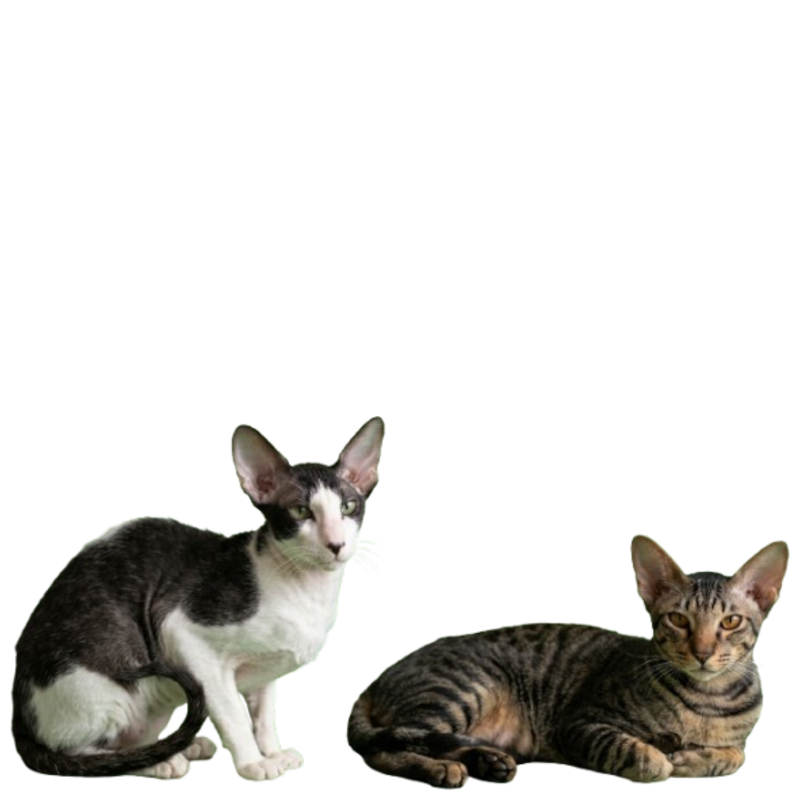
appearance
Understanding the complex physical architecture of the Peterbald reveals a fascinating study in balanced, elongated feline morphology. Every physical attribute, from the cranial contours to the tip of the caudal vertebrae, harmonizes to project an impression of graceful strength and seamless fluidity. Unlike more heavily built domestic felines, Peterbalds exhibit a refined skeletal alignment that serves as the foundation for their distinctively lithe, athletic appearance.
Cranial Conformation and Facial Architecture
The head profile of the Peterbald is a defining hallmark of its physical type, showcasing an ultra‐modern, wedge‐shaped silhouette. This cranial conformation is characterized by straight lines extending symmetrically from the snout to the outer base of the ears.
- The Facial Wedge: When viewed from the front, the muzzle forms a clean, narrowing wedge. There is an absence of a pronounced whisker break‐a feature crucial for maintaining the seamless continuity of the facial lines.
- The Profile Symmetry: In profile view, a long, straight line extends from the top of the skull down to the rhinarium. The forehead is flat, transitioning without a distinct stop or break into the nasal bridge.
- Muzzle and Jaw Realignment: The chin possesses a firm vertical alignment with the upper lip, creating a strong, vertically integrated muzzle profile. The mandible is structurally sound, preventing any appearance of being receded or overshot.
Pinna Orientation and Ocular Alignment
The sensory features of the Peterbald are exaggerated yet balanced, seamlessly integrating into the overall geometry of the cranial wedge.
- Pinna Placement and Size: The pinnae are remarkably large, broad at the anatomical base, and pointed at the tips. Their orientation is strikingly low, continuing the outward diagonal lines of the facial wedge.
- Ocular Geometry: The eyes are medium‐sized and almond‐shaped. They are set at a distinct slant, tilting gently toward the nose to complement the cranial lines. The spacing between the globes is wide, ensuring an open, expressive countenance without appearing deep‐set.
Peterbald Ocular Inclination Index
- : Ocular Angle, the degree of tilt measured from the horizontal plane toward the nasal bridge.
- : Minimum Inclination, the lower bound of the acceptable angular range required to maintain the breed’s distinct almond-shaped eye expression.
- : Maximum Inclination, the upper bound of the acceptable angular range that defines the ideal slant without becoming overly exaggerated.
A judge at a cat show is evaluating a Peterbald to determine if its eye shape conforms to the breed standard. The judge measures the angle of the eye’s slant relative to the horizontal facial plane and finds it to be 18 degrees. Since 18 degrees falls within the range of 15 degrees to 20 degrees, the Peterbald’s ocular alignment is confirmed to be consistent with the breed’s ideal geometric profile. This successful measurement validates the balance between the Peterbald’s expressive, almond-shaped eyes and the surrounding cranial wedge structure.
Skeletal Alignment and Muscular Hypertrophy
The bodily structural form of the Peterbald is a testament to athletic elongation, where a long torso meets an equally long limb structure. This physique relies on excellent muscular development that remains lean rather than bulky.
Skeletal & Muscular Topology
Bodily Structural Form of the Peterbald
I. Elongated Tubular Torso
The torso is characterized as long, tubular, and exceptionally graceful. The rib cage is compact, flowing into a taut, elegant underline that displays a firm abdominal tuck. Long, flat, and fibrous muscles provide remarkable power and flexibility without adding bulk.
Morphological Specification
Elongated skeletal alignment balancing sleek chest dimensions with a firm abdominal underline.
Visual Identification Point
A streamlined, athletic silhouette reminiscent of a runner, showing no abrupt thickness.
- Torso Geometry: The torso is characterized as long, tubular, and exceptionally graceful. The rib cage is compact, flowing into a taut, elegant underline that displays a firm abdominal tuck.
- Muscular Presentation: Despite the fine bone structure, muscular hypertrophy is highly developed. The muscles are long, flat, and fibrous—reminiscent of a runner—providing remarkable power and flexibility.
- Limb and Paw Structure: The limbs are long and thin, with the pelvic limbs being slightly longer than the thoracic limbs. The paws are oval in shape, featuring elongated, agile digits that contribute to a distinctively tactile grasp.
Structural Feature Breakdown
| Anatomical Region | Morphological Specification | Visual Consideration |
|---|---|---|
| Neck | Long, slender, and arched | Should transition smoothly into the shoulders without abrupt thickness. |
| Shoulders & Hips | Narrow, conforming to a sleek tubular plane | The hip width should mirror the shoulder width to maintain a uniform silhouette. |
| Tail Structure | Long, whip‐like, tapering from a slim base to a fine point | Must be flexible and completely free of any palpable skeletal kinks. |
Epidermal and Coat Texture Classifications
The unique presentation of the skin and coat is one of the most compelling aspects of Peterbald’s morphology. The feel of the skin varies widely across different individuals, depending on the presence of residual downy fibers.
- Skin Elasticity and Wrinkles: The skin is remarkably loose, thin, and elastic. Abundant wrinkles are heavily distributed across the face, neck, underbelly, and limbs.
- The Bald Category: These individuals exhibit completely hairless skin that feels sticky or tacky to the touch. This texture is a primary indicator of complete absence of hair fibers.
- The Flock and Velvet Textures: The body is covered with an ultra‐short, soft downy layer. To the hand, this feels like fine chamois cloth or velvet, lacking any harsh guard hairs.
- The Brush Effect: The coat is composed of short, wavy, coarse hair that may be sparsely distributed across the body, often accompanied by bald patches on the torso or neck.
Summary of Breed Appearance
The Peterbald presents an image of extreme elongation, structural balance, and fine‐boned elegance. The interplay between its long facial wedge, remarkably large pinnae, and sleek, muscular torso creates an unforgettable silhouette. Whether completely hairless or boasting a specialized brush texture, the taut skin and abundant wrinkles enhance its unique contours. For any cat lover, appreciating this precise balance of elegant length and muscular vitality is key to understanding the true visual essence of the breed.
behavior
Observing the behavioral patterns of the Peterbald reveals a complex ethogram characterized by high kinetic output, intense social integration, and specialized communication strategies. For anyone sharing an environment with these felines, understanding their observable actions from a functional perspective allows for much better management of their daily routines and spatial needs. Unlike more sedentary domestic felines, Peterbalds exhibit a continuous drive for environmental mastery, relying heavily on tactile contact and complex vocal strings to interact with both conspecifics and humans. This profile breaks down those observable actions to help optimize their living conditions and social structures.
Social Facilitation and Conspecific Dynamics
The social architecture of the Peterbald is highly cooperative, characterized by a strong tendency toward collective behavior and group cohesion. When housed in multi‐cat environments, these felines regularly display social facilitation, where the active behavior of one individual rapidly triggers identical behaviors in nearby group members.
- Allogrooming and Thermoregulatory Nesting: A major component of their social ethogram involves frequent, prolonged allogrooming sessions. This serves a dual purpose—reinforcing social bonds within the hierarchy and facilitating communal heat conservation. Group sleeping, or nesting, is highly frequent, with individuals seeking out direct epidermal contact with conspecifics.
- Tactile Communication: In terms of tactile communication, Peterbalds utilize high‐frequency head‐rubbing (bunting) and full‐body contouring against both feline housemates and human companions. These physical interactions are functional tools for maintaining a shared group scent profile.
The probability of close‐contact social integration within a stable colony can be modeled based on structural proximity and environmental resource access:
Peterbald Social Integration Probability
- : The calculated probability of successful, cohesive social bonding between group members within a colony.
- : The abundance and distribution of essential items, such as food and water, which influences group movement and interaction.
- : The number of accessible, warm, and secure locations suitable for communal thermoregulatory nesting.
- : The physical spatial gap maintained between individual group members, which inversely impacts integration strength as it increases.
A researcher evaluates the social cohesion of a Peterbald colony living in a large home. With a resource density index of 10 units, 4 available warm resting microclimates, and a preferred social distance of 0.5 meters between individuals, the researcher calculates the integration probability. Squaring the social distance () gives 0.25. Multiplying this by the available microclimates () results in 1. Dividing the resource density of 10 by this value () yields an integration probability () of 10.0. This high result indicates that the Peterbald’s environment is perfectly structured to foster strong, cooperative social behaviors and frequent physical contact among the colony members.
Environmental Exploration Strategies and Activity Cycles
The daily locomotive budget of the Peterbald is highly active, shifting away from the typical low‐energy baseline observed in many domestic felines. They exhibit a distinct interest in vertical space and complex spatial exploration.
- Vertical Foraging and Patrolling: When introduced to an environment, a Peterbald utilizes a systematic, vertical exploration strategy. They continuously seek out the highest accessible vantage points, using high‐frequency jumping and climbing behaviors to map out territory boundaries.
- Prey‐Drive Manifestation: Their hunting and play sequences are highly kinetic. Toy manipulation frequently involves tactile grasping with their long, nimble digits, transforming simple batting behaviors into complex, multi‐stage manipulation of objects.
- Stereotypic Prevention through Kinesis: Because their baseline locomotion requirement is so high, an environment lacking sufficient mental and physical outlets can lead to vacuum activities or minor stereotypic behaviors, such as rhythmic pacing or excessive self‐grooming.
Vocalization Patterns and Acoustic Signaling
Acoustic communication in Peterbalds is highly developed, featuring a wide structural repertoire of sounds used to manipulate or respond to their immediate environment.
| Vocalization Type | Acoustic Structure | Functional Context | Frequency Profile |
|---|---|---|---|
| Trill / Chirp | Short, rising frequency | Used during close‐range greeting and social facilitation sequences. | High |
| Extended Meow | Multi‐tonal, prolonged string | Deployed to attract human attention or demand resource access. | Very High |
| Chirp‐Chatter | Staccato, jaw‐clicking | Observed during predatory visual fixation on out‐of‐reach targets. | Moderate |
Daily Activity Budgets
The distribution of observable behaviors over a standard twenty–four hour cycle shows a distinct pattern of sustained alertness interspersed with recovery periods.
- Diurnal Inversion: While tracking a primarily crepuscular baseline rhythm, Peterbalds frequently alter their activity cycles to match the diurnal patterns of human households. This adaptation showcases their high behavioral flexibility.
- Alertness States: During waking hours, passive resting is rare; the feline is typically either in a state of deep sleep or engaged in active environmental scanning and interaction.
Summary of Breed Behavior
The Peterbald exhibits an exceptionally vibrant behavioral profile defined by close social bonds, constant physical exploration, and an extensive vocal repertoire. Their actions are highly communicative and interactive, relying on tactile contact and group nesting to regulate comfort. For any cat lover, understanding these energetic patterns and high social demands is the key to providing an enriched, fulfilling home that successfully channels their natural behavioral drives.
color
Evaluating the palette of the Peterbald requires a fascinating look at how pigment granules express themselves directly on the epidermis and within minimal hair fibers. For an owner or breeder, observing these hues provides a unique visual experience because the specialized skin types alter how light interacts with surface coloration. In fully coated felines, the hair shaft dominates light reflection, but in Peterbalds, pigment distribution is observed directly at the skin layer or through a translucent downy veil. This guide breaks down the presentation of base pigments, shading patterns, and optical effects to help you identify and appreciate the full range of breed colors.
The Biochemical Base: Eumelanin and Phaeomelanin
All skin and coat colors in the Peterbald are derived from two primary forms of melanin. The density, shape, and arrangement of these pigment granules determine whether a feline appears rich and dark, soft and diluted, or vibrant and warm.
- Eumelanin Dominance: This pigment is responsible for the dark spectrum. When densely packed, it absorbs nearly all light, creating a deep black shade on the skin and nose leather. When the granules are more loosely clustered or altered in shape, the hue shifts to lighter variations like blue, chocolate, or lilac.
- Phaeomelanin Expression: This pigment produces the warm spectrum, producing red and cream hues. The rich warmth of the red shade is heavily influenced by the presence of polygenic rufism modifiers, which intensify the yellow‐to‐red tones on both the skin and residual down.
Melano‐Epidermal Optical Effects
Because many Peterbalds possess little to no shielding coat, the optical appearance of their color is influenced by light scattering across the epidermis. This is especially true for diluted colors like blue or lilac.
The perceived intensity of a diluted shade on an exposed epidermis can be modeled by factoring in light scattering () and surface pigment concentration ():
Peterbald Perceived Epidermal Saturation
- : The visual intensity of the coat color as observed on the surface of the skin.
- : Surface Pigment Concentration, the quantitative density of melanin granules within the exposed epidermis.
- : Scattering Coefficient, a value representing the amount of light reflected and dispersed by the skin’s surface.
- : Wavelength Factor, an inverse fourth-power relationship representing the scattering effect on light, where denotes the wavelength of the incident light.
A geneticist is modeling the color appearance of a lilac Peterbald. Using a surface pigment concentration () of 0.8, a light scattering coefficient () of 0.5, and a wavelength factor () of 0.4, the researcher calculates the saturation. First, the light scattering component is determined by multiplying by the wavelength factor (), resulting in 0.2. Adding the constant 1 gives 1.2. Finally, dividing by this sum () results in a perceived saturation of approximately 0.67. This value explains why the Peterbald’s lilac color appears as a soft, pastel hue rather than a deep, fully saturated tone, as the skin surface scattering disperses the light and reduces the intensity of the underlying pigmentation.
This relationship explains why a blue or lilac Peterbald often exhibits a softer, more pastel hue than a fully coated feline with identical pigment density; light scatters directly off the skin surface, washing out the underlying dark pigment granules.
Phenotypic Category Breakdowns
The diverse presentations of color in the breed can be grouped into distinct categories based on how pigment is distributed across the body planes.
| Pigment Category | Pattern Description | Visual Indicators on Skin/Down |
|---|---|---|
| Solid / Self | Uniform pigment distribution across all body planes. | Consistent hue from the nose leather to the tail tip; no visible shading shifts. |
| Pointed | Thermally restricted pigment distribution. | Heavy concentration of pigment on the ears, muzzle, limbs, and tail, while the warmer torso remains pale. |
| Tabby / Patterned | Alternating zones of high and low pigment density. | Distinct bands or spots visible directly on the skin; ghost markings are highly apparent in young kittens. |
| Parti‐color / Bicolor | Intermittent absence of pigment due to restricted melanocyte migration. | Sharp, clear divisions between pigmented zones and stark white areas lacking all melanin. |
Patterns of Uniformity and Restriction
Understanding how patterns display on the skin allows for a deeper appreciation of a Peterbald’s coloration.
Agouti Patterns and Ghost Markings
In agouti or tabby variants, the alternating bands of color are written directly into the skin cells. Even in solid‐colored kittens, you may notice faint, transient patterns known as ghost markings. These are shadow‐like remnants of tabby patterns that often fade as the epidermis matures and stabilizes its overall pigment density.
Restricted Pointed Presentation
The pointed pattern relies on a specialized enzyme activity that restricts heavy pigment production to the colder extremities of the body. On a Peterbald, the transition from a pale torso to dark points is beautifully smooth, though the color lines appear much sharper on the hairless muzzle and ears where there is no fur to diffuse the boundaries.
Summary of Breed Colors
The coloration of the Peterbald encompasses a spectacular range of solid, pointed, tabby, and particolor options, all dictated by the behavior of eumelanin and phaeomelanin. The absence of a traditional heavy coat does not diminish their color; instead, it highlights the raw beauty of the pigment distributed across an elastic, wrinkled canvas. From deep, light‐absorbing blacks to delicate, light‐scattering lilacs and blues, recognizing the interplay of pigment density and surface reflection is key to mastering the visual nuances of these elegant cats.
compatibility
Ease of Maintenance
Rating: 2/5
Child Friendly
Rating: 4/5
Annual Cost
Rating: 2/5
Lifetime Cost
Rating: 3/5
Adaptability
Rating: 5/5
Velcro Factor
Rating: 5/5
Quietude
Rating: 1/5
Apartment Suitability
Rating: 3/5
Hypoallergenic
Rating: 4/5
Handling Tolerance
Rating: 5/5
Hardiness/Longevity
Rating: 3/5
Prey Drive
Rating: 2/5
genetics
Delving into the genomic profile of the Peterbald offers a fascinating look at the precise mechanisms of feline heredity. For an owner or breeder, understanding these genetic pathways is essential for predicting how traits pass down through successive generations. The biological blueprint of this breed relies primarily on a specific, dominant genetic variation that fundamentally alters hair follicle development. By mastering the relationships between different loci and alleles, you can make highly informed decisions that preserve the structural integrity of your breeding program while predicting downstream variations with mathematical accuracy.
The Primary Dominant Hairless Locus
The defining feature of the Peterbald genomic profile is a specific mutation located on a single autosomal locus. Unlike the recessive trait responsible for hairlessness in some other domestic feline breeds, the variation found here operates under a mechanism of incomplete dominance.
- Incomplete Dominance Mechanics: Because the trait exhibits incomplete dominance, a single copy of the dominant allele alters follicle function, but two copies result in a much more pronounced expression of the trait.
- The Homozygous Dominant Profile: Felines carrying two copies of the dominant hairless allele experience maximum follicle suppression, leading to the ultimate expression of the trait from birth.
- The Heterozygous Profile: Felines with one dominant and one recessive wild‐type allele display an intermediate follicle development, where a soft downy layer or altered resilient coat remains partially viable.
Genotypic Breakdown Matrix
The genetic interactions at this primary autosomal locus create clear, predictable pairings that determine the baseline follicle profile of the offspring.
| Genotype | Allele Configuration | Follicle Development Manifestation | Breeding Outcomes |
|---|---|---|---|
| Homozygous Dominant | Two copies of the dominant hairless allele | Maximum follicle suppression; stable hairless profile from birth. | Will pass the dominant trait to 100% of direct offspring. |
| Heterozygous | One dominant hairless allele, one wild‐type allele | Intermediate follicle suppression; downy or modified textures. | Can pass either the dominant or recessive allele to offspring. |
| Homozygous Recessive | Two copies of the wild‐type allele | Normal follicle development; standard domestic feline coat structure. | Cannot pass the dominant hairless trait to any offspring. |
Modeling Inheritance Probabilities
When pairing two heterozygous Peterbalds, the distribution of alleles follows standard Mendelian ratios. We can model the probability of obtaining specific genotypes in a single litter using basic probability equations.
Let represent the dominant hairless allele and represent the recessive wild‐type allele. Statistically, a cross between two intermediate, heterozygous parents () will yield a predictable outcome:
Peterbald Litter Genotype Ratio
- : The statistical distribution of genetic outcomes expected in a single litter from a cross of two heterozygous individuals.
- : The percentage probability of offspring inheriting two dominant hairless alleles.
- : The percentage probability of offspring inheriting one dominant hairless allele and one recessive wild-type allele.
- : The percentage probability of offspring inheriting two recessive wild-type alleles.
A breeder plans a pairing between two heterozygous Peterbald cats. In a litter consisting of 8 kittens, the breeder applies the 1-2-1 ratio to estimate the genetic makeup. Calculating 25 percent of 8 results in 2 kittens expected to be homozygous dominant. Calculating 50 percent of 8 results in 4 kittens expected to be heterozygous. Finally, calculating 25 percent of 8 results in 2 kittens expected to be homozygous recessive. This breakdown provides the Peterbald’s breeder with a statistical expectation for the distribution of traits within the litter.
Polygenetic Inheritance and Modifiers
While the primary locus dictates whether follicle suppression occurs, the precise variation found within individual litters is fine‐tuned by polygenetic inheritance. These secondary modifier genes create a fluid spectrum of follicle development.
- Follicle Transition Vectors: Polygenetic complexes influence the rate at which juvenile follicles transition. Many heterozygous kittens undergo a gradual shedding phase during their initial development cycles, a process heavily mediated by these minor genetic networks.
- Shedding Timeline Variables: The speed and extent of this shedding phase can vary significantly between individuals. Some felines stabilize their final follicle profile by twelve–twenty‐four months of age, driven by the background interaction of these polygenic modifiers.
- Environmental Interaction: Though the blueprint is entirely genomic, external elements like seasonal temperature shifts can interact with polygenetic traits, temporarily altering the density of residual downy fibers.
Summary of Breed Genetics
The genetics of the Peterbald revolve around a powerful autosomal dominant locus that operates via incomplete dominance. The interaction between the dominant hairless allele and the wild‐type allele determines whether an individual presents a fully suppressed follicle profile, an intermediate downy texture, or a traditional domestic coat. When backed by a complex web of polygenetic modifiers, this primary mutation creates a beautiful, predictable spectrum of inheritance. For anyone dedicated to the breed, tracking these simple Mendelian ratios ensures a clear, scientifically grounded path forward for generations to come.
health
Proactively managing the health of the Peterbald requires a solid grasp of their distinct physiological parameters and medical predispositions. For an owner or breeder, recognizing the early indicators of systemic issues is vital for ensuring long‐term physical vitality. While these felines share typical domestic feline vulnerabilities, their unique epidermal biology and metabolic demands create specific medical priorities. By understanding the underlying mechanics of cardiac, renal, and dermatological function, you can work effectively with your veterinarian to establish targeted preventative protocols and protective management strategies for your household.
Cardiovascular Mechanics and Hypertrophic Cardiomyopathy
Like several elegant, active domestic feline lines, the Peterbald can be susceptible to hypertrophic cardiomyopathy (HCM). This disease is characterized by an abnormal thickening of the muscular walls of the heart, particularly the left ventricle.
- Ventricular Thickening Mechanics: As the left ventricular walls undergo concentric hypertrophy, the internal volume of the chamber decreases. This reduction compromises the heart’s capacity to fill with blood during the relaxation phase.
- Hemodynamic Backpressure: The heart must work progressively harder to push blood out to the body, elevating left ventricular end‐diastolic pressure. This pressure can back up into the left atrium and pulmonary veins, potentially leading to congestive heart failure if left unmanaged.
We can look at the relation between heart rate (), stroke volume (), and the overall cardiac output () required to meet high metabolic demands using a standard physiological formula:
Peterbald Cardiac Output Calculation
- : Cardiac Output, the total volume of blood pumped by the heart per minute, essential for meeting the metabolic demands of the body.
- : Heart Rate, the frequency of cardiac contractions measured in beats per minute.
- : Stroke Volume, the specific volume of blood ejected from the left ventricle during each individual cardiac contraction.
A veterinarian is assessing a Peterbald that has developed mild ventricular thickening, which has reduced its stroke volume () to 5 milliliters per beat. To maintain a necessary total cardiac output () of 1,000 milliliters per minute to support the cat’s activity, the heart must compensate. Using the formula , the veterinarian determines the cat must maintain a heart rate () of 200 beats per minute. This calculation illustrates how the Peterbald’s system forces the heart to beat more rapidly to compensate for the reduced volume per stroke caused by myocardial thickening, providing a clear metric for monitoring cardiovascular stress.
When muscle thickening compromises stroke volume, the feline’s system compensates by increasing the heart rate to maintain adequate systemic perfusion.
Renal Function and Progressive Insufficiency
Kidney health is a critical baseline metric in the Peterbald, as progressive renal insufficiency can occur as felines mature. The kidneys are responsible for filtering metabolic waste material directly from the bloodstream.
- Nephron Degradation: Chronic renal decline involves the gradual loss of functional filtering units known as nephrons. As nephron numbers drop, the remaining units undergo compensatory hyperfiltration.
- Clinical Waste Accumulation: Eventually, the remaining filtration capacity cannot keep pace with metabolic production. This bottleneck leads to a gradual accumulation of blood urea nitrogen (BUN) and creatinine in the systemic circulation, demanding clinical dietary and fluid management.
Dermatological Pathophysiology and Environmental Vulnerabilities
The distinctive epidermal profile of the Peterbald introduces unique clinical challenges that set them apart from traditional, fully coated felines. The skin functions as the primary immune barrier, and structural modifications to this barrier alter its defensive capabilities.
| Clinical Vulnerability | Pathophysiological Mechanism | Preventative Care Focus |
|---|---|---|
| Malassezia Dermatitis | Overgrowth of opportunistic lipid‐dependent yeast in normal sebum accumulation. | Routine, gentle cleansing of skin folds, digital webs, and the claw beds. |
| Actinic Keratosis | Chronic solar ultraviolet radiation damaging unprotected epidermal cells. | Total exclusion from direct, unshaded afternoon sunlight exposure. |
| Thermal Dysregulation | Accelerated radiant heat loss due to the absence of an insulating fur coat. | Maintaining warm ambient indoor microclimates between 22–26°C. |
- Sebum Accumulation and Pore Occlusion: Normal sebaceous glands continue to produce sebum to protect the skin. Without a hair shaft to wick these lipids away, the oils accumulate on the surface, creating an ideal breeding ground for bacteria or yeast infections, and occasionally leading to blackhead formation (comedones).
- Epidermal Fragility: The skin can be susceptible to superficial lacerations during high‐speed play. Because there is no protective coat to absorb friction, small scratches must be monitored closely to prevent secondary bacterial dermatitis.
Summary of Breed Health
Supporting the health of the Peterbald involves a multi‐faceted approach that targets cardiovascular efficiency, renal longevity, and vigilant epidermal protection. While keeping an eye on internal systemic baselines like left ventricular thickness and renal filtration rates is standard practice, managing their unique surface vulnerabilities is equally important. Protecting them from cold stress, solar radiation, and opportunistic skin infections allows these active cats to thrive. For any dedicated caregiver, a thorough understanding of these clinical vulnerabilities provides the ultimate foundation for effective preventative health care.
longevity
Analyzing the demographic trends and survival probabilities of the Peterbald gives us an informative look into the timeline of feline aging. For an owner or breeder, recognizing how life expectancy maps across different life stages is extremely valuable for tailoring daily environments as felines mature. While individual lifespans are influenced by a mixture of environmental inputs and baseline physical vitality, tracking population‐level data reveals clear patterns in the rate of cellular senescence. By evaluating survival curves and understanding the functional changes that occur during the geriatric transition, you can optimize care strategies to preserve a high quality of life through every stage of maturity.
Demographic Life Expectancy and Baseline Parameters
Statistical distributions of mortality rates within the Peterbald population indicate a robust lifespan potential that aligns closely with other active, slender domestic feline groups.
- Average Life Expectancy: Demographic cohorts indicate that a typical individual achieved a stable baseline life expectancy of twelve–fifteen years.
- Maximum Lifespan Potential: Under optimal environmental management, outstanding individuals frequently cross into advanced age categories, with documented cases extending to eighteen years or beyond.
- Early Mortality Mitigations: Survival curves flatten significantly after the first twenty‐four months of life, showing that once a feline transitions out of juvenile development, its statistical probability of reaching mature adulthood is exceptionally high.
Statistical Modeling of Survival Probability
To visualize how a population of Peterbalds experiences the aging process over time, we can look at a simplified survival probability formula. This allows us to estimate the percentage of individuals remaining active at a specific age milestone.
Let represent the probability of an individual surviving to a specific age (in years), anchored against a baseline aging acceleration constant :
Peterbald Survival Probability Model
- : The probability that an individual survives to reach a specific age , expressed as a decimal between 0 and 1.
- : Euler number, the base of the natural logarithm, representing the mathematical foundation for exponential decline in survival probability.
- : Aging Acceleration Constant, a breed-specific factor that dictates how quickly the probability of survival decreases as the cat ages.
- : Age, the chronological age of the cat in years.
A researcher monitors a population of Peterbald with an aging acceleration constant () of 0.005. To find the probability of a cat surviving to age 10 (), the researcher first squares the age () and multiplies it by the constant (). Applying the exponential function results in a survival probability of approximately 0.6065. This indicates that roughly 60.65% of the Peterbald’s population is statistically expected to survive until age 10, demonstrating the impact of cellular senescence on the long-term survival trends within the breed.
As advances into the double‐digit range, the mathematical probability of survival decreases more rapidly, reflecting the natural biological acceleration of cellular senescence.
Categorization of Aging Stages
The chronological progression of the Peterbald can be divided into distinct statistical windows. Each stage is characterized by specific shifts in metabolic efficiency and physical reserve capacity.
| Life Stage Category | Chronological Age Window | Biological Characteristics of Senescence | Homeostatic Management Focus |
|---|---|---|---|
| Young Adult | 1–6 Years | Peak physiological performance; optimal cell repair and stable metabolic outputs. | Maintaining core metabolic baseline balance. |
| Mature Adult | 7‐10 Years | Subtle deceleration in cellular turnover; initial down‐regulation of metabolic rate. | Monitoring early shifts in nutritional efficiency. |
| Senior | 11–14 Years | Accelerated cellular senescence; measurable reduction in organ system reserve capacities. | Preserving physical comfort and joint flexibility. |
| Geriatric | 15+ Years | Advanced physiological frailty; high vulnerability to homeostatic disruptions. | Intensive environmental stabilization and support. |
Biological Indicators of the Geriatric Transition
As Peterbalds enter their senior and geriatric years, the physiological indicators of senescence shift from microscopic cellular changes to observable systemic transitions.
Cellular Senescence and Metabolic Shifts
The aging process is driven by a gradual decline in the replication capacity of somatic cells. In the aging Peterbald, this manifests as a reduction in baseline metabolic efficiency. The body becomes less efficient at extracting nutrients and regulating core internal processes, meaning that minor changes in the homeostatic equilibrium require a longer recovery period.
The Geriatric Transition Phase
Entering the final life stages—the geriatric transition—brings a measurable reduction in the reserve capacity of vital internal systems. Because the body’s natural buffering mechanisms are diminished, maintaining a highly stable, predictable indoor climate becomes increasingly critical. Senior individuals require enhanced protection from external stressors to prevent sudden drops in physical vitality.
Summary of Breed Longevity
The Peterbald possesses a highly favorable longevity profile, with a statistical life expectancy average extending from twelve–fifteen years. The trajectory of their survival curves underscores a stable adult period followed by a predictable, accelerating phase of biological senescence in their second decade. Recognizing the precise boundaries of each senior and geriatric stage allows caregivers to anticipate the physiological shifts that accompany advanced age. For any dedicated companion, utilizing these data‐driven patterns ensures that the final life stages are supported with precision, honoring the full potential of the feline’s natural lifespan.
maintenance
Successfully managing the daily maintenance of the Peterbald requires an integrated approach that balances high‐energy nutritional intake with specific ambient environmental parameters. Because these felines lack a traditional protective coat to assist with thermal insulation and moisture regulation, their physical systems require precise, artificial support mechanisms. For any owner or breeder, implementing targeted care protocols is essential for protecting the epidermal barrier, sustaining an elevated metabolic rate, and providing appropriate sensory outlets. By treating husbandry as a science of balance, you can create a highly functional indoor habitat that flawlessly accommodates the unique physical requirements of this remarkable breed.
Nutritional Bioengineering and Metabolic Formulas
The baseline metabolic rate of the Peterbald is significantly higher than that of a fully coated domestic feline. To compensate for continuous radiant heat loss, their nutritional plan must provide an elevated caloric intake rich in highly digestible proteins and essential lipids.
Determining the daily portion requires a modified calculation built upon the baseline Resting Energy Requirement (RER). While a standard domestic feline might use a maintenance multiplier of , an active Peterbald typically demands an elevated metabolic multiplier () of to prevent body mass loss.
The daily Maintenance Energy Requirement (MER) for an adult individual can be modeled using the standard feline body mass equation, where represents body weight in kilograms:
Peterbald Resting Energy Requirement Calculation
- : Resting Energy Requirement, the amount of energy in kilocalories the cat needs daily to maintain basic physiological function while at rest.
- : Species Metabolic Coefficient, a constant used to represent the baseline metabolic needs of domestic felines.
- : Body Weight, the weight of the individual cat measured in kilograms.
- : Metabolic Exponent, an allometric scaling factor that adjusts the energy requirements relative to body mass.
An owner is calculating the resting energy needs for a 4.0-kilogram adult Peterbald. First, the body weight is raised to the power of 0.75 (), which equals approximately 2.828. Multiplying this by the species metabolic coefficient of 70 () results in an of approximately 197.96 kilocalories. This baseline figure provides the Peterbald’s owner with a necessary starting value to then apply an elevated metabolic multiplier, ensuring the cat’s high energy demands caused by their lack of coat are fully met.
Peterbald Daily Maintenance Energy Requirement
- : Maintenance Energy Requirement, the total daily caloric intake necessary for the cat to support its activity levels and compensate for radiant heat loss.
- : Metabolic Multiplier, an elevated scaling factor ranging from 1.6 to 2.0, chosen to reflect the high energy expenditure of the hairless breed.
- : Resting Energy Requirement, the base energy in kilocalories required for fundamental biological maintenance while the cat is at rest.
An owner of an active 4.0-kilogram Peterbald uses the previously calculated of approximately 197.96 kilocalories. To support this cat’s elevated energy needs, the owner selects a metabolic multiplier () of 1.8. Multiplying the by this factor () results in a daily Maintenance Energy Requirement () of approximately 356.33 kilocalories. Providing this specific amount of calories helps ensure the Peterbald’s high metabolic demands are met, preventing unwanted weight loss and maintaining optimal health.
Due to elevated moisture loss through the skin, fluid balance is also critical. The nutritional plan must prioritize high‐moisture wet formulas or utilize specialized water circulation systems to meet daily volumetric targets, which map directly to the total daily caloric intake:
Peterbald Daily Fluid Volume Requirement
- : Total Daily Fluid Volume, the total amount of water in milliliters that the cat should consume daily to maintain hydration.
- : Maintenance Energy Requirement, the total daily caloric intake in kilocalories determined by the cat’s metabolic needs and activity level.
- : Fluid-to-Calorie Ratio, a constant representing the standard recommendation of one milliliter of water per kilocalorie consumed to account for metabolic needs and transdermal moisture loss.
A owner manages the hydration of a Peterbald that has a calculated Maintenance Energy Requirement () of 356.33 kilocalories. By applying the fluid-to-calorie ratio of 1.0, the owner multiplies the energy intake by the constant (), resulting in a target daily fluid volume of approximately 356.33 milliliters. This calculation ensures the Peterbald’s high level of moisture loss through their skin is effectively countered, maintaining proper hydration levels alongside their required daily caloric intake.
Nutritional Delivery Matrix
Establishing a consistent, nutrient‐dense feeding schedule ensures that glucose levels remain stable throughout the high‐energy active phases of the day.
| Feed Interval | Macronutrient Profile Focus | Functional Objective |
|---|---|---|
| Morning Session | High protein (>45%), moderate lipids | Fuels early‐day kinetic activity and supports thermogenesis. |
| Midday Session | High‐moisture wet formula, complex aminos | Rehydrates tissues and replenishes amino pools to minimize muscle breakdown. |
| Evening Session | Enhanced lipid profile (18–22%) | Provides sustained, slow‐burning energy to maintain core warmth through sleep cycles. |
Epidermal Management and Hygiene Regimens
Without hair fibers to absorb natural skin secretions, sebum production levels must be managed manually to avoid pore occlusion, yeast proliferation, and localized inflammation.
Specialized Grooming Protocols
The grooming schedule must be frequent but gentle, using ph‐balanced, lipid‐dissolving cleansers. Wipe‐downs with soft, damp microfiber cloths should be performed every forty–eight hours to manage surface oils, while full immersion bathing should occur every two–four weeks depending on individual sebum production levels.
Nodal Hygiene Points
Special care must be directed toward areas where skin surfaces fold or experience high friction. Digital webs, claw beds, and the deep recesses of the pinnae accumulate a thick, waxy mixture of sebum and environmental debris. Daily inspection and focused cleaning of these nodal points prevent structural irritation.
Periodontal Prophylaxis
Because their specific skull shape modifies the oral microenvironment, the breed requires an intensive oral care protocol. Plaque biofilm accumulates quickly on dental surfaces, making home‐based brushing three–four times per week an essential component of their overall maintenance plan to prevent early‐stage gingivitis.
Environmental Modifications and Sensory Enrichment
Engineering the indoor habitat is the final component of a comprehensive husbandry strategy for Peterbalds, focusing on microclimate control and tactile tactile comfort.
- Ambient Microclimate Control: The indoor environment should feature dedicated warm zones. Radiative heat sources, such as safe, low‐wattage heated pet mats, must be distributed across primary resting spots. Ambient room temperature should ideally remain stabilized between 22–26°C.
- Tactile Material Selection: Any bedding or structural material that comes into direct contact with the feline’s skin must be non‐abrasive. Natural cotton, high‐pile fleece, and ultra‐soft microfibers reduce friction and minimize the risk of mechanical skin irritation.
- Vertical and Spatial Enrichment: To satisfy their drive for spatial exploration, the habitat should offer varied climbing paths. Cat trees and vertical wall perches should be lined with soft felt or carpet rather than coarse sisal, ensuring safe traction during high‐speed ascents and descents.
Summary of Breed Maintenance
The proper maintenance of the Peterbald centers on an advanced care framework that successfully addresses their unique biological challenges. Meeting their elevated caloric demands requires a precise formula that compensates for continuous thermal energy loss, while daily hydration must be actively supported. Externally, a consistent grooming schedule is necessary to manage natural sebum production levels, combined with diligent periodontal care. When supported by a warm, modified indoor microclimate and soft tactile bedding, these management strategies ensure that the structural and metabolic needs of Peterbalds are met with maximum efficiency.
measurements
| Measurement | Female | Male | ||
|---|---|---|---|---|
| Metric | Imperial | Metric | Imperial | |
height | 20 – 25 centimeters | 8 – 10 inches | 23 – 28 centimeters | 9 – 11 inches |
length | 33 – 41 centimeters | 13 – 16 inches | 38 – 46 centimeters | 15 – 18 inches |
weight | 2.3 – 3.6 kilograms | 5 – 8 pounds | 3.2 – 4.5 kilograms | 7 – 10 pounds |
• Height: Refers to the measurement at the withers (shoulders).
• Length: Measured from the tip of the nose to the base of the tail.
origin
Tracing the historical development of the Peterbald offers a captivating window into the intersection of natural geographic distributions and structured human influence. For an owner or breeder, discovering how this lineage emerged provides a deeper appreciation for its place within the broader family tree of domestic felines. Unlike ancient landrace populations that evolved over millennia through simple geographic isolation, this lineage is the result of a deliberate, modern chapter in feline history. It represents a precise blending of distinct ancestral clades, showcasing how strategic pairings can rapidly guide phylogenetic divergence and forge a completely new structural identity within a few short generations.
The Foundation Clades and Geographic Nexus
The historical roots of the Peterbald are firmly tied to the late twentieth century in the Russian Federation. The lineage was established through the targeted crossing of two geographically proximate but structurally distinct domestic feline groups, creating an intentional evolutionary bridge.
- The Maternal Donation: The initial branch of the lineage was anchored by an indigenous Russian hairless variant discovered in Rostov‐on‐Don. This population supplied the unique biological variation around which the entire development program was built.
- The Paternal Introgression: To introduce refinement, early preservationists integrated individuals from the Oriental Shorthair lineage. This group represents a highly developed ancestral clade known for its elongated physical characteristics, which significantly altered the path of the new population.
- Anthropogenic Selection: The early development phase relied entirely on intensive human selection. By pairing these two distinct groups, pioneers managed to capture a unique phenotypic expression that separated the new population from its ancestral roots.
Chronological Development Timeline
The path from the first experimental crosses to an internationally recognized, stable population followed a rapid and highly documented series of historical milestones.
| Historical Period | Evolutionary Milestone | Regional Development Hub |
|---|---|---|
| 1994 | The initial experimental crosses are performed, establishing the foundational generation. | St. Petersburg, Russian Federation |
| 1996 | The preliminary standard is drafted, formalizing the group as a distinct independent lineage. | Regional Russian Feline Registries |
| 1997–2003 | Outcrossing programs expand to stabilize the ancestral gene pool and prevent excessive inbreeding. | Trans‐European Breed Associations |
| 2006 | Full recognition is achieved within major global organizations, confirming international status. | Global Felid Registries |
Modeling the Genetic Contribution of Foundation Stocks
In the early stages of establishing Peterbalds, breeders utilized a systematic backcrossing strategy to lock in specific physical traits while expanding the gene pool. We can model the theoretical ancestral contribution () of the Oriental Shorthair clade over successive generations () using a simple mathematical decay formula:
Peterbald Ancestral Genetic Contribution
- : Ancestral Genetic Contribution, the proportion of the genome derived from the Oriental Shorthair foundation stock after a specific number of generations of backcrossing.
- : A constant representing the total genomic potential of the lineage.
- : Generations, the number of successive backcross cycles performed during the development of the breed.
- : The decay factor, representing the halving of the residual influence from the non-foundation stock with each generation.
A developer working on the early stages of the Peterbald breed performs a backcrossing program to integrate specific traits. After 4 generations of backcrossing (), the developer calculates the ancestral contribution of the Oriental Shorthair foundation stock. The formula calculates , which is , resulting in an ancestral contribution () of 0.9375, or 93.75 percent. This demonstrates that by the fourth generation, the Peterbald’s lineage is heavily dominated by the genetics of the foundation stock, effectively stabilizing their signature physical characteristics.
This model shows how rapidly the genetic influence of the outcross group became dominant in the lineage, stabilizing the desired physical characteristics by the third and fourth generations ().
Migratory Routes and Global Expansion
Once the lineage achieved stability in its native region, the population began to expand outward along major international trade and travel routes. This expansion transformed a localized Russian population into a global presence.
The European Expansion
The initial wave of migration moved westward into Eastern and Central Europe. Enthusiasts across Germany, the Netherlands, and neighboring regions established satellite catteries, adapting local husbandry practices to support the incoming stock and expanding the overall population base.
The Intercontinental Transition
By the turn of the century, the lineage crossed the Atlantic into North America. This transition required careful management, as the small number of imported individuals meant that breeders had to rely on structured outcrossing to ensure the lineage remained viable without losing its distinctive identity.
Summary of Breed Origins
The origin of the Peterbald is a testament to the speed and precision of modern anthropogenic selection. Emerging from St. Petersburg in 1994, the lineage was created by crossing an indigenous Russian hairless foundation stock with the refined ancestral clade of the Oriental Shorthair. This intentional pairing triggered a rapid phylogenetic divergence, moving the population away from traditional landrace structures and establishing a distinct global presence within a single decade. For any contemporary enthusiast, maintaining a clear view of this historical timeline and the genetic contributions of its foundational stocks is the key to preserving the true legacy of the breed for the future.
temperament
Analyzing the internal psychological landscape of the Peterbald reveals a highly sophisticated and deeply integrated personality profile. For an owner or breeder, understanding these inherent dispositional traits is vital for creating a home environment that aligns with the feline’s natural cognitive framework. The baseline temperament of this breed is characterized by an exceptionally low threshold for social engagement and a vibrant mental processing speed. By looking closely at how these felines experience emotional reactivity, navigate sensory boundaries, and approach social hierarchies, you can develop a deep understanding of their internal motivations and foster a balanced, enriching bond.
Neurobiological Bases of Low Environmental Neophobia
A defining pillar of the Peterbald’s temperament is an unusually low level of environmental neophobia. While many domestic felines possess an evolutionary bias toward caution or withdrawal when encountering unfamiliar stimuli, this population consistently shows a high degree of confidence and curiosity.
- High Exploration Drive: When introduced to a novel object or unfamiliar room, the internal motivation to investigate rapidly overpowers any initial hesitation. This indicates a highly secure, resilient nervous system.
- Low Emotional Reactivity: Sudden atmospheric or environmental shifts rarely trigger prolonged stress states. Their internal baseline returns to equilibrium quickly, allowing them to remain composed during disruptions that might unsettle more sensitive feline varieties.
Trait Spectrum Analysis
The psychological profile of the breed can be mapped across several major behavioral dimensions, highlighting their distinct position on the feline emotional spectrum.
| Dispositional Dimension | Placement on Spectrum | Psychological Manifestation |
|---|---|---|
| Gregariousness | Exceptionally High | An intense, persistent drive to seek out human interaction; strong preference for shared physical spaces. |
| Sensory Threshold | High Responsiveness | Acute awareness of environmental cues; highly receptive to tactile, auditory, and visual stimulation. |
| Intra‐species Sociability | Highly Collaborative | Natural inclination toward group integration; easily forms strong bonds with other household companion animals. |
| Frustration Tolerance | Moderate to High | Demonstrates persistent problem‐solving capacity when faced with complex cognitive or physical puzzles. |
Modeling Cognitive Engagement and Arousal
We can model the psychological motivation for interaction and environmental exploration () in a Peterbald as a function of their intrinsic gregariousness (), environmental complexity (), and their internal threshold for fear or anxiety ():
Peterbald Cognitive Engagement Drive
- : Motivation Score, the quantitative measure of the cat’s internal drive to engage with its surroundings and perform cognitive tasks.
- : Intrinsic Gregariousness, a value representing the breed-specific social and interactive nature of the cat.
- : Environmental Complexity, the measure of sensory and physical stimulation available in the cat’s living space.
- : Fear Threshold, a variable accounting for the cat’s internal sensitivity to stress or anxiety, which inhibits active exploration as it increases.
An owner wants to assess the cognitive engagement drive of a Peterbald in their home. The cat has an intrinsic gregariousness score () of 8 and lives in an environment with a complexity index () of 10. Since the home is a safe, non-threatening space, the fear threshold () is very low, at 0.1. Using the formula, the motivation () is calculated as , which equals . The resulting motivation score is approximately 72.73. This high value confirms the Peterbald’s intense desire for environmental exploration and mental enrichment, highlighting why providing varied stimulation is essential for their psychological well-being.
Because their baseline fear parameter () approaches zero in most non‐threatening scenarios, the overall drive for engagement and cognitive exploration remains exceptionally high, demanding constant mental enrichment from the indoor environment.
Social Bonding Dynamics and Attachment Theory
The internal attachment mechanisms of Peterbalds mirror the deep, collaborative bonding structures observed in highly social mammalian species.
Secure Human Attachment Vectors
Rather than displaying a solitary or independent emotional profile, these felines form intense, secure attachments to their primary caretakers. This gregariousness is not merely a search for physical comfort; it represents a genuine psychological dependency on social feedback. They thrive on bi‐directional communication, continuously scanning human expressions and vocalizations to synchronize their own emotional states with the household.
Intra‐species Sociability and Group Cohesion
When integrated into multi‐animal environments, the breed displays excellent intra‐species sociability. Their social structure is defined by cooperation rather than territorial friction. They actively seek out group sleeping arrangements and cooperative play, making them exceptionally well‐suited for multi‐cat households or environments with compatible canine companions.
Summary of Breed Temperament
The temperament of the Peterbald centers on an extraordinarily social, confident, and emotionally resilient psychological profile. Characterized by exceptionally high gregariousness and a remarkably low level of environmental neophobia, these cats navigate the world with open curiosity and low emotional reactivity. Their secure attachment patterns and strong intra‐species sociability make them deeply collaborative companions who thrive on close, continuous contact with their human and animal families. For any owner or breeder, appreciating this vibrant internal architecture is the key to unlocking a truly rewarding and mutually enriching relationship.