Persian Cat
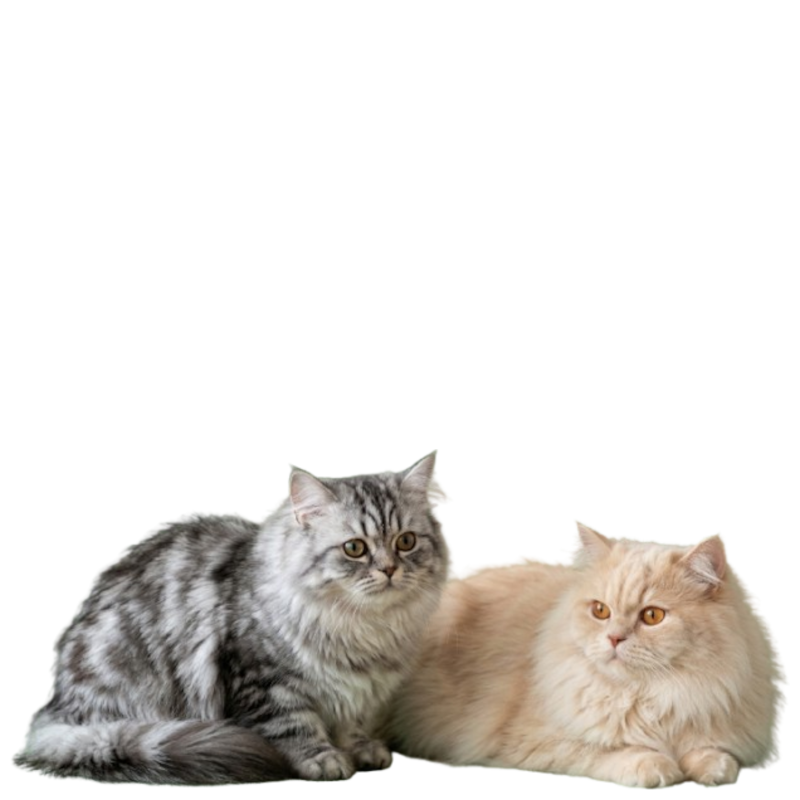
appearance
The domestic Persian represents a highly specialized manifestation of feline anatomy, defined by a distinct combination of brachycephalic cranial architecture and a cobby skeletal frame. Examining Persians from a morphological perspective reveals an organism where traditional feline proportions are compressed horizontally and expanded vertically. This structural configuration creates a dense, low‐slung silhouette, where musculature and skeletal density take precedence over elongation. Every element of the feline—from the truncated facial features to the shortened caudal vertebrae—works in tandem to produce an appearance of immense substance, softness, and geometric balance.
Cranial and Facial Architecture
The skull configuration of Persians is a primary defining feature, characterized by extreme brachycephaly. The neurocranium is significantly widened and rounded, presenting a smooth, dome‐like surface that lacks flatness.
Facial Features and Ratios
The facial profile is characterized by an extreme shortening of the maxillary and nasal bones. The nasal bones are abbreviated, with the rhinarium positioned high between the eyes, aligning with or near the lower eyelids. This placement alters the standard feline facial plane, creating an inversion of traditional proportions. The geometric relationship between the eyes, nose, and jaw can be modeled by an ideal facial ratio of vertical compression:
Persian Facial Compression Ratio
- : The linear distance measurement of the nasal bones, characterizing the degree of maxillary shortening.
- : The vertical or structural depth of the cranium, serving as the baseline for evaluating facial proportions.
- : The Ideal Facial Ratio, representing the standardized degree of vertical compression characteristic of the breed’s profile.
A breed standards evaluator is examining the facial profile of an adult Persian to ensure it meets structural criteria. The evaluator measures the nasal bone length at 0.6 centimeters and the total cranial depth at 4 centimeters. Dividing the nasal bone length by the total cranial depth () results in a ratio of 0.15. This specific value confirms that the Persian’s facial structure aligns with the ideal vertical compression ratio, validating the breed’s distinctively shortened maxillary profile and structural harmony.
The zygomatic arches are heavily expanded, contributing to the structural breadth of the midface. This lateral development supports the presentation of prominent, well‐developed cheeks that blend into a deep, broad mandible. The occlusion of the jaw must be strong, meaning the incisors meet evenly despite the abbreviated maxillary structure.
Sensory Organ Conformation
- Ocular Apparatus: The orbits are exceptionally large, circular, and set wide apart on the cranial plane. This wide interocular distance enhances the open, expressive quality of the face, keeping the eyes on a parallel horizontal axis.
- Pinna Orientation: The ears are remarkably small and set low on the skull. They tilt forward slightly, following the rounded contour of the vertex. The apex of each pinna is rounded, and the internal auditory meatus is well‐furnished with dense structural micro‐structures.
Skeletal System and Body Frame
The postcranial skeleton of Persians follows a cobby morphology, which emphasizes compact strength, low center of gravity, and heavy bone density.
| Anatomical Zone | Structural Characteristics |
|---|---|
| Cervical Spine | Exceptionally short, thick, and heavily muscled; supports the massive cranium without visible elongation. |
| Thoracic Cage | Broad, deep, and barrel‐shaped, providing a wide base of support for the pectoral girdle. |
| Forelimbs & Hindlimbs | Short, thick, and straight; exhibiting significant bone diameter and minimal tapering toward the distal extremities. |
| Distal Extremities (Paws) | Large, round, and firm; equipped with deep plantar pads and prominent interdigital tufting. |
| Caudal Vertebrae | Abbreviated in length, straight, and proportionate to the short body frame; terminating in a rounded tip. |
The muscular system exhibits generalized hypertrophy, particularly across the dorsal plains, shoulders, and rump. The pelvic girdle is broad and level, matching the width of the pectoral girdle to maintain a blocky, rectangular silhouette when viewed from above.
Pelage and Dermal Structures
The external covering of Persian’s anatomy is a defining tactile and visual element, consisting of an immensely dense, double‐layered pelage. This specialized integumentary system is split structurally into distinct follicular strata: an outer shield of fine guard hairs and an insulating undercoat of down fibers.
The interactive anatomical module below maps out the geometric layering and mechanical relationship of these two pelage strata:
Anatomical Specification Sheet
Pelage and Dermal Structures of the Persian
I. Outer Pelage (Guard Hairs)
The exterior shield of the Persian’s coat consists of highly elongated, structurally fine guard hairs. These specialized shafts project outward from the follicle assembly, creating a protective barrier that resists environmental moisture.
Composition
Long, resilient guard filaments extending uniformly across the corpus.
Functional Impact
Establishes the visual boundary of the silhouette, creating an expansive, cloud‐like volume.
While the base layout of this double‐layered structure remains consistent over the skeletal frame, the hair shafts achieve exaggerated elongation within specific regional zones:
- The Ruff: An expansive collar of long hair that starts at the base of the cranium and extends down the thoracic region, framing the head.
- The Caudal Plume: The tail vertebrae are enveloped in an abundant, bush‐like dispersion of guard and down hairs, creating a full plume effect.
- The Inguinal and Crural Areas: Dense, soft layers form full tufts along the lower abdomen and upper thighs, softening the transition from the body to the limbs.
The texture of the coat is uniquely fine and full of vitality, standing out from the body plane due to the sheer density of the undercoat rather than lying flat against the dermis.
Summary of Breed Appearance
The physical form of Persians is a study in harmonious compression and mass. The silhouette is defined by a low, blocky profile where length is sacrificed for substance and depth. A massive, spherical head rests upon a short, powerful neck, anchored by an equally broad thoracic cage and heavy‐boned limbs. The facial structures are drawn into a tight, centralized alignment, dominated by large, circular eyes set wide around a brief, upturned nose. Enveloping this dense skeletal and muscular frame is an opulent, cloud‐like pelage that flows continuously over the body lines, softening all angular boundaries and culminating in a short, magnificent plume.
behavior
Observing the behavioral repertoire of the domestic Persian from an ethological perspective reveals a highly adapted, low‐intensity behavioral strategy. Unlike many other domestic felines that exhibit high‐frequency kinetic behaviors, Persians prioritize energy conservation and localized environmental mastery. Their behavioral patterns operate within a bounded spatial framework where sudden locomotive bursts are rare, and tactical, measured exploration takes precedence. This distinct behavioral baseline modifies traditional feline ethograms, shifting the animal away from intensive predatory sequences toward highly structured sedentary behaviors and subtle social communication mechanisms.
Activity Cycles and Environmental Exploration Strategies
The daily kinetic budget of Persians is heavily weighted toward low‐exertion states. While standard felines display pronounced crepuscular peaks of intense locomotion, the activity cycle of the Persian is more evenly distributed, with compressed bursts of exploratory behavior.
Locomotor and Spatial Selection Matrix
When introduced to novel or existing environments, Persians utilize unique spatial selection strategies. They show a clear preference for horizontal planes over vertical structures. While other breeds frequently seek out high vertical vantage points to observe their territory, the Persian predominantly selects lower, grounded rest sites or low‐tier furniture interfaces.
Anatomical Specification Sheet
Environmental Exploration Strategies of the Persian
II. Grounded / Low‐Tier Zones
Horizontal planes define the core operational territory of Persians. Selection priority is overwhelmingly directed toward grounded interfaces, carpets, low‐tier furniture, and stable structural perimeters.
Selection Frequency
High Selection Probability (Dominant environmental preference).
Ethological Impact
Promotes a low‐exertion territorial strategy, leaning heavily on slow, deliberate horizontal patrolling.
This horizontal bias can be represented by an environmental exploration selection ratio:
Persian Environmental Exploration Ratio
- : The frequency with which the cat attempts to climb to or occupy high-elevation points in its environment.
- : The frequency with which the cat engages in activities or rest on ground-level or low-tier surfaces.
- : The Spatial Preference Index, a coefficient representing the breed’s strong behavioral bias toward horizontal surfaces over vertical climbing.
An ethologist is analyzing the movement patterns of a Persian in a multi-level home. Over a period of one week, the researcher observes the cat engaging in 30 instances of horizontal ground-based exploration and only 4 instances of attempting to ascend to higher vertical structures. Dividing the vertical requests by the horizontal exploration () results in a ratio of 0.13. This figure is very close to the established 0.12 benchmark, confirming the Persian’s preference for low-tier environments and grounded activity over high-altitude vantage points.
Kinetic Budgets
- Sedentary States: Prolonged periods of rest, auto‐grooming, and passive environmental monitoring comprise the vast majority of the daily time budget.
- Exploratory Locomotion: Ground‐level patrolling is slow and deliberate. The animal moves along perimeter walls and furniture baselines rather than crossing large open spaces directly, maximizing tactical concealment opportunities despite low kinetic speed.
Social Dynamics and Communication Modalities
The social ethogram of Persians reveals a high tolerance for conspecific proximity and a strong reliance on non‐disruptive communicative signals. High‐arousal aggressive displays or intense territorial markings are uncharacteristic of this group.
| Communication Vector | Primary Behavioral Expressions |
|---|---|
| Tactile Communication | High frequency of allogrooming and passive body contact; frequent use of facial rubbing (allorubbing) to deposit pheromonal markers on shared structural boundaries. |
| Visual Signaling | Subdued caudal movements; micro‐adjustments of the pinna orientation and slow ocular blinking serve as primary indicators of social reassurance. |
| Acoustic Vocalization | Infrequent and structurally muted; vocalizations consist of low‐amplitude, short‐duration chirps or purrs rather than extended, high‐decibel meows. |
| Olfactory Profiling | Focused nasal investigation of shared substrates; extensive checking of scent deposits without high‐frequency counter‐marking behaviors. |
| Communication Vector | Primary Behavioral Expressions |
|---|---|
| Tactile Communication | High frequency of allogrooming and passive body contact; frequent use of facial rubbing (allorubbing) to deposit pheromonal markers on shared structural boundaries. |
| Visual Signaling | Subdued caudal movements; micro‐adjustments of the pinna orientation and slow ocular blinking serve as primary indicators of social reassurance. |
| Acoustic Vocalization | Infrequent and structurally muted; vocalizations consist of low‐amplitude, short‐duration chirps or purrs rather than extended, high‐decibel meows. |
| Olfactory Profiling | Focused nasal investigation of shared substrates; extensive checking of scent deposits without high‐frequency counter‐marking behaviors. |
Social Facilitation
Conspecific groups exhibit exceptional social facilitation. The presence of a resting individual often prompts nearby group members to enter a synchronized resting state, effectively suppressing localized tension. Agonistic behaviors—such as defensive vocalization, piloerection, or active claw scratching—occur with very low probability during standard conspecific group encounters.
Prey‐Drive Manifestation and Play Repertoire
The predatory sequence of the domestic cat commonly involves localized searching, stalking, chasing, pouncing, and the final capture bite. In Persians, this sequence is abbreviated, with specific elements being modified or entirely bypassed.
Anatomical Specification Sheet
Prey‐Drive Sequence Mapping of the Persian
I. Compressed Search & Stalk
Unlike highly active hunting breeds, the Persian minimizes active searching phases. Visual tracking is predominantly stationary, where the animal fixes its gaze on a stimulus from a recumbent position before initiating a brief, highly focused crawl.
Metabolic Profile
Low‐intensity metabolic expenditure, prioritizing visual tracking over kinetic displacement.
Sequence Outcome
Conserves physical resources by extending the duration of stationary observation.
The searching and prolonged stalking phases are frequently compressed. When exposed to a stimulus designed to elicit a predatory response, the Persian demonstrates an economic prey‐drive manifestation. The kinetic sequence is characterized by an initial observational phase, followed directly by short, explosive pounces rather than extended horizontal chases.
Stereotypic and Self‐Directed Behaviors
Play behaviors are highly localized and individualistic. Inanimate object manipulation is performed with gentle, repetitive paw batting from a recumbent or seated posture. Vacuum activities or hyper‐reactive stereotypic behaviors—such as excessive tail chasing or frantic running without external stimuli—show minimal representation within the recorded ethogram of this breed, underscoring their calm approach to environmental interaction.
Summary of Breed Behavior
The behavioral profile of Persians is characterized by exceptional energy conservation, horizontal environmental preferences, and understated communication methods. Their daily routine is structured around stable, ground‐level rest cycles punctuated by calm, methodical exploration of their immediate surroundings. Socially, they display a cooperative approach to group living, leaning heavily on tactile comforting behaviors and soft visual cues rather than vocal demands or territorial assertions. Their predatory drive is remarkably efficient, skipping long chases in favor of controlled, explosive movements. This unique combination makes the Persian a distinct and beautifully adapted example of domestic feline behavior.
color
The spectacular diversity of coat colors seen in the domestic Persian is a direct result of how microscopic pigment granules interact with light across the hair shaft. At its core, every shade present in these felines comes down to the precise distribution, shape, and concentration of two foundational pigments: black‐based eumelanin and red‐based phaeomelanin. When examining Persians, the long hair strands provide a unique structural canvas where the velocity of melanocyte migration and the density of pigment deposition create visual effects ranging from deep solids to delicate, shimmering tips. Understanding this distribution requires looking past surface hues to analyze the chemical properties and physical light manipulation occurring within individual dermal layers.
Primary Pigment Foundations and Dense Solids
The solid color variations represent a uniform, uninhibited saturation of the hair follicle from the root base out to the terminal apex.
Eumelanin and Phaeomelanin Concentrations
Solid coats are divided into two distinct chemical lineages. The black, blue, chocolate, and lilac variations rely entirely on eumelanin production, whereas red and cream variations rely on phaeomelanin. The physical arrangement of these granules determines the light absorption profile. For dense solid coats, the concentration of pigment granules per unit of hair volume can be modeled conceptually by the following relationship:
Persian Coat Pigment Concentration
- : Pigment Concentration, the quantitative density of melanin granules within the hair shaft structure.
- : The total weight of eumelanin or phaeomelanin present within the hair.
- : The internal space within the hair shaft that contains these pigment granules.
- : Minimum Threshold, the value required to ensure light is fully absorbed, resulting in a saturated and uniform solid coat color.
A researcher is analyzing a sample of a solid-colored Persian coat to determine if it meets the criteria for high pigment density. They measure the mass of the pigment granules in a section of hair as 4.25 milligrams and the volume of the medullary core as 5 cubic millimeters. Dividing the mass by the volume () yields a pigment concentration () of 0.85. Because this result is exactly at the threshold of 0.85, it confirms that the Persian’s coat has the necessary granule density to ensure maximum light absorption, creating the deep and rich solid hue expected for the breed.
When this concentration is maximized, light is fully absorbed rather than reflected, producing a deep, rich solid hue.
Dilution and Granule Clumping
Dilute colors—such as blue and cream—are not caused by a lower volume of pigment, but rather by the uneven clustering of granules within the hair shaft. Instead of spreading smoothly, the pigment forms microscopic clumps, leaving empty spaces in between. This clustering alters how light passes through the strand, causing light to scatter and soften the visual intensity from black to blue, or from red to cream.
Inhibitor Effects and Shaded Profiles
Some of the most complex phenotypes in Persians occur when pigment production is restricted to specific zones along the individual hair strands.
| Color Classification | Pigment Distribution Depth | Visual Phenotype |
|---|---|---|
| Chinchilla | Only the extreme terminal tip (approximately 10% or less of the hair shaft) contains active eumelanin or phaeomelanin. | A shimmering, sparkling appearance where the vast majority of the coat remains pristine white. |
| Shaded | Pigment occupies the outer 25%–33% of the hair strand, concentrated heavily along the dorsal plains. | A distinct mantling effect, shifting from darker upper areas to a completely pale underbelly. |
| Smoke | Pigment fills 50%–80% of the outer hair shaft; the root area remains entirely devoid of color. | The cat appears solid while resting, but movement reveals a brilliant, pale undercoat contrast. |
Rufism and Tonal Warmth
In silver and chinchilla Persians, a phenomenon known as rufism can alter the purity of the color. Rufism refers to varying levels of polygenic warm tones that cause unwanted yellow or reddish‐brown shading in what should be a cool, pale coat. Minimizing rufism ensures that the non‐pigmented sections of the hair shaft reflect light with maximum brightness.
Pattern Variations and Banded Overlays
When analyzing complex color categories, the interaction between different pigment types or the total absence of pigment in certain regions creates highly defined visual patterns.
Particolor and Bi‐color Patterns
The introduction of white spotting into Persian’s coat restricts melanocyte migration during early development. Where melanocytes fail to migrate, the hair grows entirely clear of pigment granules, reflecting all visible light wavelengths as pure white. This creates striking boundaries between pigmented patches—whether solid, tabby, or tortoiseshell—and non‐pigmented white areas.
Tabby Expressions and Ghost Markings
The tabby pattern relies on a rhythmic alternation of pigment density. Each individual hair contains bands of dense coloration mixed with lighter bands where the pigment is less concentrated.
- Agouti Background: The pale background sections consist of hairs with multiple bands of pigment distribution.
- Pattern Markings: The dark stripes, whorls, or spots are composed of solid, densely pigmented hairs.
- Ghost Markings: In young kittens or solid red varieties, ghost markings—faint, underlying tabby patterns—frequently appear because the dense pigment distribution has not yet fully unified across the lengthening coat.
Summary of Breed Colors
The coat coloration of Persians spans an extraordinary spectrum of visual categories, all governed by the subtle manipulation of eumelanin and phaeomelanin. From the absolute light absorption of deep solids to the complex light scattering of dilute blues and creams, the visual outcome relies heavily on how pigment granules group together. When inhibitor factors limit pigment production to the outer tips or halves of the hair shafts, they create the beautiful silver, shaded, and smoke varieties. Finally, the interplay of white spotting and multi‐banded tabby patterns ensures that Persian’s coloration remains a rich, continually evolving subject of physical and chemical display.
compatibility
Ease of Maintenance
Rating: 1/5
Child Friendly
Rating: 4/5
Annual Cost
Rating: 2/5
Lifetime Cost
Rating: 2/5
Adaptability
Rating: 2/5
Velcro Factor
Rating: 3/5
Quietude
Rating: 5/5
Apartment Suitability
Rating: 5/5
Hypoallergenic
Rating: 1/5
Handling Tolerance
Rating: 5/5
Hardiness/Longevity
Rating: 3/5
Prey Drive
Rating: 5/5
genetics
The genomic landscape of the domestic Persian serves as an exceptional model for studying how specific genetic loci shape structural development. Across the feline genome, the complex interplay between major regulatory genes and cumulative polygenetic inheritance dictates the fundamental biological blueprint of this population. By analyzing these hereditary mechanisms, we can trace how single‐nucleotide variations and altered chromosomal regions systematically modify everything from skeletal matrix construction to follicular cell signaling. Exploring the baseline blueprint of Persians requires map‐making the specific dominant, recessive, and epistatic interactions that occur within their underlying DNA sequences.
Skeletal and Craniofacial Morphological Genocentrics
The distinct skeletal architecture observed across the postcranial and cranial frames of Persians is driven by a combination of major single‐gene mutations and modifying gene complexes.
Craniofacial Development Modeling
The dramatic shortening of the facial skeleton is governed primarily by homeobox gene pathways that regulate early embryonic neural crest cell migration. This structural configuration is heavily influenced by specific craniofacial regulatory loci. The probability of achieving extreme facial compression within a population sample can be conceptually modeled using a polygenetic threshold distribution formula:
Persian Facial Compression Probability
- : The probability that an individual displays the extreme facial compression characteristic of the breed.
- : Physiological Threshold, the value defined by the presence of required homozygous recessive alleles that trigger the compression phenotype.
- : Infinity, representing the upper bound of the statistical range for genetic modifier values beyond the physiological threshold.
- : Polygenetic Modifier Value, a variable representing the collective influence of multiple genes affecting facial structure.
- : Mean, the average value of localized polygenetic modifiers within the population.
- : Variance, the measure of genetic spread or diversity in facial structure across the population.
- : Differential, an element indicating that the probability is being integrated with respect to the continuous distribution of polygenetic modifier values.
A researcher is modeling facial development in a Persian population where the threshold () for extreme compression is set to 2.0. Using a mean () of 1.5 and a standard deviation () of 0.5 for the modifiers, the researcher integrates the normal distribution curve from 2.0 to infinity (). The calculated probability is approximately 0.1587. This indicates that roughly 15.87% of the population will exhibit the extreme facial compression phenotype, allowing breeders to predict how the Persian’s unique craniofacial structure manifests based on the underlying distribution of genetic modifiers.
Where represents the physiological threshold value dictated by underlying homozygous recessive alleles, while and represent the mean and variance of localized polygenetic modifiers.
The Cobby Frame and Appendicular Metrics
The compact, blocky body frame is governed by an autosomal dominant pattern of inheritance with variable expressivity. This genetic framework limits the longitudinal expansion of the long bones while simultaneously increasing the cross‐sectional density of the skeletal matrix, yielding a robust bone architecture.
Follicular Architecture and Integumentary Loci
The length and structural density of the individual fiber strands are regulated by specific mutations within the fibroblast growth factor gene family, which directly alter the physiological timeline of the hair growth cycle.
| Gene Locus Identifier | Allelic Variant States | Mode of Inheritance | Physiological Action on Follicle |
|---|---|---|---|
| FGF5 (Fibroblast Growth Factor 5) | Homozygous Recessive (l / l) | Autosomal Recessive | Disrupts the signaling protein that triggers the regression phase, vastly extending the active growth period. |
| I (Inhibitor Locus) | Heterozygous / Homozygous Dominant (I / I, I / i) | Autosomal Dominant | Suppresses melanin production within the early stages of hair growth, leaving the strand base clear. |
| W (Dominant White Locus) | Dominant Allele (W) | Autosomal Dominant | Completely halts normal melanocyte migration and survival across the entire dermal landscape during development. |
Hair Cycle Regulation Mechanics
In standard wild‐type felines, the active growth phase (anagen) of the hair follicle is brief, transitioning rapidly into the regression (catagen) and resting (telogen) phases. The homozygous recessive mutation () within the FGF5 locus prevents the timely cellular termination of the anagen phase. Consequently, the follicle remains biochemically active for an extended chronological window, allowing the structural protein matrix to reach lengths multiple times greater than the feline baseline.
Anatomical Specification Sheet
Follicular Hair Cycle Phases of the Persian
I. Extended Anagen Phase
The active growth phase where follicular cells rapidly synthesize the protein matrix. In Persians, the homozygous recessive mutation (l / l) disrupts the standard chemical termination signals, keeping the follicle active for an extraordinarily long duration compared to short‐haired felines.
Phase Timeline
Significantly prolonged; continuous fiber extension over many months.
Phenotypic Impact
Produces the characteristic long, dense coat by multiplying the time hair spends accumulating mass.
Epistatic Interactions and Pigment Modification Loci
Beyond structural development, localized genomic interactions determine how color expression is modified or masked across the animal’s lifetime without changing the foundational genetic code for color production.
The Dense/Dilute Melanophilin Axis
The MLPH (Melanophilin) gene controls the transport and even distribution of pigment granules within the growing hair shaft. The wild‐type allele () ensures uniform transport. However, a recessive mutation () alters the structural integrity of the melanophilin transport protein, inducing incomplete dominance effects across individual hair sections. This structural defect causes pigment granules to clump together abnormally, creating uneven spatial gaps that reflect light differently.
Epistasis via the Dense White Locus
The W locus exhibits absolute dominance over all other color and pattern loci across the genome, presenting a classic example of masking epistasis. When an individual possesses even a single copy of the dominant allele, the normal migration of melanoblasts from the neural crest to the periphery is completely suppressed during embryogenesis. Though the animal carries the full genetic coding for complex tabby patterns or solid pigments at other loci, these genes remain entirely unexpressed because the skin lacks the necessary pigment‐producing cells.
Summary of Breed Genetics
The genomic framework of Persians stands as a fascinating matrix of single‐locus mutations heavily modified by complex polygenetic networks. The core structural changes to the skeleton are guided by dominant genes that work alongside extensive modifier groups to shape the final body frame. At the same time, the highly extended hair growth sequence is achieved through a specific autosomal recessive mutation within the FGF5 locus that rewires the chronological phases of follicular development. When combined with the intricate epistatic masking seen at the W locus and the structural adjustments driven by the MLPH gene, the genomic profile of the Persian represents a beautifully complex study in structural and cellular inheritance.
health
The clinical management of the domestic Persian requires a deep understanding of structural vulnerabilities and targeted organ system pathologies. Because of their distinct physical architecture, these felines exhibit specialized physiological conditions that alter baseline medical assumptions. Pathological risks within this population are not isolated incidents; rather, they are systemic conditions rooted in altered cranial development, specialized renal tissue changes, and specific cardiac cell profiling. Diagnosing and caring for Persians involves managing these unique health patterns to prevent chronic organ stress and ensure long‐term metabolic stability.
Renal and Metabolic Pathophysiology
Renal insufficiency within Persians is frequently tied to progressive tissue degradation, which severely compromises the filtration capacity of the nephrons over time.
Polycystic Renal Sclerosis
The primary metabolic and renal challenge in the Persian is the development of fluid‐filled cysts within the renal cortex and medulla. These cysts are present at birth as microscopic anomalies that expand linearly as the animal ages, gradually compressing adjacent healthy parenchymal tissue. This destruction of functional nephrons can be tracked by evaluating the glomerular filtration rate, which decreases in direct proportion to total cystic volume expansion:
Persian Glomerular Filtration Rate Retention
- : The current estimated glomerular filtration rate, representing the remaining functional capacity of the kidneys.
- : The initial glomerular filtration rate of the cat before significant cystic progression, acting as a reference point.
- : The sum of the volumes of all renal cysts present within the kidney tissue.
- : The complete volume of the kidney including both functional tissue and cystic structures.
- : A constant representing the whole, used here as the starting unit from which the ratio of disease expansion is subtracted.
A veterinarian monitors a 6-year-old Persian with suspected renal issues. The baseline glomerular filtration rate is 2.5 milliliters per minute. Diagnostic imaging indicates the total cyst volume is 3 cubic centimeters, while the total renal volume of the affected kidney is 15 cubic centimeters. Calculating the ratio of cyst volume to renal volume () gives 0.2. Subtracting this from 1 results in 0.8. Multiplying the baseline GFR by 0.8 () results in an estimated 2.0 milliliters per minute of GFR remaining. This calculation helps quantify the loss of functional tissue, allowing the veterinarian to assess the Persian’s renal health and prepare appropriate long-term management strategies.
As functional tissue drops below a critical threshold, clinical signs of uremic toxicity manifest.
Clinical Biomarkers of Declining Filtration
- Blood Urea Nitrogen (BUN): Elevated concentration occurs when the kidneys can no longer clear nitrogenous waste products derived from protein catabolism.
- Serum Creatinine: Progressively climbs on a linear trajectory as the global glomerular filtration rate drops, serving as a reliable index for staging chronic kidney disease.
- Symmetric Dimethylarginine (SDMA): Acts as an early biomarker, showing elevations well before standard creatinine values spike above reference intervals.
Upper Respiratory Mechanics and Ocular Vulnerabilities
The compressed facial skeleton of the Persian reshapes the upper airway, altering normal airflow mechanics and tear drainage.
| Clinical Condition | Underlying Pathophysiology | Secondary Systemic Complications |
|---|---|---|
| Stenotic Nares | Narrowed, constricted nasal openings that increase resistance during inhalation. | Increased negative upper airway pressure, leading to laryngeal collapse or chronic tracheobronchitis. |
| Elongated Soft Palate | Excess palatal tissue that partially covers the glottis, obstructing the larynx. | Upper respiratory stertor, heat intolerance, and a heightened vulnerability to respiratory distress. |
| Nasolacrimal Duct Occlusion | Kinking or compression of the tear drainage pathway due to altered bone alignment. | Chronic epiphora, leading to tear staining, moisture accumulation, and secondary bacterial dermatitis. |
Corneal Sequestration and Keratopathy
Because the eye socket configuration is shallow, Persians have a wide exposure of the corneal surface area. This anatomical setup limits the protection offered by the eyelids, increasing the frequency of central corneal desiccation. Chronic exposure keratitis can progress to corneal sequestration, where a distinct piece of dead corneal tissue turns dark brown or black, requiring targeted medical or surgical intervention.
Cardiovascular Myopathy Profiles
Cardiovascular vulnerabilities in Persians primarily target the muscular walls of the left ventricle, altering standard stroke volume mechanics.
Hypertrophic Cardiomyopathy (HCM)
Hypertrophic cardiomyopathy is characterized by the inappropriate thickening of the left ventricular free wall and interventricular septum. This concentric hypertrophy limits the total diastolic filling volume of the chamber, forcing the left atrium to enlarge to maintain output.
Pathophysiological Progress Mapping
Congestive Backpressure Cascade in the Persian
I. Left Atrial Enlargement
Concentric hypertrophy of the left ventricular walls leaves less room for blood, raising the internal diastolic pressure. To compensate and maintain systemic output, the left atrium must work significantly harder, stretching muscle fibers and causing pronounced chamber dilation over time.
Hemodynamic Mechanism
Elevated left ventricular end-diastolic pressure (LVEDP) causing backwards chronic pressure backing.
Clinical Manifestations
Atrial wall stretching, localized blood stasis, and high risk of micro-thrombi formation.
As the filling pressure inside the left atrium climbs, fluid forces its way backward into the lungs, triggering pulmonary edema or pleural effusion.
Thromboembolic Sequelae
When left atrial enlargement becomes severe, blood flow within the atrial appendage slows down considerably. This stagnation triggers the coagulation cascade, creating micro‐thrombi. If a portion of this thrombus breaks away, it flows into the systemic arterial circuit and frequently lodges at the aortic bifurcation. This condition causes sudden hindlimb ischemia, loss of distal pulses, and severe distress.
Summary of Breed Health
The health profile of Persians is defined by critical vulnerabilities in the renal, respiratory, ocular, and cardiovascular systems. The progressive expansion of fluid‐filled cysts remains a primary driver of long‐term renal insufficiency, requiring proactive diagnostic screening. Simultaneously, structural changes in the upper airways create unique respiratory resistance patterns that leave these felines vulnerable to heat stress and breathing difficulties. Their shallow eye placement and altered tear ducts require constant monitoring to prevent serious corneal disease, while hereditary cardiac muscle thickening carries a constant risk of congestive failure. Understanding these interconnected clinical paths allows veterinary teams to deliver highly precise, protective care across every phase of the Persian’s life.
longevity
Evaluating the life expectancy and demographic trends of the domestic Persian requires a careful look at statistical survival tracking and the biological markers of aging. Within companion animal gerontology, long‐term data collection helps define the standard baseline for natural senescence across this specific population. These data points reveal that senior felines navigate distinct physiological transitions that alter their cumulative mortality curves. By mapping out survival probabilities and isolating the chronological stages of late‐life development, we can accurately chart how Persians age over time and identify when specific population cohorts experience shifts in life expectancy.
Actuarial Survival Curves and Mortality Rates
The statistical distribution of lifespan within this cohort displays a unique curve that helps predict general survival probability across different age groups.
Survival Function Modeling
The probability of an individual Persian surviving from birth to a specific time can be mathematically estimated using a standard Weibull hazard distribution model. This formula highlights how the risk of natural mortality changes during the later years of life:
Persian Weibull Survival Probability Model
- : Survival Probability, the likelihood that an individual survives to at least age .
- : Euler number, the base of the natural logarithm used in modeling growth and decay processes.
- : Time, the chronological age of the cat in years.
- : Scale Parameter, a constant representing the characteristic life expectancy baseline specific to the breed.
- : Shape Parameter, a value that defines the distribution of mortality risk over time, where indicates an increasing risk of death with advanced age.
A researcher models the survival of a Persian population using a scale parameter () of 15 years and a shape parameter () of 2. For an individual cat at age 10 (), the calculation begins by dividing the age by the scale parameter (), which equals 0.667. Raising this value to the power of the shape parameter () gives 0.444. Applying the exponential function results in a survival probability of approximately 0.641. This indicates that there is a 64.1% probability of the Persian’s cohort surviving to age 10, providing a mathematical tool to understand the accelerating mortality trends observed in their senior years.
In this calculation, represents the chronological age in years, is the scale parameter defining the overall life expectancy baseline of the breed, and is the shape parameter. For Persians, a shape parameter where confirms that the population faces a progressive, accelerating risk of mortality as individuals advance through their senior years.
Cohort Mortality Shifts
Large‐scale feline demographic surveys reveal that the median life expectancy for this population consistently falls within a distinct range. While a significant portion of the cohort successfully passes the first decade of life, statistical mortality rates begin to climb sharply after the twelve‐year mark, establishing a vital pivot point for late‐stage demographic tracking.
The Chronological Trajectory of Senescence
As Persians progress past their early developmental stages, their aging timeline is divided into distinct, measurable chronological brackets that reflect their physiological status.
| Development Stage | Chronological Age Range | Population Survival Characteristics |
|---|---|---|
| Mature Adult | 7–10 Years | Cellular replication rates begin to slow down; however, global baseline mortality remains low and stable. |
| Senior Transition | 11–14 Years | The population experiences an acceleration in biological aging, causing an upward shift on the mortality curve. |
| Geriatric Bracket | 15+ Years | Individuals reach advanced stages of senescence, where survival probability decreases year‐over‐year. |
Cellular Senescence Metrics
During the geriatric transition, the rate of cellular decline increases noticeably. This shift is marked by a drop in cellular repair efficiency and a slow down in metabolic waste clearing. The speed at which an individual moves through this phase varies, creating a wider gap in overall vitality among felines within the same age group.
Biostatistical Variables Influencing Lifespan
Multiple environmental and demographic factors shift the baseline survival curves of Persians, directly altering individual lifespan outcomes.
Biostatistical Actuarial Mapping
Lifespan Optimization Pathway in the Persian
I. Indoor Environmental Optimization
Restricting the individual exclusively to structured interior spaces acts as the foundational step in demographic protection. This baseline modification eliminates exposure to unpredictable macro-environmental stressors that skew natural survival profiles.
Demographic Influence
Establishes a highly controlled, stable ambient microclimate that acts as a buffer against premature age-related stressors.
Actuarial Curve Response
Flattens the early sections of the cohort survival curve by removing extrinsic mortality risks.
When environmental hazards are minimized through indoor living arrangements, the risk of sudden, accidental mortality drops close to zero, allowing the individual to reach their full natural biological lifespan.
Reproductive Alteration Subgroups
Biostatistical records consistently demonstrate that reproductive status significantly alters long‐term survival probabilities.
- Altered Individuals: Neutered and spayed felines show a measurable increase in median life expectancy compared to intact populations.
- Metabolic Adjustments: This survival advantage stems from the elimination of reproductive behaviors and the positive metabolic shifts that follow altering, which collectively protect the body from early stress.
The Centenarian Trend
A small, resilient slice of the Persian’s population successfully reaches extreme longevity—surviving twenty years or more. These long‐lived individuals often represent a specific subsection where cellular health remains stable far longer than the breed average, keeping them on the absolute flat edge of the survival curve.
Summary of Breed Longevity
Data‐driven tracking of Persians shows a resilient survival profile, with a median life expectancy that typically spans between 12–15 years. The breed’s survival curve follows a predictable path, where the risk of mortality remains low through the mature adult years before climbing during the critical senior transition phase. While indoor living and reproductive alteration consistently help maximize individual lifespans, the overall rate of senior decline is ultimately dictated by how cleanly cell structures age. By analyzing these clear statistical and age‐related patterns, gerontology research can accurately chart the full life cycle of the Persian.
maintenance
Successfully managing the daily care of the domestic Persian requires a technical approach focused on specialized environmental adjustments, highly targeted nutritional inputs, and strict topical hygiene management. Because of their unique structural features, these felines cannot rely entirely on self‐maintenance. This lack of self‐cleaning places the responsibility on husbandry protocols to prevent ongoing skin, dental, and nutritional issues. By combining custom nutritional profiles with protective indoor setups and regular mechanical grooming routines, handlers can ensure proper metabolic balance, preserve skin health, and lower the everyday physiological stressors found in standard home environments.
Nutritional Bioengineering and Fluid Kinetics
Developing a precise diet for the Persian requires a careful balance of energy calculations and specific nutrient ratios to support their lower activity levels.
Caloric Calculation and Energy Demands
Determining the daily caloric target begins by calculating the Resting Energy Requirement (RER). This baseline value is adjusted using a specific life‐stage multiplier () to establish the Total Daily Energy Requirement (DER), preventing unwanted weight gain in less active indoor animals:
Persian Resting Energy Requirement Calculation
- : Resting Energy Requirement, the amount of energy in kilocalories required by the cat at rest for basic physiological function.
- : Species Metabolic Coefficient, a fixed constant representing the baseline metabolism for domestic cats.
- : Body Weight, the mass of the individual cat measured in kilograms.
- : Metabolic Exponent, an allometric scaling factor used to adjust energy needs relative to body size.
An owner wants to determine the resting caloric needs for a 3.5-kilogram Persian. First, the body weight is raised to the power of 0.75 (), which equals approximately 2.659. Multiplying this by the species metabolic coefficient of 70 () results in an of approximately 186.13 kilocalories. This value serves as the base daily caloric requirement for the Persian’s system at rest, providing a fundamental starting point for determining their total daily energy intake and maintaining a healthy body condition.
Persian Daily Energy Requirement Calculation
- : Daily Energy Requirement, the total amount of energy in kilocalories the cat needs to consume daily to maintain its current weight and support its activity level.
- : Life Stage Multiplier, a scaling factor that adjusts the resting energy requirement based on the cat’s age, activity level, and reproductive status.
- : Resting Energy Requirement, the base energy in kilocalories needed by the cat for fundamental biological maintenance at rest.
A owner is managing the diet of a neutered adult Persian that requires a conservative activity adjustment. The cat has a calculated Resting Energy Requirement () of 186 kilocalories. To prevent weight gain, the owner applies a Life Stage Multiplier () of 1.0, which is standard for an inactive, neutered adult. Calculating results in a Total Daily Energy Requirement () of 186 kilocalories. This provides the Persian’s owner with a specific daily caloric limit to ensure the cat receives sufficient nutrition while avoiding excessive intake.
For a standard adult Persian living strictly indoors, the life‐stage multiplier () is tightly regulated, typically falling within a strict range of .
Feeding Schedules and Textural Properties
The facial architecture of Persians affects how they pick up and chew their food. Standard, flat kibble designs can be difficult for them to grasp, often causing issues with dropping food or poor digestion. Using cross‐shaped or almond‐shaped kibble pieces allows them to pick up the food more easily using the underside of their tongue.
| Feed Type | Textural Matrix | Delivery Strategy | Primary Purpose |
|---|---|---|---|
| Nutrient‐Dense Kibble | Specially shaped surface textures | Split into 2–3 small mechanical portions daily | Promotes active chewing and helps with mechanical periodontal prophylaxis. |
| Moisture‐Rich Formula | Smooth, high‐viscosity pâté or small chunks with gravy | Fed at set times or mixed directly with kibble matrices | Meets vital hygroscopic needs and raises daily fluid volume. |
Hydration Management and Fluid Systems
Because these cats have a lower natural drive to drink water, their hydration must be managed through active husbandry techniques. Standing water bowls often fail to stimulate enough drinking, which can lead to concentrated urine. Using recirculating, automated drinking fountains increases water movement, encouraging more regular fluid intake.
Dermatological and Topical Maintenance Protocols
Managing the coat of the Persian requires consistent mechanical intervention to handle high sebum production levels and prevent painful matting.
Dermatological Progress Mapping
Coat Degradation Cascade in the Persian
I. High Sebum Production
The base of each hair follicle continuously produces lipid-rich sebum to condition the skin. In Persians, elevated base sebum levels can overwhelm the long hair shafts if left unmanaged, causing individual fibers to become heavy and coated near the roots.
Dermatological Mechanism
Continuous glandular lipid excretion at the hair follicle base.
Husbandry Intervention
Regular topical degreasing steps and scheduled cleansing baths to break down heavy lipid layers.
Without daily detangling, the continuous buildup of natural skin lipids quickly causes the fine undercoat fibers to lock together, forming tight mats that trap moisture against the skin.
Mechanical De‐shedding Routines
- High‐Density Steel Combs: A long‐toothed steel comb must be used daily to slide completely down to the hair base, separating individual fibers without scratching the skin.
- Slicker Brush Alignment: This tool targets the dense undercoat layers, safely pulling away dead, loose strands before they can twist around active growth fibers.
- Mat Removal Techniques: When dealing with stubborn knots, specialized splitting tools should be used to gently separate the fibers lengthwise, preserving the surrounding coat texture.
Topical Cleansing and Degreasing Systems
The high level of oil produced by the skin requires a set bathing routine every 4–6 weeks. This process uses specialized degreasing pastes to dissolve thick lipid deposits, followed by a hypoallergenic shampoo rinse. After washing, the coat must be dried completely using a high‐velocity, temperature‐controlled blower while being combed out. This step removes trapped moisture from the dense undercoat, preventing secondary skin irritation.
Environmental Enrichment Standards
Designing an indoor space for Persians means focusing on horizontal movement patterns and creating low‐stress, accessible safety zones.
Low‐Tier Habitat Architecture
Unlike many feline breeds that prefer high vertical spaces, the Persian relies heavily on a ground‐level territorial strategy. Their physical build makes climbing tall, vertical structures less ideal. Instead, enrichment layouts should focus on broad horizontal planes, low‐slung steps, and heavy, stable scratching surfaces placed close to the floor.
Sensory Stimulation and Air Filtration Systems
Because their facial shape can leave them more sensitive to airborne particles, the indoor air must be managed carefully.
- High‐Efficiency Particulate Air (HEPA) Filtration: Running dedicated HEPA filters helps capture loose flying hair, dust mites, and dander, keeping the immediate breathing zone clear of common irritants.
- Controlled Humidity Zones: Keeping indoor humidity levels within a stable 40%–50% range prevents the long coat from building up static electricity and reduces dry skin issues.
- Tactile Foraging Puzzles: Using shallow, wide foraging mats lets these cats use their natural hunting instincts without frustrating them due to their facial structure.
Summary of Breed Maintenance
Maintaining the domestic Persian requires a dedicated, structured routine combining balanced nutritional engineering, deep coat care, and horizontal environmental setups. Meeting their specific dietary needs involves precise caloric monitoring based on their actual resting energy requirements, using uniquely shaped food pieces, and encouraging hydration with moving water systems. Their dense coat requires a daily commitment to deep combing to manage natural skin oils and prevent painful matting, alongside regular degreasing baths. Finally, optimizing their living space with accessible, low‐tier furniture and clean, filtered air creates a comfortable environment that supports the long‐term well‐being of the Persian.
measurements
| Measurement | Female | Male | ||
|---|---|---|---|---|
| Metric | Imperial | Metric | Imperial | |
height | 18 – 23 centimeters | 7 – 9 inches | 20 – 25 centimeters | 8 – 10 inches |
length | 33 – 38 centimeters | 13 – 15 inches | 36 – 43 centimeters | 14 – 17 inches |
weight | 3.2 – 5 kilograms | 7 – 11 pounds | 4.1 – 6.4 kilograms | 9 – 14 pounds |
• Height: Refers to the measurement at the withers (shoulders).
• Length: Measured from the tip of the nose to the base of the tail.
origin
Tracing the historical development of the domestic Persian requires a careful examination of ancient trade corridors, geographical isolation, and the gradual shift from natural landrace populations to structured domestic lineages. Long before structured breeding registries emerged, ancestral feline populations thrived within specific geographical pockets, shaped by local environmental pressures and early human trade movements. The establishment of this lineage is closely linked to the history of human migration and commerce across the Near East and into Continental Europe. By studying these early movements and looking at historical documentation alongside migratory timelines, we can understand how early landrace populations transitioned into globally recognized ancestral clades.
Phylogenetic Divergence and Near Eastern Landraces
The roots of the Persian trace back to the historic landrace populations of the Near East, specifically the mountainous corridors of ancient Persia and neighboring regions.
Geographic Isolation and Environmental Adaptation
Early feline populations experienced a long period of geographic isolation within the cold, high‐altitude regions of Western Asia. This specific environment favored animals that developed specialized physiological protections against low ambient temperatures. The gradual accumulation of protective physical traits occurred naturally within these landrace populations before humans began managing their pairings. We can model the rate of baseline trait fixation () within an isolated population over a given number of generations () using a standard population adaptation formula:
Persian Baseline Trait Fixation Rate
- : Trait Fixation Proportion, the fraction of the population that has permanently acquired a specific protective physical trait after a set number of generations.
- : A constant representing the total population, serving as the upper bound for the proportion of trait fixation.
- : Effective Population Size, the number of individuals within the isolated group that contribute to the genetic pool.
- : Generations, the total count of successive breeding cycles that have passed since the population became isolated.
A genetic researcher is studying the historical development of a landrace Persian population isolated in a high-altitude region with an effective population size () of 50. After 100 generations (), the researcher calculates the proportion of the population that has fixed a specific cold-weather adaptation. Plugging the values into the formula, the calculation is , which simplifies to . This results in a fixation proportion of approximately 0.634, or 63.4%. This model effectively demonstrates how the Persian’s unique physiological traits became established within their geographic isolation over time.
In this calculation, represents the effective population size of the geographically isolated group. As generations () advanced in locked mountain ecosystems, specific traits became permanently fixed across the regional clade.
Migratory Translocation and European Introduction
The movement of these ancestral clades from their native Western Asian habitats into Western Europe occurred through established maritime and overland trade routes over several centuries.
| Historical Epoch | Core Geographic Focus | Documented Linage Activity |
|---|---|---|
| Early 1600s | Khorasan to Italy | Initial documented translocation of long‐haired felines by European travelers exploring Silk Road trade hubs. |
| Mid 1600s | Angora to France | Parallel introduction of similar long‐haired landraces from Asiatic Turkey into French aristocratic circles. |
| 1800s | United Kingdom | Systematic hybridization of regional Western Asian clades, establishing a single domestic lineage. |
Caravan Routes and Maritime Commerce
During the early seventeenth century, European travelers actively documented the presence of unique long‐haired felines traveling along caravan routes through the Khorasan region. These animals were acquired as high‐value trade items and transported directly into Italy. Around the same time, similar long‐haired lines were brought from Angora into France, creating two distinct European populations that remained separate for many decades.
Anthropogenic Selection and Lineage Establishment
The transition from a loose collection of regional landraces into the formal domestic Persian lineage began during the late nineteenth century in Western Europe.
Archaeogenetic Lineage Mapping
Historical Dispersal and Lineage Timeline of the Persian
I. Ancient Near East Landrace
The foundational roots of the lineage trace directly to the free-roaming landrace populations native to the high-altitude regions of Western Asia. These cats underwent natural geographic isolation, accumulating protective physical traits to survive cold alpine climates well before humans began organizing selective pairs.
Anthropological Shift
Geographic isolation driving early landrace adaptation within locked mountain ecosystems.
Historical Chronology
Fourteenth to sixteenth century documentation of endemic regional variants across Persia and Turkey.
Once these distinct regional populations arrived in Europe, intentional pairing strategies shifted the lineage away from its natural, free‐roaming landrace roots.
The Dawn of Formally Managed Lineages
- The Crystal Palace Exhibition: The historic feline exhibition of 1871 marked the first major public separation of long‐haired lines based on distinct regional origins, placing early Persians into a separate category from other exotic imports.
- Conscious Clade Merging: Breeders during the Victorian era began purposely crossing the original Khorasan imports with the lines originating from Angora. This intentional mixing blended the two distinct Asian clades into a single, consolidated domestic pool.
- Pedigree Standardization: The establishment of formal feline registries in the late nineteenth and early twentieth centuries locked the ancestral lines in place, ending the regular introduction of new individual landrace animals from the Near East.
The Shift Away from Free‐Roaming Roots
This intensive era of human intervention permanently altered the population distribution. The open, fluid breeding patterns that defined the ancient Near Eastern landraces were replaced by closed, strictly recorded family lines, setting the historical boundaries for the modern Persian’s lineage.
Summary of Breed Origins
The lineage of the Persian is a clear example of natural geographical isolation followed by intensive human selection. The foundational characteristics of the population were initially shaped by the high‐altitude, cold environments of ancient Persia and Turkey, which naturally fixed specific protective traits within local landrace communities. The introduction of these felines to the European continent occurred between 1600–1800 through historical trade networks, where they quickly transitioned from valued status items to animals selected for specific traits. By merging different regional clades from Khorasan and Angora during the late nineteenth century, early organizers successfully established the single, distinct ancestral lineage that defines the historical development of the Persian today.
temperament
Analyzing the dispositional architecture of the domestic Persian requires a clinical focus on baseline sensory parameters, internal emotional balancing systems, and general social motivation. Within companion animal ethology, documenting unique breed traits allows us to understand how these felines handle everyday stress and process sensory inputs. This unique psychological framework shapes how individuals view their territory, respond to changes in their surroundings, and engage with other living beings. By indexing these core emotional traits and studying how individual temperaments handle external pressure, we can map out how these cats manage their psychological energy and maintain internal balance inside a typical domestic home.
Sensory Thresholds and Emotional Reactivity Indices
The underlying psychological profile of this population features a high sensory threshold, which helps create a calm and highly predictable emotional baseline.
Behavioral Latency Modeling
The time it takes for an individual Persian to show an overt reaction to an unexpected sensory event can be analyzed using a basic response latency scale. This formula tracks how internal emotional thresholds regulate reactive states over time:
Persian Sensory Response Latency
- : Response Probability, the likelihood that the cat will exhibit an overt reaction after being exposed to a stimulus for a duration of time .
- : Euler number, the base of the natural logarithm used in modeling the rate of progression toward a reactive state.
- : Duration of Exposure, the amount of time in seconds that the cat has been exposed to the sensory stimulus.
- : Characteristic Latency, a breed-specific constant representing the inherent temporal threshold the cat requires before triggering an emotional response.
A researcher is measuring the response latency of a Persian to a new sound. The Persian has a characteristic latency () of 5 seconds. If the cat is exposed to the sound for 5 seconds (), the exponent becomes , which is -1. Calculating (approximately ) results in a response probability of 0.632. This indicates a 63.2% likelihood that the cat will show an overt reaction after 5 seconds of stimulus exposure. This helps quantify the Persian’s tendency to remain calm until a threshold is reached, reflecting their typically composed nature.
In this model, represents the duration of exposure to a new stimulus, and represents the characteristic latency value of the breed. For Persians, a higher baseline confirms that the population requires a stronger, more sustained sensory stimulus to trigger a high‐arousal emotional response compared to more excitable feline populations.
Autonomic Reactivity Patterns
Ethological observations show that this population maintains a very stable nervous system baseline. When exposed to low or moderate environmental changes, these felines show minimal spikes in fear or agitation, confirming a resilient internal coping style that helps them remain emotionally steady in calm homes.
The Spectrum of Dispositional Traits
As Persians navigate daily life, their core personality traits can be sorted into distinct, measurable categories that define their overall psychological makeup.
| Temperament Category | Trait Expression Spectrum | Population Characteristics |
|---|---|---|
| Environmental Neophobia | Moderate–High | Shows a preference for familiar spaces; experiences an internal push for safety when introduced to new territories. |
| Gregariousness | Low–Moderate | Displays calm, undemanding attachment styles; values peaceful proximity over high‐intensity social contact. |
| Intra‐species Sociability | High | Shows an accepting, non‐aggressive attitude toward other cats, preferring peaceful coexistence over fighting for dominance. |
Neurochemical Adaptation Profiles
During transitions into new environments, individual coping mechanisms vary slightly. This population generally displays a lower drive for intense active exploration, leaning instead toward quiet observational strategies. This leaning helps them stay under their stress threshold while keeping tabs on their surroundings.
External Factors Influencing Disposition
Several environmental and social variables interact with the baseline temperament of Persians, directly altering their long‐term psychological wellness.
Psychobiological Cascade Mapping
Environmental Optimization Feedback Loop in the Persian
I. Stable Environment
An indoor habitat structured to minimize high-frequency sensory shocks, sudden acoustic disruptions, and structural territory changes. Providing predictable layouts directly supports the high sensory threshold of Persians, mitigating environmental neophobia.
Neurochemical Modulation
Minimizes sympathetic nervous system stimulation and limits systemic epinephrine spikes.
Ethological Indicators
Consistent territorial exploratory latency periods and absence of defensive hiding protocols.
When an indoor habitat is structured to keep sudden noises and hectic changes to a minimum, the baseline production of stress hormones drops, allowing the cat’s natural calm disposition to blossom safely.
Micro‐environmental Noise Sensitivities
- High‐Frequency Disturbance: Loud, high‐pitched sounds can challenge their high sensory thresholds, causing an internal spike in anxiety.
- Predictable Domestic Layouts: Maintaining a steady, quiet home directly supports their emotional wellness, preventing the hidden exhaustion that often follows chronic environmental neophobia.
- Quiet Retreat Zones: Giving these cats access to low, secluded spaces helps satisfy their need for safe shelter, allowing them to decompress whenever household activity picks up.
Human and Inter‐species Bonds
The unique attachment style of the Persian is defined by a gentle, steady presence rather than intense attention‐seeking behavior. They show a high level of comfort around familiar people and display a calm, non‐reactive attitude around other animal companions—provided those companion animals respect their preference for low‐intensity social interactions.
Summary of Breed Temperament
Ethological data shows that Persians possess a remarkably calm, peaceful, and balanced disposition, highlighted by a high sensory threshold and very low emotional reactivity. Their personality profile reveals a distinct preference for predictable, low‐stress environments where their slight neophobic tendencies are managed through steady daily routines. They show a highly cooperative attitude toward other pets and maintain calm, independent bonds with their human companions. By recognizing and supporting these natural psychological needs—including their preference for quiet spaces and low‐arousal interactions—owners can help the Persian live a deeply content, emotionally balanced indoor life.