Oriental Shorthair Cat
appearance
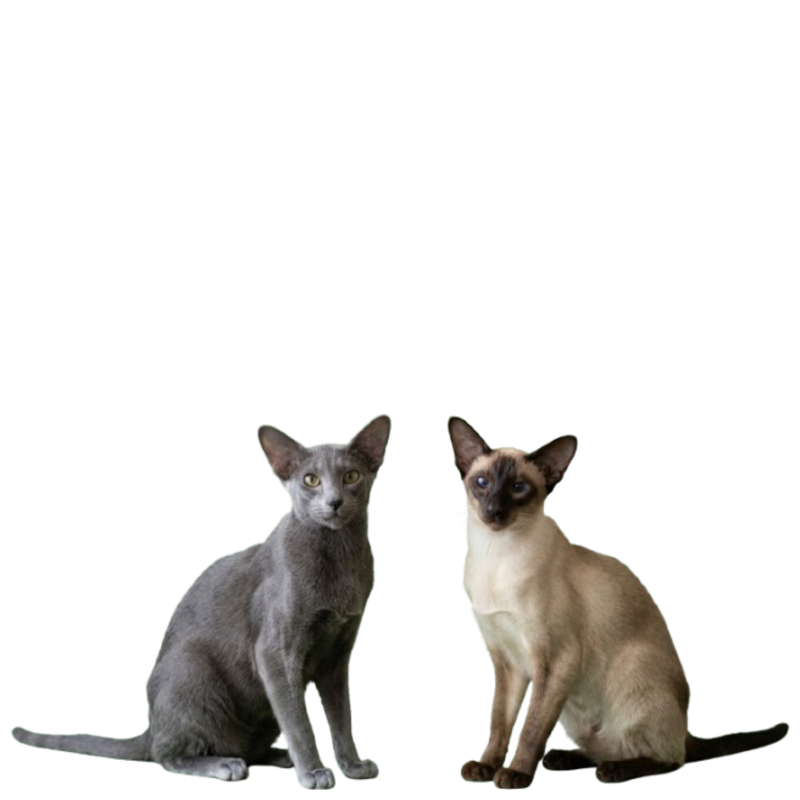
The structural composition of Oriental Shorthairs represents an extreme expression of elongate feline design, where skeletal extension and muscular sleekness converge into a highly synchronized, aerodynamic form. Every anatomical component—from the distal extremities to the cranial apex—emphasizes a linear continuum. This morphology relies on a delicate balance of prolonged bone development and dense, flat muscular layering that yields a lithe, athletic silhouette without signs of fragility. The overall framework is defined by precise geometric alignment, where the skeletal architecture dictates the outer topography with exceptional clarity.
Cranial Conformation and Facial Architecture
The cranial region of Oriental Shorthair exhibits a highly specialized, wedge‐shaped geometry. When viewed from the dorsal aspect, the skull forms a straight, unbroken line extending from the outer base of the pinnae down to a fine, tapering muzzle. This creates an optical alignment resembling a perfect triangle.
- Facial Profile: In lateral view, the dorsal plane of the cranium shows a continuous, flat line from the occiput to the rhinarium. There is no structural indentation at the nasal bridge and no pronounced supraorbital ridge.
- Mandibular Structure: The mandible is firm and well‐developed, closing in tight alignment with the maxilla to form a straight perpendicular plane with the anterior tip of the nose.
- Ocular Positioning: The globes are set flush within the orbital sockets, featuring an oblique, almond‐shaped aperture. The outer corners tilt upward toward the base of the ears, maintaining the geometric flow of the cranial wedge.
Pinna Orientation and Dimensions
The ears of Oriental Shorthairs are remarkably hypertrophied relative to the total surface area of the skull. They are striking anatomical markers that complete the periphery of the facial wedge.
- Basal Breadth: The pinna features an exceptionally wide base, anchoring deeply along the lateral margins of the cranium.
- Apex and Alignment: The ears taper to a fine point, continuing the straight lines of the muzzle upward without deviation. The lower margins of the pinnae are positioned low on the skull, sitting well below the superior line of the orbits.
Axial and Appendicular Skeletal Structure
The postcranial skeleton of Oriental Shorthair’s architecture emphasizes a elongated, tubular torso supported by disproportionately long, slender limbs.
Body Framework
The spinal column exhibits high intervertebral flexibility, allowing for fluid extension. The thoracic cage is narrow and compact, transitioning smoothly into a taut, tucked‐up abdominal cavity. This creates a uniform diameter across the torso, emphasizing a sleek, cylindrical shape.
Appendicular Anatomy
The limbs are highly elongated with fine bone density. The pelvic limbs are structurally longer than the thoracic limbs, creating a subtle, forward‐sloping pelvic inclination when the animal stands in a neutral position.
The relationship between the major limb segments can be represented through basic anatomical proportions. For instance, the ratio of the radial segment () to the humeral segment () can be expressed as:
Oriental Shorthair Radial to Humeral Proportion
- : Radial Segment, the length of the antebrachium (forearm) measured from the elbow to the carpus.
- : Humeral Segment, the length of the upper arm measured from the shoulder to the elbow.
- : Anatomical Proportion Ratio, the index representing the elongation of the lower forelimb relative to the upper forelimb, characteristic of the breed’s build.
A feline morphologist is evaluating the skeletal structure of an adult Oriental Shorthair to confirm breed standards. The researcher measures the humeral segment () at 10 centimeters and the radial segment () at 10.5 centimeters. By calculating the ratio of the radial segment to the humeral segment (), the result is exactly 1.05. This value matches the established anatomical proportion, confirming that the Oriental Shorthair’s forelimb architecture exhibits the expected distal elongation, which supports the breed’s characteristic leverage and agile movement profile.
This indicating a highly extended distal limb architecture optimized for leverage. The paws are compact, neatly rounded, and oval in shape, with long, distinct phalanges.
Caudal Vertebrae Structure
The tail is an ultra‐extended continuation of the sacral vertebrae. It features a very narrow base and tapers uniformly along its length to a sharp, fine point.
Pelage Texture and Integumentary Attachment
The dermal covering of Oriental Shorthair is exceptionally close‐lying, accentuating every muscular groove and skeletal protrusion underneath.
| Feature | Anatomical Characteristics |
|---|---|
| Coat Length | Extremely short, uniform across the entire torso and extremities. |
| Texture | Fine, silk‐like filaments with minimal undercoat development. |
| Density | High follicle concentration with flat, tight adherence to the dermis. |
| Integument | Taut, showing no excess tissue or dewlaps along the gular or abdominal regions. |
Summary of Morphological Appearance
The physical presence of Oriental Shorthairs is defined entirely by elongation, angular geometry, and extreme muscular definition. The body is a long, tight tube supported by fine, extended legs and anchored by a long, whip‐like tail. The striking triangular head, combined with massive, low‐set ears and slanted, almond‐shaped eyes, completes an unmistakable anatomical silhouette. This flat, ultra‐short coat serves as a minimalist covering that reveals the intricate, powerful muscular mechanics and elegant bone structure underneath.
behavior
Observing Oriental Shorthairs from a functional standpoint reveals a highly dynamic ethogram characterized by elevated kinetic output, complex auditory communication, and a strong reliance on social cohesion. Unlike more sedentary domestic felines, these animals display an extended wakefulness cycle dominated by intensive environmental mapping and interactive manipulation of their surroundings. Their behavioral matrix is heavily anchored in social facilitation, meaning the presence of companion animals or human counterparts directly stimulates and shapes their daily activity budgets. This systemic preference for continuous engagement manifests in distinct observable routines, varying from intricate tactile bonding rituals to highly focused, repetitive investigative patterns.
Vocalization Matrices and Acoustic Communication
Acoustic signaling in Oriental Shorthairs serves as a primary tool for environmental modification and social spacing. Their vocal repertoire is notable for its frequency, structural variation, and persistence.
- Phonation Frequency: These felines display a low threshold for vocal initiation, frequently utilizing acoustic emissions to solicit resources, signal transitions between behavioral states, or maintain contact with social partners.
- Acoustic Structural Diversity: The vocalizations span a wide decibel range and incorporate complex fundamental frequencies. These range from short, low‐amplitude trills during close‐range tactile interactions to sustained, high‐amplitude, nasalized meows used to bridge physical distance or express localized frustration.
- Antiphonal Exchanges: In multi‐cat environments or domestic settings, Oriental Shorthairs engage in prolonged, turn‐taking acoustic dialogues, demonstrating a strong tendency toward bidirectional vocal communication.
Social Dynamics and Affiliative Behaviors
The intra‐specific and inter‐specific social architecture of Oriental Shorthair’s behavior is remarkably cohesive, leaning heavily toward prosocial, group‐oriented mechanics.
Affiliative Tactile Interaction
A core component of the Oriental Shorthair ethogram is the high incidence of allorubbing and allogrooming. Physical contact is actively maintained through communal resting patterns, frequently referred to as “pillowing,” where multiple individuals aggregate into a single mass to optimize thermal regulation and reinforce social bonds.
Social Facilitation and Play Mechanics
Locomotor‐rotational play and object play are rarely solitary behaviors. The initiation of play by one individual rapidly triggers a mirrored response across the social group. The probability of an individual transitioning from a resting state () to an active play state () based on the number of already active group members () can be modeled as a functional probability:
Oriental Shorthair Social Play Transition Probability
- : The probability that an individual transitions from a resting state to an active play state.
- : Euler number, the mathematical base of natural logarithms used to describe the exponential nature of social contagion.
- : Social Facilitation Coefficient, a constant quantifying the inherent sensitivity of the individual to the playful behaviors of others.
- : Number of Active Group Members, the count of other individuals in the immediate vicinity already engaged in play.
An ethologist is observing a group of Oriental Shorthairs to understand how quickly play spreads through their social circle. The researcher identifies a social facilitation coefficient () of 0.3 for a specific cat. When 3 other cats begin to play (), the researcher calculates the probability of this cat joining in as . This equals , or , resulting in a transition probability of 0.593. This 59.3% probability illustrates that the Oriental Shorthair’s high social facilitation leads to a rapid adoption of activity, highlighting their interactive and highly gregarious nature within a group.
Environmental Exploration Strategies and Prey‐Drive Manifestation
The predatory motor patterns and investigative routines of Oriental Shorthairs reflect high spatial curiosity and intensive physical exertion.
- Vertical Stratification: When exploring novel terrain, these felines employ a vertical scanning strategy, systematically ascending to the highest accessible vantage points via rapid leaping sequences. Horizontal ground exploration is rarely static and is typically performed at a brisk, fluid pace.
- Object Manipulation: Fine‐motor coordination is highly evident during object play. Individuals frequently utilize their thoracic limbs to grasp, pull, and manipulate environmental elements, demonstrating advanced problem‐solving actions to access hidden food items or moving toys.
- Prey‐Capture Sequences: The foundational feline predatory matrix—comprising orientation, stalking, chasing, pouncing, and biting—is deployed with rapid, high‐velocity kinetic energy. The tracking and pursuit phase is frequently extended, demonstrating an elevated behavioral persistence through multiple failed capture cycles before habituation to the stimulus occurs.
Activity Budgets and Stereotypic Tendencies
Due to their elevated baseline arousal levels, the daily distribution of behaviors in Oriental Shorthairs differs substantially from the standard domestic feline baseline.
| Behavioral Category | Daily Time Allocation | Primary Functional Objective |
|---|---|---|
| Active Foraging & Exploration | 25% – 35% | Spatial mapping, object manipulation, predatory simulation. |
| Social Interaction & Grooming | 20% – 30% | Maintenance of group hierarchy, allorubbing, acoustic signaling. |
| Resting & Thermal Sleep | 40% – 50% | Metabolic recovery, communal nesting (“pillowing”). |
When environmental enrichment is insufficient to match their cognitive and kinetic demands, Oriental Shorthairs can develop distinct stereotypic behaviors. These most commonly manifest as psychogenic alopecia due to obsessive self‐grooming, persistent pacing along barrier boundaries, or repetitive vocal loops aimed at empty spaces.
Summary of Breed Behavior
In summary, the ethological profile of Oriental Shorthairs is defined by an energetic, highly communicative, and intensely cooperative lifestyle. Their behavioral architecture prioritizes complex acoustic exchanges, persistent physical interaction with social partners, and an unceasing drive to explore and manipulate the three‐dimensional layout of their territory. Whether tracking a target during a high‐speed chase, participating in group nesting rituals, or vocalizing to alter their environment, these animals maintain a high level of alertness. This active lifestyle requires continuous social and environmental stimulation to prevent the development of repetitive, stress‐induced displacement behaviors.
color
The phenotypic canvas of Oriental Shorthairs is characterized by an extensive array of intense coat pigmentations, displaying an unparalleled diversity within the domestic feline world. The outer coat acts as a direct visual map of microscopic biochemical distributions, where pigment granules are deposited along the hair shafts with varying density and uniformity. Because the undercoat is virtually nonexistent, the structural expression of these colors appears unusually clean and vivid. This lack of insulating undercoat prevents the visual washing out or blurring of patterns, allowing the precise concentrations of granules to be viewed directly against light refraction. The resulting spectrum stretches from uniform solid tones to intricate, high‐contrast arrangements where the spatial arrangement of pigment dictates the absolute design.
The Biochemical Base: Melanocyte Granule Expression
All observable pelage coloration across Oriental Shorthair’s lineages derives from the synthesis and distribution of two basic chemical compounds within the follicular melanocytes.
- Eumelanin Synthesis: This compound produces dark pigmentation, organizing into dense, light‐absorbing oval granules. High concentrations generate deep, rich tones, while structural changes or cellular spacing modify the visual output into lighter variations.
- Phaeomelanin Synthesis: This compound produces warm, red, and yellow pigmentation, developing into spherical granules that scatter light differently. The vividness of this expression is deeply influenced by the presence of polygenic rufism modifiers, which enhance the warmth and richness of the coat, pushing the phenotype toward deep brick or vibrant copper shades.
Solid Profiles and Light Refraction Mechanics
In solid‐colored individuals, the distribution of pigment granules must be absolutely uniform from the follicular root to the distal tip of every hair shaft. This uniform density suppresses any underlying banded appearance, though immature individuals may occasionally show faint vestigial patterns known as ghost markings before full follicular maturation.
The relationship between visual light absorption () and the microscopic density of pigment granules () within the cortical layer of the hair shaft can be conceptually modeled by the following exponential relationship:
Oriental Shorthair Coat Light Absorption
- : Light Absorption, the proportion of incident light absorbed by the hair shaft, resulting in a deeper and more saturated coat color.
- : Euler number, the base of natural logarithms used to model the exponential relationship between pigment density and light capture.
- : Scattering Constant, a value specific to the pigment granule type (such as eumelanin) that determines how the hair structure interacts with light.
- : Pigment Density, the concentration of melanin granules within the cortical layer of the hair shaft.
A breeder is studying the depth of color in a solid-colored Oriental Shorthair. The hair structure has a scattering constant () of 0.4, and the pigment density () in the hair shaft is measured at 5 units. By applying the formula , the calculation becomes . Given that is approximately 0.135, the resulting light absorption () is . This indicates that 86.5% of light hitting the hair is absorbed, confirming that the Oriental Shorthair’s coat achieves the dense, uniform, and saturated color typical of a high-quality solid coat.
represents a constant specific to the light‐scattering properties of the granule type. For dense, uniform solid pigmentations, a higher value of ensures near‐complete light absorption, minimizing surface reflection.
Typology of Phenotypic Classifications
The vast spectrum of visible shades in Oriental Shorthairs is organized into distinct categories based on granule spacing, distribution patterns, and localized heat sensitivity.
| Pigmentation Classification | Optical Characteristics | Microscopic Pigment Distribution |
|---|---|---|
| Dense Solids | Rich black, deep brown, and intense cinnamon shades. | Granules are highly packed, evenly distributed, and oval‐shaped. |
| Dilute Solids | Soft slate grey, muted lavender, and warm fawn. | Granules form small, irregular clusters, allowing more light to pass through. |
| Agouti Patterns | Concentric banding along individual hair shafts. | Alternating bands of dense eumelanin and phaeomelanin deposition. |
| Pointed Expressions | Thermal‐dependent pigment restriction on extremities. | Normal pigmentation at the cold extremities; restricted production on the warm torso. |
| Parti‐Color Distributions | Absence of pigment granules in localized patches. | Areas with normal melanocyte function alongside unpigmented white fields. |
Agouti Integration and Localized Silver Inhibitors
When the agouti pattern is expressed in Oriental Shorthairs, individual hairs undergo a rhythmic shifting of melanin synthesis during the growth phase. This results in distinct dark and light bands along a single shaft.
- Pattern Profiles: These banded hairs arrange themselves into precise, macro‐level designs across the torso, including classic swirls, parallel stripes, fine ticking, or broken spots.
- Silver and Smoke Effects: In silver and smoke variations, an inhibitor factor stops pigment production entirely during the early part of the hair cycle. This restricts all eumelanin or phaeomelanin to the upper portion of the shaft, leaving the base a clean, bright white that creates a shimmering visual effect whenever the coat moves.
Summary of Breed Coloration
The coloration of Oriental Shorthairs is a diverse system of dense solids, delicate dilutes, intricate agouti variations, and striking pointed expressions. The absence of a thick undercoat serves as a perfect clear window, magnifying the true depth of the chemical pigments underneath. From the velvety richness of their solid coats to the clean lines of their complex patterns, the visual identity of these cats relies entirely on the precise concentration, grouping, and continuous alignment of pigment granules along every single hair.
compatibility
Ease of Maintenance
Rating: 5/5
Child Friendly
Rating: 4/5
Annual Cost
Rating: 2/5
Lifetime Cost
Rating: 3/5
Adaptability
Rating: 4/5
Velcro Factor
Rating: 5/5
Quietude
Rating: 1/5
Apartment Suitability
Rating: 2/5
Hypoallergenic
Rating: 2/5
Handling Tolerance
Rating: 5/5
Hardiness/Longevity
Rating: 4/5
Prey Drive
Rating: 1/5
genetics
The biological blueprint of Oriental Shorthairs provides a fascinating look at how single‐gene mutations and complex polygenic systems interact within the domestic feline genome. Sitting on chromosomes grouped into homologous pairs, their DNA controls an array of biochemical path systems. By studying specific genomic regions, we can trace how key traits pass down from generation to generation. The breed is a valuable model for observing classic Mendelian inheritance alongside non‐Mendelian forces, such as incomplete dominance and multi‐gene modifiers. These elements work together to shape everything from cellular protein structures to systemic biological development, showing how selective pressures leave a clear stamp on the genome.
Primary Loci and Allelic Interactions
Several well‐mapped genomic regions control the foundational cellular traits within Oriental Shorthair’s lineages. These loci run on clear hierarchical rules, where dominant alleles mask the presence of recessive ones.
- The Black Locus (TYRP1): This gene codes for Tyrosinase‐related protein . The wild‐type allele () is fully dominant, while the mutated variations ( and ) act as recessive traits, changing how certain biological components form.
- The Dense Locus (MLPH): This region contains the Melanophilin gene, which manages intracellular transport. A recessive mutation () causes proteins to cluster irregularly, while the dominant wild‐type allele () ensures regular distribution.
- The Agouti Locus (ASIP): This gene produces the Agouti Signaling Protein. The dominant allele () enables normal cellular shifts during development, whereas the non‐agouti allele () is a recessive mutation that stops this shifting cycle entirely.
Non‐Mendelian Inheritance and Quantitative Variation
While single genes govern many foundational traits, Oriental Shorthairs also rely heavily on non‐Mendelian genetics, where genes alter, suppress, or enhance one another.
Incomplete Dominance Mutations
The White Locus (), linked to the KIT proto‐oncogene, reveals various levels of expression. The dominant white allele () completely masks all other traits. However, the white‐spotting allele () operates via incomplete dominance. Heterozygous individuals () show partial expression compared to homozygous () individuals.
Polygenetic Inheritance Matrices
Complex structural traits—such as skeletal extension and the elongation of cranial cartilage—do not follow simple inheritance rules. Instead, they depend on polygenetic inheritance, where small, additive changes across hundreds of individual genomic coordinates combine to produce a continuous range of physical variations.
Mendelian Segregation Models
To model the probability of inheriting two unlinked heterozygous traits within Oriental Shorthair populations, we can use a classic Mendelian dihybrid matrix. This equation calculates the expected distribution of traits among offspring:
Oriental Shorthair Dihybrid Trait Inheritance
- : The phenotypic ratio resulting from a single monohybrid cross, where 3 represents the dominant phenotype and 1 represents the recessive phenotype.
- : The exponent representing the independent assortment of two different gene loci, specifically the Dense and Agouti loci.
- : The resulting Mendelian ratio predicting the phenotypic distribution in the offspring generation, consisting of four distinct classes of trait combinations.
A breeder is planning a cross between two Oriental Shorthair parents that are both heterozygous for the dense coat () and the agouti pattern (). The Oriental Shorthair’s expected offspring will follow the 9:3:3:1 ratio. For a litter of 16 kittens, this statistical model predicts: 9 kittens will show both dominant traits (dense coat and agouti pattern), 3 kittens will show a dominant dense coat with a recessive non-agouti pattern, 3 kittens will show a recessive dilute coat with a dominant agouti pattern, and 1 kitten will show both recessive traits (dilute coat and non-agouti pattern). This Mendelian ratio allows the breeder to effectively manage genetic diversity and predict the appearance of offspring in the Oriental Shorthair line.
When mapping the combination of the Dense Locus () and the Agouti Locus (), the statistical distribution of genotypes among offspring follows a predictable pattern.
| Genomic Classification | Maternal Allele Combination | Paternal Allele Combination | Expected Offspring Genotype |
|---|---|---|---|
| Double Homozygous Dominant | DA | DA | DDAA |
| Dihybrid Heterozygous | da | DA | DdAa |
| Homozygous Recessive Dense | dA | dA | ddAA |
| Homozygous Recessive Agouti | Da | Da | DDaa |
| Double Homozygous Recessive | da | da | ddaa |
Epistatic Suppression Mechanisms
Epistasis is a key genetic mechanism in Oriental Shorthairs, where an allele at one locus completely blocks or rewrites the chemical instructions of a gene at an entirely separate locus.
- The Inhibitor Locus (): This dominant locus controls a specialized protein block that cuts off synthesis midway through cellular development. It overrides regular agouti signaling, meaning the dominant allele alters how the underlying and genes express themselves.
- The Tyrosinase Temperature‐Sensitive Mutation (): This allele introduces a heat‐sensitive mutation within the tyrosinase path. It restricts active protein synthesis to the cooler regions of the body, creating an epistatic profile that changes how the and loci behave based on local skin temperature.
Summary of Breed Genetics
The genomic landscape of Oriental Shorthairs is a finely tuned system of simple Mendelian traits, epistatic suppression paths, and complex polygenic networks. Key loci like TYRP1, MLPH, and ASIP manage foundational cell development through clear dominant and recessive rules. At the same time, incomplete dominance and temperature‐dependent alleles introduce unique variations into the system. Finally, the gradual, additive effects of polygenetic inheritance shape the underlying skeletal and structural framework of the breed, demonstrating how multi‐gene collaboration drives the overall biology of Oriental Shorthairs.
health
The clinical care of Oriental Shorthairs requires an understanding of specific organ‐system vulnerabilities and metabolic trends that define the breed. While these felines possess an agile systemic framework, their line histories introduce predispositions to clear cardiovascular, renal, and ocular pathologies. Managing these conditions relies on early screening and tracking physiological shifts before they cause tissue damage. By monitoring homeostatic parameters and structural organ changes, veterinary practitioners can design targeted interventions. This clinical map outlines the primary pathologies seen in Oriental Shorthairs, exploring the cellular and mechanical changes that drive disease progression.
Cardiovascular Anomalies and Left Ventricular Dynamics
Cardiovascular medicine in Oriental Shorthairs focuses heavily on tracking structural changes within the myocardium, specifically looking for signs of hypertrophic cardiomyopathy.
- Myocardial Hypertrophy: This pathology involves the progressive, asymmetrical thickening of the left ventricular free wall and interventricular septum. This structural change compromises diastolic filling capacity, leading to elevated left atrial pressures.
- Thromboembolic Risks: As the left atrium enlarges, blood flow becomes turbulent and slow. This stasis increases the risk of thrombus formation within the left atrial appendage, which can lead to a distal aortic thromboembolism.
- Clinical Screening Protocols: Regular echocardiographic assessments are necessary to monitor the internal dimensions of the heart. Echocardiography measures the ratio of the left atrial diameter () to the aortic root diameter (), where an abnormal ratio indicates a risk for heart failure:
Oriental Shorthair Left Atrial to Aortic Root Ratio
- : Left Atrial Diameter, the internal width of the left atrium of the heart, measured via echocardiography.
- : Aortic Root Diameter, the diameter of the aortic root measured at the same point in the cardiac cycle.
- : Diagnostic Threshold, the critical ratio value above which the structural enlargement suggests a significant risk of cardiac dysfunction or heart failure.
A veterinary cardiologist performs an echocardiogram on a 5-year-old Oriental Shorthair to screen for hypertrophic cardiomyopathy. The measurement of the left atrial diameter () is 18 millimeters, and the measurement of the aortic root diameter () is 10 millimeters. Dividing 18 by 10 gives a ratio of 1.8. Because 1.8 is greater than 1.5, the Oriental Shorthair’s ratio exceeds the threshold for normality. This result indicates an increased risk for heart failure and warrants immediate follow-up care and potential therapeutic intervention to manage the identified cardiac enlargement.
Systemic Amyloidosis and Renal Insufficiency
A significant metabolic vulnerability in Oriental Shorthairs is systemic amyloidosis, a protein‐folding disorder that targets the abdominal filtration organs.
Pathogenesis of Amyloid Deposition
This condition involves the abnormal deposition of insoluble amyloid fibrils within the extracellular matrix of organs, primarily targeting the liver and renal medullary structures. These non‐functional protein aggregations disrupt normal cellular architecture, leading to localized tissue necrosis.
Progression to Renal Failure
As amyloid fibrils replace healthy nephrons, the kidneys lose their ability to filter waste. This decline leads to chronic renal insufficiency, which can be tracked by rising levels of blood urea nitrogen and serum creatinine.
| Clinical Staging Parameter | Early Dysfunction | Advanced Pathological Failure |
|---|---|---|
| Glomerular Filtration Rate | Stable to slightly decreased | Severely reduced (>75% nephron loss) |
| Proteinuria Status | Intermittent microalbuminuria | Persistent, high‐molecular weight proteinuria |
| Urine Specific Gravity | Normal range (1.035–1.060) | Isosthenuria (1.008–1.012) |
Ocular Degeneration and Retinal Atrophy
The visual path of Oriental Shorthair populations can face challenges from a progressive, inherited eye condition that leads to blindness.
- Photoreceptor Degradation: Progressive retinal atrophy selectively targets the retinal neuroepithelium. The disease begins with dysplastic changes in the rod photoreceptors, which disrupts low‐light vision, before progressing to degrade the cone structures.
- Vascular Attenuation: As the photoreceptor layers thin, advanced ophthalmoscopic exams reveal a noticeable narrowing of the retinal arterioles, alongside hyperreflectivity across the tapetal fundus.
- Secondary Pathologies: The late stages of retinal degeneration often alter internal eye mechanics, which can cause secondary cortical cataracts or lens luxation due to the breakdown of supportive ciliary zonules.
Gastrointestinal and Hepatic Vulnerabilities
The digestive and hepatic systems of Oriental Shorthairs are prone to specific inflammatory conditions that require careful management.
- Inflammatory Bowel Disease: This syndrome involves the persistent infiltration of lymphocytes and plasma cells into the mucosal lamina propria of the small intestine. This chronic inflammation blunts the intestinal villi, causing malabsorption and a loss of systemic nutrients.
- Hepatic Amyloid Rupture: When amyloid deposition targets the liver rather than the kidneys, it causes marked organ enlargement and fragility. In severe cases, minor abdominal pressure can cause subcapsular hepatic hemorrhages or life‐threatening internal bleeding.
Summary of Breed Health
The clinical landscape of Oriental Shorthairs is shaped by clear cardiovascular, metabolic, and degenerative vulnerabilities. Hypertrophic cardiomyopathy and systemic amyloidosis are the most critical conditions, threatening heart function and renal filtration through structural tissue changes. Additionally, progressive retinal atrophy and chronic gastrointestinal inflammation present ongoing challenges to vision and nutrient absorption. Managing the health of Oriental Shorthairs relies on proactive veterinary screening, including regular echocardiograms, biochemical blood monitoring, and retinal checks, to catch and manage these conditions early.
longevity
Evaluating the life expectancy of Oriental Shorthairs requires a demographic look at population survival curves and the biological timing of natural senescence. From a biostatistical viewpoint, this population exhibits a distinct mortality distribution that reflects their active cellular metabolism and specific age‐related vulnerabilities. Actuarial data indicates that while many individuals live well into their second decade, the transition into old age brings noticeable shifts in physiological stability. By tracking survival rates across large groups, we can model how the risk of death changes over time. This guide explores the statistical realities of aging in Oriental Shorthairs, mapping out distinct life stages, analyzing the speed of cellular decline, and calculating the mathematical probabilities that define their lifespan.
Actuarial Life Expectancy and Mortality Distributions
Statistical modeling of Oriental Shorthair’s survival patterns reveals a life expectancy curve that aligns closely with other agile, light‐frame domestic felines.
- Median Lifespan: Cohort studies indicate a median life expectancy of – years, though exceptional individuals regularly reach upper age limits between – years under optimal conditions.
- Juvenile Mortality Trends: The survival curve features a low, stable infant and juvenile mortality rate, with the first significant statistical rise in death rates occurring after the first five years of life.
To evaluate these trends mathematically, the Siler Structural Aging Model can be applied. The baseline hazard rate or probability of mortality over time () is calculated using a simplified standard survival function:
Oriental Shorthair Survival Probability Model
- : Survival Probability, the statistical likelihood that a member of the population is still alive at time .
- : Euler number, the base of the natural logarithm used to describe the decay of a population over time.
- : Baseline Hazard Coefficient, a constant representing the intrinsic mortality risk for the breed, accounting for environmental and biological factors.
- : Time, the age of the cat in years.
A researcher studying the Oriental Shorthair population assigns a baseline hazard coefficient () of 0.05 to model the survival probability of the breed. For an individual cat at age 10 (), the calculation for is , which simplifies to . Calculating this exponential decay yields approximately 0.606. This result indicates that there is a 60.6% probability of a member of this population surviving to age 10, providing a mathematical baseline for understanding the Oriental Shorthair’s life expectancy and the age-related progression of their mortality curve.
Within this formula, represents the constant baseline hazard coefficient for the breed, tracking how the likelihood of survival drops as time advances.
Chronological Progression of Aging Stages
The population transitions through a linear chronological aging continuum as time advances, mapping specific age ranges to distinct demographic classifications. Each phase is accompanied by a shifting probability of functional decline and rising baseline mortality risks:
- Mature Adult Stage (– Years): The entry point into the aging continuum, where baseline mortality risks remain statically flat and initial signs of slowing metabolic rates emerge.
- Senior Transition Phase (– Years): The initial inflection point where the survival curve begins to trend upward and early signs of cellular aging become evident.
- Geriatric Phase (– Years): The period marked by an exponential acceleration in mortality rates and visible drops in organ reserve capacities.
- Advanced Senescence (+ Years): The final developmental bracket, representing the ultimate resilient edge of the population's survival curve where high baseline vulnerability is countered only by individual physiological robustness.
Dynamics of Senescence and Intrinsic Survival Curves
The progression of aging—or senescence—in Oriental Shorthairs involves a gradual, synchronized breakdown of cellular maintenance paths.
- Metabolic Aging Speed: These cats maintain a high baseline metabolic output during their early years. This sustained activity can lead to oxidative stress over time, accelerating the onset of senior traits once they pass the mid‐point of their typical lifespan.
- Organ Reserve Capacity: As individuals move through the senior transition, their internal systems experience a linear decline in reserve efficiency. This structural loss reduces their ability to bounce back from environmental or metabolic stressors, causing minor imbalances to have a larger impact on survival metrics.
- Late‐Stage Survival Plateaus: For the subset of the population that survives past years, the mortality acceleration rate often levels off. This indicates that these long‐lived individuals possess a naturally robust internal balance that shields them from rapid cellular breakdown.
Summary of Breed Longevity
Biostatistical analysis places the typical lifespan of Oriental Shorthairs within a reliable range of – years, with highly resilient individuals pushing past years. Their survival curve shows a stable adult phase followed by an accelerating upward trend in mortality during the geriatric transition. This transition is marked by a gradual drop in metabolic efficiency and a diminishing return in cellular repair capacity. By mapping out these distinct actuarial brackets and understanding the math behind their aging patterns, we gain a clear, data‐driven picture of the lifespan trajectory that defines Oriental Shorthairs.
maintenance
Optimizing the husbandry standards for Oriental Shorthairs requires balancing their high metabolic expenditure with specialized environmental controls. Because their physiological design limits natural thermal insulation, their surroundings must be managed to prevent systemic cold stress. Similarly, their elevated daily kinetic activity demands a precise nutritional matrix that prevents lean muscle mass depletion while supporting continuous cellular repair. Effective care depends on a three‐part management framework that targets metabolic feeding, dermatological hygiene, and advanced spatial complexity. By systematically implementing these prescriptive protocols, caretakers can maintain optimal homeostasis and satisfy the distinct biological needs of the breed.
Nutritional Bioengineering and Energetic Calculations
Managing the dietary profile of Oriental Shorthairs centers on fulfilling an elevated metabolic demand without inducing gastrointestinal stress or sudden glucose spikes.
- Macronutrient Ratios: The baseline diet must prioritize highly digestible animal proteins and refined lipids, maintaining a minimal carbohydrate profile to support an efficient metabolic path.
- Moisture Delivery: Meeting daily hygroscopic needs is critical to support ideal renal dilution. This is best achieved by utilizing high‐moisture wet food rotations or low‐nitrate automated circulation systems to encourage active hydration.
To establish the exact caloric intake required to maintain optimal physical condition, the baseline Resting Energy Requirement (RER) must be determined first. This can be calculated using the standard metabolic mass formula:
Oriental Shorthair Resting Energy Requirement Calculation
- : Resting Energy Requirement, the total energy in kilocalories required by the cat at rest to maintain essential biological processes.
- : Species Metabolic Coefficient, a constant representing the baseline metabolic activity for domestic cats.
- : Body Mass, the current weight of the cat measured in kilograms.
- : Allometric Scaling Exponent, a factor accounting for how metabolic needs change in relation to body size.
A owner of a 4-kilogram Oriental Shorthair wants to calculate the daily energy baseline for their cat. First, the weight is raised to the power of 0.75 (), which equals approximately 2.83. Multiplying this by the metabolic coefficient of 70 () results in an of 198.1. This figure of 198.1 kilocalories per day represents the energy the Oriental Shorthair’s system requires for basic physiological maintenance, serving as the necessary foundation for managing their dietary profile and meeting their elevated metabolic demands.
Where represents the body mass of the individual in kilograms. Given the high energy expenditure of Oriental Shorthairs, the total Maintenance Energy Requirement (MER) is calculated by applying a specific metabolic multiplier () to the initial value:
Oriental Shorthair Maintenance Energy Requirement Calculation
- : Maintenance Energy Requirement, the total daily kilocalories necessary to support the cat’s physical condition and daily activity.
- : Metabolic Multiplier, a scaling factor representing the cat’s activity level, which for this breed typically falls between 1.2 and 1.4 to account for their high kinetic output.
- : Resting Energy Requirement, the daily baseline energy in kilocalories required by the cat at rest to maintain basic physiological functions.
To determine the total daily caloric intake for a Oriental Shorthair with a calculated Resting Energy Requirement () of 200 kilocalories, an owner uses a metabolic multiplier () of 1.3 to reflect the cat’s active lifestyle. Applying the formula , the resulting maintenance energy requirement is 260 kilocalories per day. This calculation ensures the Oriental Shorthair’s elevated metabolic demands are fully satisfied, supporting both their energetic nature and optimal physical condition.
For active, altered adults within this population, the multiplier typically ranges between – to account for their sustained kinetic output.
Macro‐Nutritional Delivery Schedules
Dietary delivery must be structured to prevent prolonged fasting windows, helping to stabilize blood sugar levels and maintain constant core body heat.
| Feeding Interval | Dietary Form Matrix | Primary Physiological Objective |
|---|---|---|
| Morning Session | High‐moisture protein wet formula | Replenish systemic hydration and deliver bioavailable amino acids. |
| Midday Session | Puzzle‐dispersed nutrient kibble | Stimulate foraging instincts and support natural jaw mechanical exercise. |
| Evening Session | Specialized lipid and protein formula | Deliver long‐term energy reserves to maintain normal body temperature overnight. |
Dermatological Care and Prophylaxis Protocols
The short coat of Oriental Shorthairs reduces standard brushing demands but increases the need for targeted skin, ear, and oral care to prevent local bacterial overgrowth.
- Sebum Production Balance: Because the fine coat cannot absorb normal skin secretions, sebum production levels can build up along the skin surface and nail beds. Weekly friction grooming using a soft chamois cloth or rubber mitt is necessary to distribute these oils evenly.
- Otic Hygiene Management: The large surface area of the pinnae makes them prone to accumulating environmental debris and excess wax. Regular cleaning using an alcohol‐free, drying ceruminolytic solution helps maintain a clear external ear canal.
- Periodontal Prophylaxis: Active oral care is vital to prevent early bacterial plaque buildup. A preventative routine requires a combination of daily manual brushing with enzyme‐based pastes and regular dental assessments by a professional.
Thermal Controls and Spatial Enrichment Standards
Creating an ideal habitat for Oriental Shorthairs involves managing ambient microclimates while providing options for horizontal and vertical movement.
- Ambient Thermal Controls: Due to their minimal undercoat, these cats are highly sensitive to shifts in surrounding air temperature. Ambient living zones should be maintained within a stable range of –°C. Additionally, introducing localized microzones—such as dedicated radiant warming pads or insulated nesting boxes—allows for independent thermal regulation.
- Vertical Environmental Design: High‐elevation infrastructure is a vital component of structural enrichment. The room layout should feature multi‐tiered climbing columns and secure wall platforms that allow individuals to complete full kinetic sequences safely.
- Sensory and Foraging Novelty: To keep these felines mentally engaged, the living space should incorporate tactile foraging toys, scent‐trail maps, and visual observation vantage points overlooking active outdoor areas.
Summary of Breed Maintenance
The proper husbandry of Oriental Shorthairs depends on a deliberate combination of calorie‐dense nutrition, consistent skin hygiene, and a well‐regulated living environment. Meeting their needs requires calculating specific energy ratios based on the standard formula to fuel their active metabolisms, while maintaining ambient temperatures between –°C to compensate for their lack of an insulating undercoat. Additionally, providing structural climbing zones, managing localized sebum levels, and maintaining strict oral care helps prevent chronic health issues. This comprehensive husbandry approach ensures that the unique physical and physiological needs of Oriental Shorthairs are met consistently.
measurements
| Measurement | Female | Male | ||
|---|---|---|---|---|
| Metric | Imperial | Metric | Imperial | |
height | 20 – 25 centimeters | 8 – 10 inches | 23 – 28 centimeters | 9 – 11 inches |
length | 35 – 43 centimeters | 14 – 17 inches | 41 – 48 centimeters | 16 – 19 inches |
weight | 2.3 – 3.6 kilograms | 5 – 8 pounds | 3.2 – 5 kilograms | 7 – 11 pounds |
• Height: Refers to the measurement at the withers (shoulders).
• Length: Measured from the tip of the nose to the base of the tail.
origin
Tracing the historical lineage of Oriental Shorthairs requires an examination of how natural landrace groups and intense, human‐guided selection interact over time. The structural foundation of this group does not stem from a modern, localized mutation; instead, it is deeply rooted in ancient, regional populations that thrived for centuries under specific environmental pressures. When these native populations moved along major trade routes, they experienced a profound shift from natural geographic isolation to focused, artificial breeding programs. This evolutionary journey showcases how changing human cultural preferences can completely restructure a historic gene pool, transforming a regionally isolated branch into a highly specialized global lineage.
Ancestral Clades and Geographic Isolation
The deepest roots of the Oriental Shorthair lineage lie within the historical landrace populations of Southeast Asia, specifically centered in the cross‐river basins of the historic kingdom of Siam.
- Native Landrace Foundations: For centuries, these felines developed within a specific geographic pocket, resulting in a distinct regional group. Historical texts, such as the Tamra Maew or Cat‐Book Poems, document these indigenous populations long before western classification systems emerged.
- Phylogenetic Divergence: This ancestral group shared a common genetic lineage with other local regional populations. Their initial separation from the broader Asian feline pool was driven by natural geography, which allowed distinct physical and physiological traits to stabilize within the regional ecosystem.
Migratory Pathways and Global Dispersion
The transition from a localized landrace to an international lineage began in the late nineteenth century, driven by expanding colonial trade networks and maritime transport.
- The Western Shift: The first major movement out of the native habitat occurred when individual cats were brought to the British Isles. These early imports served as the foundational stock for western breeding efforts, breaking the long‐standing geographic isolation of the original gene pool.
- Mid‐Century Cross‐Continental Migration: Following initial stabilization in Europe, representatives of this extended lineage were exported to North American centers. This migration created a secondary geographic hub, which expanded the total breeding population and protected the lineage from localized population crashes during major historical disruptions.
Chronological Timeline of Lineage Development
The transformation of this ancestral stock into the modern recognized form followed a multi‐stage chronological progression, marked by shifting breeding strategies.
| Historical Era | Developmental Phase | Primary Anthropogenic Event |
|---|---|---|
| Pre–1800s | Indigenous Landrace Isolation | Natural development and cultural documentation within the Siamese territory. |
| 1880s–1920s | Initial Western Exportation | Transport of foundational stock to Europe; early display in formal exhibition settings. |
| 1940s–1950s | Outcrossing and Reconstruction | Focused post‐war breeding programs incorporating diverse shorthaired lineages to rebuild the gene pool. |
| 1970s | Formal Institutional Recognition | Stabilization of the modern type and official acceptance by international registration bodies. |
Anthropogenic Selection and Lineage Modeling
In the post‒World War II era, breeders faced the challenge of a severely depleted ancestral stock. To save and expand the lineage, breeders implemented strategic outcrossing programs, pairing residual ancestral lines with diverse domestic shorthaired populations.
The reduction of ancestral genetic influence over generations of outcrossing can be modeled using a basic generational decay function. The proportion of the original ancestral lineage () remaining in the offspring after generations of backcrossing can be expressed mathematically:
Oriental Shorthair Ancestral Lineage Retention
- : Lineage Proportion, the fraction of the original ancestral genetic material remaining in an individual after a specific number of generations of outcrossing.
- : Dilution Factor, representing the halving of ancestral genetic contribution with each successive generation of outcrossing to a different population.
- : Number of Generations, the count of sequential outcrosses performed since the initial breeding stage.
A breeder is calculating the genetic impact of outcrossing their Oriental Shorthair line over several generations. If the breeder performs 3 generations of outcrossing (), the remaining proportion of the original ancestral lineage is calculated as , which equals or 0.125. This means that after 3 generations, 12.5% of the original ancestral genetic material remains. This model allows the breeder to quantify how much of the Oriental Shorthair’s foundational heritage is preserved while they work to introduce new traits or vigor through outcrossing.
Through continuous backcrossing to the foundational type, breeders successfully fixed key ancestral structural traits while expanding the overall size and vigor of the population. This intense selection pressure effectively shifted the group away from its historic baseline, establishing a new, highly specialized branch on the feline family tree.
Summary of Breed Origins
The story of Oriental Shorthairs represents a clear shift from an ancient, naturally isolated Southeast Asian landrace to a modern, human‐guided lineage. Their historical timeline began with centuries of geographic isolation in Siam, followed by western exportation in the late nineteenth century and critical post‐war outcrossing programs. By applying steady breeding selection across generations, historians and breeders successfully preserved the core ancestral branch while building a stable, internationally recognized population. This long journey demonstrates how natural adaptation and human selection work together to write the history of Oriental Shorthairs.
temperament
The dispositional profile of Oriental Shorthairs is characterized by an intense psychological nature that highlights the deep connection between nervous system arousal and social motivation. From a psychobiological perspective, these felines exhibit a highly responsive emotional baseline, which creates a sharp sensitivity to internal and external stimuli. Rather than showing the typical independent or low‐arousal traits seen in many domestic cats, this population is defined by high sociability and a strong need for continuous mental engagement. Their core psychological makeup is anchored in a low threshold for emotional reactivity, making them exceptionally responsive to changes in their psychological climate. This technical profile explores the stable, underlying traits that form the distinct disposition of Oriental Shorthairs, mapping out how their sensory awareness and social needs shape their overall worldview.
Sensory Thresholds and Novelty Processing
The psychological orientation of Oriental Shorthairs toward their environment is driven by a highly sensitive sensory processing system, which directly influences their daily stress and curiosity levels.
- Elevated Stimulus Sensitivity: These felines possess low sensory thresholds, meaning they register subtle variations in sound, motion, and environmental layout much faster than less reactive breeds. This sensitivity keeps them in a state of high awareness, where they are constantly evaluating their surroundings.
- Low Environmental Neophobia: Despite their high reactivity, Oriental Shorthairs show very little fear of new environments or objects. Their underlying disposition leans heavily toward exploration rather than avoidance, prompting them to approach unfamiliar elements with active curiosity rather than defensive retreat.
- Persistent Need for Cognitive Engagement: The breed possesses an inherent drive for mental stimulation. Without sufficient psychological challenges, their baseline mental focus can turn inward, leading to frustration or a state of chronic hyper‐vigilance.
Social Motivation and Attachment Dynamics
The most prominent aspect of Oriental Shorthair’s temperament is an extreme, baseline need for social connection, which sets them apart from more solitary feline profiles.
Gregariousness and Group Orientation
These cats display an open, highly gregarious disposition that thrives on continuous company. They are psychologically unsuited for long periods of isolation, showing a distinct preference for shared spaces where they can remain part of an active group.
Attachment Profiles and Inter‐Species Sociability
Their attachment style with human caretakers is exceptionally close and demanding. This intense bond is characterized by a strong desire for constant proximity, indicating a psychological need for continuous validation and social feedback from their attachment figures.
To model this intense social drive, we can quantify an individual’s baseline Social Proximity Index (). This index represents the psychological urge to maintain close proximity to a social partner as an inverse function of physical distance ():
Oriental Shorthair Social Proximity Index
- : Social Proximity Index, a measure of the total psychological drive an individual has to seek closeness with their human partner.
- : Internal Sociability Coefficient, a value representing the strength of the cat’s inherent temperament and need for social connection.
- : Physical Distance, the spatial gap between the cat and its social partner.
- : Stabilizing Parameter, a small value included to prevent the formula from reaching infinity when physical distance is zero, representing the comfort of immediate contact.
A behavioral scientist is assessing the attachment intensity of a Oriental Shorthair. By setting the sociability coefficient () to 2.5 and the stabilizing parameter () to 0.25, the scientist calculates the total social drive. Solving the integral of from 0 to infinity yields a total Social Proximity Index () of 7.85. This value represents the total psychological pull the cat feels toward its companion. The result indicates a high degree of attachment, confirming that the Oriental Shorthair’s temperament is strongly oriented toward maintaining close social proximity, which explains their need for constant interaction.
Within this framework, represents the internal sociability coefficient inherent to the Oriental Shorthair temperament, while serves as a tiny stabilizing parameter for immediate physical contact. A higher value reflects their continuous, underlying pull toward social closeness.
Emotional Reactivity and Affective Spectrums
The emotional foundation of Oriental Shorthairs is highly dynamic, moving between states of intense focus and rapid emotional expression.
| Temperament Axis | Dispositional Position | Psychobiological Manifestation |
|---|---|---|
| Intra‐Species Sociability | High Affinity | Strong preference for living in groups; readily accepts other companion animals into their social circle. |
| Frustration Tolerance | Low Threshold | Highly expressive when access to desired social or environmental rewards is blocked. |
| Affective Intensity | High Reactivity | Displays strong, visible emotional shifts in response to minor changes in routine or attention. |
| Adaptability Score | Elastic Resilience | Rapidly adjusts to new human social structures, provided their attachment needs are met. |
Stability of the Affective Profile
While individual experiences shape specific actions, the underlying psychological nature of Oriental Shorthairs remains remarkably consistent across their adult lives.
- Sustained Juvenile Traits: Oriental Shorthairs maintain a youthful, highly curious outlook well into their senior years. This persistence of juvenile mental traits keeps them highly engaged with their world long after other breeds transition into more sedentary lifestyles.
- Stress Vulnerabilities: Because their nervous systems operate at a high baseline of arousal, their psychological balance is easily disrupted by social neglect or cold emotional environments. Prolonged lack of social contact directly challenges their emotional stability, making consistent companionship a fundamental requirement for their mental well‐being.
Summary of Breed Temperament
The temperament of Oriental Shorthairs is an intense mix of high social motivation, low sensory thresholds, and remarkable emotional responsiveness. Their psychological nature is defined by a deep, constant need for companionship and an exploratory drive that overrides any fear of new surroundings. Whether forming deep bonds with human caretakers or maintaining close connections within a feline group, these cats require a rich, highly interactive social environment to satisfy their high baseline arousal. Understanding this sensitive, group‐oriented mindset is essential for recognizing the distinct psychological nature that defines Oriental Shorthairs.