Oriental Longhair Cat
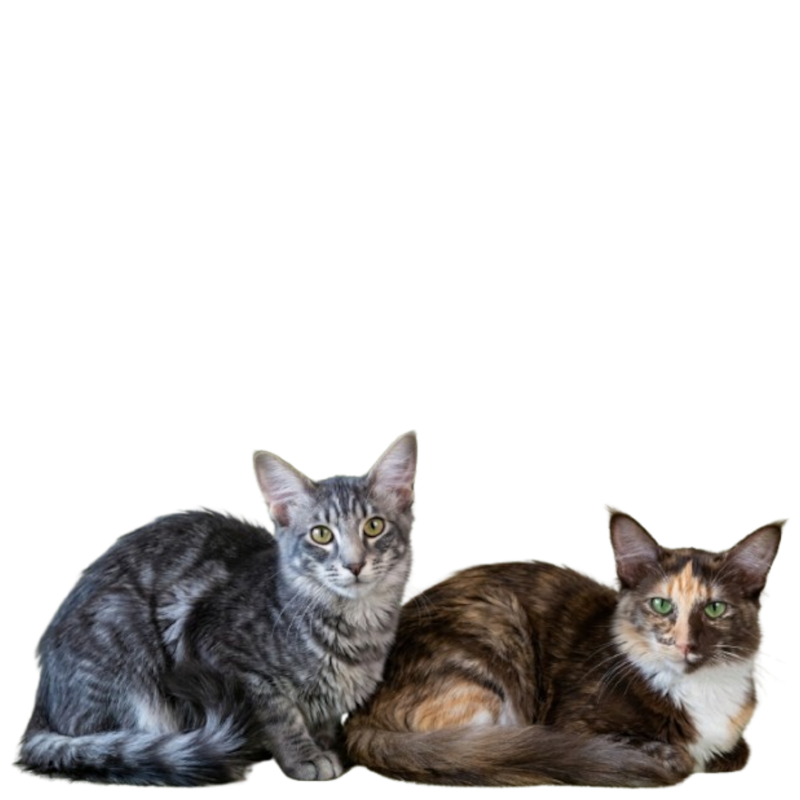
appearance
The Oriental Longhair presents a striking study in feline structural refinement, characterized by an architectural elegance that emphasizes sleek, elongated lines and an athletic, tubular frame. This breed exemplifies a harmonious integration of soft, flowing contours with a lithe, robust skeletal structure, creating an aesthetic that is simultaneously delicate and powerful. Every aspect of their physical design—from the precise geometry of the cranium to the graceful, tapered silhouette of the tail—functions to produce an image of extreme grace and functional efficiency.
Skeletal Conformation and Muscular Architecture
The structural essence of Oriental Longhair cats revolves around extreme elongation and a refined, dense muscular structure. Their skeletal frame is built for agility and fluid movement, with long, slender limbs that support a supple, tubular torso.
| Component | Morphological Description |
|---|---|
| Torso | Highly tubular, elongated frame with significant muscular tone. |
| Appendages | Proportionately long limbs with dense, fine-boned structure. |
| Feet | Small, oval-shaped paws contributing to a dainty overall profile. |
| Tail | Exceptionally long, tapering from base to tip, resembling a plume. |
The musculature in these cats is tight and lithe—never bulky—allowing for the distinct, sweeping curves observed along the spine and ribcage. Their skeletal alignment ensures a graceful carriage, often characterized by a high-stepping gait that highlights their refined physical stature.
Cranial and Facial Geometry
The head of the Oriental Longhair is defined by a strict adherence to triangular forms, where the lines from the nose to the tips of the ears create a near-perfect equilateral structure. This cranial conformation is further emphasized by the positioning of the facial features, which are balanced to maintain the sleek, wedge-shaped aesthetic.
- Cranial Shape: A long, tapering wedge that begins at the nose and widens gradually toward the ears.
- Profile: Typically exhibits a long, straight line from the top of the skull to the tip of the nose, devoid of significant structural breaks.
- Pinna Orientation: Large, wide-based, and set to continue the lines of the wedge, contributing to an alert and expressive countenance.
- Ocular Structure: Almond-shaped eyes, positioned at a slight angle toward the nose, enhancing the feline-like intensity of their gaze.
Integumentary Characteristics
While the skeletal structure provides the form, the integumentary system of the Oriental Longhair offers a unique textural dimension. Their coat is characterized by a specific length and density that deviates significantly from shorter-coated counterparts, yet it maintains a close-fitting relationship with the underlying body frame.
Coat Texture and Distribution
The fur is fine and silky, lacking the dense undercoat found in many other long-haired breeds. This allows the coat to lay flat against the body, ensuring that the structural lines—the so-called "extreme" elongation—remain visible beneath the hair. The distribution of the hair is longest at the caudal region, specifically forming a distinct plume on the tail, while the hair along the body remains smoother and more refined.
Summary of Breed Appearance
The Oriental Longhair is a masterpiece of feline morphology, defined by its exceptionally lithe, tubular physique and a refined, wedge-shaped cranium. Their physical form is characterized by an elegant, elongated skeletal structure that is perfectly complemented by a fine, silky coat, which highlights rather than conceals their graceful, muscular anatomy. From the sweeping, elegant tail to the precise triangular geometry of their head, these cats represent a singular, highly stylized approach to feline physical design, emphasizing fluidity, length, and structural harmony.
behavior
The Oriental Longhair demonstrates a high degree of complexity in its behavioral repertoire, marked by active engagement with the environment and a strong propensity for social interaction. Their ethogram is characterized by frequent investigative cycles and a sophisticated system of vocal signaling, which serves as a primary tool for facilitating communication. By analyzing their routine actions through an ethological lens, we can observe how these felines integrate tactile and auditory feedback into their daily routines, maintaining high levels of vigilance and responsiveness to internal and external stimuli.
Social Dynamics and Vocalization Patterns
Social behavior in Oriental Longhairs is highly interactive, often involving active seeking of proximity to social partners. Their communication strategy relies heavily on vocal output, which exhibits high variability in frequency and pitch depending on the context of the social encounter.
| Behavioral Category | Function | Observation Frequency |
|---|---|---|
| Vocal Signaling | Communicating intent or seeking attention | High |
| Social Proximity | Establishing group cohesion | Moderate–High |
| Tactile Contact | Reinforcing social bonds | Moderate |
When considering social interaction probabilities, we can model the likelihood of initiation based on activity states. Let represent the probability of interaction initiation, where denotes the arousal level and denotes the social stimulus intensity:
Oriental Longhair Social Interaction Initiation Probability
- : Probability of Interaction Initiation, representing the likelihood that the cat will seek out a social partner at a given moment.
- : Internal Drive Constant, a coefficient quantifying the Oriental Longhair’s intrinsic biological motivation to engage with their surroundings.
- : Arousal Level, the physiological state of the cat, where higher excitement increases the likelihood of social action.
- : Social Stimulus Sensitivity, a coefficient that weights how strongly the cat reacts to external social cues or companions.
- : Social Stimulus Intensity, the strength of the social pull or cue present in the environment, such as the presence or proximity of a favored companion.
A researcher observes a Oriental Longhair with an internal drive constant () of 0.4 and a social stimulus sensitivity () of 0.3. The cat is currently in a state of high arousal () after hearing a human voice in the next room, which serves as a moderate social stimulus (). By applying the formula , the researcher calculates , resulting in an interaction initiation probability () of 0.57. This 57% probability demonstrates that the Oriental Longhair is highly likely to vocalize and move toward the source of the sound to satisfy its strong social requirements.
In this model, and serve as constants reflecting the internal drive of Oriental Longhairs to engage with surroundings and conspecifics or human companions.
Environmental Exploration and Prey‐Drive Manifestation
The daily activity cycles of Oriental Longhairs are driven by a persistent need for environmental exploration. This is not merely passive observation but rather an active hunting of information within their domain.
- Vigilance Cycles: Oriental Longhair’s pattern of monitoring the environment is characterized by quick, scanning movements of the head and pinnae, indicating a high level of sensory integration.
- Prey‐Drive Expression: This is manifested through stalking behaviors, which include stealthy approach movements, low‐profile positioning, and sudden bursts of kinetic energy during play sequences.
- Tactile Investigation: The use of the paws to manipulate objects allows these felines to gather information about the texture, density, and movement potential of their environment.
Activity Cycles and Stereotypic Behaviors
Oriental Longhairs exhibit pronounced rhythms in their daily activity, often alternating between intense bursts of movement and periods of social rest. When environmental enrichment is insufficient, their highly active nature may lead to the development of stereotypic behaviors—repetitive, unvarying sequences of actions that serve as an outlet for high arousal. To maintain optimal behavioral health, these felines require consistent outlets for their investigative and predatory instincts to prevent the manifestation of these redundant patterns.
Summary of Breed Behavior
The behavioral profile of the Oriental Longhair is defined by intense social engagement and a high capacity for environmental investigation. Their ethogram shows a distinct preference for vocal and tactile communication, coupled with a persistent prey‐drive that influences their movement patterns. By balancing their need for active exploration with opportunities for social bonding, these felines effectively navigate their environment, demonstrating a high degree of behavioral flexibility and responsiveness to social stimuli.
color
Pigmentation Profiles of the Oriental Longhair
The coloration of the Oriental Longhair is a sophisticated display of biochemical expression, where the distribution of pigment granules creates a vast spectrum of visual depth. This breed serves as a canvas for the interplay between two primary pigment types, with varying densities and patterns across the coat providing a diverse range of aesthetic presentations. Understanding their pigmentation requires an examination of how melanocytes deposit color during development, resulting in the rich, vibrant hues that define the breed’s characteristic look without relying on structural markers.
Biochemical Basis of Pigmentation
At the core of Oriental Longhair’s coloration is the balance between eumelanin—which produces darker, more saturated tones—and phaeomelanin, which is responsible for the warmer, earthier hues. The density and organization of these pigment granules within the hair shaft determine the final perceived color.
| Pigment Type | Visual Outcome | Concentration Effect |
|---|---|---|
| Eumelanin | Darker tones, including black and variants | High density creates intense saturation |
| Phaeomelanin | Warmer tones, including red and cream | Lower density results in softer, golden hues |
The interaction of these pigments can be modeled by the concentration index (), where represents eumelanin volume and represents phaeomelanin volume:
Oriental Longhair Pigment Concentration Index
- : Concentration Index, a quantitative measure of total pigment density within the hair shaft, which determines the overall depth of the coat color.
- : Eumelanin Volume, the total amount of dark, cool-toned pigment particles present, contributing to color saturation.
- : Phaeomelanin Volume, the total amount of warm, reddish or golden pigment particles present, providing the base warmth of the coat.
A feline geneticist is analyzing the coat of a Oriental Longhair to assess its color intensity. The cat displays a eumelanin volume () of 12 units and a phaeomelanin volume () of 8 units. By applying the formula , the resulting concentration index () is 20. This total index of 20 indicates a high level of overall pigment density, contributing to a rich, deeply saturated coat color. By tracking this value across different lineages, breeders can better understand how to maintain or refine the specific color profile and contrast that define the Oriental Longhair’s distinct appearance.
Variations in this index dictate the saturation level of the coat, allowing for subtle gradients or stark color contrasts across the body.
Pigment Distribution and Patterning
The manifestation of color in Oriental Longhairs is further influenced by how pigments are distributed throughout the individual hair strands. This leads to the appearance of various patterns and shadings that define the breed’s visual diversity.
- Uniform Deposition: A consistent concentration of pigment across the entirety of the coat, resulting in solid coloration.
- Agouti Signaling: The alternating deposition of pigments along a single hair shaft, which produces banded color effects often associated with tabby patterns.
- Ghost Markings: Faint, residual patterning that can appear in solid-colored individuals when pigment distribution is not entirely uniform due to minor variations in melanocyte activity.
- Rufism: The influence of phaeomelanin on warm-toned colors, which can deepen the intensity of reds and browns, providing a distinct, glowing quality to the coat.
Summary of Breed Coloration
The Oriental Longhair exhibits an expansive palette characterized by the controlled distribution of eumelanin and phaeomelanin. Whether through solid, intense coloration or the complex layering of banded hairs, the pigments in Oriental Longhair’s coat are balanced to create high contrast and saturation. Ultimately, the Oriental Longhair’s color profile is defined by this intricate manipulation of light absorption and pigment density, yielding a vast array of unique and visually striking coat hues.
compatibility
Ease of Maintenance
Rating: 3/5
Child Friendly
Rating: 4/5
Annual Cost
Rating: 2/5
Lifetime Cost
Rating: 3/5
Adaptability
Rating: 3/5
Velcro Factor
Rating: 5/5
Quietude
Rating: 1/5
Apartment Suitability
Rating: 2/5
Hypoallergenic
Rating: 2/5
Handling Tolerance
Rating: 5/5
Hardiness/Longevity
Rating: 4/5
Prey Drive
Rating: 1/5
genetics
The genetic makeup of the Oriental Longhair represents a complex interaction of foundational loci and modifiers that define its unique biological signature. By examining the inheritance patterns and the interplay between various alleles, we gain insight into the mechanisms that underpin the development of the Oriental Longhair’s distinct characteristics. This genomic overview highlights the core components of their hereditary profile, focusing on the transmission of traits and the structural arrangement of the feline genome as it relates to this specific lineage.
Inheritance Patterns and Genomic Architecture
At the molecular level, the Oriental Longhair operates within a framework dictated by Mendelian inheritance and more intricate polygenetic systems. The transmission of specific alleles often follows autosomal patterns, though the expression of certain traits can be influenced by incomplete dominance or complex interactions between multiple loci.
| Inheritance Type | Mechanism | Impact on Oriental Longhair |
|---|---|---|
| Autosomal Dominant | Single allele expression | Primary driver of dominant structural traits |
| Polygenetic Inheritance | Cumulative effect of multiple genes | Refinement of complex physiological features |
| Incomplete Dominance | Dosage‐dependent expression | Variability in trait manifestation |
To model the probability of trait inheritance in the Oriental Longhair, we can utilize a Hardy–Weinberg equilibrium approach, where and represent the frequency of dominant and recessive alleles respectively, such that . This equation allows geneticists to estimate the distribution of specific alleles within Oriental Longhairs populations over time.
Loci and Allelic Interactions
The genomic profile of Oriental Longhairs is largely defined by the presence and interaction of specific loci. These sites on the chromosome act as the instructions for development, and the specific alleles present at these positions determine the structural trajectory of the Oriental Longhair.
- Locus Interaction: Many traits within the Oriental Longhair are the result of epistatic interactions, where one gene interferes with or modifies the expression of another at a separate locus.
- Genotypic Variability: The Oriental Longhair maintains a degree of genetic diversity that allows for the maintenance of breed‐specific standards while avoiding the deleterious effects of inbreeding depression.
- Mutation and Selection: Evolutionary pressure and artificial selection have shaped the frequency of certain alleles within the Oriental Longhair, leading to the fixation of traits that are considered characteristic of the lineage.
Summary of Oriental Longhair Genetics
The genetic framework of the Oriental Longhair is a multifaceted system characterized by a reliance on precise allelic combinations and the cumulative influence of polygenetic factors. By understanding how these genes interact at the locus level and follow established patterns of inheritance, we can better appreciate the biological precision that defines the Oriental Longhair’s genomic identity. This study of their underlying genetic architecture confirms that the Oriental Longhair is the product of both rigorous selection and the fundamental principles of feline genomics.
health
The Oriental Longhair presents specific clinical considerations that warrant proactive veterinary monitoring. As with many highly refined breeds, Oriental Longhairs may exhibit physiological predispositions that influence their long‐term health outcomes. By maintaining an awareness of these potential vulnerabilities, clinicians can implement targeted diagnostic strategies to identify and manage conditions early in their development, thereby optimizing the physiological resilience of the Oriental Longhair.
Cardiac and Renal Pathophysiology
Cardiac health is a primary focus when evaluating Oriental Longhairs, as they share common clinical predispositions with related lineage groups. Hypertrophic cardiomyopathy (HCM) represents the most significant cardiac concern, characterized by the thickening of the left ventricular myocardium, which can lead to impaired diastolic filling and subsequent heart failure.
| Condition | Clinical Manifestation | Diagnostic Priority |
|---|---|---|
| Hypertrophic Cardiomyopathy | Left ventricular wall thickening | Echocardiographic assessment |
| Renal Insufficiency | Compromised filtration capacity | Biochemical screening |
| Amyloidosis | Abnormal protein deposition | Specialized tissue pathology |
In addition to cardiac concerns, Oriental Longhairs may face challenges related to renal function. The development of renal insufficiency can be monitored through the assessment of serum creatinine and blood urea nitrogen levels. To evaluate the relationship between cardiac output (), stroke volume (), and heart rate (), we utilize the standard physiological ratio:
Oriental Longhair Cardiac Output Physiology
- : Cardiac Output, the volume of blood the heart pumps through the circulatory system in one minute.
- : Stroke Volume, the amount of blood pumped out of the left ventricle of the heart during a single contraction.
- : Heart Rate, the frequency of heart contractions measured in beats per unit of time.
A veterinarian is assessing the cardiovascular efficiency of an adult Oriental Longhair to screen for potential hypertrophic cardiomyopathy. The cat has a measured stroke volume () of 5 milliliters per beat and a resting heart rate () of 150 beats per minute. Using the formula , the calculated cardiac output () is 750 milliliters per minute. If subsequent screenings show a significant decline in this value despite a normal heart rate, it may indicate impaired diastolic filling or weakened myocardial function, allowing the veterinarian to intervene early and monitor the Oriental Longhair’s heart health more closely.
Deviations in this ratio often serve as early indicators of cardiac dysfunction in the Oriental Longhair.
Metabolic and Systemic Vulnerabilities
Beyond cardiac and renal health, Oriental Longhairs may be susceptible to systemic conditions that impact metabolic function. The following areas require careful observation to maintain optimal wellness:
- Amyloidosis: This condition involves the accumulation of insoluble protein fibrils in various organs, most notably the liver and kidneys, which can disrupt normal physiological function.
- Gastrointestinal Sensitivity: Some Oriental Longhairs demonstrate an increased sensitivity to dietary factors, which may manifest as chronic digestive disturbances or inflammation.
- Endocrine Stability: Monitoring for metabolic imbalances is essential, as subtle variations in hormonal regulation can influence systemic homeostasis.
Summary of Oriental Longhair Health
The health landscape for the Oriental Longhair is defined by a reliance on consistent clinical vigilance, particularly regarding cardiac and renal function. By addressing the potential for hypertrophic cardiomyopathy and the risks associated with systemic protein deposition, veterinary professionals can support the overall well‐being of Oriental Longhairs. A proactive approach to diagnostics, coupled with an understanding of these clinical predispositions, remains the most effective strategy for managing the health of the Oriental Longhair throughout their life cycle.
longevity
The study of senescence in the Oriental Longhair offers valuable insights into the biological trajectory and life expectancy patterns characteristic of this lineage. By analyzing survival curves and the statistical progression of aging, we can better understand the temporal variables that influence the Oriental Longhair’s life span. This analysis utilizes demographic data to map the transition through distinct geriatric stages, providing a clear picture of the factors that modulate the rate of aging and the overall longevity of Oriental Longhairs.
Statistical Life Stages and Aging Modifiers
The progression through life stages for Oriental Longhairs follows a predictable, though variable, biological path. Senescence is not a uniform process, and the rate at which Oriental Longhairs navigate these stages can be influenced by extrinsic and intrinsic factors that shift the mortality rate over time.
| Life Stage | Age Range (Years) | Physiological Context |
|---|---|---|
| Maturity | 2–7 | Peak physiological function |
| Mature Adult | 7–11 | Onset of progressive cellular decline |
| Senior | 11–15 | Accelerated accumulation of senescent markers |
| Geriatric | 15+ | Late‐stage transition and reduced physiological reserve |
To estimate the survival probability at a given time , we can apply the Gompertz–Makeham law of mortality, which models the force of mortality :
Oriental Longhair Force of Mortality Model
- : Force of Mortality, the instantaneous risk of death for the cat at a specific age .
- : Age-Independent Mortality, a constant representing the baseline risk of death from external factors like accidents or sudden illness that does not change with age.
- : Baseline Age-Dependent Mortality, the initial coefficient representing the starting level of mortality risk attributable to biological aging.
- : Exponential Aging Factor, where is the mathematical base of the natural logarithm, is the rate at which aging accelerates mortality, and is the age of the cat.
A researcher assessing the longevity of a Oriental Longhair population sets the age-independent mortality () at 0.001, the baseline age-dependent mortality () at 0.005, and the aging acceleration rate () at 0.15. For an individual cat at age 10 (), the calculation for is . Solving the exponent gives , which is approximately 4.48. Multiplying this by 0.005 results in 0.0224, and adding the baseline gives a total force of mortality of 0.0234. This value provides a scientific estimate of the risk of mortality at this specific age, assisting in understanding the Oriental Longhair’s life expectancy and transition into geriatric care.
In this model, represents age‐independent mortality, while and represent the baseline and exponential increase of age‐dependent mortality, respectively.
Factors Influencing Senescence Rates
While the Oriental Longhair adheres to general feline aging patterns, several variables modulate the slope of their survival curves. Understanding these influences is critical for interpreting the statistical data regarding Oriental Longhair’s life expectancy.
- Environmental Stability: Consistent environmental factors significantly stabilize the rate of senescence by reducing stochastic mortality events.
- Physiological Reserve: The capacity of Oriental Longhairs to maintain homeostasis under stress directly correlates with their ability to reach advanced geriatric stages.
- Senescence Thresholds: The point at which cumulative cellular decline results in a notable increase in mortality risk, defining the upper limits of the Oriental Longhair’s expected life span.
Summary of Oriental Longhair Longevity
The longevity of the Oriental Longhair is defined by a statistically observable trajectory of aging, moving from mature adulthood through a distinct senior and geriatric transition. By utilizing survival modeling and examining the factors that influence senescence, it is clear that the Oriental Longhair’s life span is a result of complex interactions between intrinsic biological limits and environmental variables. Ultimately, the Oriental Longhair exhibits a pattern of aging that reflects the standard feline model while remaining subject to the specific demographic trends observed within their population.
maintenance
Optimizing the care of the Oriental Longhair necessitates a structured approach that addresses their specific nutritional requirements, integumentary care, and environmental stimulation needs. By aligning husbandry practices with the physiological demands of Oriental Longhairs, caregivers can ensure the maintenance of metabolic stability and overall well‐being. This guide outlines the essential protocols required to facilitate an environment that supports the biological and functional needs of the Oriental Longhair.
Nutritional Demands and Energy Management
The Oriental Longhair requires a precision‐based approach to feeding, anchored in the calculation of their Resting Energy Requirement (RER). This calculation is vital to prevent metabolic imbalance and ensures that Oriental Longhairs receive adequate caloric intake based on their specific weight ( in kg).
Oriental Longhair Resting Energy Requirement Calculation
- : Resting Energy Requirement, the amount of energy in kilocalories required by the cat at rest to maintain basic physiological functions.
- : Species Metabolic Coefficient, a constant derived from the average metabolic rate of domestic cats.
- : Body Weight, the weight of the cat measured in kilograms.
- : Allometric Scaling Exponent, a factor used to account for the non-linear relationship between body size and energy metabolism.
An owner of a 4-kilogram Oriental Longhair wants to calculate the daily energy baseline for their cat. First, the weight is raised to the power of 0.75 (), which equals approximately 2.83. Multiplying this value by the metabolic coefficient of 70 () results in an of 198.1. This figure of 198.1 kilocalories per day represents the amount of energy the Oriental Longhair’s system needs for essential bodily processes, providing a foundation for determining the total daily caloric intake when considering the cat’s specific activity level and lifestage.
This base value serves as a foundation, which is then adjusted by a factor reflecting the activity level and lifestage of the Oriental Longhair.
| Feeding Component | Recommendation | Frequency |
|---|---|---|
| Caloric Intake | RER multiplied by appropriate lifestage factor | Divided into 2–3 daily sessions |
| Hydration | Constant access to filtered, fresh water | Ad libitum |
| Nutrient Balance | High‐quality proteins with moderate lipid levels | Daily consistency |
Grooming and Integumentary Maintenance
Because of the unique texture of their coat, Oriental Longhairs demand regular grooming to assist with natural sebum distribution and to prevent the development of mats. Their lack of a dense undercoat simplifies this process, yet their grooming needs remain consistent to ensure integumentary health.
- Follicular Care: Routine brushing is essential to manage shed follicles and support optimal skin health.
- Periodontal Prophylaxis: Regular oral care is necessary, as felines often require assistance in maintaining dental hygiene to prevent the accumulation of plaque.
- Tactile Stimulation: Grooming sessions also serve as a form of non‐stressful interaction that allows for regular physical inspection of the skin and coat.
Environmental Enrichment Standards
The Oriental Longhair thrives in environments that provide consistent opportunities for both physical and cognitive engagement. Environmental enrichment must be treated as a requirement rather than a supplementary activity, focusing on strategies that encourage natural investigative patterns.
- Vertical Space Utilization: Providing varied elevations allows the Oriental Longhair to engage in natural surveillance and locomotion patterns.
- Cognitive Challenges: Integrating puzzle feeders or interactive toys stimulates the investigative drive of Oriental Longhairs and prevents the stagnation of activity cycles.
- Hygroscopic Needs: Maintaining consistent humidity levels within the environment is beneficial for both skin health and respiratory comfort, ensuring that the ambient conditions are optimized for the Oriental Longhair.
Summary of Oriental Longhair Maintenance
The maintenance of the Oriental Longhair is a multifaceted discipline requiring attention to metabolic precision, consistent grooming, and structured environmental engagement. By adhering to the calculated energy requirements, implementing a robust periodontal and follicular care routine, and providing a dynamic living space, caregivers can effectively satisfy the needs of Oriental Longhairs. A disciplined, analytical approach to these requirements ensures that the Oriental Longhair remains in an optimal state, reflecting a high standard of professional‐grade feline husbandry.
measurements
| Measurement | Female | Male | ||
|---|---|---|---|---|
| Metric | Imperial | Metric | Imperial | |
height | 23 – 28 centimeters | 9 – 11 inches | 25 – 30 centimeters | 10 – 12 inches |
length | 40 – 46 centimeters | 16 – 18 inches | 45 – 51 centimeters | 18 – 20 inches |
weight | 2.7 – 4.5 kilograms | 6 – 10 pounds | 4 – 6.4 kilograms | 9 – 14 pounds |
• Height: Refers to the measurement at the withers (shoulders).
• Length: Measured from the tip of the nose to the base of the tail.
origin
The history of the Oriental Longhair is a multifaceted study in anthropogenic selection and the deliberate refinement of ancestral clades to produce a distinct lineage. Emerging from long‐standing landrace populations associated with specific geographical locales, the development of Oriental Longhairs represents a conscious effort to isolate and propagate specific phenotypic traits through generations of focused breeding. By examining the migratory routes of their ancestors and the subsequent timeline of their formal recognition, we can trace the path of the Oriental Longhair from regional domestic populations to the structured pedigree that characterizes the Oriental Longhair today.
Chronological Development and Geographical Context
The establishment of Oriental Longhairs involves a transition from diverse, localized populations to a standardized lineage. This process relied on the geographical isolation of specific groups, which were then subjected to intensive anthropogenic selection pressures.
| Developmental Stage | Period | Context |
|---|---|---|
| Foundation | Pre–1900 | Existence as localized landrace populations |
| Preliminary Selection | 1900–1950 | Early efforts to isolate ancestral clades |
| Formalization | 1950–1990 | Structured breeding programs and lineage establishment |
| Refinement | 1990–Present | Global distribution and standardization |
The phylogenetic divergence of Oriental Longhairs from their more generalized ancestors can be modeled to estimate the timing of these isolation events. If represents the time since divergence and represents the rate of migratory influence, the divergence can be represented as:
Oriental Longhair Divergence Timing Estimation
- : Time since divergence, the number of years or generations that have passed since the Oriental Longhair lineage split from its ancestral group.
- : Cumulative Genetic and Phenotypic Changes, the net amount of evolutionary distance or measurable variation accumulated within the breed since isolation.
- : Rate of Migratory Influence, the frequency or strength of gene flow between the isolated group and the ancestral population, which acts to slow the divergence process.
A researcher is determining the time since the initial isolation of the Oriental Longhair line. They measure a cumulative divergence () of 0.15, representing the sum of observed genetic and physical traits unique to the breed. The rate of migratory influence () from the ancestral population into the breed group is calculated at 0.005 per year. By applying the formula , the result is . This indicates that the Oriental Longhair’s lineage has been isolated and developing independently for approximately 30 years, providing a clear timeline for the establishment of the breed’s distinct characteristics within its geographical context.
Where signifies the cumulative genetic and phenotypic changes accumulated during the establishment of the Oriental Longhair.
Migratory Routes and Ancestral Lineages
The Oriental Longhair’s history is intrinsically linked to the movement of human populations and the subsequent exchange of domestic feline stock. The ancestral populations associated with the Oriental Longhair were likely part of larger, regional clades that spread through established trade routes.
- Regional Foundation: Initial populations were rooted in specific environments where natural selection favored certain physiological adaptations before human intervention.
- Anthropogenic Influence: Humans facilitated the movement of these feline populations across continents, creating opportunities for cross‐breeding and the subsequent selection of desired traits.
- Lineage Consolidation: Through careful management, these fragmented regional populations were synthesized into the cohesive lineage recognized today, marking the transition from a landrace to a formalized breed.
Summary of Oriental Longhair Origin
The origin of the Oriental Longhair is defined by the intentional synthesis of regional ancestral clades into a singular, structured lineage. Through the processes of geographical isolation, migratory movement, and rigorous anthropogenic selection, Oriental Longhairs have evolved from their diverse, landrace roots into a distinct and specialized feline group. Their history is a testament to the influence of human guidance on feline development, resulting in the established pedigree that continues to exist within the modern landscape of domestic feline populations.
temperament
The Oriental Longhair displays a sophisticated psychological architecture defined by high levels of emotional engagement and a robust capacity for social interaction. Their temperament is characterized by an intrinsic drive to connect with their environment and social partners, manifesting as a persistent state of alertness and responsiveness. By evaluating these felines through the prism of psychobiology, we can discern a stable yet dynamic personality profile that emphasizes gregariousness and a marked sensitivity to external stimuli, which collectively shape the Oriental Longhair’s unique dispositional landscape.
Emotional Reactivity and Social Engagement
The Oriental Longhair is distinguished by a temperament that leans heavily toward high emotional reactivity and a strong need for social stimulation. Their psychological makeup includes a low threshold for social isolation and a high inclination for gregariousness, making them consistently responsive to the presence of conspecifics and human partners.
| Trait Category | Dispositional Focus | Intensity Level |
|---|---|---|
| Gregariousness | Social bonding and inclusion | High |
| Emotional Reactivity | Responsiveness to environmental change | Elevated |
| Sensory Threshold | Sensitivity to external stimuli | Low to Moderate |
We can model the Oriental Longhair’s emotional stability () as a function of environmental complexity () and social interaction frequency (), represented by the following relationship:
Oriental Longhair Emotional Stability Estimation
- : Emotional Stability, a numerical representation of the cat’s psychological balance and contentment.
- : Innate Sensitivity Coefficient, a constant specific to the individual cat that dictates how strongly it responds to environmental and social inputs.
- : Environmental Complexity, a measure of the diversity of stimuli, such as vertical climbing spaces, interactive puzzles, and visual access to the outdoors.
- : Social Interaction Frequency, a measure of the amount of time the cat spends in active, positive engagement with humans or other feline companions.
An owner of a Oriental Longhair wants to ensure their cat maintains high emotional stability. The cat has an innate sensitivity coefficient () of 0.5. By providing an enriched environment with a complexity score () of 10 and ensuring daily social interaction () of 6 hours, the owner can calculate the cat’s emotional stability as . This calculation results in an emotional stability index () of 8.0. This score reflects a high level of psychological well-being, demonstrating how the Oriental Longhair’s high sensitivity is successfully met through the combined stimulation of a complex home environment and consistent social engagement.
In this formula, serves as a coefficient representing the individual’s innate sensitivity, indicating that the Oriental Longhair requires a balanced input of both complexity and interaction to maintain an optimal psychological state.
Cognitive Disposition and Neophobia Thresholds
The Oriental Longhair possesses a cognitive style that favors active investigation and proactive engagement with new experiences. Their level of environmental neophobia is typically low, suggesting a personality that finds novelty rewarding rather than stress‐inducing.
- Environmental Openness: A tendency to approach unfamiliar settings with confidence and curiosity rather than apprehension.
- Social Drive: An inherent need to be integrated within the social structure of their environment, minimizing the potential for detachment.
- Sensory Processing: A highly tuned capability for interpreting environmental cues, which allows these felines to remain acutely aware of their surroundings.
Summary of Oriental Longhair Temperament
The temperament of the Oriental Longhair is defined by an energetic, gregarious, and highly responsive nature. They possess a psychological profile that prioritizes social cohesion and proactive exploration, underpinned by an emotional sensitivity that facilitates strong, consistent bonding. By maintaining a temperament that is naturally inquisitive and resistant to neophobia, Oriental Longhairs demonstrate a robust and engaging personality, marked by an enduring commitment to their social sphere and a resilient approach to the world around them.