Munchkin Longhair Cat
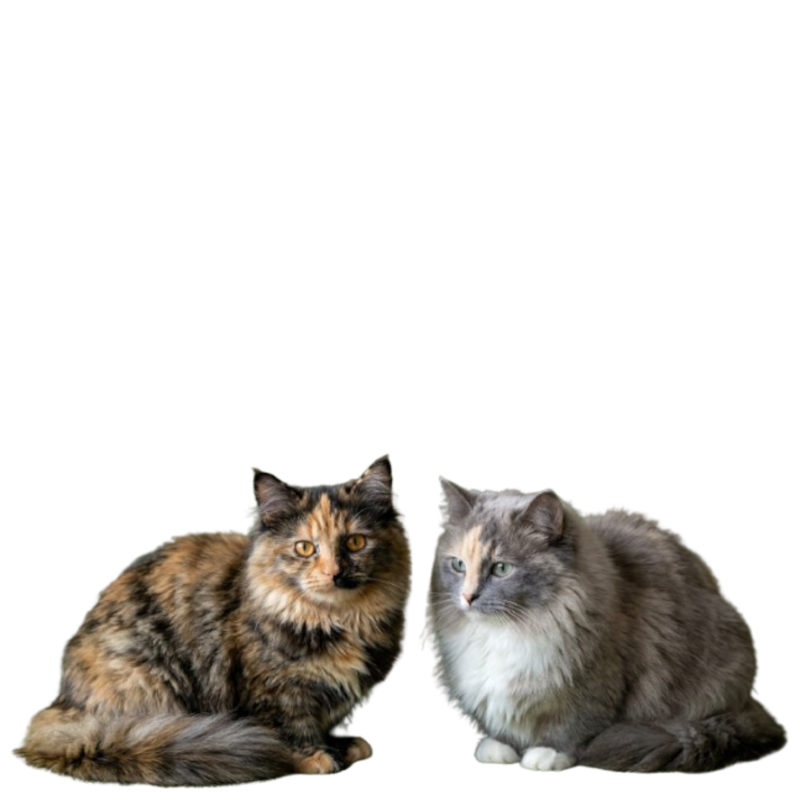
appearance
The Munchkin Longhair presents a unique study in feline skeletal modification, characterized primarily by significant chondrodysplastic shortening of the appendicular skeleton. Unlike other feline varieties where the limbs maintain a specific ratio to the axial trunk, the Munchkin Longhair exhibits a substantial reduction in the length of the humerus and femur. This anatomical divergence does not, however, compromise the overall muscular hypertrophy or the feline’s inherent capacity for fluid locomotion. The structural integrity of the Munchkin Longhairs rests upon a robust torso and a specialized cranial conformation that balances the low‐slung center of gravity dictated by their limb architecture.
Cranial and Facial Conformation
The cranial structure of the Munchkin Longhair follows a modified wedge contour with rounded transitions. The skeletal alignment of the zygomatic arches provides a moderate breadth to the face, tapering toward a firm but not exaggerated muzzle.
| Feature | Anatomical Description |
|---|---|
| Cranial Shape | A modified wedge with smooth, rounded contours and a slight stop at the nasal bridge. |
| Pinna Orientation | Medium‐sized ears, broader at the base with slightly rounded tips, positioned to continue the wedge line of the head. |
| Ocular Symmetry | Large, walnut‐shaped orbits placed with a slight bias toward the outer canthus. |
| Muzzle & Chin | Well‐defined muzzle with a firm chin that aligns vertically with the nose. |
Skeletal Alignment and Appendicular Structure
The most distinctive physical marker of the Munchkin Longhair is the disproportionate length of the long bones. The ratio of limb length to body depth follows a unique geometric profile:
Munchkin Longhair Skeletal Proportion Ratio
- : Skeletal Proportion Index, the numerical value representing the relationship between the limb length and the axial skeleton.
- : Humerus Length, the measurement of the proximal long bone in the forelimb, which is the primary site of truncation in the Munchkin Longhair.
- : Vertebral Segment Length, the measurement of a corresponding section of the spinal column used as a baseline for standard feline body proportions.
- : Phenotypic Constant, the typical ratio observed in the Munchkin Longhair, which is roughly half that of a standard-legged domestic cat.
An orthopedic specialist measures a Munchkin Longhair to assess its structural development. The cat has a thoracic vertebral segment () of 10 centimeters. Applying the phenotypic constant of 0.5, the expected length for the humerus () is 5 centimeters. Upon physical measurement, the bone is found to be exactly 5.1 centimeters, resulting in a limb ratio of 0.51. This result confirms that the cat’s skeletal development perfectly matches the breed’s characteristic low-slung morphology while maintaining the necessary leverage for its unique gait.
While the humerus and femur are significantly shortened, the distal elements—the radius/ulna and tibia/fibula—remain relatively functional in their articulation. The scapular placement remains standard, though the decreased elevation of the thoracic cavity creates a distinct subterranean gait.
Axial Skeleton and Trunk
The Munchkin Longhair’s torso is characterized by a thick, semi‐foreign build. The spinal column maintains a slight rise from the scapulae to the pelvic girdle, as the pelvic limbs are frequently slightly longer than the thoracic limbs. The rib cage is rounded, supporting substantial muscular attachment for the pectoral and pelvic muscle groups.
Coat Texture and Integumentary Features
The Munchkin Longhair possesses a semi‐long integumentary covering that is notable for its density and tactile quality.
- Guard Hairs: These are medium‐fine and provide a lustrous finish to the outer layer.
- Undercoat: A moderate woolly undercoat provides insulation without creating excessive bulk.
- Caudal Vertebrae Structure: The tail is typically equal to the body length, tapering toward a rounded tip and adorned with a full plume of hair.
- Ruff and Breeches: There is a discernible increase in coat length around the cervical region and the posterior aspect of the pelvic limbs.
Summary of Appearance
The Munchkin Longhair is a medium‐sized feline defined by a low‐slung profile and substantial bone density. The structural essence of the Munchkin Longhairs lies in the contrast between their powerful, elongated trunk and the significantly shortened appendicular skeleton. Every aspect of their form—from the rounded cranial wedge to the plumed caudal structure—conveys a sense of compact strength and fluid, terrestrial agility.
behavior
The behavioral repertoire of the Munchkin Longhair is defined by a high degree of adaptability and a unique mechanical approach to environmental exploration. While their primary locomotive drive remains consistent with other domestic felines, Munchkin Longhairs exhibit a distinct modification in their vertical exploration strategies, often favoring lateral movement and complex tactile communication over high‐elevation perching. This functional shift is not a reduction in activity but rather a specialization in terrestrial navigation and social facilitation, leading to a highly engaged interaction with their immediate spatial surroundings.
Environmental Exploration and Locomotion
The Munchkin Longhair utilizes a low‐center‐of‐gravity approach to spatial mapping. Their prey‐drive manifestation often involves high‐speed terrestrial bursts and tight cornering maneuvers that differ from the leaping mechanics of longer‐limbed varieties.
| Action Category | Ethological Observation |
|---|---|
| Vertical Access | Utilizes a series of intermediate steps or scaling motions rather than single vertical leaps to reach elevated surfaces. |
| Rabbit‐Hopping | A locomotive variant characterized by a rhythmic, simultaneous movement of the pelvic limbs during high‐arousal play. |
| The Magpie Pose | A stereotypic behavioral posture where the Munchkin Longhair sits upright on the hindquarters to expand the visual field for environmental scanning. |
| Object Manipulation | High frequency of tactile paw usage to investigate and move small objects within the proximal environment. |
Social Dynamics and Communication
Social facilitation in Munchkin Longhairs is marked by a significant emphasis on allogrooming and proximity‐seeking behaviors. Their tactile communication is robust, often involving leaning or rubbing against conspecifics to maintain group cohesion.
Vocalization and Auditory Signaling
Munchkin Longhairs maintain a moderate vocal range, typically used for direct social signaling. This includes:
- Trilling: Used during social greeting or to initiate social facilitation with a primary caregiver or conspecific.
- Chirp-Muttering: Specifically observed during prey‐drive manifestation when visual contact is made with unreachable stimuli.
Probability of Social Interaction
The likelihood of a positive social encounter () between two individuals can be modeled as a function of environmental familiarity () and previous social reinforcement ():
Munchkin Longhair Probability of Social Interaction
- : Social Interaction Probability, the calculated likelihood that a Munchkin Longhair will initiate or respond positively to a social encounter with another individual.
- : Environmental Familiarity, a value ranging from 0 to 1 representing the cat’s comfort level and security within its current physical surroundings.
- : Social Reinforcement, a value ranging from 0 to 1 based on the frequency and quality of previous positive interactions with the specific social partner.
- : Averaging Constant, a divisor used to normalize the sum of the two primary behavioral drivers into a single probability score.
A behaviorist evaluates a Munchkin Longhair meeting a new feline housemate in a room where the cat has lived for years. The environmental familiarity () is high at 0.9. However, because the cats are just beginning to bond, the social reinforcement () is relatively low at 0.3. By adding these values () and dividing by 2, the researcher finds a social interaction probability () of 0.6. This result suggests a 60% chance of a positive encounter, indicating that while the Munchkin Longhair’s confidence in its territory is strong, further positive reinforcement is needed to maximize social cohesion.
Activity Cycles and Behavioral Rhythms
The Munchkin Longhair’s activity cycle is polyphasic, with distinct peaks of high‐intensity play followed by prolonged periods of rest. During active phases, they exhibit a concentrated focus on environmental exploration strategies, often systematically patrolling the perimeter of their territory.
- Crepuscular Peaks: Heightened activity levels typically occur during dawn and dusk, consistent with ancestral feline hunting rhythms.
- Interactive Play: A strong preference for communal play activities, showing a high response rate to social stimuli that mimic prey movement.
Summary of Breed Behavior
The Munchkin Longhair displays a behavioral profile characterized by terrestrial agility and a highly socialized ethogram. Their unique physical form has fostered a specialized set of movements—such as the magpie pose for scanning and a scaling method for vertical navigation—without dampening their fundamental predatory instincts or social engagement. The Munchkin Longhairs remain active, curious navigators who prioritize social proximity and interactive play within their domestic environment.
color
The visual identity of the Munchkin Longhair is a complex tapestry of biochemical interactions within the integumentary system. Because Munchkin Longhairs possess a semi‐longcoat, the way pigment granules are distributed along the hair shaft significantly influences the perceived depth and vibrance of their coat. This longhair phenotype allows for a greater surface area for light refraction, which can soften the appearance of dense eumelanin or highlight the rich warmth of phaeomelanin. Whether the coat presents as a solid wash of color or a multifaceted pattern, the underlying mechanics of melanocyte migration during development ensure that every individual demonstrates a unique chromatic profile.
The Biochemical Basis of Coloration
In Munchkin Longhairs, all visible hues are derived from two primary types of melanin. The concentration and arrangement of these pigment granules within the medullary and cortical layers of the hair determine the final visual output.
| Pigment Type | Visual Expression | Characteristics |
|---|---|---|
| Eumelanin | Black, Blue, Chocolate, Lilac | Spherical granules that absorb almost all visible light; density determines the darkness of the shade. |
| Phaeomelanin | Red, Cream | Elongated granules that reflect light in the red–yellow spectrum; often influenced by varying levels of rufism. |
Patterns of Pigment Concentration
The Munchkin Longhair’s longhair texture creates a unique environment for specialized pigment distributions. We can model the intensity of light reflection () based on the density of pigment granules () and the angle of the hair shaft ():
Munchkin Longhair Light Reflection Intensity
- : Reflection Intensity, the perceived brightness or shimmering effect of the coat as light bounces off the hair fibers.
- : Pigment Density, the concentration of eumelanin or phaeomelanin granules within the hair shaft; lower density allows for more light penetration and reflection.
- : Hair Shaft Angle, the specific orientation of the long guard hairs relative to the light source, which dictates the angle of incidence and refraction.
- : Sine Function, the trigonometric operator that calculates the vertical component of the hair angle to determine how much light is captured versus reflected.
A feline photographer calculates the optimal lighting for a silver smoke Munchkin Longhair. The cat has a low pigment density () of 2 units because the color is restricted to the tips. As the cat arched its back, the hair shaft angle () changed to 30 degrees. Since the sine of 30 degrees is 0.5, the formula becomes 1 divided by the product of 2 and 0.5 (), resulting in a reflection intensity () of 1.0. This high intensity value explains the brilliant shimmering effect often seen in the Munchkin Longhair’s long, flowing coat as it moves through a well-lit room.
Tipping and Shading
In many Munchkin Longhairs, pigment is not distributed evenly. In silver and smoke varieties, the eumelanin is restricted to the distal portion of the hair shaft, leaving the proximal end near the skin devoid of pigment. This creates a shimmering effect as the cat moves, known as “ghost markings” when the underlying tabby pattern is only partially suppressed.
The Agouti Influence
The presence of agouti banding results in individual hairs having multiple bands of color. This is achieved by a rhythmic switching between eumelanin and phaeomelanin production during the hair’s growth cycle. In the Munchkin Longhair, this produces a rich, “ticked” appearance that enhances the depth of the longcoat.
Variations in Saturation and Hue
- Dilution: This occurs when pigment granules are clumped together rather than spread evenly. In Munchkin Longhairs, this transforms black into blue and red into cream.
- Rufism: This refers to the intensity of the “red” tones. High levels of rufism in a Munchkin Longhair will result in a deep mahogany red, while low levels produce a pale, sandy yellow.
- White Spotting: This is the result of an absence of melanocytes in certain areas. When melanocyte migration fails to reach the extremities or ventral surfaces, the Munchkin Longhair exhibits crisp white patches.
Summary of Breed Colors
The Munchkin Longhair exhibits an exhaustive range of chromatic possibilities, from the deepest ebony eumelanin to the warmest apricot phaeomelanin. Their semi‐longcoat serves as a dynamic canvas, where the interaction of pigment density and light refraction produces a spectrum of solids, particulates, and shaded patterns. Ultimately, the Munchkin Longhair’s coloration is a testament to the diverse ways that melanin can be packaged and presented within the domestic feline lineage.
compatibility
Ease of Maintenance
Rating: 2/5
Child Friendly
Rating: 5/5
Annual Cost
Rating: 4/5
Lifetime Cost
Rating: 3/5
Adaptability
Rating: 5/5
Velcro Factor
Rating: 5/5
Quietude
Rating: 4/5
Apartment Suitability
Rating: 5/5
Hypoallergenic
Rating: 1/5
Handling Tolerance
Rating: 4/5
Hardiness/Longevity
Rating: 4/5
Prey Drive
Rating: 3/5
genetics
The genomic landscape of the Munchkin Longhair is a fascinating study of Mendelian inheritance intersecting with specific morphological mutations. At its core, the Munchkin Longhair’s unique blueprint is governed by a single master locus that dictates limb development, but its full expression is a product of complex polygenetic inheritance that manages the animal’s overall proportions. Understanding the Munchkin Longhair requires a deep dive into how a specific autosomal dominant mutation interacts with the feline genome, as well as how secondary loci for coat length modify the final phenotype. These genetic interactions are not just binary switches but are instead a sophisticated interplay of alleles that define the structural boundaries of the domestic feline form.
The Master Locus: Autosomal Dominance and Lethality
The primary driver for the Munchkin Longhair phenotype is a mutation localized to the M locus. This specific allele follows an autosomal dominant inheritance pattern with a critical caveat: it acts as a homozygous lethal trait. This means that the distribution of alleles within a population of Munchkin Longhairs must be carefully modeled to account for embryonic viability.
| Genotype | Phenotypic Expression | Viability Status |
|---|---|---|
| MM | Homozygous Dominant | Non‐viable (lethal in utero) |
| Mm | Heterozygous | Standard Munchkin Longhair phenotype |
| mm | Homozygous Recessive | Standard feline limb length |
To calculate the probability () of a viable Munchkin Longhair offspring from a heterozygous () pairing, we must adjust the standard Mendelian 3:1 ratio to account for the loss of the MM genotype:
Munchkin Longhair Viable Offspring Probability
- : Viable Phenotype Probability, the mathematical likelihood that a living kitten from a heterozygous pairing will express the characteristic short-legged trait.
- : Heterozygous Zygotes, representing the two possible genetic combinations ( and ) that result in a living cat with the Munchkin Longhair phenotype.
- : Total Viable Zygotes, the adjusted denominator reflecting only the living outcomes (, , and ), as the homozygous dominant () embryos are non-viable and never reach birth.
A geneticist is modeling a litter from two Munchkin Longhair parents. In a standard Punnett square for a dominant trait, you would expect a 75% chance of the trait appearing. However, because the homozygous dominant state is lethal in this breed, one-quarter of the potential zygotes do not survive. By applying the calculation , the geneticist determines that there is a 66.7% probability for any single living kitten in the litter to be short-legged. In a typical observed litter of 3 kittens, this statistically suggests that 2 will be Munchkin Longhairs and 1 will have standard length limbs.
Munchkin Longhair Standard Leg Inheritance Probability
- : Standard Phenotype Probability, the statistical likelihood that a surviving kitten from a heterozygous cross will possess standard-length limbs.
- : Homozygous Recessive Zygote, the single genetic combination () that results in a living kitten without the short-legged mutation.
- : Total Viable Zygotes, the number of potential genetic outcomes that survive to birth (, , and ), excluding the lethal homozygous dominant () genotype.
A breeder pairs two Munchkin Longhairs for a new litter. While a standard dominant-recessive cross usually results in a 25% chance for the recessive trait, the Munchkin Longhair’s unique genetics remove the possibility from the pool of living kittens. By dividing the 1 successful outcome by the 3 viable possibilities, the breeder determines there is a 33.3% chance for any given kitten to have standard-length legs. If the resulting litter has 6 healthy kittens, the breeder would expect approximately 2 of them to be standard-legged, while the remaining 4 would express the Munchkin Longhair phenotype.
Polygenetic Modifiers and Phenotypic Variance
While the M allele is the primary switch, the actual degree of expression—the specific length of the humerus or femur—is influenced by polygenetic inheritance. Multiple minor loci contribute to the “drift” in limb length observed across the Munchkin Longhair population, meaning that even with the same Mm genotype, individual phenotypes can vary slightly based on the cumulative effect of these modifier genes.
The Longhair Complex: The FGF5 Locus
The Munchkin Longhair is distinguished from its shorthaired counterparts by a specific mutation at the Fibroblast Growth Factor 5 (FGF5) locus. In the feline genome, the longhair trait is autosomal recessive. To express the longhair phenotype, the individual must be homozygous recessive at this specific locus.
- Allele L: Short hair (Dominant)
- Allele l: Long hair (Recessive)
For an individual to be classified as a Munchkin Longhair, its genetic configuration at these two key loci must be:
Munchkin Longhair Multilocus Genetic Profile
- : Multilocus Profile, the specific combination of alleles across different genes that defines the physical appearance of the cat.
- : Heterozygous Munchkin Gene, the required pair of alleles where one dominant causes the short-legged trait and one recessive allows for embryonic viability.
- : Homozygous Recessive FGF5 Gene, the specific pair of longhair alleles required for the cat to grow a dense, flowing coat rather than short fur.
A geneticist performs a DNA sweep on a new litter to confirm breed standards. To be a true Munchkin Longhair, a kitten must inherit exactly one allele and two alleles. If a kitten tests as (standard legs) or (short hair), it does not meet the specific profile. In this case, a kitten with the result is identified. This confirms the kitten will possess both the signature low-slung stature and the silky semi-long coat characteristic of the Munchkin Longhair, as it has the necessary combination of a viable heterozygous mutation for limb length and a homozygous recessive mutation for hair length.
Epistatic Interactions and Secondary Markers
Beyond the primary structural and coat loci, Munchkin Longhairs carry a full complement of feline genomic markers that act through epistasis. These genes may not change the fundamental Munchkin Longhair structure, but they regulate the density of the undercoat and the rate of melanocyte migration, though they remain secondary to the dominant M allele in terms of morphological priority.
Summary of Breed Genetics
The Munchkin Longhair is defined by a heterozygous state (Mm) at a critical limb‐development locus, combined with a homozygous recessive state (ll) at the FGF5 locus. The genetic reality of the Munchkin Longhairs is a delicate balance of dominant structural modification and recessive coat length inheritance. Because the homozygous dominant state is non‐viable, the population remains inherently diverse, requiring a consistent presence of the recessive wild‐type allele to ensure embryonic development while maintaining the signature proportions of the Munchkin Longhair.
health
In the field of veterinary medicine, the health profile of the Munchkin Longhair is defined by the intersection of specialized skeletal structure and general domestic feline vulnerabilities. While the central physiological alteration in Munchkin Longhairs involves the appendicular skeleton, clinical focus must also extend to systemic health markers common across the feline species. Understanding the mechanical load on the spinal column and the metabolic health of the renal and cardiac systems is essential for providing comprehensive care. A thorough clinical assessment of the Munchkin Longhair involves monitoring for inflammatory conditions, joint degradation, and congenital anomalies that may arise from their distinct physical conformation.
Skeletal and Musculoskeletal Vulnerabilities
The primary clinical focus for the Munchkin Longhair involves the structural integrity of the axial and appendicular systems. The shortening of the long bones can alter the biomechanical distribution of weight across the vertebrae and joints.
| Condition | Clinical Manifestation | Diagnostic Marker |
|---|---|---|
| Lordosis | Excessive ventral curvature of the lumbar spine, potentially impacting thoracic capacity. | Radiographic measurement of the vertebral angle. |
| Pectus Excavatum | A congenital depression of the sternum that may compress cardiac or pulmonary tissue. | Thoracic auscultation and lateral imaging. |
| Osteoarthritis | Degenerative joint disease exacerbated by altered limb leverage and gait mechanics. | Synovial fluid analysis and joint palpation. |
Biomechanical Stress Modeling
The stress () exerted on the caudal and lumbar vertebrae in the Munchkin Longhair can be represented as a function of body mass () and the effective limb length (), where the shorter limbs increase the torque () on certain spinal segments during high‐impact locomotion:
Munchkin Longhair Biomechanical Spinal Stress
- : Biomechanical Stress, the intensity of internal forces acting within the vertebrae that can lead to orthopedic strain over time.
- : Torque, the rotational force applied to the spinal column during movement.
- : Effective Limb Length, the vertical height of the legs; in the Munchkin Longhair, a smaller value for this denominator significantly increases the resulting stress.
- : Body Mass, the total weight of the cat in kilograms.
- : Gravitational Acceleration, the constant force of gravity () acting on the cat’s mass.
- : Angular Coefficient, the trigonometric cosine of the angle of the spine relative to the ground plane, representing how posture affects weight distribution.
A researcher compares the spinal load of a Munchkin Longhair to a standard cat during a landing. The Munchkin Longhair has a mass () of 4 kg and a short effective limb length () of 0.1 meters. During a flat landing where is 1, the simplified stress factor is calculated by multiplying mass by gravity () and dividing by the limb length of 0.1. This results in a stress value () of 392 units. Because a standard cat with a longer limb length of 0.2 meters would produce a stress value of only 196 units, this result highlights why maintaining a lean weight is vital for the Munchkin Longhair to minimize the increased mechanical leverage placed on its lumbar spine.
Systemic and Organ System Health
Beyond skeletal considerations, Munchkin Longhairs are susceptible to common feline pathologies. Veterinary screening protocols emphasize the early detection of cardiac and renal dysfunction.
Hypertrophic Cardiomyopathy (HCM)
HCM is the most common cardiac disease in felines, characterized by the thickening of the left ventricular wall. In Munchkin Longhairs, this leads to a reduction in ventricular volume and potentially congestive heart failure. Periodic echocardiograms are the gold standard for monitoring cardiac wall thickness and diastolic function.
Renal Insufficiency and Nephrology
Chronic Kidney Disease (CKD) is a significant concern for aging Munchkin Longhairs. Clinical monitoring involves the evaluation of Symmetric Dimethylarginine (SDMA) levels and urine specific gravity.
- Early Detection: SDMA levels typically rise when only 25–40% of kidney function is lost, compared to 75% for traditional creatinine markers.
- Hydration Management: Maintaining a high water‐to‐calorie ratio is a critical preventative strategy for renal health.
Clinical Preventative Medicine
Preventative care for the Munchkin Longhair focuses on weight management and oral health. Excess adipose tissue significantly increases the mechanical strain on the Munchkin Longhair’s shortened limbs and spine, while periodontal disease can serve as a precursor to systemic infection.
- Nutritional Density: Utilizing high‐protein, moderate‐fat diets to maintain lean muscle mass () relative to total mass ().
- Oral Pathophysiology: Regular monitoring for gingivitis and odontoclastic resorptive lesions (FORLs).
Summary of Breed Health
The health of the Munchkin Longhair requires a balanced clinical approach that addresses both their structural uniqueness and their general feline needs. While skeletal conditions like lordosis or pectus excavatum require vigilance during early development, long‐term health in Munchkin Longhairs is largely determined by the management of cardiac, renal, and weight‐related factors. Through proactive diagnostic screening and biomechanical consideration, the Munchkin Longhair can maintain a robust physiological state throughout its various life stages.
longevity
Analyzing the life expectancy of the Munchkin Longhair requires a look at the intersection of population statistics and the biological rate of senescence. Unlike many specialized varieties, the Munchkin Longhairs exhibit a mortality rate that largely mirrors the broader domestic feline population, suggesting that their unique morphology does not significantly accelerate the geriatric transition. In biostatistical terms, their survival curves remain stable through the first decade, with a predictable decline in the probability of survival as they enter advanced maturity. By tracking these age‐specific mortality rates, we can identify critical intervention points where metabolic shifts necessitate a change in clinical monitoring to mitigate the effects of cellular aging.
Life Expectancy and Aging Stages
The Munchkin Longhair follows a typical feline developmental trajectory, categorized by distinct physiological phases. These stages define the probability of reaching certain age milestones based on accumulated data from domestic cohorts.
| Life Stage | Age Range (Years) | Gerontological Focus |
|---|---|---|
| Early Maturity | 1–6 | Peak physiological resilience; stable baseline mortality. |
| Middle Age | 7–10 | Early signs of senescence; gradual shift in metabolic efficiency. |
| Senior | 11–14 | Increased incidence of chronic conditions; the geriatric transition begins. |
| Geriatric | 15+ | High mortality rate; significant decline in biological reserve. |
Survival Probability Modeling
To understand the longevity of the Munchkin Longhair, we utilize survival analysis. The probability of an individual reaching a specific age can be expressed through the survival function , which accounts for the hazard rate (the risk of death at a given time):
Munchkin Longhair Cumulative Survival Probability
- : Cumulative Survival Probability, the statistical chance that a Munchkin Longhair will survive from birth to at least age .
- : Euler’s Number, the base of the natural logarithm used to model continuous exponential decay.
- : Instantaneous Hazard Function, the risk of mortality at any specific moment in the cat’s life, which typically increases as the cat ages.
- : Definite Integral, the mathematical process of summing up all the individual risks encountered from birth until the target age .
- : Target Age, the specific age in years for which the survival probability is being calculated.
An actuary for a pet insurance company calculates the survival likelihood for a Munchkin Longhair up to age 12. By analyzing population data, they determine that the accumulated hazard (the integral of from birth to year 12) is 0.51. Applying the formula , the result for is approximately 0.60. This tells the insurer that 60% of the Munchkin Longhair population is expected to reach at least 12 years of age, allowing them to accurately set premiums and health screening schedules for the breed’s senior years.
In Munchkin Longhairs, the hazard rate remains relatively low and flat during the first 10–12 years, followed by an exponential increase as the animal reaches the 15‐year mark. This suggests that the biological ceiling for the Munchkin Longhair is consistent with the standard 12–16 year range seen in many indoor domestic cats.
Factors Influencing Senescence
The rate of senescence—the biological process of aging and functional decline—in the Munchkin Longhair is influenced by several external and internal variables:
- Indoor Sequestration: Statistically, individuals maintained strictly indoors show significantly lower early‐life mortality rates by eliminating environmental hazards.
- Metabolic Rate Maintenance: The preservation of lean muscle mass through the middle‐age stage acts as a buffer against late‐life frailty.
- Oxidative Stress: Cellular aging is driven by the accumulation of oxidative damage; the Munchkin Longhair’s longevity is often tied to the efficiency of their internal antioxidant defenses during the senior transition.
Summary of Breed Longevity
The Munchkin Longhair demonstrates a robust life expectancy that typically spans between 12–15 years, with many individuals exceeding these figures when environmental conditions are optimized. Their mortality patterns do not indicate a premature onset of senescence, and their survival curves align closely with the domestic feline average. While the geriatric transition after age 11 marks an increase in statistical risk, the Munchkin Longhairs maintain a high probability of survival through their senior years, provided that clinical surveillance is intensified as they move toward the geriatric ceiling.
maintenance
Maintaining the physiological equilibrium of the Munchkin Longhair requires a precision‐based approach that accounts for their unique mechanical and metabolic profiles. Because Munchkin Longhairs possess a semi‐longcoat and a modified skeletal leverage system, their husbandry protocols must prioritize dermatological integrity and strict caloric management. A successful maintenance strategy integrates high‐density nutritional intake with a tailored environmental structure that facilitates lateral movement. By focusing on the specific hygroscopic needs of the coat and the precise Resting Energy Requirement (RER), one can ensure that the Munchkin Longhair’s biological systems operate at peak efficiency within a domestic setting.
Nutritional Bioengineering and Caloric Load
The nutritional strategy for a Munchkin Longhair must prevent excessive adipose tissue accumulation, which places undue stress on their structural framework. We calculate the baseline caloric needs using the Resting Energy Requirement (RER) formula, which is then adjusted by a factor () based on the individual’s activity level.
Munchkin Longhair Resting Energy Requirement
- : Resting Energy Requirement, the number of calories required for the Munchkin Longhair to maintain basic physiological functions while at rest in a temperate environment.
- : Species Constant, the standard coefficient used in feline metabolic equations to account for the baseline energy expenditure of carnivorous mammals.
- : Ideal Body Weight, the target mass of the Munchkin Longhair in kilograms, used to ensure the caloric intake supports a lean and healthy frame.
- : Metabolic Scaling Exponent, a power factor that accounts for the fact that metabolic rate does not increase linearly with body size.
A clinical nutritionist is preparing a diet plan for an adult Munchkin Longhair whose target weight () is 4 kilograms. To find the , the nutritionist first raises 4 to the power of 0.75, which equals approximately 2.83. This value is then multiplied by the constant 70 (), resulting in a requirement of roughly 198 calories per day. This baseline ensures the Munchkin Longhair receives exactly enough energy for its vital organs without contributing to weight gain, which is essential for protecting its unique spinal and limb anatomy from unnecessary mechanical load.
Munchkin Longhair Total Daily Caloric Intake
- : Maintenance Energy Requirement, the final number of calories the cat should consume daily to maintain its current weight.
- : Resting Energy Requirement, the baseline caloric needs of the cat at rest, typically calculated from its ideal body weight.
- : Activity Factor, a multiplier that adjusts the baseline calories based on the cat’s life stage and movement levels, usually ranging from 1.0 for inactive adults to 1.6 for highly active individuals.
A pet owner wants to determine the daily food portion for a neutered, moderately active adult Munchkin Longhair. The cat’s calculated Resting Energy Requirement () is 200 calories. Because the cat is neutered and has a typical activity level, the owner selects an activity factor () of 1.2. By multiplying the of 200 by the factor of 1.2 (), the owner calculates a of 240 calories. This precise adjustment allows the Munchkin Longhair to stay energetic and playful while preventing the weight gain that could otherwise compromise its unique skeletal health.
| Life Stage | Metabolic Multiplier ($k$) | Nutritional Focus |
|---|---|---|
| Active Adult | 1.2–1.4 | High protein-to-fat ratio to support lean muscle mass. |
| Sedentary Adult | 1.0 | Fiber‐enriched formulas to promote satiety without caloric density. |
| Geriatric | 1.1 | Increased Omega‐3 fatty acids for joint and cognitive support. |
Hydration and Periodontal Prophylaxis
Hydration is a critical component of metabolic maintenance. Munchkin Longhairs often benefit from a moisture‐rich diet to support renal filtration. Concurrently, a regimen of periodontal prophylaxis, including enzymatic gels or mechanical dental diets, is necessary to prevent the systemic inflammatory responses associated with oral bacteria.
Integumentary Maintenance and Grooming Protocols
The semi‐longcoat of the Munchkin Longhair necessitates a structured grooming cycle to manage sebum production levels and prevent follicular matting. The density of the undercoat requires tools that can penetrate the guard hairs to remove necrotic fibers.
- Deshedding Frequency: A minimum of three sessions per week is required to manage the shedding cycle and reduce the ingestion of hair during self‐grooming.
- Sebum Management: High‐quality fatty acid supplements (EPA/DHA) assist in maintaining the lipid barrier of the skin, reducing dander and improving hygroscopic coat properties.
- Sanitary Trimming: Given the Munchkin Longhair’s low profile, periodic trimming of the ventral and perianal fur is prescribed to maintain hygiene and prevent environmental debris from adhering to the coat.
Environmental Enrichment Standards
Environmental design for Munchkin Longhairs must favor “lateral complexity” over extreme verticality. Since their exploration strategies are terrestrial‐focused, enrichment should emphasize floor‐level complexity and graduated climbing surfaces.
Spatial Modification
- Graduated Access: Provide ramps or low‐rise steps to reach elevated rest areas, minimizing high‐impact landings that stress the joints.
- Tactile Stimulation: Integrate varied substrates (sisal, cork, soft textiles) to stimulate the paw pads and encourage natural scratching behaviors.
- Cognitive Foraging: Utilize puzzle feeders to slow the rate of ingestion and provide the cognitive stimulation necessary for a high‐intelligence phenotype.
Summary of Breed Maintenance
Successful maintenance of the Munchkin Longhair is a dual effort of strict weight control and meticulous coat management. By adhering to a calculated RER and a consistent grooming schedule, the physiological stressors on the Munchkin Longhair’s system are significantly mitigated. Furthermore, an environment that respects their specialized locomotive mechanics through lateral enrichment and graduated access ensures that the Munchkin Longhair remains both physically and mentally stimulated. Proper husbandry for Munchkin Longhairs is therefore less about correction and more about the proactive engineering of their immediate ecosystem.
measurements
| Measurement | Female | Male | ||
|---|---|---|---|---|
| Metric | Imperial | Metric | Imperial | |
height | 13 – 18 centimeters | 5 – 7 inches | 13 – 20 centimeters | 5 – 8 inches |
length | 35 – 40 centimeters | 14 – 16 inches | 40 – 46 centimeters | 16 – 18 inches |
weight | 1.8 – 3.6 kilograms | 4 – 8 pounds | 2.7 – 4.1 kilograms | 6 – 9 pounds |
• Height: Refers to the measurement at the withers (shoulders).
• Length: Measured from the tip of the nose to the base of the tail.
origin
The history of the Munchkin Longhair is a fascinating study of spontaneous biological divergence followed by deliberate anthropogenic selection. Unlike many ancient landrace populations that developed through centuries of geographic isolation, the Munchkin Longhair represents a modern phylogenetic shift within the broader ancestral clades of the domestic cat (Felis catus). The lineage is defined not by a slow migratory route across continents, but by the preservation of a singular morphological event that surfaced repeatedly across different eras and locales before being codified into a formal lineage in the late twentieth century. By examining the scattered historical records of short‐limbed felines, we can trace a timeline of intermittent appearances that eventually coalesced into the contemporary Munchkin Longhair’s foundation.
Chronological Timeline of Lineage Observations
While the formal establishment of Munchkin Longhairs is a recent development, the biological phenomenon underpinning the lineage has been documented globally for nearly a century. These sporadic occurrences highlight the persistent nature of the underlying divergence within the feline population.
| Era | Geographic Location | Historical Context |
|---|---|---|
| 1940s | United Kingdom | Veterinary reports describe multiple generations of short‐limbed cats prior to the disruptions of the second World War. |
| 1950s | Soviet Union | Documentation of the “Stalingrad Kangaroo Cat,” noting a localized population with modified appendicular structures. |
| 1983 | Louisiana, USA | The discovery of a foundational female, “Blackberry,” marking the commencement of the modern lineage establishment. |
| 1991 | Global | The first formal public introduction of the Munchkin Longhair into the competitive and analytical feline registries. |
Anthropogenic Selection and Foundation Events
The transition from a spontaneous morphological occurrence to a recognized lineage required a rigorous process of anthropogenic selection. In 1983, the lineage’s contemporary history began when a pregnant female with the characteristic structural divergence was sheltered by a schoolteacher in Rayville, Louisiana. This event served as the primary bottleneck for the modern Munchkin Longhair’s gene pool.
Population Growth Modeling
The initial expansion of the Munchkin Longhair population can be approximated by a simplified exponential growth model, assuming a steady rate of selection () and an initial foundation population ():
Munchkin Longhair Exponential Population Expansion
- : Projected Population, the total number of individuals in the Munchkin Longhair lineage at a specific point in time.
- : Initial Foundation Population, the starting number of cats used to establish the breed lineage during the first documented breeding events.
- : Euler’s Number, a mathematical constant approximately equal to 2.718 that serves as the base for natural growth calculations.
- : Selection Rate, the constant rate of population growth determined by the frequency of successful matings and the deliberate selection of the short-legged trait.
- : Time Interval, the duration of time measured in years or generations since the foundation event.
A historian analyzes the early recovery and expansion of the Munchkin Longhair after its rediscovery. If the initial foundation population () consisted of 5 breeding individuals and the lineage grew at a selection rate () of 0.40 per year, the historian can calculate the population after 10 years (). Applying the formula , which simplifies to , the result is approximately 273. This calculation demonstrates how a small group of founder cats quickly expanded into a substantial population of over 270 Munchkin Longhairs within a single decade, ensuring the survival and stabilization of their unique genomic profile.
Following the birth of the first outcrossed generations, a significant portion of the offspring maintained the foundational structural markers. This confirmed that the trait was not a fleeting environmental adaptation but a stable, inheritable component of the feline genomic profile.
Integration of the Longhair Clade
The emergence of the Munchkin Longhair specifically as a long‐coated variety involved the integration of existing longhair clades into the foundational short‐limbed population. This was achieved through controlled outcrossing with diverse long‐coated landrace populations and established breeds. This process ensured a wide range of genomic diversity while fixing the longhair trait within certain branches of the lineage. The result was the establishment of Munchkin Longhairs as a distinct sub‐lineage that combines the foundational structural markers with the specialized integumentary features of long‐coated ancestral clades.
Summary of Breed Origins
The origin of the Munchkin Longhair is a dual narrative of spontaneous natural occurrence and systematic human preservation. From the early twentieth‐century sightings in Europe to the definitive foundation event in Louisiana in the early 1980s, the lineage has moved from a scattered series of geographic anomalies to a structured, globally recognized population. By leveraging outcrossing with diverse feline clades, the lineage has matured into the contemporary Munchkin Longhair, representing a modern intersection of historical serendipity and deliberate evolutionary guidance.
temperament
The dispositional profile of the Munchkin Longhair is characterized by a high degree of emotional resilience and an atypical lack of environmental neophobia. While many domestic feline lineages retain a high sensory threshold for perceived threats, the Munchkin Longhair demonstrates a consistent propensity for exploratory boldness, which suggests a significant reduction in the sympathetic nervous system’s fight‐or‐flight activation when faced with novel stimuli. This psychological framework is not merely a lack of reactivity but rather an active form of gregariousness—a drive for social proximity that extends across both inter‐species and intra‐species boundaries. Understanding the Munchkin Longhair’s temperament requires an analysis of their high cognitive engagement and their surprisingly low threshold for social facilitation.
Dispositional Trait Spectrum
The Munchkin Longhair typically falls at the high end of the sociability and confidence axes within feline temperament modeling. Their inherent psychological nature is defined by a distinct lack of the “aloofness” often attributed to the feline species, leaning instead toward a more proactive, dog‐like social engagement.
| Trait Category | Dispositional Analysis |
|---|---|
| Environmental Neophobia | Consistently low; Munchkin Longhairs show a psychological preference for exploration over avoidance in novel settings. |
| Gregariousness | High; characterized by a sustained drive for social facilitation and physical proximity to human and non‐feline companions. |
| Emotional Reactivity | Low; the threshold for eliciting a defensive fear response is significantly higher than in the average domestic feline. |
| Sensory Threshold | High; they appear less prone to stress induced by auditory or environmental sensory overload. |
Cognitive Engagement and Exploration Latency
In psychobiological modeling, the latency to approach a novel object () is a key metric for assessing boldness. For the Munchkin Longhair, this value is statistically lower than that of more primitive or feral‐adjacent lineages. We can model the exploration drive () as a function of their low neophobia () and high inquisitive drive ():
Munchkin Longhair Exploration Drive and Novelty Response
- : Exploration Drive, the quantifiable motivation of the Munchkin Longhair to actively investigate and interact with new objects or changes in its environment.
- : Inquisitive Drive, the intrinsic psychological push for discovery and problem-solving, which is a hallmark trait of the Munchkin Longhair’s temperament.
- : Neophobia, the level of fear or hesitation an individual cat feels toward unfamiliar stimuli; in this breed, this value tends to stay close to zero.
- : Baseline Stability Constant, a mathematical denominator shift that prevents division by zero and accounts for the physical time required to move toward a stimulus.
A behavioralist introduces a complex puzzle toy to a Munchkin Longhair to measure its cognitive engagement. The cat displays a high inquisitive drive () of 8.5 units. Because the cat is well-socialized and displays very little fear, its neophobia () is measured at a low 0.2. By applying the formula , the researcher calculates an exploration drive () of approximately 7.08. This high score indicates that the Munchkin Longhair will likely approach and begin solving the puzzle in a matter of seconds, whereas a more cautious breed with a higher neophobia score would have a significantly lower exploration value and might take minutes to even touch the object.
Because the value of (neophobia) is consistently low in the Munchkin Longhair, the resulting exploration drive is high, leading to a personality profile that is perpetually engaged with its environment. This high inquisitive drive is often coupled with a high degree of object‐permanence awareness and a psychological need for mental stimulation.
Intra‐species and Inter‐species Sociability
The Munchkin Longhair’s intra‐species sociability is marked by a non‐confrontational approach to hierarchy. They tend to seek “allogrooming” opportunities and group rest cycles, indicating a high level of social competence.
- Inter‐species Affinity: They demonstrate a peculiar lack of fear toward larger domestic animals—such as dogs—often initiating play‐bouts through tactile communication.
- Separation Anxiety Potential: Due to their high gregariousness, the Munchkin Longhair may be more psychologically susceptible to distress when isolated from social anchors for extended durations.
Summary of Breed Temperament
The Munchkin Longhair possesses a temperament defined by psychological robustness, social boldness, and a high inquisitive drive. Their dispositional profile stands out for its lack of reactivity and its active preference for social facilitation over solitary sequestration. Whether interacting with a novel environment or a new social companion, the Munchkin Longhairs exhibit a confident, gregarious nature that minimizes stress‐induced avoidance and maximizes environmental engagement. Ultimately, the Munchkin Longhair’s inherent nature is one of active curiosity and resilient sociability.