Munchkin Cat
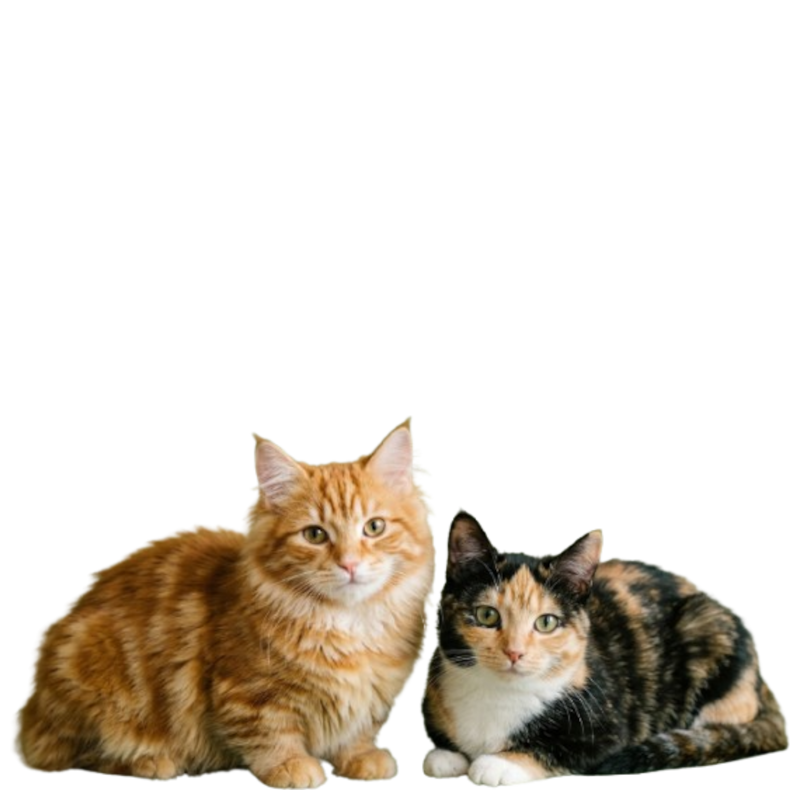
appearance
The Munchkin presents a unique study in feline structural divergence, characterized primarily by significant chondrodysplastic shortening of the appendicular skeleton. Unlike most domestic felines that maintain a relatively uniform limb‐to—torso ratio, the Munchkin exhibits a phenotype where the long bones of the legs are substantially compressed while the axial skeleton remains largely unaffected. This creates a silhouette defined by a low center of gravity and a rectangular body carriage, maintaining a fluid, athletic gait despite the altered skeletal proportions.
Appendicular Skeletal Structure
The defining marker of the Munchkins is the morphology of the thoracic and pelvic limbs. The humeral and femoral segments show the most significant shortening, a condition known as micromelia.
- Forelimb Alignment: The radius and ulna may exhibit a slight medial bowing to accommodate the support of the torso.
- Hindlimb Elevation: The pelvic limbs are typically longer than the thoracic limbs, resulting in a gentle rise from the shoulder to the rump.
- Paws and Digits: The paws are symmetrical and rounded, with digits that appear proportionate to the shortened limb length rather than the overall body mass.
Axial and Cranial Conformation
The Munchkin’s torso and head do not mirror the shortening seen in the extremities. Instead, they follow the morphological standards of a medium‐sized domestic cat, maintaining a semi‐foreign body type.
| Feature | Anatomical Description |
|---|---|
| Cranial Shape | A modified wedge with rounded contours and high, defined cheekbones. |
| Pinna Orientation | Medium‐sized ears, broad at the base, with slightly rounded apices, situated evenly on the skull. |
| Ocular Presentation | Large, walnut‐shaped eyes set at a slight aperture, contributing to an open facial expression. |
| Torso Development | Solid and muscular with a well‐rounded chest and firm loin. |
| Caudal Vertebrae | Tapering toward a rounded tip, usually equal in length to the torso. |
Dermal and Pelage Morphology
The Munchkin exists in both short‐haired and long‐haired varieties, each displaying specific textural attributes. The dermal layer is supple, following the muscular hypertrophy of the shoulders and haunches.
Coat Textures
- Short pelage: Typically plush and resilient with a medium density. The undercoat is moderate, providing a tactile sensation of “springiness” when compressed.
- Long pelage: Semi‐long and silky, often featuring a decorative ruff around the neck and feathering on the caudal region and pelvic limbs.
Geometric Proportions
When analyzing the Munchkin from a purely geometric perspective, the ratio of leg length to spinal length is the primary outlier in feline morphology. While a standard feline might approach a ratio of for limb height to back length, the Munchkin follows a unique proportion:
Munchkin Limb-to-Spine Geometric Ratio
- : Limb Length, the vertical measurement from the ground to the top of the shoulder or hip, representing the functional height of the cat’s legs.
- : Spinal Length, the horizontal measurement from the base of the neck to the base of the tail, representing the main axis of the feline body.
- 0.3 - 0.5: Morphological Coefficient, a specific range of values that defines the degree of chondrodysplasia in the Munchkin, contrasting with the roughly 1.0 ratio found in standard-legged cats.
A researcher measures a mature Munchkin with a spinal length () of 30 centimeters. To determine if the cat’s proportions fall within the breed standard, they apply the lower and upper coefficients. Multiplying 30 by 0.3 results in 9 centimeters, and multiplying by 0.5 results in 15 centimeters. Upon measuring the actual limb length () at 11 centimeters, the researcher confirms the cat is well within the expected geometric range. This low ratio confirms the low center of gravity that gives the Munchkin its characteristic rabbit-like gait and high-speed cornering ability.
This ratio ensures the center of mass remains close to the ground plane, influencing the mechanical leverage during rapid locomotion.
Morphological Summary
The Munchkin is defined by a striking contrast between its standard axial development and its abbreviated appendicular system. The combination of a substantial, muscular torso, a modified wedge‐shaped cranium, and shortened long bones creates a sturdy, low‐slung physical profile. Every structural element—from the slightly elevated hindquarters to the resilient coat texture—supports a functional and balanced feline form.
behavior
The behavioral repertoire of the Munchkin is defined by a high degree of adaptability and a notable modification in locomotor strategies. While their ethogram contains the standard components of feline predatory and social behavior, the mechanical execution of these actions is influenced by their unique center of gravity. This results in a distinct environmental exploration strategy that prioritizes rapid lateral movement and bipedal scanning over significant vertical scaling. Observation of Munchkins suggests that their physical constraints have not suppressed their innate drives but have instead channeled them into specialized motor patterns that emphasize terrestrial agility.
Environmental Exploration and Locomotion
The Munchkin utilizes a highly specialized locomotor profile that differs from the standard feline gallop. Their exploration strategies are characterized by high‐velocity bursts and a unique method of monitoring their surroundings.
- Bipedal Scanning: One of the most distinct behaviors in the Munchkin’s ethogram is the rabbit‐like stance. By shifting their weight to the pelvic limbs and elevating the torso, they utilize a tripod‐like stability to scan the environment from a higher visual plane without climbing.
- Lateral Agility: Locomotion often involves tighter cornering radii than seen in longer‐limbed felines. This is a functional adaptation to a lower center of mass, allowing for high‐speed maneuvering during play or prey‐drive manifestation.
- Vertical Limitations: While Munchkins engage in leaping behaviors, their vertical displacement is typically achieved through a series of incremental jumps rather than a single, high‐amplitude launch.
Social Dynamics and Facilitation
In multi‐cat environments, the Munchkin demonstrates significant social facilitation and complex tactile communication. Their interactions are generally characterized by a high frequency of affiliative behaviors.
| Behavior Category | Functional Analysis | Observation Frequency |
|---|---|---|
| Allorubbing | Tactile communication used to maintain a group scent and reinforce social bonds. | High |
| Play Aggression | Mock predatory behavior involving stalking and pouncing, often utilizing low‐profile creeping. | Moderate |
| Social Facilitation | The tendency to engage in an activity (e.g., feeding or grooming) because a conspecific is doing so. | High |
| Object Hording | A specific foraging strategy where small items are collected and moved to a centralized location. | Moderate |
Prey‐Drive Manifestation
The predatory sequence in the Munchkin remains intact, though the terminal phase (the pounce) is adapted to their limb structure. The probability of a successful capture in a simulated environment can be modeled by the relationship between crouch depth () and the explosive force () generated by the hindlimbs:
Munchkin Predatory Capture Probability
- : Capture Probability, the statistical likelihood that the cat will successfully intercept and secure its target during the terminal phase of the predatory sequence.
- : Proportionality Symbol, indicating that success is positively influenced by greater force and negatively impacted by excessive crouch depth.
- : Pelvic Explosive Force, the total kinetic energy generated by the hindlimbs during the sudden transition from a stationary to a mobile state.
- : Crouch Depth, the vertical distance between the cat’s sternum and the ground, representing the degree of compression in the limbs prior to the strike.
An ethologist monitors a Munchkin during a simulated hunt of a feather wand. The cat generates a high pelvic explosive force () of 15 units. Because the Munchkin has naturally short limbs, its crouch depth () is an exceptionally low 2 centimeters. By dividing 15 by 2, the researcher finds a success factor of 7.5. In contrast, a standard cat with a 6-centimeter crouch depth and the same force would yield a success factor of only 2.5. This illustrates that the Munchkin’s low-slung anatomy allows it to maintain a cryptic profile while maximizing the efficiency of its kinetic strike.
Because the Munchkin maintains a naturally low profile, the transition from a stalking posture to a kinetic strike is often more fluid and requires less postural adjustment than in other breeds. This “low‐drag” approach allows them to remain cryptic for longer durations during the approach phase.
Vocalization and Tactile Signaling
Vocalization patterns in Munchkins are generally expressive and context‐specific. They utilize a broad range of acoustic signals to manage social distance and express needs.
- Chirps and Trills: Frequently used during social facilitation or when leading a human or conspecific to an object of interest.
- Nose‐to‐Nose Touching: A primary greeting ritual that serves as a high‐priority tactile communication method for identifying familiar individuals.
- Caudal Signaling: Despite the physical differences in the limbs, tail carriage remains the primary indicator of emotional state—with a high, vertical “flag” position signaling friendly intent during approaches.
Behavioral Summary
The Munchkin exhibits a robust and active ethogram that is effectively adapted to their physical form. Their behavior is marked by specialized locomotor patterns like bipedal scanning, a high propensity for social interaction, and a persistent prey drive that utilizes their low profile to their advantage. The Munchkin’s behavioral profile is one of high energy and environmental engagement, showing that their unique morphology serves as a different, rather than diminished, toolset for navigating the feline world.
color
The chromatic landscape of the Munchkin is exceptionally diverse, serving as a comprehensive canvas for nearly every pigmentary variation found in the domestic feline. Because the breed standard permits all phenotypic expressions of color, we observe a wide spectrum of melanocyte activity ranging from total pigment saturation to complex patterns of restricted migration. The interaction between eumelanin and phaeomelanin in Munchkins creates a visual array where depth, shading, and light refraction are as central to the phenotype as the base hues themselves. Understanding how these pigment granules are distributed within the medullary and cortical layers of the hair shaft provides a technical window into the visual identity of the Munchkin.
The Biochemistry of Pigment Granules
The visual hue of any Munchkin is determined by the specific type and density of melanin granules deposited during the hair growth cycle.
- Eumelanin Dominance: This pigment produces the black‐based spectrum. In its highest density, it appears as a deep, light‐absorbing black. When the granules are less densely packed or clustered differently, we perceive variations such as chocolate or cinnamon.
- Phaeomelanin Expression: This pigment is responsible for the red‐based spectrum. The intensity of these hues is often influenced by rufism—the presence of polygenic “shading” factors that determine whether a red appears as a pale cream or a vibrant, brick‐toned orange.
- Dilution Phenotypes: Through a reduction in pigment granule density, primary colors are “washed out” into pastel variants. For example, black becomes blue (grey) and red becomes cream.
Pigment Distribution and Patterning
The way pigment is organized across the Munchkin’s body often involves complex spatial distribution and the physical interruption of melanocyte migration.
| Color Category | Pigment Distribution Strategy | Visual Effect |
|---|---|---|
| Self / Solid | Uniform distribution of eumelanin or phaeomelanin across the entire hair shaft and body. | A consistent, monochromatic appearance from root to tip. |
| Parti‐color | Areas of total pigment absence (white) interspersed with pigmented zones. | Bicolor or tricolor patterns with sharp boundaries. |
| Pointed | Thermosensitive pigment restriction where color is concentrated on the extremities. | Darker face, ears, and tail with a high‐contrast pale torso. |
| Ticked / Agouti | Multi‐banded pigment distribution on individual hair shafts. | A salt‐and‐pepper “ticked” look often seen in tabbies. |
Light Refraction and Optical Effects
In certain Munchkins, the visual color is not merely a result of pigment but also of optical interference. In “smoke” or “silver” phenotypes, pigment is inhibited at the base of the hair shaft, leaving a translucent zone. The perceived color can be modeled by the ratio of pigmented tip () to the total hair length ():
Munchkin Perceived Color Intensity
- : Perceived Color Intensity, the numerical representation of how saturated or deep the coat color appears to an observer.
- : Pigmented Tip Length, the specific measurement of the portion of the hair shaft that contains eumelanin or phaeomelanin granules.
- : Total Hair Length, the full length of a single hair filament from the follicle to the distal tip.
A breeder is evaluating a smoke-colored Munchkin to determine its show quality. They measure a sample of guard hairs and find the total hair length () is 32 mm. The pigmented portion at the tip () measures 8 mm. By dividing 8 by 32, the breeder calculates a of 0.25. This result indicates that only 25% of the hair is colored, confirming a high degree of contrast with the translucent base. When the Munchkin moves, this low intensity value allows for the characteristic shimmering effect as light refracts through the 24 mm of unpigmented hair at the base.
When the hair moves, light refracts through the unpigmented base, creating a shimmering effect. Furthermore, in young kittens, “ghost markings” may appear as faint, vestigial tabby patterns. These occur when the pigment density is slightly uneven, though they often vanish as the coat matures and the eumelanin granules settle into a more uniform alignment.
Summary of Color Expression
The Munchkin is characterized by an all‐inclusive approach to pigmentation, encompassing solids, tabbies, torties, and pointed patterns. Whether expressing the dense, light‐trapping qualities of eumelanin or the warm, reflective properties of phaeomelanin, the breed showcases a complete catalog of feline chromatic possibilities. From the subtle “ghosting” of early development to the stark contrasts of white spotting and point restriction, the Munchkin’s coat is a masterclass in the complexity of feline pigmentary science.
compatibility
Ease of Maintenance
Rating: 4/5
Child Friendly
Rating: 5/5
Annual Cost
Rating: 4/5
Lifetime Cost
Rating: 3/5
Adaptability
Rating: 5/5
Velcro Factor
Rating: 5/5
Quietude
Rating: 4/5
Apartment Suitability
Rating: 5/5
Hypoallergenic
Rating: 2/5
Handling Tolerance
Rating: 4/5
Hardiness/Longevity
Rating: 4/5
Prey Drive
Rating: 3/5
genetics
The genomic profile of the Munchkin is a compelling example of how a single spontaneous mutation can fundamentally alter the developmental trajectory of the appendicular skeleton. At the center of this profile is a specific locus that governs the maturation of long bones, specifically affecting the chondrocytes within the growth plates. While the majority of the Munchkin’s genome remains identical to the standard domestic feline population, the presence of the allele introduces a profound shift in skeletal development. This genetic mechanism operates with remarkable specificity, leaving the axial skeleton and cranial structures untouched while dramatically compressing the humeral and femoral segments.
The Locus and Modes of Inheritance
The primary driver of the Munchkin phenotype is a mutation traditionally denoted by the symbol . This allele is inherited in an Autosomal Dominant fashion, meaning only one copy of the mutation is required to express the characteristic physical traits. However, the genetic reality is slightly more complex, involving a lethal homozygous state.
| Genotype | Phenotype Description | Viability |
|---|---|---|
| mm | Non-mutated homozygous; standard feline limb length. | Viable |
| Mm | Heterozygous; expresses the Munchkin phenotype. | Viable |
| MM | Homozygous dominant; lethal during embryonic development. | Non‐viable |
Because the genotype does not result in a live birth, every living Munchkin is technically a heterozygote (). This creates a unique statistical probability in breeding outcomes that can be modeled via Punnett square analysis.
Probability Modeling of Allelic Distribution
When crossing two Munchkins (both ), the Mendelian expectation for offspring distribution follows a ratio at the genomic level, but the observed phenotypic ratio is due to the non‐viability of the homozygous dominant zygotes.
The probability of a live‐born kitten expressing the Munchkin phenotype from an cross is calculated as:
Munchkin Phenotypic Inheritance Probability
- : Phenotypic Probability, the mathematical likelihood that a surviving kitten from a specific mating will display the characteristic short-legged stature.
- : Viable Heterozygous Zygotes, the number of genetic combinations in a standard cross that result in a living offspring expressing the dominant trait.
- : Total Viable Zygotes, the denominator representing all possible genetic combinations that survive to birth, excluding the lethal homozygous dominant genotype.
A registered breeder plans a mating between two standard-conforming Munchkins, both of whom carry the genotype. Under normal Mendelian rules, one might expect four possible outcomes: one (homozygous dominant), two (heterozygous), and one (homozygous recessive). However, because embryos are non-viable and do not develop, the total number of living kittens () is reduced to 3. By applying the formula , the breeder determines there is a 66.7% chance each kitten will be a short-legged Munchkin. This calculation helps the breeder manage expectations for litter sizes and the ratio of standard-legged to short-legged offspring in the Munchkin population.
Conversely, the probability of a standard limb length offspring () from the same cross is:
Munchkin Standard Limb Inheritance Probability
- : Standard Phenotype Probability, the mathematical likelihood that a surviving kitten from a specific mating will possess long, standard-length limbs.
- : Viable Homozygous Recessive Zygote, the single genetic combination () in a cross between two heterozygous parents that results in a living offspring with a standard phenotype.
- : Total Viable Zygotes, the denominator representing the three possible genetic outcomes (, , and ) that survive gestation, as the homozygous dominant () state is lethal.
A feline genetics researcher studies a litter from two Munchkins. While a typical Mendelian cross predicts four outcomes, the lethal nature of the genotype means only three types of kittens can actually be born. To find the chance of a standard-legged kitten appearing, the researcher applies the ratio. In a theoretical population of 300 surviving kittens from such pairings, approximately 100 would be expected to have standard limb lengths. This result confirms that while the Munchkin trait is dominant, the necessity of heterozygosity in living cats ensures that standard-legged offspring will consistently appear in about 33.3% of the viable population.
Polygenetic Inheritance and Modifiers
Beyond the primary locus, Munchkins possess a rich array of secondary genetic factors. These are often referred to as Polygenetic Modifiers, which can influence the subtle expression of the primary mutation.
- Epistatic Interactions: While the allele is dominant, other genes may interact with it to influence the degree of bone density or the precise curvature of the radius and ulna.
- Melanocyte Migration Genes: As the breed allows for all colors, the loci governing pigment (such as the , , and loci) operate independently of the mutation, demonstrating that the skeletal mutation is not pleiotropic regarding coat or eye color.
- Structural Variable Genes: Genes controlling the length of the tail or the shape of the ears follow standard Mendelian or polygenetic inheritance patterns, entirely separate from the allele’s influence.
Summary of Breed Genetics
The Munchkin is defined by a single‐gene, autosomal dominant mutation that is homozygous lethal. This means the genomic identity of the breed is permanently tied to a heterozygous state (). While the primary locus acts as a master switch for limb development, the rest of the Munchkin’s genetic makeup is a diverse collection of domestic feline alleles, allowing for a vast range of secondary phenotypic expressions. The inheritance pattern ensures a consistent and predictable transmission of the trait, provided the embryonic lethality of the combination is accounted for in genomic modeling.
health
The clinical landscape of the Munchkin is a subject of significant veterinary interest, primarily due to the mechanical and physiological implications of their chondrodysplastic skeletal structure. While the Munchkin’s health profile shares many commonalities with the general domestic feline population, their unique anatomy introduces specific vulnerabilities related to spinal loading and thoracic development. Understanding the pathophysiology of the Munchkin requires a focus on how their altered limb geometry affects the distribution of force across the axial skeleton and whether this predisposition increases the incidence of degenerative conditions. Beyond skeletal concerns, Munchkins are monitored for systemic feline pathologies, including metabolic and cardiac conditions that are prevalent across various feline phenotypes.
Skeletal and Orthopedic Vulnerabilities
The primary clinical focus for the Munchkin involves the management of potential orthopedic complications arising from their abbreviated appendicular skeleton.
- Lordosis: This is a condition characterized by an excessive inward curvature of the lumbar spine. In Munchkins, this can manifest as a dipping of the spinal column, which in severe cases may compress the heart and lungs, reducing respiratory efficiency.
- Pectus Excavatum: Occasionally observed in kittens, this congenital deformity involves a sunken sternum. It is often evaluated alongside spinal alignment to ensure the thoracic cavity provides sufficient volume for organ function.
- Osteoarthritis: The altered joint angles, particularly in the thoracic limbs, may lead to accelerated wear of the articular cartilage. The mechanical stress () on the joints can be modeled relative to the force () of locomotion and the contact area ():
Munchkin Joint Pressure and Mechanical Stress
- : Mechanical Stress, the localized pressure exerted on the articular cartilage and bone structures within a joint during physical activity.
- : Locomotion Force, the total impact or weight-bearing force applied to the limb, which increases significantly during jumping or rapid running.
- : Contact Area, the specific surface area of the joint where the weight and force are distributed; in the Munchkin, specific limb angles can sometimes reduce this effective area, concentrating the stress.
A veterinarian examines a senior Munchkin to assess the risk of osteoarthritis. During a jump from a chair, the cat exerts a force () of 80 Newtons on its front elbow joints. Because of the specific shortened anatomy of the Munchkin, the effective contact area () within the joint is measured at 0.5 square centimeters. By dividing 80 by 0.5, the veterinarian determines the mechanical stress () is 160 Newtons per square centimeter. This high concentration of pressure explains why keeping the Munchkin at a lean body weight is essential, as even a small increase in force from excess weight would significantly elevate and accelerate joint wear.
As the contact area in shortened limbs may differ from standard feline anatomy, proactive monitoring for degenerative joint disease is a clinical priority.
Systemic and Internal Pathologies
While certain conditions are structurally influenced, Munchkins also face health risks typical of many domestic breeds.
| Condition | Clinical Manifestation | Diagnostic Approach |
|---|---|---|
| Hypertrophic Cardiomyopathy (HCM) | Thickening of the muscular walls of the heart, specifically the left ventricle. | Echocardiography and ProBNP biomarkers. |
| Renal Insufficiency | A gradual decline in the filtration capacity of the nephrons. | Serum creatinine and SDMA testing. |
| Hyperthyroidism | Overproduction of thyroid hormone by the thyroid gland, often in older subjects. | Total T4 (Thyroxine) screening. |
| Dental Pathology | Predisposition to resorptive lesions or gingivitis. | Clinical oral examination and radiography. |
Physiological Loading and Mobility
The low center of gravity in the Munchkin changes the physics of movement. Veterinary assessment often focuses on the “loading” of the intervertebral discs. Because the thoracic limbs are shorter, a larger percentage of the feline’s weight may be distributed forward. This shift requires the clinician to monitor for secondary muscular hypertrophy in the shoulder girdle as a compensatory mechanism for altered skeletal leverage.
Summary of Breed Health
The health of the Munchkin is defined by a combination of standard feline medical risks and specific structural predispositions. Clinical vigilance is primarily directed toward spinal health—specifically the monitoring for lordosis and pectus excavatum—and the long‐term impact of altered limb mechanics on joint integrity. By integrating routine screenings for common systemic issues like renal insufficiency and hypertrophic cardiomyopathy with orthopedic evaluations, the Munchkin’s physiological well‐being can be effectively managed.
longevity
Analyzing the longevity of the Munchkin requires a focus on the population‐wide survival curves that define their transition from maturity into the geriatric phase. From a biostatistical perspective, the Munchkin’s life expectancy aligns closely with the broader domestic feline cohort, suggesting that their unique skeletal phenotype does not significantly accelerate the rate of cellular senescence or alter the fundamental mortality rates associated with age‐related organ failure. By examining the probability of survival across distinct life stages, we can map the transition points where the risk of mortality begins to increase exponentially, a phenomenon often modeled through the Gompertz‐Makeham law of mortality.
Life Stages and Geriatric Transition
The aging process in Munchkins is typically categorized into four primary biostatistical phases. Each phase represents a shift in the physiological baseline and a change in the probability of survival.
| Life Stage | Age Range (Years) | Mortality Risk Description |
|---|---|---|
| Developmental | 0–1 | High initial risk during the neonatal period, stabilizing after the first year. |
| Mature Adult | 1–10 | The period of lowest mortality; baseline metabolic stability is maintained. |
| Senior Transition | 11–14 | Onset of progressive senescence; statistical rise in metabolic disorders. |
| Geriatric | 15+ | Accelerated risk of mortality; high incidence of multi‐systemic decline. |
Modeling Survival Probabilities
The life expectancy of the Munchkin can be visualized through a survival function, , which represents the probability that an individual will survive from birth to at least time . For Munchkins, the median life expectancy typically falls within the 12–15 year range, though individuals reaching the geriatric tail of the distribution may survive significantly longer.
The probability of an individual Munchkin reaching a specific age can be modeled using the following exponential decay function, where represents the constant hazard rate of the population:
Munchkin Exponential Survival Probability
- : Survival Probability, the statistical likelihood that a member of the Munchkin population will survive from birth to at least age .
- : Euler’s Number, a mathematical constant approximately equal to 2.718, serving as the base for the natural exponential function.
- : Hazard Rate, the constant force of mortality representing the baseline risk of death per unit of time within the population.
- : Age in Years, the specific point in time for which the survival probability is being calculated.
A veterinary researcher calculates the probability of a Munchkin reaching 14 years of age (). Assuming a constant hazard rate () of 0.07, which is typical for a healthy indoor feline population, the researcher applies the formula: . This simplifies to , resulting in an of approximately 0.375. This means there is a 37.5% probability that a Munchkin will reach its 14th birthday. This data helps clinicians understand the typical aging trajectory and plan geriatric screenings as the hazard rate begins to climb in later life.
As the Munchkin enters the senior transition, the hazard rate is no longer constant but increases as a function of time, reflecting the biological reality of aging and the accumulation of cellular damage.
Factors Influencing the Rate of Senescence
While the Munchkin shares a similar life expectancy to other felines, the rate at which they progress through the stages of aging can be influenced by several environmental and biological variables.
- Environmental Stabilization: Individuals maintained in strictly controlled indoor environments exhibit significantly lower extrinsic mortality rates compared to those exposed to external hazards.
- Metabolic Efficiency: The transition into the geriatric phase is often marked by a decline in renal and cardiac efficiency. In the Munchkin, maintaining optimal metabolic health during the mature adult phase is a strong predictor of reaching the 15+ year geriatric milestone.
- Oxidative Stress and Cellular Repair: The rate of senescence is fundamentally tied to the body’s ability to manage oxidative stress. Munchkins that maintain robust cellular repair mechanisms exhibit a “flatter” survival curve, meaning they remain in the senior transition phase longer before entering terminal decline.
Summary of Breed Longevity
The Munchkin demonstrates a life expectancy profile that is consistent with the standard domestic feline population, typically ranging from 12 to 15 years. Their survivorship is characterized by a stable mature adult phase followed by a predictable geriatric transition starting around age 11. Biostatistical data suggests that while the Munchkin’s unique morphology is a defining trait, it does not function as a primary determinant of the overall rate of biological aging or the statistical limit of their lifespan.
maintenance
Effective husbandry for the Munchkin necessitates a specialized focus on mechanical environmental access and precise metabolic management. Because their skeletal morphology alters the standard feline leverage ratios, environmental engineering must prioritize horizontal complexity and low‐impact vertical transitions to prevent excessive spinal loading. From a bioengineering perspective, the nutritional strategy must be calibrated to maintain a lean body mass index, as any surplus adipose tissue significantly increases the torque applied to the intervertebral discs. By integrating advanced nutritional modeling with modified grooming and enrichment standards, we can optimize the physiological stability of Munchkins within a domestic setting.
Nutritional Bioengineering and Caloric Load
The nutritional demands of the Munchkin are centered on preventing obesity, which is the primary antagonist to their structural integrity. We utilize the Resting Energy Requirement (RER) as the foundational metric for all dietary formulations.
Caloric Calculation
To determine the daily caloric intake (), we first calculate the RER based on the Munchkin’s ideal body mass in kilograms ():
Munchkin Resting Energy Requirement
- : Resting Energy Requirement, the daily number of calories burned by the Munchkin while at rest, excluding the energy used for physical activity or thermoregulation.
- : Metabolic Constant, a fixed coefficient representing the average energy expenditure per unit of metabolic body size in the domestic feline species.
- : Ideal Body Mass, the weight of the Munchkin measured in kilograms, representing the target healthy mass rather than the current weight if the cat is over or underweight.
- : Scaling Exponent, a power factor used in allometric scaling to account for the non-linear relationship between an animal’s body size and its metabolic rate.
A veterinarian is designing a weight management plan for an adult Munchkin whose ideal body mass () should be 3.5 kilograms. To find the baseline caloric needs, the weight is raised to the 0.75 power (approximately 2.56) and multiplied by the metabolic constant of 70 (). This results in a Resting Energy Requirement () of approximately 179 calories per day. By strictly adhering to this baseline, the owner ensures the Munchkin maintains a lean profile, which is critical for minimizing the mechanical load on its unique skeletal structure.
This value is then adjusted by a factor () ranging from to for neutered adults to reach the Maintenance Energy Requirement ().
| Nutrient Category | Target Concentration (Dry Matter) | Functional Goal |
|---|---|---|
| High‐Biological Value Protein | 35%–45% | Support muscular hypertrophy and lean mass maintenance. |
| Crude Fiber | 3%–5% | Satiety management without excessive caloric density. |
| Omega‐3 Fatty Acids | 0.5%–1.0% | Support joint lubrication and reduce systemic inflammation. |
| Hygroscopic Moisture | 70% (Wet portion) | Support renal filtration and overall hydration. |
Advanced Grooming and Dermal Maintenance
While the Munchkin manages much of its own pelage, their unique limb proportions can occasionally limit their reach during the self‐grooming sequence, particularly in the interscapular and caudal regions.
- Sebum Management: Weekly mechanical brushing is required to distribute sebum production levels across the hair shaft, preventing localized follicular occlusion.
- Periodontal Prophylaxis: Due to the high correlation between oral health and systemic wellness, daily enzymatic brushing is prescribed to prevent plaque mineralization.
- Ungual Maintenance: Regular trimming of the claws is essential; because Munchkins may utilize different traction mechanics, overgrown nails can lead to altered gait and compensatory muscular strain.
Environmental Engineering and Enrichment Standards
The habitat for a Munchkin must be engineered to accommodate their specific range of motion while providing the necessary stimuli for behavioral health.
- Vertical Access: Replace high‐velocity jumping platforms with “stair‐step” configurations or gradual ramps. This reduces the impact force on the thoracic limbs during descents.
- Horizontal Complexity: Focus enrichment on ground‐level tunnels, foraging mats, and tactile surfaces that encourage lateral movement.
- Accessibility: Litter enclosures and feeding stations must feature low‐entry thresholds to minimize the need for significant vertical lifting of the torso.
Summary of Breed Maintenance
Maintaining the Munchkin requires a disciplined approach to weight management through ‐based caloric monitoring and a customized environmental design that favors ramps over high jumps. Grooming protocols should focus on assisting with hard‐to‐reach areas and maintaining strict periodontal prophylaxis. By balancing these prescriptive husbandry techniques with a high‐protein, moisture‐rich diet, the environmental and physiological needs of Munchkins are comprehensively addressed, ensuring structural longevity and systemic health.
measurements
| Measurement | Female | Male | ||
|---|---|---|---|---|
| Metric | Imperial | Metric | Imperial | |
height | 13 – 18 centimeters | 5 – 7 inches | 13 – 20 centimeters | 5 – 8 inches |
length | 35 – 40 centimeters | 14 – 16 inches | 40 – 46 centimeters | 16 – 18 inches |
weight | 1.8 – 3.6 kilograms | 4 – 8 pounds | 2.7 – 4.1 kilograms | 6 – 9 pounds |
• Height: Refers to the measurement at the withers (shoulders).
• Length: Measured from the tip of the nose to the base of the tail.
origin
The historical narrative of the Munchkin is a study in spontaneous biological divergence and subsequent anthropogenic preservation. While many domestic feline lineages result from centuries of geographic isolation and the stabilization of landrace populations, the Munchkin emerged through a documented series of independent phylogenetic events across the Northern Hemisphere. These occurrences represent a recurring phenotypic expression within the broader Felis catus ancestral clades, which remained largely obscured until the late twentieth century. The formal establishment of the lineage was not a product of ancient migratory routes but rather the result of a specific founder event in the Nearctic realm, where a localized population was identified and transitioned into a structured breeding program. This transition from a random‐occurrence landrace to a recognized clade marks a significant moment in modern feline history, illustrating how human intervention can stabilize a phenotype that might otherwise remain a transient footnote in the evolutionary record.
Chronology of Phenotypic Documentation
The presence of felines with this specific skeletal divergence has been noted periodically throughout the twentieth century, predating the formalization of the Munchkin as a distinct entity.
| Time Period | Geographic Location | Historical Context |
|---|---|---|
| Early 1940s | United Kingdom | Veterinary documentation of four generations of a localized population. |
| 1950s | Soviet Union | Reports of a “Stalingrad Kangaroo Cat” exhibiting similar appendicular traits. |
| 1983 | Louisiana, USA | Identification of a foundational female, marking the start of the modern lineage. |
| 1991 | New York, USA | The formal introduction of Munchkins to the public feline community. |
| 1994 | International | TICA (The International Cat Association) grants preliminary status to the clade. |
Phylogenetic Divergence and Founder Events
The modern lineage of the Munchkin is traced back to a specific bottleneck event in the 1980s. Unlike historical landrace populations that develop through slow anthropogenic selection, the Munchkin’s establishment was rapid. The founder population utilized a strategy of outcrossing with non‐pedigreed domestic cats to ensure a diverse genomic background, effectively mimicking the high genetic variance found in natural clades.
This process can be analyzed through the lens of population modeling. If represents the effective population size and is the migration rate (or outcrossing rate in this context), the maintenance of genetic diversity within the fledgling Munchkin clade was stabilized by ensuring:
Munchkin Genetic Diversity Maintenance
- : Effective Population Size, the number of breeding individuals within the Munchkin population that contribute genetic material to the next generation.
- : Outcrossing Rate, the frequency at which the Munchkin is bred with non-pedigreed or outcross-approved domestic cats to introduce new genetic variance.
- : Critical Stability Threshold, the mathematical boundary where the influx of new genes through outcrossing is sufficient to counteract the loss of diversity due to genetic drift.
A conservation geneticist evaluates a specific Munchkin breeding program to ensure long-term health. The current effective population size () consists of 20 breeding cats. To prevent inbreeding depression and maintain the lineage’s vitality, the breeder maintains an outcrossing rate () of 0.10, meaning 10% of matings are to genetically diverse outcrosses. Multiplying 20 by 0.10 results in 2.0. Since 2.0 is greater than the threshold of 1, the program is successfully maintaining sufficient genetic variance to ensure the Munchkin’s health and standard remain stable over time.
This technical approach allowed the lineage to survive the initial risks of inbreeding depression that often plague newly established anthropogenic clades.
Migratory Routes and Global Expansion
Following the stabilization of the lineage in the Southeastern United States, the Munchkin underwent a secondary migratory phase driven by human trade and enthusiast networks. This expansion followed established twentieth‐century transit corridors, moving from North America into Europe and subsequently East Asia. This dispersal was not a natural migration but a series of intentional translocations that established satellite populations in diverse bioclimatic zones. These satellite groups have since contributed to the global stabilization of the Munchkins, ensuring the phenotype is no longer geographically isolated to its point of origin.
Summary of Breed Origins
The origins of the Munchkin are characterized by a series of spontaneous, independent occurrences across the United Kingdom and Russia, eventually culminating in a successful founder event in Louisiana during the early 1980s. The formal lineage was established through a rigorous program of anthropogenic selection and outcrossing, which stabilized the unique skeletal phenotype into a recognized domestic clade. From a historical perspective, the Munchkin represents a modern evolutionary branch that transitioned from a rare, localized curiosity to a globally dispersed population through intentional human facilitation.
temperament
The dispositional architecture of the Munchkin is characterized by a significant deviation from the standard feline baseline of environmental neophobia. While many domestic felines exhibit a high degree of territorial vigilance and cautious approach toward novel stimuli, Munchkins consistently demonstrate a diminished threshold for anxiety and an exceptionally high level of gregariousness. This psychological profile suggests a temperament optimized for social facilitation and environmental engagement, where the impulse for exploration frequently overrides the innate feline instinct for concealment. By analyzing the Munchkin’s emotional reactivity and intra‐species sociability, we can identify a distinct personality matrix that prioritizes extroversion and complex social bonding over the solitary independence observed in many ancestral clades.
Dispositional Trait Matrix
The inherent nature of the Munchkin can be categorized through specific psychological dimensions that define their daily engagement with the world.
| Temperament Dimension | Functional Profile | Dispositional Intensity |
|---|---|---|
| Gregariousness | The tendency to seek out and maintain social proximity with conspecifics and heterospecifics. | High |
| Environmental Neophobia | The level of fear or avoidance response triggered by novel objects or changes in the habitat. | Low |
| Emotional Reactivity | The speed and intensity of the response to external stressors. | Moderate–Low |
| Cognitive Playfulness | The inherent drive to engage in complex, non‐utilitarian problem‐solving. | High |
Social Connectivity and Intra‐Species Sociability
A defining trait of the Munchkin is their specialized sociability. Unlike felines that establish rigid hierarchies, Munchkins tend toward a more fluid and inclusive social structure.
- Affiliative Drive: The Munchkin possesses a high internal motivation for tactile and social contact, often acting as a social anchor in multi‐cat environments.
- Tolerance Thresholds: Their psychological nature includes a high tolerance for physical handling and social density, making them less prone to stress‐induced displacement behaviors in complex households.
- Human-Centric Attachment: The Munchkin’s temperament is marked by an intense focus on human interaction, displaying a level of attachment that mirrors the cooperative nature of socialized canines.
Sensory Thresholds and Stress Recovery
In psychobiological terms, the Munchkin exhibits a unique recovery curve following a stressful event. We can model the stress recovery () as a function of the stimulus intensity () and the individual’s baseline arousal ():
Munchkin Psychobiological Stress Recovery Curve
- : Residual Stress, the remaining level of physiological or psychological arousal at a specific point in time after the initial stressor.
- : Baseline Arousal, the peak intensity of the stress response immediately following a startling or stressful stimulus.
- : Euler’s Number, the mathematical constant approximately equal to 2.718 that serves as the base for the natural exponential decay.
- : Decay Constant, the specific rate at which the Munchkin recovers to a state of calm; a higher signifies a more resilient and faster recovery.
- : Time, the duration in minutes or seconds elapsed since the stress event occurred.
A behaviorist measures the recovery of a Munchkin after a loud vacuum cleaner is turned on. The cat’s baseline arousal () spikes to 10 units. Because the Munchkin possesses a high decay constant () of 0.40, the behaviorist calculates the stress remaining after 5 minutes (). Using the formula , the result is , which equals 1.35 units. This result shows that in just 5 minutes, the Munchkin has shed nearly 90% of its initial stress, demonstrating the breed’s characteristically resilient and adaptable temperament in busy domestic environments.
In the Munchkin, the decay constant is typically higher than in more reactive breeds, meaning they return to a baseline state of calm much faster after being startled. This suggests a resilient psychological nature that is not easily discouraged by environmental setbacks.
Summary of Breed Temperament
The Munchkin is defined by a confident, extroverted, and highly social temperament. Their psychological profile is characterized by low environmental neophobia and a high threshold for social stress, creating a disposition that is both resilient and deeply engaging. This inherent nature emphasizes curiosity and gregariousness, making the Munchkin’s personality as distinctive as their physical form—rooted in a secure attachment to their social environment and a persistent drive for interaction.