Minuet Longhair Cat
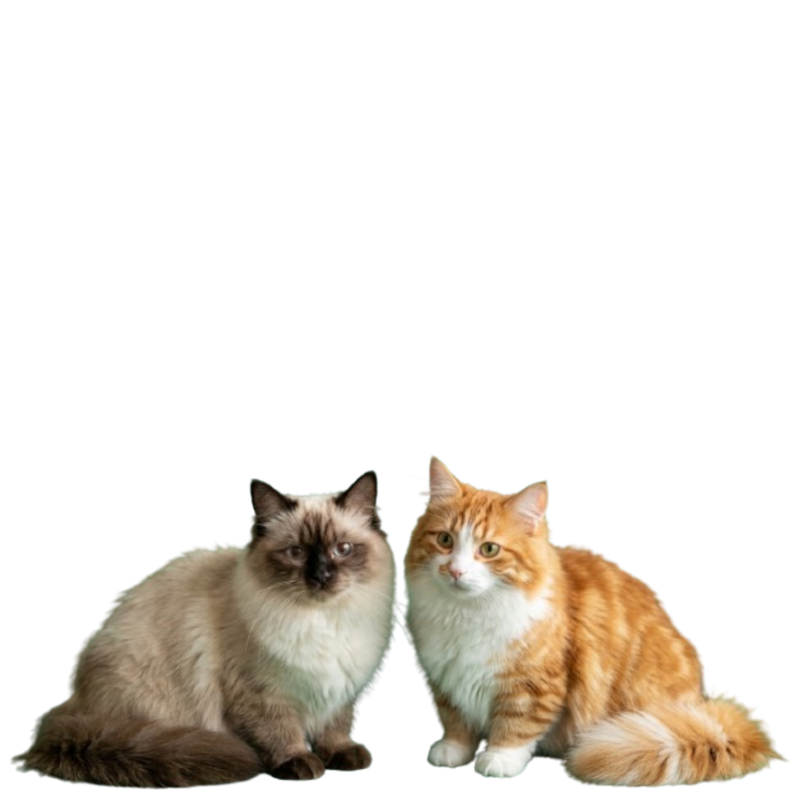
appearance
The Minuet Longhair presents a unique study in feline skeletal proportions, characterized by a distinct contrast between its robust, semi‐foreign torso and its significantly shortened appendicular skeleton. This morphology is not merely a reduction in scale but a specific structural alignment where the axial skeleton retains the substantial girth and muscular density of its Persian ancestry, while the limbs exhibit a condensed chondrodysplastic development. The result is a low‐slung silhouette that maintains a powerful, grounded center of gravity without sacrificing the fluidity of its spinal flexion.
Cranial Conformation and Facial Architecture
The Minuet Longhair’s head is defined by a broad, well‐rounded skull base that supports a remarkably open facial plane. Unlike the extreme brachycephaly seen in some related lineages, the Minuet Longhair exhibits a more moderate cranial curvature, ensuring unobstructed respiratory pathways while maintaining the desired “sweet” expression.
- Muzzle and Jaw: The muzzle is short and broad, featuring well‐developed cheek pads that contribute to the overall roundness of the facial contour. The mandible is firm and aligns precisely with the maxilla.
- Ocular Placement: The eyes are large and globular, set wide apart to emphasize the breadth of the skull. This spacing creates a focal point that defines the breed’s empathetic facial aspect.
- Pinna Orientation: The ears are medium‐to‐small in size, possessing rounded tips. They are set as much on the side of the head as on the top, following the curve of the cranium.
Skeletal Frame and Appendicular Development
The most striking anatomical feature of Minuet Longhairs is the limb structure. The humerus and femur are notably shortened, yet they remain thick and heavily muscled to support the weight of the torso.
| Anatomical Feature | Morphological Description |
|---|---|
| Torso | Rectangular, substantial, and level from shoulder to croup. |
| Thoracic Cavity | Broad and deep, providing ample room for cardiorespiratory function. |
| Bone Density | High; the skeletal structure is heavy and tactilely solid. |
| Muscular Hypertrophy | Pronounced, particularly across the hindquarters and shoulders. |
The ratio of limb length to total body height can be expressed through a simple geometric relationship where the standing height is significantly influenced by the reduced length of the radius and tibia :
Minuet Longhair Morphological Standing Height
- : Standing Height, the total vertical distance from the ground to the highest point of the withers while the cat is in a neutral standing position.
- : Thoracic Depth, the vertical measurement of the chest cavity from the spine to the sternum, which remains a constant regardless of limb length.
- : Radius and Tibia Length, the combined length of the long bones in the forelimbs and hindlimbs, which are the specific areas of genetic reduction in the Minuet Longhair.
- : Pedal Height, the small vertical distance contributed by the paws and carpal/tarsal structures.
An anatomical researcher measures a Minuet Longhair to compare its height to a standard domestic cat. The cat has a deep thoracic depth () of 11 cm and a pedal height () of 2 cm. Because of the breed’s unique dwarfism, the length of the radius and tibia () is measured at only 7 cm. By adding these values together (), the researcher finds the standing height () is approximately 20 cm. This result illustrates that while the torso remains full-sized, the significant reduction in creates the distinctively low-slung profile of the Minuet Longhair.
In Minuet Longhairs, is the primary variable of reduction compared to standard feline phenotypes.
Integument and Caudal Structure
The longhair variant of the Minuet Longhair possesses a dense, double coat that serves to soften the structural angles of the body. This coat consists of a thick undercoat and longer guard hairs, creating a plush, stand–off quality.
- Texture: The fur is soft and silk‐like, exhibiting a resilient lift rather than laying flat against the musculature.
- Caudal Vertebrae Structure: The tail is in proportion to the torso length, tapering slightly from a thick base to a rounded tip. In the longhair phenotype, the tail is heavily plumed—often described as a “feather” or “brush”—which adds to the visual balance of the low profile.
- Pedal Morphology: The paws are large and round, with tufting between the digits. The alignment of the carpal and tarsal joints remains straight, ensuring that the weight is distributed evenly across the pads despite the shortened stature.
Summary of Physical Form
The Minuet Longhair is a cat of significant substance and circular contours. Its physical identity is forged by the juxtaposition of a powerful, thick‐set body and shortened, sturdy legs. Every element of its morphology—from the wide‐set eyes and rounded pinna to the plush, voluminous coat—is designed to reinforce a sense of roundness and low‐to‐the‐ground stability.
behavior
The behavioral profile of the Minuet Longhair is characterized by a high degree of social facilitation and a distinct environmental exploration strategy that prioritizes horizontal over vertical movement. Unlike many feline lineages that exhibit high‐intensity bursts of solitary play, Minuet Longhairs demonstrate a persistent preference for interactive engagement with both conspecifics and human caretakers. This behavioral adaptation suggests a strong reliance on social feedback loops, where the feline’s actions are frequently modulated by the presence and reactions of others in their immediate vicinity.
Locomotion and Environmental Navigation
The Minuet Longhair’s approach to spatial navigation is influenced by its unique biomechanical constraints, leading to a specialized set of exploratory behaviors. While the instinct for high‐ground vantage points remains present, it is often expressed through incremental climbing rather than explosive jumping.
- Horizontal Dominance: Minuet Longhairs display a high frequency of “ground‐level patrolling,” where they investigate the perimeter of a room using olfaction and tactile whisker‐mapping.
- Climbing Strategies: When attempting to reach elevated surfaces, the Minuet Longhair utilizes a “stair‐step” methodology, identifying intermediate objects to reach a final destination.
- Object Manipulation: There is a notable prevalence of “paw‐orientated” investigation. Before engaging with a novel stimulus, the Minuet Longhair will often utilize repetitive, soft‐touch patting to assess the density and stability of the object.
Social Dynamics and Communication Patterns
Socially, the Minuet Longhair is a highly cohesive animal. Their ethogram shows a significant reduction in territorial posturing and an increase in affiliative behaviors such as allogrooming and physical buffering.
| Behavioral Category | Functional Expression | Frequency |
|---|---|---|
| Allogrooming | Mutual cleaning to reinforce social bonds and reduce group tension. | High |
| Physical Buffering | Leaning against or following the heels of a social partner (shadowing). | Very High |
| Vocal Solicitation | Use of trills and chirrups rather than high‐intensity yowling. | Moderate |
| Tactile Greeting | Head‐butting (bunting) and tail‐wrapping during social reintegration. | High |
The probability of an affiliative interaction within a multi‐feline environment can be modeled by the proximity of the individuals and the previous history of positive reinforcement :
Minuet Longhair Affiliative Interaction Probability
- : Affiliative Probability, the statistical likelihood of a friendly social interaction, such as allogrooming or co-sleeping, occurring between two cats.
- : Positive Reinforcement History, a numerical value representing the cumulative memory of successful, non-aggressive past interactions between the individuals.
- : Proximity, the physical distance between the two cats measured in meters.
- : Inverse Square Law, a mathematical principle indicating that the probability of a social bond successfully manifesting drops off exponentially as the physical distance between the cats increases.
A researcher observes two Minuet Longhairs sharing a living space. The cats have a high positive reinforcement history () value of 50 due to their docile and social nature. When they are positioned 2 meters apart, the formula results in an affiliative probability () of 12.5. However, as the Minuet Longhair moves closer to a distance of 0.5 meters, the probability surges to 200. This result mathematically demonstrates why the Minuet Longhair is so prone to physical contact and social bonding, as their high value overcomes the natural social friction typically found in multi-feline households.
In Minuet Longhairs, the value of tends to remain consistently high, leading to a stable social structure even in densely populated environments.
Prey-Drive Manifestation and Play Cycles
Despite their modified morphology, Minuet Longhairs maintain a robust prey‐drive, though its manifestation is structurally adapted. The “stalk‐and‐pounce” sequence is condensed, focusing more on the stealth phase than the long‐distance pursuit.
Play-Style Characteristics
- Ground-Based Predation: Play‐targets that mimic rodent movement (scuttling) elicit a much higher response rate than those mimicking avian flight.
- Object Retrieval: Many Minuet Longhairs exhibit a “fetching” behavior, a form of social play where the feline returns a captured stimulus to the social partner to re‐initiate the predatory cycle.
- Activity Cycles: Their circadian rhythm tends to align closely with human activity. They exhibit brief, moderate‐intensity “zoomies” in the early morning (05:00–07:00) and evening (19:00–21:00), with prolonged periods of social resting in between.
Vocalization and Olfactory Marking
Vocalizations in the Minuet Longhair are typically soft‐pitched and used primarily for proximal communication. They rarely engage in the long‐distance territorial calling seen in more solitary‐leaning breeds. Olfactory marking is predominantly achieved through facial rubbing (depositing pheromones from the temporal and perioral glands) rather than the more aggressive marking behaviors.
Summary of Breed Behavior
The Minuet Longhair exhibits a behavioral pattern centered on social integration and terrestrial exploration. Their ethogram is defined by a low threshold for social anxiety, a sophisticated repertoire of tactile communication, and a pragmatic approach to environmental navigation. By prioritizing social cohesion and ground‐level engagement, Minuet Longhairs navigate their environment through steady, methodical investigation rather than high‐velocity verticality.
color
The visual palette of the Minuet Longhair is a complex interplay of protein‐bound pigments and structural light interference. Because this lineage allows for a vast array of coat expressions, the distribution of melanocytes during embryonic development leads to an exceptionally diverse phenotypic range. The long, dense fiber structure of the coat further modifies how we perceive these colors, as the increased surface area of the hair shaft allows for greater light scattering, often softening the intensity of darker eumelanin deposits or enhancing the warm glow of phaeomelanin.
The Biochemical Basis: Eumelanin and Phaeomelanin
At the most fundamental level, every Minuet Longhair owes its color to two microscopic pigments. The density and shape of these pigment granules within the medullary and cortical layers of the hair determine the final shade.
- Eumelanin Dominance: This pigment produces black, blue, chocolate, and lilac. In its most concentrated form, the granules are round and packed tightly, absorbing almost all visible light.
- Phaeomelanin Expression: This pigment produces red and cream. These granules are more elongated and reflect light in the yellow–to‐red spectrum. The intensity of these reds is often influenced by rufism, a polygenetic effect that increases the richness and saturation of the “warm” tones.
Pigment Distribution and Patterning
The way pigment is deposited along the hair shaft or across the body creates the distinct visual categories we see in Minuet Longhairs.
| Category | Pigmentation Mechanism | Visual Effect |
|---|---|---|
| Self / Solid | Uniform distribution of granules from root to tip. | A single, consistent hue across the entire animal. |
| Dilute | Granules are clumped rather than spread evenly. | Black becomes Blue; Red becomes Cream. |
| Inhibitor (Silver/Smoke) | Pigment is suppressed at the base of the hair shaft. | A dramatic contrast between a white undercoat and colored tips. |
| Pointed | Thermo‐labile enzymes restrict pigment to cooler extremities. | Color is concentrated on the face, ears, paws, and tail. |
The Physics of Shading and Tipping
In shaded or chinchilla Minuet Longhairs, the pigment is restricted to the very distal portion of the hair. This creates an ethereal “sparkle” effect caused by the high ratio of unpigmented hair to pigmented tips. We can quantify the perceived saturation based on the length of the pigmented tip relative to the total hair length :
Minuet Longhair Perceived Coat Saturation
- : Perceived Saturation, the visual intensity of the color seen by an observer, which is directly proportional to how much of the hair shaft contains pigment.
- : Proportionality Symbol, indicating that as the ratio of pigmented tip increases, the visual depth of the coat color increases accordingly.
- : Pigmented Tip Length, the specific measurement of the colored portion at the very end of the hair shaft.
- : Total Hair Length, the full length of the individual hair from the follicle to the tip.
A breed judge evaluates a silver chinchilla Minuet Longhair to confirm it meets the tipping standards. The total length of a guard hair () is measured at 24 mm. For the cat to be classified as a chinchilla (shell) variety, the pigmented tip () should be approximately 1/8th of the total length. Calculating gives a target of 3 mm. Upon inspection, the judge finds the pigment is restricted to the top 3 mm of the shaft. The resulting ratio of 0.125 confirms a low perceived saturation (), producing the signature sparkling silver effect rather than the darker appearance of a shaded variety, which would require a ratio closer to 0.33.
When is roughly of , the cat appears “shell” or chinchilla; when it reaches , it is classified as “shaded.”
Agouti Influence and Ghost Markings
The agouti factor controls the rhythmic deposition of pigment, creating “bands” of color on a single hair. In non‐agouti (solid) Minuet Longhairs, this banding is suppressed. However, in kittens or dilute solids, one might observe ghost markings—faint, underlying tabby patterns that occur because the melanocyte migration hasn’t fully masked the ancestral agouti blueprint. As the coat matures and pigment density reaches its peak, these markings usually vanish into a seamless field of color.
Summary of Breed Coloration
The Minuet Longhair serves as a broad canvas for feline pigmentation, ranging from deep, light‐absorbing solids to delicate, light‐refracting shaded and silver varieties. The breed exhibits every major feline hue, including the temperature‐sensitive pointed patterns and the complex, multi‐tonal distributions of the tortoiseshell and calico expressions, all characterized by a unique depth provided by their voluminous coat structure.
compatibility
Ease of Maintenance
Rating: 1/5
Child Friendly
Rating: 4/5
Annual Cost
Rating: 2/5
Lifetime Cost
Rating: 3/5
Adaptability
Rating: 4/5
Velcro Factor
Rating: 5/5
Quietude
Rating: 4/5
Apartment Suitability
Rating: 5/5
Hypoallergenic
Rating: 1/5
Handling Tolerance
Rating: 5/5
Hardiness/Longevity
Rating: 4/5
Prey Drive
Rating: 4/5
genetics
The genetic blueprint of the Minuet Longhair represents a sophisticated hybridization of distinct feline lineages, specifically integrating the structural mutations of the Munchkin with the craniofacial and integumentary traits of the Persian group. At its core, the genomic profile of Minuet Longhairs is defined by the interaction between major single‐gene mutations and complex polygenetic modifiers. This results in a stable inheritance pattern for the breed’s primary traits while maintaining a high degree of heterozygosity across other loci. Understanding the molecular basis of these traits requires a deep dive into how specific alleles modulate skeletal development and follicular density.
The Mk Locus and Skeletal Development
The defining genomic marker for the Minuet Longhair is the Mk allele, located on feline chromosome B1. This specific mutation is responsible for the truncation of the appendicular skeleton while leaving the axial skeleton largely unaffected.
- Inheritance Pattern: The Mk allele follows an Autosomal Dominant mode of inheritance. However, it is a known homozygous lethal mutation.
- Genotypic Probability: Because embryos are non‐viable, all living Minuet Longhairs with the shortened limb trait are heterozygous ().
The probability of producing a Minuet Longhair phenotype with the shortened limb trait from a heterozygous mating () is modeled by the following ratio, accounting for the lethality of the homozygous dominant state:
Minuet Longhair Heterozygous Inheritance Probability
- : Phenotypic Probability, the mathematical likelihood that a living kitten from a specific mating will express the characteristic short-legged trait of the Minuet Longhair.
- : Heterozygous Genotype, the specific genetic combination consisting of one dominant mutation allele and one recessive wild-type allele which results in the shortened limb phenotype.
- : Adjusted Mendelian Ratio, a specialized constant used because the homozygous dominant () embryos are non-viable and do not survive to birth, leaving only three possible outcomes for living offspring.
A geneticist calculates the expected outcome for a litter resulting from the mating of two short-legged Minuet Longhairs. In a standard Punnett square, there would be a 25% chance of , a 50% chance of , and a 25% chance of . Because the individuals do not survive, they are removed from the calculation. This leaves two individuals out of the three remaining possibilities. Therefore, the resulting is 0.66, meaning there is approximately a 66.7% chance that any surviving kitten in the litter will possess the short-legged Minuet Longhair stature.
| Genotype | Viability | Phenotype Expression |
|---|---|---|
| MkMk | Non‐viable | Embryonic resorption |
| Mkmk | Viable | Shortened limbs (Minuet Longhair Standard) |
| mkmk | Viable | Full-length limbs (Minuet Longhair Non‐standard) |
Integumentary Genetics and the FGF5 Gene
The longhair phenotype of the Minuet Longhair is controlled by mutations within the Fibroblast Growth Factor 5 (FGF5) gene. This gene normally signals the transition of hair follicles from the anagen (growth) phase to the catagen (regression) phase.
- Autosomal Recessive Inheritance: The allele for long hair () must be present in two copies () to be expressed. If a cat carries one dominant short‐hair allele (), the transition signal remains functional, resulting in a shorter coat.
- Follicular Modification: In Minuet Longhairs, the genotype causes a delay in the follicular transition signal, allowing the hair to grow for a significantly longer duration.
Craniofacial Polygenetics and Brachycephalic Modifiers
Unlike the single‐gene mutations for limbs and coat length, the head shape of the Minuet Longhair is governed by Polygenetic Inheritance. This involves multiple quantitative trait loci (QTLs) that influence the degree of facial foreshortening and cranial rounding.
- Moderate Brachycephaly: Selective pressure is applied to achieve a rounded cranial conformation without reaching the extreme skeletal compression seen in some ancestral lines.
- Skeletal Alignment: These modifiers affect the ossification of the maxillary and nasal bones, ensuring a wide spacing of the orbital sockets.
Follicular Density and Undercoat Development
The density of the undercoat is another polygenetic trait, often referred to as “coat volume” modifiers. These genes determine the number of secondary follicles per primary follicle. In Minuet Longhairs, the selection favors a high ratio of secondary‐to‐primary follicles, creating a dense, plush integument.
Summary of Breed Genetics
The Minuet Longhair genomic profile is a curated combination of the dominant mutation and the recessive allele at the FGF5 locus. This major gene interaction is further refined by a suite of polygenetic modifiers that standardize craniofacial structure and follicular density. The resulting genetic landscape is one of careful balance—relying on specific alleles to define the breed silhouette while utilizing polygenetic complexes to maintain structural harmony.
health
From a clinical perspective, the Minuet Longhair represents a complex intersection of inherited physiological predispositions. Because this population is derived from a polygenetic background that includes both chondrodysplastic and brachycephalic lineages, veterinary assessment must prioritize monitoring for structural and metabolic anomalies. The primary health concerns in Minuet Longhairs are not merely localized to skeletal development but extend to renal and cardiac systems, where ancestral traits can manifest as progressive pathologies. Understanding the interplay between these structural modifications and systemic health is essential for proactive veterinary management.
Skeletal and Orthopedic Considerations
The most notable physiological feature of the Minuet Longhair is the truncation of the appendicular skeleton. While the axial skeleton remains largely unaffected, the specific nature of this development requires monitoring for secondary orthopedic stressors.
- Osteoarthritis Susceptibility: Due to the altered biomechanics of shortened limbs, there is an increased risk of degenerative joint disease.
- Spinal Alignment: While generally robust, Minuet Longhairs should be screened for excessive lordosis or kyphosis, which can occasionally occur as a secondary compensation for limb length ratios.
The mechanical stress on the joints can be exacerbated if the body mass is not strictly managed, following the general relationship:
Minuet Longhair Joint Surface Stress Relationship
- : Mechanical Stress, the internal force or pressure exerted on the joint tissues during movement and weight-bearing.
- : Proportionality Symbol, indicating that the stress on the joints increases directly as mass increases or as the contact surface area decreases.
- : Body Mass, the total weight of the Minuet Longhair measured in kilograms, which acts as the primary load on the skeletal system.
- : Joint Surface Area, the total contact region within a joint (such as the elbow or hip) where force is distributed.
A veterinarian uses this relationship to demonstrate why weight management is critical for a Minuet Longhair. A healthy cat weighs 4 kg () with a joint surface area () of 2 square centimeters, resulting in a stress value of 2 units per square centimeter. If that same cat becomes obese and reaches 6 kg, the stress value jumps to 3 units per square centimeter—a 50% increase in mechanical load. Because the Minuet Longhair has shorter limbs, this increased can accelerate the degradation of cartilage, making even small changes in significant for their long-term orthopedic comfort.
Renal and Metabolic Vulnerabilities
The Minuet Longhair’s heritage links it to a predisposition for certain renal conditions, specifically Polycystic Kidney Disease (PKD). This is a progressive condition where fluid‐filled cysts replace healthy renal parenchyma.
| Clinical Indicator | Pathological Change | Diagnostic Priority |
|---|---|---|
| Glomerular Filtration Rate (GFR) | Gradual decline as cysts expand. | Annual blood chemistry. |
| Proteinuria | Presence of albumin in urine. | Urinalysis in mature cats. |
| Renal Volume | Palpable enlargement of the kidneys. | Abdominal ultrasound. |
Cardiovascular Health and Hypertrophic Cardiomyopathy
Like many domestic cat populations with Persian ancestry, Minuet Longhairs are monitored for Hypertrophic Cardiomyopathy (HCM). In this pathology, the left ventricular myocardium undergoes significant thickening, which reduces the chamber’s volume and compromises cardiac output.
- Diastolic Dysfunction: The primary issue is the heart’s inability to relax and fill properly.
- Clinical Signs: Often asymptomatic in early stages, highlighting the importance of regular auscultation for murmurs or gallop rhythms.
- Thromboembolism Risk: Severe HCM can lead to the formation of blood clots, particularly in the left atrium.
Ocular and Respiratory Physiology
Due to the moderate brachycephalic facial structure of the Minuet Longhair, certain vulnerabilities in the drainage and respiratory pathways may exist.
- Nasolacrimal Duct Patency: The curvature of the facial bones can sometimes lead to partial obstruction of the tear ducts, resulting in epiphora (excessive tearing).
- Upper Airway Resistance: While less severe than in extreme brachycephalic breeds, the shortened nasal passages can occasionally increase the work of breathing during high‐stress or high‐temperature events.
Summary of Breed Health
The health of the Minuet Longhair is defined by a need for vigilant screening of the renal and cardiac systems, alongside careful management of musculoskeletal health. While the chondrodysplastic trait is the most visible physiological marker, the most significant clinical risks often involve internal pathologies like PKD and HCM. Proactive veterinary care for Minuet Longhairs focuses on weight management to protect joint integrity and early diagnostic imaging to ensure long‐term systemic stability.
longevity
The actuarial profile of the Minuet Longhair reflects a survival curve typical of medium‐sized domestic felines, though it is modulated by a unique set of physiological aging variables. In biostatistical terms, the life expectancy of this breed is a measure of the cumulative probability of survival across distinct developmental epochs. By analyzing mortality rates within these populations, we can observe that Minuet Longhairs generally exhibit a stable rate of senescence until they reach the geriatric transition. This transition marks a critical inflection point where the rate of cellular and systemic aging begins to accelerate, necessitating a shift in clinical focus toward mitigating the effects of biological wear and tear.
Comparative Life Expectancy and Mortality Rates
The median life expectancy for the Minuet Longhair is statistically aligned with its ancestral lineages. Survival probability over time can be modeled using a Gompertz function, which accounts for the exponential increase in mortality risk as the organism approaches its maximum biological age:
Minuet Longhair Gompertz Survival Probability
- : Survival Probability, the statistical likelihood that an individual of the breed will survive from birth to a specific age.
- : Euler’s Number, the mathematical constant approximately equal to 2.718 used to model exponential growth and decay.
- : Initial Vulnerability, the baseline mortality risk for the Minuet Longhair during early adulthood, representing non-age-related environmental or genetic risks.
- : Rate of Senescence, the exponential constant that describes how quickly the risk of death increases as the cat’s biological systems age.
- : Time, the specific age in years for which the survival probability is being calculated.
An actuary for a pet insurance firm calculates the probability of a Minuet Longhair reaching its 12th birthday. The researcher uses a baseline vulnerability () of 0.001 and a senescence rate () of 0.35, which is typical for the breed’s stable aging profile. Setting the age () to 12 years, the formula calculates the exponential decay of the population over time. The resulting is 0.82, indicating that there is an 82% probability a healthy Minuet Longhair will reach age 12. This high survival plateau highlights the breed’s general hardiness despite its unique physical proportions.
For Minuet Longhairs, remains relatively low during the middle life stages, contributing to a robust survival plateau.
| Life Stage | Age Range (Years) | Statistical Classification |
|---|---|---|
| Developmental | 0–1 | High initial mortality risk (infant) |
| Mature Adult | 2–10 | Lowest annual mortality rate |
| Senior | 11–14 | Onset of accelerated senescence |
| Geriatric | 15+ | Rapidly declining survival probability |
Factors Influencing the Rate of Senescence
The rate at which the Minuet Longhair undergoes biological aging is influenced by a combination of environmental and physiological factors. Unlike some larger feline breeds, Minuet Longhairs do not appear to suffer from a size‐related reduction in longevity. However, several variables can shift the survival curve to the left, indicating a premature transition into the geriatric phase.
- Metabolic Efficiency: The efficiency of cellular repair mechanisms typically remains high throughout the mature adult stage, but cumulative oxidative stress can trigger a late‐life spike in mortality rates.
- Environmental Modulation: Indoor‐only populations show a significantly flatter survival curve compared to those with outdoor access, primarily due to the elimination of extrinsic mortality factors (e.g., trauma, infectious vectors).
- Organ System Reserve: The longevity of the Minuet Longhair is frequently capped by the functional reserve of the renal and cardiac systems—once these systems reach a threshold of exhaustion, the rate of senescence increases sharply.
The Geriatric Transition
The transition from senior to geriatric status in Minuet Longhairs typically occurs around the age of 15. At this juncture, the probability of multi‐systemic decline increases. Biostatisticians track these populations through longitudinal studies to identify biomarkers that predict the remaining life expectancy for individuals within this late‐stage cohort.
The maximum observed lifespan for the Minuet Longhair can occasionally exceed 18 years, though these cases represent the extreme right tail of the normal distribution curve.
Summary of Breed Longevity
The Minuet Longhair demonstrates a standard domestic feline survival trajectory, with a median life expectancy typically falling between 12 and 15 years. While the initial mortality risk is low for stable populations, the aging process follows a predictable Gompertzian acceleration during the second decade of life. Longevity in Minuet Longhairs is ultimately a product of their high systemic resilience during their adult years, followed by a variable geriatric phase where survival is dictated by the maintenance of metabolic and organ‐system reserves.
maintenance
Maintaining the metabolic and follicular health of the Minuet Longhair requires a precision‐based approach to both caloric intake and environmental stressors. Because of their unique skeletal architecture and high‐density longhair coat, these animals have specialized requirements for weight management and tegumentary care. We must balance their Resting Energy Requirement (RER) with a specific focus on preventing mechanical stress on the joints, while simultaneously managing the significant sebum production levels inherent in their dense undercoat. A successful husbandry protocol treats the Minuet Longhair not just as a domestic pet, but as a biological system requiring specific hygroscopic and nutritional inputs to maintain peak physiological condition.
Nutritional Bioengineering and Weight Control
Nutritional management for Minuet Longhairs is centered on a high‐protein, moderate‐fat profile that supports muscle mass without contributing to adiposity. Given their low‐slung stature, even minor deviations from an ideal body condition score can lead to significant orthopedic strain.
To determine the base caloric intake, we calculate the Resting Energy Requirement (RER) using the standard exponential formula based on body mass () in kilograms:
Minuet Longhair Resting Energy Requirement
- : Resting Energy Requirement, the amount of energy in calories expended by the cat at rest in a thermoneutral environment.
- : Metabolic Constant, the baseline multiplier representing the energy needs of a domestic feline per unit of metabolic body size.
- : Body Mass, the actual weight of the Minuet Longhair measured in kilograms.
- : Allometric Scaling Exponent, a power factor used to relate body mass to metabolic rate, accounting for the fact that energy needs do not scale linearly with weight.
A clinical nutritionist is drafting a diet for a neutered adult Minuet Longhair weighing 4 kilograms. To find the , the weight of 4 is raised to the 0.75 power, which equals approximately 2.83. Multiplying this by the metabolic constant of 70 (70 2.83) results in a Resting Energy Requirement of 198 calories per day. This baseline value ensures the owner can precisely manage the caloric density of the long-haired cat’s meals, preventing the excess weight gain that could otherwise lead to orthopedic issues in the breed’s shortened limbs.
This base value is then adjusted by a factor (typically for neutered adults) to find the total Daily Energy Requirement (DER).
| Feeding Stage | Protocol | Focus |
|---|---|---|
| Active Growth | 3–4 micro‐meals daily | Skeletal mineralization |
| Maintenance | 2 measured meals daily | Caloric stasis |
| Geriatric Transition | High‐moisture, low‐phosphorus | Renal prophylaxis |
Follicular Maintenance and Grooming Protocols
The Minuet Longhair’s coat is a hygroscopic structure that traps ambient moisture and organic debris. Regular intervention is necessary to manage sebum distribution and prevent the formation of trichobezoars (hairballs) resulting from self‐grooming.
- Sebum Management: Weekly mechanical deshedding is required to remove dead fibers from the secondary follicles, preventing the lipid‐rich sebum from matting the undercoat.
- Hygroscopic Needs: Maintaining an indoor humidity range of is ideal. Levels lower than this can increase static electricity in the coat, leading to fiber breakage.
- Periodontal Prophylaxis: Due to their facial structure, Minuet Longhairs benefit from daily mechanical plaque removal to prevent the onset of gingival inflammation.
Environmental Enrichment Standards
Designing an environment for the Minuet Longhair requires a focus on horizontal complexity rather than vertical extremity. Because of their appendicular structure, enrichment should minimize high‐impact landings while maximizing cognitive engagement.
- Low-Impact Verticality: Utilize ramps or graduated steps rather than vertical shelving to allow access to elevated vantage points.
- Tactile Foraging: Implementing slow‐feeders or puzzle mats caters to their foraging instincts while regulating the rate of ingestion.
- Thermal Zones: Provide varied micro‐climates within the home, as the dense longhair coat makes them prone to thermal stress in poorly ventilated spaces.
Summary of Breed Maintenance
The Minuet Longhair thrives under a husbandry regime that prioritizes strict caloric monitoring and rigorous follicular hygiene. By calculating precise nutritional loads and utilizing graduated environmental structures, we mitigate the biological risks associated with their specific morphology. Maintenance is a daily commitment to preventing sebum accumulation and ensuring that environmental humidity and diet work in tandem to support systemic health.
measurements
| Measurement | Female | Male | ||
|---|---|---|---|---|
| Metric | Imperial | Metric | Imperial | |
height | 13 – 18 centimeters | 5 – 7 inches | 13 – 20 centimeters | 5 – 8 inches |
length | 25 – 36 centimeters | 10 – 14 inches | 30 – 41 centimeters | 12 – 16 inches |
weight | 2.3 – 4.1 kilograms | 5 – 9 pounds | 3.2 – 5.4 kilograms | 7 – 12 pounds |
• Height: Refers to the measurement at the withers (shoulders).
• Length: Measured from the tip of the nose to the base of the tail.
origin
The establishment of the Minuet Longhair represents a deliberate anthropogenic selection process designed to synthesize two distinct phylogenetic trajectories into a singular, cohesive lineage. Unlike landrace populations that emerge through geographic isolation and natural selection, Minuet Longhairs are the product of a structured breeding program initiated in the late twentieth century. This lineage was conceived by integrating the ancestral clades of the Persian group—historically associated with the high plateaus of the Near East—with the more recent spontaneous mutations found in domestic populations across North America. The goal was to preserve specific morphological novelties within a framework of traditional feline aesthetics, creating a population that occupies a unique niche in the modern domestic cat record.
Phylogenetic Foundation and Precursor Lineages
The historical depth of the Minuet Longhair is anchored by its two primary progenitor groups. The first is an ancient clade whose migratory routes are traced back to the seventeenth century, moving from the Iranian plateau into the courts of Europe. The second is a much newer lineage that appeared in the mid‐twentieth century, characterized by a structural deviation that occurred in a domestic landrace population in Louisiana.
| Ancestral Group | Historic Geographic Origin | Primary Contribution to Lineage |
|---|---|---|
| Persian Clade | Greater Iran / Asia Minor | Follicular density and craniofacial rounding |
| Munchkin Clade | North America (Louisiana) | Shortened appendicular skeleton |
| Exotic Clade | United States (Experimental) | Structural mass and secondary coat depth |
Timeline of Lineage Establishment
The formalization of the Minuet Longhair followed a strict developmental timeline, moving from initial hybridization to recognition by international feline registries. This process was driven by Joseph B. Smith, a Basset Hound breeder who sought to apply similar selection pressures to the feline form.
| Period | Milestone in Lineage Development |
|---|---|
| 1996 | Initial cross‐breeding of Persian and Munchkin clades to establish a founder population. |
| 2001 | Provisional status granted by the International Cat Association (TICA) under the name “Napoleon.” |
| 2011 | Stabilization of the lineage and establishment of the first breed standard. |
| 2015 | Formal name change to Minuet Longhair to reflect its distinct taxonomic identity. |
Population Modeling and Divergence
The stability of the Minuet Longhair’s lineage depends on a specific ratio of outcrossing to internal population breeding. To maintain the necessary biological diversity and minimize the risk of deleterious trait fixation, the population follows a model of controlled introgression. The probability of lineage divergence can be modeled as a function of the effective population size and the selection coefficient :
Minuet Longhair Probability of Lineage Divergence
- : Lineage Divergence, the statistical probability that a specific genetic lineage will drift away from its established breed standards or fixate on harmful mutations.
- : Mathematical Constant, representing the unity of the genetic pool.
- : Effective Population Size, the number of breeding individuals in the Minuet Longhair population that successfully pass their genetic material to the next generation.
- : Selection Coefficient, a measure of the relative intensity of selective pressure applied by breeders to maintain specific physical traits, such as the shortened limbs or long coat.
A breed registrar monitors a specific sub-population of the Minuet Longhair with an effective population size () of 100 individuals. The breeders apply a strong selection coefficient () of 0.05 to strictly maintain the long-haired, short-legged phenotype. By calculating divided by the product of 2, 100, and 0.05 (1 10), the resulting Lineage Divergence () is 0.10. This 10% probability indicates a stable lineage, but suggests that if the effective population size were to drop without increasing outcrossing, the risk of genetic drift and the loss of the Minuet Longhair’s unique healthy diversity would increase significantly.
In the case of Minuet Longhairs, a high selection coefficient is applied to maintain the hybrid phenotype, necessitating a broader through continued use of outcrosses to the Persian and Exotic Longhair groups. This prevents the population from becoming a closed genetic island, ensuring that the lineage remains vibrant despite its recent anthropogenic origin.
Summary of Breed Origins
The Minuet Longhair is a synthetic lineage established through the strategic fusion of ancient Near Eastern landrace traits and modern North American mutations. Its history is not one of thousands of years of isolation, but rather a focused twenty‐year period of anthropogenic selection designed to merge two very different evolutionary paths. By bridging the gap between historical aristocratic felines and modern spontaneous variations, Minuet Longhairs represent a unique chapter in the ongoing history of feline domestication.
temperament
The psychological architecture of the Minuet Longhair is characterized by a high degree of emotional stability and a remarkably low threshold for environmental neophobia. In ethological terms, this breed exhibits a unique dispositional profile that balances the docility of its Persian ancestry with the exploratory curiosity found in more active lineages. Their temperament is not merely a passive state of inactivity, but rather a sophisticated form of sensory processing that allows for high levels of gregariousness without the accompanying hyper‐excitability seen in many high‐energy feline clades. This creates a stable psychological foundation that makes Minuet Longhairs particularly adept at navigating complex social environments with minimal stress.
Sensory Thresholds and Emotional Reactivity
A defining feature of Minuet Longhair’s psychobiology is their attenuated emotional reactivity. While many felines possess a highly tuned “fight‐or‐flight” response to novel stimuli, the Minuet Longhair typically processes environmental changes with a measured, calm evaluation.
| Trait Dimension | Spectrum Position | Clinical Observation |
|---|---|---|
| Environmental Neophobia | Low | Rapid habituation to new auditory or spatial stimuli. |
| Sensory Threshold | High | Less prone to over‐stimulation from touch or noise. |
| Frustration Tolerance | High | Exhibits patience during delayed reinforcement or social disruption. |
| Affiliative Drive | Very High | Strong psychological requirement for social proximity. |
Gregariousness and Intra-species Sociability
The Minuet Longhair displays a notable degree of intra‐species sociability, often prioritizing social cohesion over territorial dominance. This gregariousness is rooted in their high level of affiliative motivation, where physical proximity to social partners (human or feline) serves as a primary source of emotional regulation.
Their social interaction probability can be modeled as a function of their inherent gregariousness and the density of the social environment :
Minuet Longhair Social Interaction Probability
- : Social Probability, the calculated likelihood that the cat will initiate or participate in a friendly social engagement within a given timeframe.
- : Gregariousness, a behavioral constant representing the innate social drive and friendliness inherent to the Minuet Longhair temperament.
- : Social Density, the number of potential social partners, such as other cats or humans, available in the immediate environment.
- : Environmental Stress, a value representing external stressors like loud noises or unfamiliar changes that can inhibit social behavior.
- : Stability Constant, used to ensure the denominator remains valid even when environmental stress is absent.
An animal behaviorist evaluates a Minuet Longhair in a multi-cat household. The cat has a high gregariousness score () of 9.0 and is currently in a room with 3 other friendly cats, making the social density () 3. Because the household is currently calm, the environmental stress () is low at 0.5. By multiplying 9.0 by 3 and dividing by 1.5 (27 / 1.5), the resulting is 18. This high value indicates a very strong probability of social interaction, explaining why the Minuet Longhair is likely to engage in group play or communal grooming despite the presence of multiple other felines.
In Minuet Longhairs, is high enough to maintain positive social interactions even as fluctuates.
Dispositional Archetypes
Within the Minuet Longhair’s psychological profile, we observe several stable archetypes of disposition that define how the animal interacts with its world.
- The Passive Observer: Characterized by high sensory thresholds and a preference for visual monitoring of the environment without immediate physical engagement.
- The Social Facilitator: Displays an intense drive for tactile communication and physical buffering with social partners.
- The Exploratory Moderate: Maintains a steady level of curiosity regarding novel objects while lacking the frantic energy of more reactive breeds.
Summary of Breed Temperament
The temperament of the Minuet Longhair is defined by an enduring sense of equanimity and a strong psychological orientation toward social affiliation. Their high sensory thresholds and low emotional reactivity create a disposition that is both resilient and profoundly communal. By maintaining a calm yet curious internal state, Minuet Longhairs navigate their lives with a gentle, consistent psychological presence that minimizes conflict and maximizes social bonds.