Minuet Cat
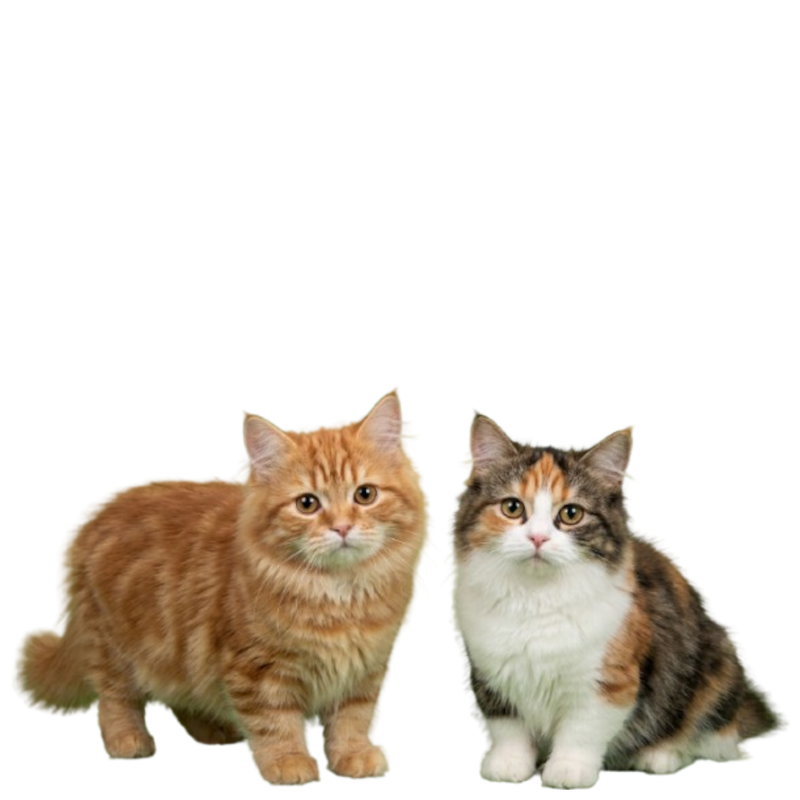
appearance
When observing the Minuet, the most striking anatomical feature is the juxtaposition of a robust, semi‐cobby axial skeleton with significantly shortened appendicular elements. This creates a low center of gravity without sacrificing the structural integrity of the spinal column or the density of the musculature. The Minuet’s frame is built for stability, featuring a broad chest and a well‐developed muscular hypertrophy that provides a powerful, rounded silhouette even beneath a dense coat.
Cranial Conformation and Facial Topography
The cephalic region of the Minuet follows a distinctly circular geometric path. Unlike the elongated profiles of many oriental breeds, the Minuet’s skull is broad and rounded, providing a wide base for the facial features.
- Zygomatic Arch: The cheekbones are notably full and prominent, contributing to the overall roundness of the facial mask.
- Nasal Bridge: There is a perceptible “stop” at the junction of the frontal and nasal bones, though it lacks the extreme indentation seen in more brachycephalic types.
- Pinna Orientation: The ears are medium in size, featuring rounded tips. They are set wide apart to follow the smooth contour of the cranium rather than sitting high on the crown.
- Orbital Structure: The eyes are large and globular, situated with a significant inter—orbital width that enhances the “open” expression of the face.
Appendicular and Axial Skeletal Alignment
The shortened limbs of the Minuet are the result of specific skeletal modifications, yet they must maintain precise alignment to support the torso efficiently.
| Feature | Anatomical Description |
|---|---|
| Forelimbs | Shortened humerus and radius/ulna segments; must appear straight from the scapula to the paws without inward bowing. |
| Hindlimbs | Femur and tibia/fibula are also shortened, though the hindquarters typically sit slightly higher than the withers. |
| Thoracic Cavity | Broad and deep, providing ample room for respiratory and cardiac function within a condensed frame. |
| Caudal Vertebrae | The tail is proportional to the body length, tapering from a thick base to a rounded tip. |
The ratio of the length of the forelimbs () to the total body length () can be represented as a specialized anatomical constant for the Minuet:
Minuet Morphological Limb-to-Body Ratio
- Morphological Ratio: Anatomical Constant, the numerical value used to quantify the degree of dwarfism and ensure the cat adheres to the specific skeletal standards of the Minuet.
- : Forelimb Length, the vertical measurement of the front leg from the top of the shoulder blade to the ground.
- : Total Body Length, the horizontal measurement of the cat from the base of the neck to the base of the tail.
A feline morphologist evaluates a show-quality Minuet to document its proportions. The cat’s body length () is measured at 30 cm, while its shortened forelimbs () measure 10 cm. Dividing 10 by 30 results in a Morphological Ratio of 0.33. This value is significantly lower than that of a standard domestic cat, which typically exhibits a ratio closer to 0.60, thus providing a mathematical confirmation of the Minuet’s unique low-slung stature and short-legged phenotype.
Integumentary System and Coat Texture
The Minuet possesses a thick, resilient coat that comes in two distinct lengths, both of which serve to emphasize the rounded contours of the body.
- Guard Hair Structure: In both long and short varieties, the guard hairs have a substantial texture that prevents the coat from laying completely flat against the dermis.
- Undercoat Density: A well‐developed undercoat provides a plush, “stand‐off” quality, especially around the neck and hindquarters.
- Dermal Elasticity: The skin is supple and fits snugly over the muscular frame—essential for maintaining a fluid gait despite the reduced limb length.
behavior
The behavioral repertoire of the Minuet is characterized by an active, persistent engagement with the immediate environment. While their morphology is specialized, their ethogram reveals a cat that is anything but sedentary. One observes that the Minuet compensates for its shorter stature with increased horizontal locomotion and a methodical approach to environmental navigation. This breed maintains a high level of social curiosity, often initiating interactions through a series of tactile and acoustic signals designed to maintain proximity with their social group.
Social Integration and Tactical Communication
The Minuet is a highly gregarious animal that prioritizes group cohesion. Their social strategies are built around frequent, low‐intensity interactions that prevent conflict and reinforce bonds.
- Allomarking: Minuets frequently engage in scent exchange by rubbing their perioral glands against social partners, a behavior that establishes a “group scent.”
- Acoustic Greeting: They utilize a specific trill—a mixture of a purr and a meow—to facilitate non‐threatening approaches toward conspecifics.
- Social Facilitation: The presence of an active partner often triggers a “copycat” effect, where the Minuet will join in grooming or exploration sequences simply because another is engaged.
Locomotor Patterns and Environmental Adaptation
Because the Minuet cannot rely on extreme vertical leaping, their exploration strategies are more lateral and tactical. They are adept at navigating complex terrestrial environments with agility.
| Behavioral Event | Observation Summary |
|---|---|
| Exploratory Patrolling | Uses a “scouts‐style” movement, pausing frequently to sample olfactory cues at floor level. |
| Modified Verticality | Mapss heights by identifying intermediate “stepping stones” rather than attempting a single maximal leap. |
| Predatory Play | Focuses on high‐speed ground pursuits; shows high proficiency in the “pounce‐and‐clasp” motor pattern. |
Vocalization and Postural Signaling
Communication in the Minuet is often subtle, relying on a combination of quiet vocalizations and specific tail carriage.
- Tail Posture: When investigating, the tail is often held in a “question mark” curve, signaling a high state of inquisitive arousal without aggression.
- Solicitation Purring: They employ a specific frequency of purr that incorporates a high‐pitched cry component to elicit caregiving or feeding responses.
- Visual Mimicry: Minuets frequently sit on their hind legs—often called “prairie dogging”—to extend their visual range when auditory stimuli are detected from a distance.
Circadian Rhythms and Activity Bursts
The Minuet typically follows a crepuscular rhythm, with high‐intensity locomotor play (HILP) occurring in distinct windows. The intensity of these bursts () can be viewed as a function of environmental stimulation () over time ():
Minuet High-Intensity Locomotor Play (HILP)
- : Burst Intensity, the total cumulative energy expended by the cat during a high-speed play episode.
- : Time Integral, the mathematical sum of all activity occurring from the start of the burst at time until its conclusion at time .
- : Environmental Stimulation, the varying level of external triggers, such as moving toys or social interaction, present at any given moment.
- : Time Variable, representing the progression of the play window in seconds or minutes.
A behaviorist monitors a Minuet during its evening activity window. The burst begins at and lasts for 300 seconds (). Throughout this period, the stimulation level from a feathered teaser wand is averaged at a constant 5 units per second. By calculating the integral of 5 from 0 to 300, the result is an of 1,500 energy units. This high value explains the intense, low-to-the-ground sprinting characteristic of the Minuet, as their short-limbed anatomy allows them to maintain a high with exceptional stability during these rapid bursts.
During these periods of , the Minuet exhibits rapid, erratic movements across the horizontal plane, utilizing their lower center of gravity to execute sharp directional changes that would be less stable in longer‐limbed breeds.
color
The chromatic landscape of the Minuet is a complex interplay of eumelanin and phaeomelanin distribution across a dense, multi‐layered pelage. One observes that the Minuet’s unique history allows for an expansive range of pigment densities—from the deep saturation of dense eumelanin to the delicate refraction found in dilute and inhibited phenotypes. The structural depth of the coat further influences how light interacts with the pigment granules, often resulting in high visual contrast between the base undercoat and the guard hair terminals.
Eumelanistic and Phaeomelanistic Foundations
At the biochemical level, the Minuet exhibits two primary pigment types that serve as the foundation for all observable hues. The concentration and shape of these granules determine the specific visual output.
- Eumelanin (Black‐Based): Characterized by spherical granules that absorb a broad spectrum of light. In its densest form, this produces a deep black; when granules are ovoid or spaced further apart, the result is a chocolate or cinnamon hue.
- Phaeomelanin (Red‐Based): These elongated granules produce warm tones ranging from cream to deep vibrant red. The presence of “rufism” factors can significantly intensify the saturation of these pigments.
- Dilution Effects: When pigment granules are clumped together rather than evenly distributed, the light scatters, creating the visual illusion of blue (dilute black), lilac (dilute chocolate), or fawn (dilute cinnamon).
Pattern Morphology and Pigment Migration
The distribution of pigment across the Minuet’s body often follows specific topographical maps, ranging from solid uniformity to complex, multi‐tonal arrangements.
| Pigment Category | Phenotypic Expression |
|---|---|
| Self/Solid | Uniform distribution of pigment granules from the hair follicle base to the terminal tip across the entire body. |
| Silver/Smoke | Pigment inhibition at the base of the hair shaft, leaving the proximal portion clear while the distal end carries dense eumelanin or phaeomelanin. |
| Pointed | Thermosensitive pigment expression where melanocyte activity is restricted to the extremities (pinnae, tail, and distal limbs). |
| Parti‐color | Areas of total pigment absence (white) interspersed with regions of dense pigmentation, resulting from varied melanocyte migration during development. |
Light Refraction and Optical Effects
In inhibited and tipped varieties of the Minuet, the visual color is not solely a product of chemistry but also physics. The Tyndall effect and specific light refraction ratios define the “shimmer” seen in chinchilla and shaded phenotypes. The Refractive Index () of the hair shaft can be conceptualized as:
Minuet Refractive Index and Coat Shimmer
- : Refractive Index, the dimensionless number that describes how light propagates through the hair shaft of the Minuet.
- : Speed of Light in a Vacuum, the universal physical constant representing the maximum speed at which light travels in empty space.
- : Phase Velocity, the specific speed at which light travels through the keratin and pigment layers of the cat’s hair fiber.
A specialized feline groomer evaluates a silver chinchilla Minuet to understand why its coat appears to sparkle under studio lighting. The speed of light in a vacuum () is approximately 300,000 kilometers per second. In the dense, translucent keratin of the Minuet’s hair, the light is measured traveling at a phase velocity () of 193,548 kilometers per second. Dividing 300,000 by 193,548 results in an of 1.55. This high refractive index, combined with the pigment being restricted to the very tips of the hair, causes the light to bend and reflect internally, creating the signature luminous shimmer characteristic of the breed.
In varieties where the pigment is restricted to the outer one eighth of the hair shaft (chinchilla), the high volume of translucent keratin creates a distinct sparkling effect.
Ticking and Agouti Banding
The agouti phenotype in Minuets involves a rhythmic switching of pigment types within a single hair growth cycle. This results in distinct bands of eumelanin and phaeomelanin.
- Ground Color: The lighter bands between the darker eumelanistic markings, often enriched by phaeomelanin.
- Ghost Markings: Faint remnants of tabby patterns often visible in neonates or in “solid” red varieties where eumelanin suppression is incomplete.
- Ticking Density: The frequency of pigment switches along the longitudinal axis of the guard hair, contributing to the overall “salt‐and‐pepper” appearance in ticked varieties.
compatibility
Ease of Maintenance
Rating: 2/5
Child Friendly
Rating: 4/5
Annual Cost
Rating: 3/5
Lifetime Cost
Rating: 3/5
Adaptability
Rating: 4/5
Velcro Factor
Rating: 5/5
Quietude
Rating: 4/5
Apartment Suitability
Rating: 5/5
Hypoallergenic
Rating: 2/5
Handling Tolerance
Rating: 5/5
Hardiness/Longevity
Rating: 4/5
Prey Drive
Rating: 4/5
genetics
The genomic profile of the Minuet represents a complex intersection of specific loci responsible for skeletal modification and craniofacial development. One observes that the Minuet’s unique blueprint is defined by the interaction between a dominant limb‐shortening mutation and a polygenic suite that influences head and coat structure. This biological synthesis requires a precise understanding of how single‐gene Mendelian traits coexist with more nuanced, additive genetic factors to produce a consistent phenotype across generations.
The Mk Locus and Chondrodysplastic Inheritance
The primary defining feature of Minuets is the presence of a specific mutation at the Munchkin () locus. This is an autosomal dominant trait that affects the development of long bones by interrupting the normal calcification process of the growth plates.
- Autosomal Dominance: A single copy of the dominant allele () is sufficient to express the shortened limb phenotype.
- Homozygous Lethality: Evidence suggests that the homozygous dominant genotype () is embryonic lethal. Consequently, all living Minuets expressing the trait are heterozygotes ().
- Segregation Ratios: In a mating between two heterozygous Minuets, the Mendelian probability of viable offspring follows a ratio of affected to unaffected individuals, rather than the standard , due to the loss of the class.
| Genotype | Viability | Phenotypic Expression |
|---|---|---|
| Mkmk | Viable | Heterozygous affected (shortened limbs) |
| mkmk | Viable | Homozygous recessive (standard limb length) |
| MkMk | Non‐viable | Lethal in early embryonic development |
Polygenic Influence on Craniofacial Conformation
While the limb length is controlled by a single locus, the facial topography of the Minuet is the result of polygenic inheritance. This involves the additive effect of multiple alleles across various loci that dictate the curvature of the zygomatic arches and the depth of the frontal bone.
- Quantitative Trait Loci (QTL): Multiple genomic regions contribute to the “sweet” facial expression, where each allele adds a small increment to the overall roundness of the skull.
- Selection Pressure: Intentional selection for specific cranial ratios has fixed certain alleles that produce a larger, more globular orbital structure compared to the wild‐type feline.
Epistatic Interactions and Pelage Genetics
The Minuet genome allows for the expression of nearly all known feline coat alleles, but certain epistatic interactions determine the final visual outcome. The Longhair gene (), located on feline chromosome , is a frequent focal point of Minuet’s genomic analysis.
- Fibroblast Growth Factor 5 (FGF5): Mutations in this gene result in the longhair phenotype (). It is inherited as an autosomal recessive trait.
- Incomplete Dominance: While the locus is primarily recessive, some modifiers can result in varying degrees of coat density and length within heterozygous () individuals.
The probability () of an offspring inheriting a specific combination of the and alleles can be calculated using the product rule for independent assortment:
Minuet Multilocus Inheritance Probability
- : Joint Probability, the mathematical likelihood that a single kitten will inherit both the short-legged trait and a long-haired coat simultaneously.
- : Munchkin Allele Probability, the chance of inheriting the dominant mutation responsible for the characteristic short limbs of the Minuet.
- : Longhair Allele Probability, the chance of inheriting two copies of the recessive mutation in the FGF5 gene, which results in a long coat.
- : Product Rule, the principle used to calculate the combined probability of two independent genetic events occurring together.
A breeder pairs two Minuets that are both heterozygous for both traits (). According to Mendelian ratios for surviving offspring, the probability of a kitten being short-legged () is 2/3, and the probability of being long-haired () is 1/4. By multiplying 2/3 by 1/4, the breeder determines that the is 2/12, or approximately 16.7%. In a typical litter, this calculation helps the breeder predict that roughly one out of every six kittens will be born as a long-haired Minuet rather than a short-haired or long-legged variant.
This formula underscores the genetic diversity possible within the breed, as the skeletal and integumentary traits segregate independently on different chromosomes.
health
Understanding the pathophysiology of the Minuet requires a focused look at how their unique structural framework interacts with common feline systemic vulnerabilities. While many of their clinical predispositions are shared with their foundational lineage, the Minuet’s specific anatomical configuration necessitates a targeted approach to monitoring spinal and joint health. By analyzing the biochemical and physiological markers of the Minuet, we can identify the primary areas where preventative care and early diagnostic intervention are most critical to maintaining systemic homeostasis.
Cardiovascular and Renal Considerations
Like many domestic feline populations with a specific heritage, Minuets may exhibit a predisposition toward certain organ‐system failures. Monitoring the following conditions is essential for early clinical management.
- Polycystic Kidney Disease (PKD): This involves the formation of fluid‐filled cysts within the renal parenchyma. If left unchecked, the expanding cysts can cause a measurable decline in the Glomerular Filtration Rate ().
- Hypertrophic Cardiomyopathy (HCM): This condition involves the pathological thickening of the left ventricular myocardium. This structural change reduces the volume of the ventricular chamber, leading to impaired diastolic filling.
- Renal Insufficiency: General monitoring of Creatinine and Blood Urea Nitrogen (BUN) levels is vital, as the Minuet may follow standard feline patterns of age‐related nephron loss.
Musculoskeletal Pathophysiology
The unique appendicular structure of the Minuet places specific mechanical stresses on their joints and axial skeleton. While they do not typically suffer from the same primary spinal issues as canine counterparts with similar frames, certain vulnerabilities remain.
| Clinical Condition | Pathophysiological Mechanism |
|---|---|
| Osteoarthritis | Degenerative wear of the articular cartilage, often occurring earlier in joints that manage higher weight‐to‐length ratios. |
| Lordosis | An inward curvature of the lumbar spine that, in severe cases, can put pressure on the thoracic organs. |
| Pectus Excavatum | A structural deformity of the sternum that may narrow the thoracic cavity, potentially impacting pulmonary expansion. |
Respiratory and Ocular Health
The craniofacial structure of the Minuet can occasionally lead to secondary health issues related to the drainage and ventilation systems of the head.
- Nasolacrimal Duct Obstruction: Due to the rounded facial conformation, the drainage of lacrimal fluid (tears) may be less efficient, leading to epiphora (excessive tearing) and subsequent localized dermatitis.
- Upper Respiratory Vulnerability: While not strictly brachycephalic, the Minuet’s facial structure requires monitoring for efficient airflow and sinus drainage to prevent chronic inflammatory responses.
Physiological Ratios and Monitoring
In clinical settings, the body condition score (BCS) must be evaluated carefully against the Minuet’s natural density. The relationship between caloric intake () and metabolic rate () can be modeled to prevent obesity, which exacerbates joint stress:
Minuet Metabolic Energy Balance
- : Net Energy Balance, the final numerical value indicating whether the cat is gaining weight, losing weight, or maintaining its current mass.
- : Caloric Intake, the total amount of energy consumed through food and treats over a specific twenty-four hour period.
- : Metabolic Rate, the total energy expended by the body through a combination of resting life functions and physical activity.
A clinical nutritionist develops a weight management plan for an adult Minuet to protect its joints from excessive loading. The cat has a calculated metabolic rate () of 240 calories per day, accounting for its sedentary indoor lifestyle. The owner provides a measured diet totaling 225 calories (). By subtracting 240 from 225, the resulting is −15 calories. This consistent negative balance ensures a slow, safe reduction in adipose tissue, which is the primary strategy for managing the long-term orthopedic health of the Minuet.
Maintaining a neutral or slightly negative is the primary clinical strategy for mitigating the progression of degenerative joint disease in Minuets. Regular screening for cardiac biomarkers and renal ultrasound remains the “gold standard” for long‐term health surveillance.
longevity
Analyzing the life expectancy of the Minuet involves a careful examination of mortality rates across several distinct life stages. While the median lifespan generally aligns with other domestic feline populations, the specific rate of senescence—the biological process of aging—can be influenced by a variety of environmental and physiological stressors. By mapping out the geriatric transition and the probability of survival into the late teens, we can better understand the baseline longevity for this population. These statistical patterns provide a clear framework for identifying the shift from peak physiological performance to the onset of age‐related decline.
Life Cycle Stages and Geriatric Transition
The aging process in Minuets follows a non‐linear trajectory, with a significant shift in biological maintenance occurring after the first decade of life. The “geriatric transition” represents the period where cellular repair mechanisms begin to slow, and the probability of mortality begins its upward curve.
| Life Stage | Age Range (Years) | Statistical Description |
|---|---|---|
| Early Maturity | 1–6 | Period of peak physiological stability and lowest mortality risk. |
| Mature Adult | 7–10 | Early indicators of senescence begin at the cellular level. |
| Senior Phase | 11–14 | Increased risk of chronic conditions; a critical period for survival curves. |
| Geriatric | 15+ | High mortality rates; individuals in this cohort represent “successful aging.” |
Survival Probability and Mortality Modeling
To estimate the likelihood of a Minuet reaching a specific age, we utilize survival probability models. If we define as the probability that an individual Minuet will survive from birth to age , the function typically follows a Gompertz distribution in later years, where mortality increases exponentially with age.
The instantaneous mortality rate (hazard function) for the Minuet can be expressed as:
Minuet Instantaneous Mortality Rate
- : Hazard Function, the instantaneous risk of mortality at a specific age .
- : Initial Vulnerability, the baseline mortality risk for a young adult cat due to non-aging factors.
- : Euler’s Number, the mathematical constant approximately equal to 2.718 which facilitates exponential growth modeling.
- : Rate of Senescence, the constant that dictates how rapidly the risk of death increases as the cat grows older.
- : Age in Years, the current point in time for which the mortality risk is being assessed.
A researcher studying the longevity of the Minuet applies the Gompertz law to a cohort of senior cats. They determine the baseline vulnerability () to be 0.002 and the rate of senescence () to be 0.3 per year. For a Minuet that has reached the age of 10 (), the calculation becomes . Since is approximately 20.08, the resulting is 0.040. This result indicates that at age 10, the cat has a 4% instantaneous risk of mortality, a figure that will continue to rise exponentially as the Minuet enters its mid-teen years.
In this formula, represents the initial vulnerability (base mortality), while represents the rate of senescence. For Minuets, a stable value suggests a predictable aging process that reflects the broader domestic cat population, typically resulting in a median life expectancy between 12–15 years, with some resilient individuals exceeding this range significantly.
Factors Influencing the Rate of Senescence
The speed at which a Minuet moves through its life stages is not fixed; it is a dynamic outcome of metabolic and environmental variables. Understanding these factors is key to predicting the longevity of a specific cohort.
- Metabolic Rate and Aging: The “rate of living” theory suggests that individuals with consistently high metabolic stressors may reach the geriatric transition earlier.
- Environmental Impact on Mortality: Indoor residency remains the most significant statistically significant factor in extending the survival curve, as it eliminates external trauma and acute infectious risks.
- Biochemical Markers of Aging: As senescence progresses, we often see a decline in regenerative capacity, which can be tracked through specific physiological shifts in the Minuet’s late senior years.
Statistical Longevity Outcomes
In large‐scale longitudinal studies of domestic feline breeds, the Minuet demonstrates a robust survival rate through the mature adult phase. The slope of the survival curve typically steepens once the individual passes 12 years of age.
- Survival Curve Plateau: A small percentage of Minuets reach a “survival plateau” where, having survived the most common late‐senior risks, they maintain a stable but fragile homeostasis into their late teens.
- Mortality Compression: The goal of modern veterinary care is to compress the period of age‐related morbidity so that the Minuet maintains a high quality of function for the majority of its natural lifespan.
maintenance
Properly maintaining the Minuet requires a calculated approach to both nutritional energy balance and meticulous topical care. Because of their specialized physical frame and dense pelage, their metabolic demands and grooming requirements differ significantly from more elongated, single‐coated breeds. Success in husbandry for Minuets relies on a proactive strategy that balances high‐quality protein intake with environmental modifications that support their unique locomotor patterns, ensuring that the animal remains at an ideal physiological state without placing undue stress on their system.
Nutritional Bioengineering and Caloric Precision
The primary goal of Minuet nutrition is the prevention of metabolic drift and excess adiposity. A sedentary lifestyle coupled with high caloric density can lead to systemic strain. Calculating the Resting Energy Requirement (RER) is the critical first step in establishing a baseline.
The RER for a Minuet is calculated using the following physiological formula (where is body mass in kilograms):
Minuet Resting Energy Requirement
- RER: Resting Energy Requirement, the number of calories an individual cat burns daily while at complete rest to maintain essential life functions like breathing and heart rate.
- 70: Metabolic Constant, a standardized value used in feline physiology to represent the energy needs of a typical domestic cat.
- BM: Body Mass, the current weight of the Minuet measured specifically in kilograms.
- 0.75: Allometric Scaling Exponent, a mathematical power used to account for the fact that metabolic rate does not increase linearly with weight, but rather in proportion to metabolic body size.
A veterinarian needs to determine the base caloric needs for a healthy adult Minuet that weighs 3.5 kilograms. First, the weight is raised to the 0.75 power, resulting in approximately 2.56. This value is then multiplied by the metabolic constant of 70 (). The final result is a Resting Energy Requirement of 179.2 calories per day. This baseline allows the owner to precisely measure portions to prevent weight gain, which is vital for protecting the Minuet’s joints and unique skeletal structure.
To determine the Total Daily Energy Requirement (TDER), we apply a lifestyle multiplier ():
Minuet Total Daily Energy Requirement
- TDER: Total Daily Energy Requirement, the final target for daily caloric intake to maintain a healthy body condition.
- k: Lifestyle Multiplier, a coefficient that adjusts the baseline energy needs based on specific factors like neuter status, age, and activity level.
- RER: Resting Energy Requirement, the basic amount of energy needed for the body to function while at rest.
A caregiver needs to set the exact meal plan for an indoor, neutered adult Minuet. The cat’s baseline Resting Energy Requirement (RER) has been calculated at 180 calories. Because the cat is a neutered adult with a moderate activity level, the veterinarian assigns a lifestyle multiplier () of 1.2. By multiplying 1.2 by 180, the result is a TDER of 216 calories per day. This tailored approach ensures the Minuet receives enough energy for play without exceeding the caloric threshold that would lead to obesity and subsequent joint strain.
| Activity Level | Multiplier (k) | Nutritional Focus |
|---|---|---|
| Neutered Adult | 1.2 | High fiber, moderate lipid profile to maintain satiety. |
| Active/Intact | 1.4–1.6 | Increased amino acid concentrations for muscle maintenance. |
| Sediatric/Geriatric | 1.0 | Focus on highly digestible proteins and joint support additives. |
Dermatological Maintenance and Grooming Protocols
The Minuet’s integumentary system is characterized by significant sebum production levels, which can lead to matting if not managed through a consistent mechanical removal process.
- Follicular Debridement: Daily sessions with a stainless‐steel comb are required to reach the undercoat and prevent the formation of “trichobezoars” (hairballs).
- Periodontal Prophylaxis: Due to their cranial structure, Minuets benefit from daily mechanical plaque removal to prevent the onset of gingival inflammation.
- Hygroscopic Needs: Maintaining an ambient humidity of 40%–50% prevents the coat from becoming overly brittle, which reduces the rate of breakage and shedding.
Environmental Enrichment and Ergonomic Standards
Creating a space that respects the Minuet’s physical capabilities is essential for their psychological and physical wellbeing.
- Vertical Navigation: Provide staggered, multi‐level platforms. Instead of a single high‐velocity jump, Minuets utilize a series of lower‐elevation “steps” to navigate height.
- Olfactory and Tactile Stimuli: Use varied textures in scratching surfaces to encourage natural marking behaviors and digital stretching.
- Hydration Engineering: Utilize recirculating water fountains to encourage frequent intake, as Minuets can have a low thirst drive, making them susceptible to concentrated urine and crystalluria.
measurements
| Measurement | Female | Male | ||
|---|---|---|---|---|
| Metric | Imperial | Metric | Imperial | |
height | 13 – 18 centimeters | 5 – 7 inches | 13 – 20 centimeters | 5 – 8 inches |
length | 25 – 36 centimeters | 10 – 14 inches | 30 – 41 centimeters | 12 – 16 inches |
weight | 2.3 – 4.1 kilograms | 5 – 9 pounds | 3.2 – 5.4 kilograms | 7 – 12 pounds |
• Height: Refers to the measurement at the withers (shoulders).
• Length: Measured from the tip of the nose to the base of the tail.
origin
The establishment of the Minuet lineage represents a deliberate anthropogenic selection process designed to merge disparate ancestral clades into a singular, stable population. Unlike landrace populations that emerge through geographic isolation and natural selection, the Minuet is a product of modern phylogenetic engineering that utilizes the deep history of long‐established domestic lineages. By tracing the migratory routes of its foundational stock—specifically those descending from ancient Middle Eastern and European feline populations—we can map the convergence of distinct morphological traits into the current Minuet identity. This timeline reflects a shift from accidental mutation to systematic breed stabilization within the broader context of feline history.
Chronological Development of the Lineage
The formation of the Minuet did not occur in a vacuum; it required the systematic integration of two primary ancestral lines. The timeline below outlines the key phases of this lineage establishment and the transition from disparate clades to a recognized population.
| Time Period | Historical Milestone | Evolutionary Impact |
|---|---|---|
| Pre‐1990s | Identification of spontaneous limb mutations in feral populations. | Discovery of the foundational autosomal trait within the global landrace pool. |
| 1995–1996 | Initial cross‐clade breeding programs initiated by Joseph B. Smith. | The primary phylogenetic divergence of the Minuet from its ancestor populations. |
| 2001 | Provisional recognition by international registrars. | Shift from an experimental population to a documented, stable lineage. |
| 2016 | Championship status achieved in major registries. | Full integration into the formal feline historical record as a distinct clade. |
Ancestral Clades and Phylogenetic Divergence
The Minuet exists at the nexus of two historically significant feline groups. The first group provides the structural foundations of the Middle Eastern longhair clades, while the second provides the localized mutation found in various global feline populations throughout the 20th century.
- The Persian Ancestral Influence: This clade traces its origins back to 17th‐century migratory routes from Persia (modern‐day Iran) to Europe. Its inclusion in the Minuet’s history ensures the preservation of ancient facial and cranial topography.
- The Munchkin Mutation Point: The specific skeletal divergence that defines the Minuet was first documented in Louisiana, USA, during the early 1980s. This serves as the modern “node” in the Minuet’s phylogenetic tree.
- Clade Convergence: The Minuet represents a deliberate hybridity where the phenotypic markers of the ancient “longhair” clades are superimposed onto the modern skeletal mutation.
Population Modeling and Lineage Stability
The probability of maintaining lineage purity while avoiding extreme inbreeding depression can be modeled through the Effective Population Size (). For the Minuet, is managed through a strategy of controlled outcrossing to foundational breeds to ensure genomic health without losing the specific traits that define the population.
The rate of genetic drift () within the Minuet population over generations () is estimated by:
Minuet Genetic Drift and Lineage Stability
- : Inbreeding Coefficient, the probability that two alleles at a specific locus in an individual are identical by descent from a common ancestor after generations.
- : Theoretical Maximum, representing the point of total genetic fixation where all genetic diversity at a locus has been lost.
- : Effective Population Size, the number of breeding individuals in the Minuet population that contribute offspring to the next generation, influencing the strength of genetic drift.
- : Number of Generations, the specific interval of time being measured, where one generation typically represents the average age of parents when their offspring are born.
- : Total Allele Pool, the total number of gene copies available in a diploid population of size .
A conservation geneticist analyzes a small, isolated group of Minuets with an effective population size () of 50. To predict the level of genetic drift after 10 generations (), the formula is applied: . This simplifies to , which equals approximately . The resulting is 0.096, indicating a 9.6% increase in inbreeding. This result alerts breeders that they must introduce outcrossing with foundational breeds to increase and prevent the fixation of harmful traits within the Minuet lineage.
This mathematical approach allows historians and breeders to maintain the historical “integrity” of the Minuet while preventing the rapid fixation of deleterious alleles that often plagues small, isolated clades.
Geographic and Anthropogenic Migration
The “migration” of the Minuet has been primarily anthropogenic rather than geographic. Instead of crossing land bridges or oceans via natural dispersal, the Minuet’s expansion has occurred through the international exchange of breeding stock.
- Early Dispersal: From the United States, the Minuet clade expanded into Canadian and European registries by the late 1990s.
- Selection Pressure: Human intervention acted as the primary driver of evolution, selecting for specific “sweet” facial ratios that distinguish the Minuet from its more ancestral “standard” relatives.
- Lineage Fixation: By the second decade of the 21st century, the Minuet reached a state of historical fixation, where the traits associated with the lineage began to breed true across global populations.
temperament
The dispositional profile of the Minuet is defined by a significant reduction in environmental neophobia and a concurrently high threshold for emotional reactivity. One observes that Minuets possess a psychological architecture that prioritizes social cohesion over territorial hyper‐vigilance, a trait likely reinforced by their historical selection for domestic stability. This breed displays a distinct form of gregariousness that manifests as a consistent desire for proximity to both conspecifics and heterospecifics. By analyzing their sensory thresholds and stress‐recovery cycles, we can identify a temperament that is structurally resilient yet deeply dependent on a stable social environment to maintain psychological homeostasis.
Core Dispositional Traits and Sensory Thresholds
The Minuet’s inherent nature is best understood through its response to external stimuli. Their temperament leans heavily toward the “bold” end of the shy–bold continuum, characterized by a rapid return to baseline after a startling event.
- Emotional Reactivity: Low. Unlike more reactive ancestral clades, the Minuet maintains a stable affect even when exposed to novel auditory or visual stimuli.
- Environmental Neophobia: Minimal. They display an exploratory drive that outweighs the typical feline instinct to retreat from unfamiliar territory.
- Affiliative Motivation: High. The Minuet has a powerful internal drive for tactile and social engagement, often exhibiting what is clinically described as “velcro‐like” attachment styles.
Sociability and Intra‐Species Dynamics
The Minuet exhibits a sophisticated level of intra‐species sociability, which allows them to integrate into multi‐feline or multi‐species households with minimal agonistic tension.
| Temperament Factor | Dispositional Placement | Psychobiological Impact |
|---|---|---|
| Gregariousness | High | Facilitates rapid social bonding and reduces isolation‐induced stress. |
| Aggression Threshold | Extremely High | Rare manifestation of defensive aggression, favoring avoidance or de‐escalation. |
| Attention Solicitation | Active | High frequency of proximity‐seeking behaviors directed at human caretakers. |
Modeling Exploratory Drive and Persistence
The exploratory drive () of a Minuet can be modeled as a function of their innate curiosity () minus their environmental anxiety (). Because their anxiety levels are statistically lower than the average domestic feline, their resulting drive remains high across most contexts.
Minuet Exploratory Drive and Persistence
- : Exploratory Drive, the net intensity of a cat’s motivation to investigate new objects, scents, or areas within its territory.
- : Innate Curiosity, a high-value behavioral constant representing the natural predisposition of the Minuet to seek out sensory input and environmental mastery.
- : Environmental Anxiety, the degree of hesitation or fear-based inhibition caused by unfamiliar stimuli or changes in the household layout.
An animal behaviorist assesses a young Minuet introduced to a new activity room. The cat’s Innate Curiosity () is rated at a high 8.5 out of 10 based on breed standards. Because the room is quiet and secure, its Environmental Anxiety () is measured at a negligible 0.5. By subtracting the anxiety from the curiosity (), the resulting Exploratory Drive () is 8.0. This high score explains why the Minuet immediately begins a systematic and persistent investigation of every corner and object in the room, demonstrating the breed’s typical need for sensory engagement.
Given that approaches in stable environments, the Minuet is characterized by a persistent and thorough investigative nature. This persistence is not driven by a high prey‐drive in the traditional sense, but rather a psychobiological need for environmental mastery and sensory input.
Neotenic Psychological Markers
The Minuet retains several neotenic (kitten‐like) psychological markers well into adulthood. This “pedomorphosis of the mind” is a central pillar of their temperament.
- Play Persistence: Minuets maintain a high level of object play and social play throughout their geriatric transition, suggesting a long‐term retention of juvenile neuroplasticity.
- Docility: Their inherent docility is a structural component of their personality, making them highly tolerant of handling and external manipulation.
- Sensory Processing: They possess a high sensory threshold for pain and discomfort, which contributes to their reputation as a stoic and steady companion in busy environments—though this trait requires careful monitoring to ensure the animal’s needs are met.