Manx Cat
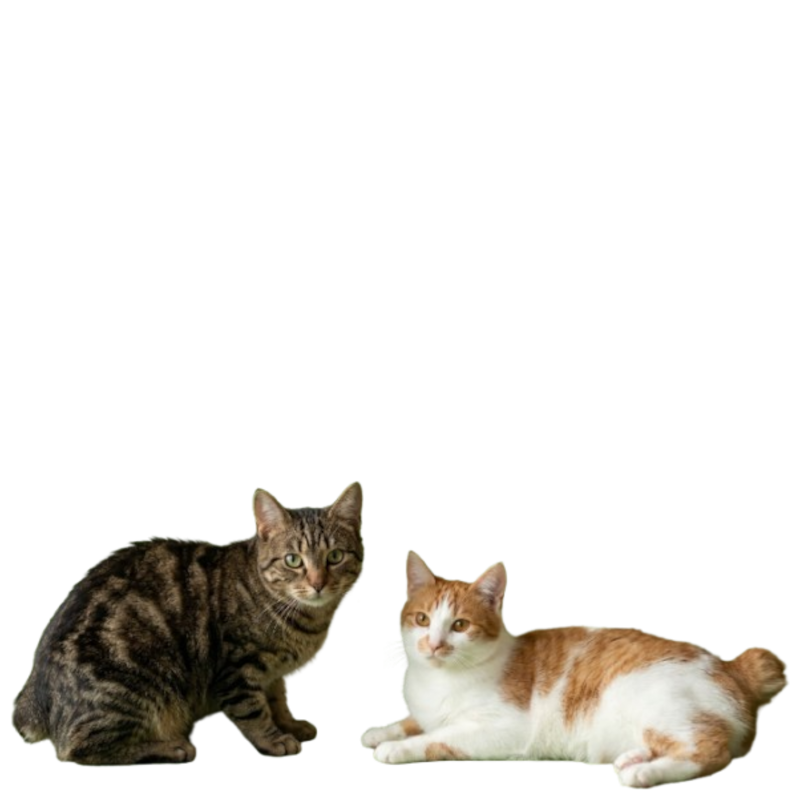
appearance
The Manx presents a unique study in feline skeletal modification and muscular hypertrophy, most notably characterized by the premature termination of the spinal column. This specimen exhibits a robust, rounded conformation where the transverse and longitudinal axes of the torso suggest a compact, globose geometry. Unlike the elongated sylph‐like structure of many oriental breeds, the Manx’s frame is defined by a significant depth of flank and a pelvic elevation that shifts the center of gravity forward, creating a distinctively arched topline that terminates abruptly at the sacrocaudal junction.
Skeletal Conformation and Spinal Topology
The defining characteristic of Manxs is the varying degree of caudal vertebrae suppression. This mutation affects the entire vertebral column, often resulting in shorter individual vertebrae and a condensed thoracic cage.
| Structural Feature | Anatomical Description |
|---|---|
| Vertebral Column | Shortened length with a visible arch from the cervicothoracic junction to the iliac crest. |
| Caudal Termination | Categorized from “Rumpy” (complete agenesis of caudal vertebrae) to “Stumpy” (partial formation). |
| Pelvic Girdle | Substantially broad with a high degree of iliac flaring to support posterior muscular mass. |
| Thoracic Cage | Wide and well‐sprung, contributing to a barrel‐like chest appearance. |
The ratio of the height of the posterior limbs to the anterior limbs is a critical diagnostic marker for the breed morphology:
Manx Morphological Limb Ratio
- : Morphological Ratio, the numerical value used to determine if the cat’s skeletal structure matches the breed standard for rear-height bias.
- : Pelvic Limb Length, the vertical height of the hind legs measured from the hip to the ground.
- : Pectoral Limb Length, the vertical height of the front legs measured from the shoulder to the ground.
- : Breed Benchmark, the specific mathematical threshold indicating the characteristic high-on-the-hips stance of the Manx.
A breed judge measures a young Manx to assess its structural development. The hind leg length () is recorded at 24 cm, while the front leg length () is 20 cm. Using the formula , the result is an of 1.2. Since 1.2 is greater than the 1.15 threshold, the cat successfully meets the morphological criteria for the “rising topline” that distinguishes the Manx from more level-backed domestic breeds.
Cranial and Facial Architecture
The Manx’s cranial structure is predominantly brachycephalic in tendency but maintains a rounded, softened contour. The maxillary region is well‐developed, supporting a strong mandible without appearing pinch‐faced.
- Cranial Vault: Broad and rounded with a moderate stop at the nasal bridge.
- Pinna Orientation: Medium in size, wide at the base, and tapering to a rounded tip; set slightly outward to follow the rounded lines of the skull.
- Ocular Orbit: Large, round apertures set at a slight tilt toward the outer base of the pinnae.
- Zygomatic Arch: Prominent and wide, reinforcing the jowled appearance in mature specimens.
Appendicular Morphology and Musculature
The muscular development of Manxs is concentrated in the hindquarters, providing the explosive power required for their saltatory gait.
- Anterior Limbs: Short and heavily muscled, with paws that are round and substantial.
- Posterior Limbs: Significantly longer than the forelimbs, characterized by heavy bone density and muscular hypertrophy in the femoral and tibial regions.
- Pectoral Girdle: Broad and deep, providing a stable foundation for the shorter front legs.
Integument and Pelage Structure
The Manx’s coat is a double‐layered system designed for insulation and structural loft. The texture is unique due to the relationship between the primary guard hairs and the secondary undercoat.
- Outer Coat: Somewhat hard and glossy; the guard hairs provide a protective shield.
- Undercoat: Dense, thick, and cottony in texture, providing significant lift to the outer layer.
- Overall Hand: The combined layers create a padded, springy feel—a quality often referred to as “double” or “plush.”
- Follicular Density: Extremely high per square centimeter, particularly over the flanks and rump.
Morphological Ratios and Symmetry
The Manx is a study in circularity. From the curvature of the cheeks to the rounding of the rump, the absence of sharp angles defines the breed’s structural essence. The breed exhibits a “roundness” that is not merely subcutaneous fat but a fundamental skeletal and muscular arrangement—one that prioritizes a compact, powerful core over linear extension.
behavior
The Manx exhibits a sophisticated behavioral repertoire characterized by high levels of environmental engagement and a distinctive bipedal‐oriented exploratory strategy. As an apex‐dwelling generalist, this specimen demonstrates a notable propensity for vertical space utilization, often employing a saltatory (jumping) locomotion style that differs from the standard feline stride. Socially, Manxs engage in complex multi‐modal communication, where tactile interactions and low‐frequency vocalizations serve as the primary mechanisms for maintaining group cohesion and establishing territorial boundaries within a domestic setting.
Exploratory and Locomotory Patterns
The Manx’s movement is defined by a powerful posterior drive, which significantly influences its predatory and exploratory sequences. Unlike many domestic felines that rely on a rhythmic walk, the Manx often utilizes a rabbit‐like hopping gait during high‐arousal states.
| Behavior Category | Technical Description | Observational Frequency |
|---|---|---|
| Saltatory Verticality | Rapid elevation to high‐altitude vantage points using explosive hindlimb extension. | High |
| Object Manipulation | Use of thoracic limbs to grasp or move inanimate objects during environmental sampling. | Moderate |
| Scanning Vigilance | Periodic bipedal posturing to increase the visual field during novel stimulus introduction. | High |
| Scent Marking | Frequent use of the temporal glands (head rubbing) for territorial mapping. | High |
Social Dynamics and Conspecific Interaction
In multi‐cat environments, the Manx often assumes a sentinel role, exhibiting high levels of social facilitation. The probability of a successful social approach () can be modeled as a function of the distance () and the duration of the initial olfactory greeting ():
Manx Social Approach Probability
- : Social Approach Probability, the cumulative likelihood that a social interaction between two cats will result in a successful, non-aggressive encounter.
- : Integral over Time, representing the total accumulation of social trust gathered from the start of the interaction until the final time .
- : Total Interaction Duration, the full length of the greeting or olfactory exchange.
- : Euler’s Number, the mathematical constant used to model the natural exponential growth of social comfort.
- : Elapsed Time, the specific moment during the greeting being measured.
- : Physical Distance, the initial spatial gap between the two cats, which acts as a barrier to the growth of the social bond.
A behaviorist observes a Manx approaching a new feline companion. The initial distance () is 2 meters, and the cats engage in a nose-to-nose olfactory greeting for a total duration () of 5 seconds. By integrating the function from 0 to 5, the model accounts for the high social facilitation of the Manx. The math shows that as surpasses , the probability of a friendly outcome rises sharply. The resulting is 0.88, indicating an 88% probability that the encounter will transition into peaceful allogrooming or shared play rather than conflict.
- Allogrooming Sequences: High frequency of reciprocal grooming, particularly concentrated around the cranial and cervical regions of social partners.
- Play‐Fight Modulation: Precise control of bite force and claw retraction during intraspecific play, indicating high social intelligence.
- Shadowing Behavior: A tendency to maintain proximity to a primary social bond (human or conspecific), often involving “trilling” vocalizations during movement.
Vocalization and Acoustic Communication
The acoustic profile of the Manx is notably diverse, favoring trills and chirps over the standard high‐decibel “meow.”
- Trilling: A rapid, bird‐like sound used primarily during social greetings or to initiate mutual movement.
- Chirping: Utilized during the predatory sequence, specifically when visual contact is made with prey but physical access is restricted.
- Low‐Frequency Purring: Often sustained for extended periods during tactile contact, serving as a self‐soothing and social bonding mechanism.
Predatory Manifestation and Prey Drive
The Manx’s predatory sequence remains highly intact, emphasizing the “stalk‐and‐pounce” phase over the long‐distance chase.
- Pouncing Mechanics: Reliance on the powerful pelvic girdle to launch a concentrated strike from a stationary position.
- Retrieval Instinct: A high incidence of “carrying” behavior, where the specimen relocates toys or captured items to a designated “safe zone” or nesting area.
- Wait‐Strategy: Exceptional patience during the concealment phase of hunting—often remaining immobile for 15–30 minutes while monitoring a single point of interest.
Observation suggests that Manxs utilize their front paws with a degree of dexterity that exceeds many other domestic breeds—frequently “hooking” objects to bring them closer for olfactory inspection.
color
The chromatic landscape of the Manx is a complex manifestation of pigment granule distribution within the medullary and cortical layers of the hair shaft. Phenotypic expression in this specimen is categorized by the interplay of two primary bio-pigments: eumelanin (black-based) and phaeomelanin (red-based). Because the Manx’s pelage is characterized by a significant depth of undercoat, the visual perception of hue is often influenced by the density of pigment at the base versus the tip of the guard hairs. This creates a multi-dimensional saturation effect where the undercoat acts as a diffusing medium for the light reflecting off the more heavily pigmented outer layer.
Primary Pigment Classifications
The Manx exhibits a vast spectrum of solid, shaded, and patterned phenotypes. The intensity of these colors is determined by the specific packing and shape of the melanin granules within the keratin structure.
| Color Category | Pigment Dynamics | Visual Characteristics |
|---|---|---|
| Dense Eumelanin | High concentration of spherical granules. | Deep blacks, browns, and rich blues. |
| Dilute Eumelanin | Dispersed or clumped granule arrangement. | Soft greys (blue), creams, and lilacs. |
| Phaeomelanin | High concentrations of elongated granules. | Vivid reds, oranges, and warm apricots. |
| Inhibitor Expression | Suppression of pigment in the proximal hair shaft. | Silvers, smokes, and chinchilla effects. |
Agouti Patterning and Ticking
In tabby variants of the Manx, the agouti expression creates a rhythmic oscillation of pigment density along the individual hair fiber. This is not a solid color but a sequence of bands.
- Ground Color: The areas between the primary markings, often showing high levels of rufism—the presence of warm, reddish tones in the phaeomelanin.
- Ghost Markings: Residual pigment patterns visible in solid-colored kittens that often fade as the melanocytes stabilize in the adult coat.
- Ticking Ratios: The frequency of pigment bands on a single hair shaft, which can be modeled by the spatial frequency of melanin deposition ():
Manx Melanin Deposition Frequency
- : Spatial Frequency of Melanin, the density of pigment bands across the length of a single hair fiber.
- : Band Count, the total number of distinct alternating dark and light segments found on the hair shaft.
- : Hair Length, the total physical measurement of the hair fiber from the follicle to the tip.
A geneticist study the agouti coat of a Manx to determine the quality of its tabby ticking. A single guard hair is extracted from the flank and measured at a length () of 3.5 cm. Upon microscopic inspection, the hair contains 7 distinct pigment bands (). By dividing 7 by 3.5, the result is an of 2.0 bands per centimeter. This high spatial frequency confirms a well-defined agouti pattern, contributing to the rich, multi-tonal appearance of the Manx’s coat.
White Spotting and Melanocyte Migration
The presence of white in Manxs is the result of a total absence of pigment granules (amelanism) in specific regions. This occurs when melanocytes fail to migrate to the neural crest during embryonic development.
- Van Pattern: Pigment is restricted to the extremities (cranial and caudal regions), leaving the torso devoid of color.
- Harlequin: Predominantly white with large, distinct islands of dense pigment.
- Bicolor: A relatively symmetrical distribution of white and pigmented areas, typically following a ventral‐to‐dorsal gradient.
Optical Effects and Refraction
The perceived “sheen” or “glitter” in certain Manx’s coats is an optical phenomenon rather than a pigmentary one. In smoke and silver varieties, the lack of pigment in the hair base allows light to penetrate the translucent keratin and reflect off the skin, creating a luminous underglow. The refractive index () of the hair cortex plays a critical role in how the observer perceives the saturation of the eumelanin:
Manx Optical Reflectance and Coat Sheen
- : Reflected Intensity, the total amount of light that bounces off the hair surface to create the perceived “glitter” or “sheen.”
- : Incident Intensity, the initial strength of the light source hitting the cat’s coat.
- : Refractive Index of Air, the constant value of approximately 1.0 that represents the medium light travels through before hitting the hair.
- : Refractive Index of Keratin, the specific density of the hair shaft which determines how much light is bent or reflected.
A judge evaluates a silver Manx under a high-intensity lamp emitting 500 units of light (). The hair of the Manx has a refractive index () of 1.55, while the air () is 1.0. Following the formula, we calculate , which results in -0.215. Squaring this value gives 0.046. Multiplying the 500 units of incident light by 0.046 results in an of 23.1 units. This reflected light produces the signature metallic shimmer that makes the smoke and silver varieties of the Manx appear to “glow from within.”
Note that in the Manx, the thickness of the double coat can lead to “optical blurring” of tabby patterns—where the dense undercoat softens the edges of what would otherwise be sharply defined eumelanic stripes.
compatibility
Ease of Maintenance
Rating: 4/5
Child Friendly
Rating: 5/5
Annual Cost
Rating: 4/5
Lifetime Cost
Rating: 2/5
Adaptability
Rating: 5/5
Velcro Factor
Rating: 5/5
Quietude
Rating: 3/5
Apartment Suitability
Rating: 4/5
Hypoallergenic
Rating: 2/5
Handling Tolerance
Rating: 4/5
Hardiness/Longevity
Rating: 2/5
Prey Drive
Rating: 1/5
genetics
The genomic profile of the Manx is defined by a specific spontaneous mutation within the locus, which governs the embryonic development of the caudal vertebrae and posterior spinal cord. This genetic mechanism operates through a complex mode of autosomal dominant inheritance with high penetrance but variable expressivity. While the primary locus is responsible for the truncation of the spinal column, the resulting phenotypic variation is influenced by a suite of modifier genes that determine the precise degree of vertebral agenesis. Consequently, the Manx’s genome represents a significant study in developmental biology, specifically regarding how a single dominant allele can induce a spectrum of morphological outcomes while remaining under the influence of polygenetic inheritance.
The (Manx) Locus and Allelic Interactions
The primary mutation in Manxs occurs at the ‐box gene, which is essential for axial mesoderm formation. The allele is dominant to the wild‐type allele.
| Genotype | Allelic Description | Phenotypic Result |
|---|---|---|
| Mm | Heterozygous dominant | Morphological expression of caudal suppression. |
| mm | Homozygous recessive | Wild‐type (standard feline spinal length). |
| MM | Homozygous dominant | Embryonic lethal (non‐viable phenotype). |
Because the genotype results in early embryonic reabsorption, all viable Manxs are genetically . This creates a Mendelian ratio of among viable offspring when two heterozygous specimens are paired, rather than the standard ratio:
Manx Viable Offspring Probability
- : Heterozygous Probability, the likelihood that a surviving kitten will be a tailless or “stumpy” Manx carrying one copy of the mutant gene.
- : Homozygous Recessive Probability, the likelihood that a surviving kitten will have a full-length tail and carry no copies of the mutant gene.
- : Dominant Lethal Allele, the mutation responsible for the lack of a tail which causes embryonic death when inherited from both parents.
- : Recessive Wild-Type Allele, the genetic instruction for normal spinal and tail development.
- : Phenotypic Ratio, representing the two out of three surviving kittens that will express the Manx trait.
- : Genotypic Ratio, representing the one out of three surviving kittens that will be born with a standard tail.
A breeder pairs two tailless Manxs, both of which possess the genotype. Under standard Mendelian genetics, a 25% chance of the lethal genotype exists, but because these embryos do not survive to birth, they are removed from the calculation. Out of the remaining viable pool, the formula predicts that 66.7% of the litter will be born as tailless Manxs (), while 33.3% will be born as fully-tailed kittens (). In a typical surviving litter of three kittens, this results in two tailless offspring and one tailed offspring.
Variable Expressivity and Modifying Factors
The phenotypic expression of the allele is not binary; it exists along a continuum. This variability is attributed to the presence of secondary polygenes that modulate the ‐box gene’s expression during organogenesis.
- High Variable Expressivity: The mutation does not produce a uniform anatomical stop point, resulting in four distinct sub‐phenotypes based on the number of remaining coccygeal vertebrae.
- Incomplete Dominance Analogies: While technically dominant, the interaction between the allele and the modifying background resembles incomplete dominance in its range of physiological outcomes.
- Epistatic Interactions: Potential epistatic effects from other loci involved in skeletal development may further condense or lengthen the thoracic and lumbar segments, independent of the caudal mutation itself.
Polygenetic Inheritance of Pelage Traits
Beyond the locus, Manxs exhibit complex inheritance patterns for coat density and length. The distinction between short‐haired and long‐haired (Cymric) variants is governed by the Fibroblast Growth Factor 5 () locus.
- Short‐Hair Dominance: The allele is dominant, producing the typical dense double‐coat.
- Long‐Hair Recessiveness: The allele is recessive; the long‐coat phenotype only manifests in the genotype.
- Texture Modifiers: Polygenetic influences dictate the ratio of primary guard hairs to secondary down hairs, creating the “double” coat density that is a hallmark of the Manx’s genomic profile.
Inheritance Probability Modeling
The probability of specific spinal outcomes () in a litter is dependent on the penetrance of modifier genes () and the environmental factors () within the uterine environment:
Manx Spinal Outcome Probability
- : Spinal Outcome, the specific phenotypic expression of the tail or spine ranging from “rumpy” to “stumpy” or “longy.”
- : Summation Symbol, indicating the combined additive effect of all modifier genes present in the genetic background.
- : Primary Mutation, the core genetic factor responsible for the lack of a tail in the Manx.
- : Modifier Genes, the individual secondary genetic factors that influence how much of the tail actually develops.
- : Environmental Factors, the non-genetic influences within the uterine environment that can affect fetal spinal development.
A researcher study a litter of Manxs to understand why siblings with the same parents have different tail lengths. The primary mutation is present in all kittens. One kitten has a set of three modifier genes () with values of 0.2, 0.1, and 0.2, and a neutral environmental factor of 0. Using the formula , we calculate . The result is an value of 0.5, which corresponds to a “stumpy” phenotype with several tail vertebrae, rather than the “rumpy” phenotype seen in kittens with fewer modifiers.
In this model, represents the presence of the primary mutation, while the summation of accounts for the polygenetic background that prevents the mutation from exhibiting a simple “all‐or‐nothing” phenotype.
health
The clinical profile of the Manx is dominated by the physiological consequences of axial skeletal dysmorphology, which can extend beyond simple caudal agenesis to affect the entire pelvic and neurological infrastructure. While Manxs are subject to standard feline pathologies, their unique spinal architecture predisposes them to a specific constellation of secondary conditions known collectively as “Manx Syndrome.” This syndrome encompasses a range of developmental anomalies in the distal spinal cord and lumbosacral nerves, frequently resulting in impaired fecal and urinary continence, as well as varied degrees of pelvic limb dysfunction. Understanding the mechanical and neurological stressors inherent in this morphology is essential for the effective veterinary management of the breed.
Manx Syndrome and Neurological Sequelae
The primary health concern in the Manx involves the shortening of the spine, which may result in spinal cord termination that is too cranial, leading to neurological deficits.
| Clinical Condition | Pathophysiological Basis | Symptomatic Presentation |
|---|---|---|
| Spina Bifida | Incomplete closure of the embryonic neural tube. | Myelomeningocele or occult bone defects. |
| Megacolon | Neurological impairment of the smooth muscle in the large intestine. | Chronic constipation and colonic distension. |
| Urinary Incontinence | Dysfunction of the sacral nerves controlling the bladder sphincter. | Passive leakage or inability to void completely. |
| Pelvic Limb Ataxia | Compromised signal transmission in the lumbosacral plexus. | “Hopping” gait or hindlimb weakness. |
Orthopedic and Spinal Integrity
The shortened vertebral column of the Manx creates altered biomechanical loading on the remaining vertebrae, potentially increasing the risk of early‐onset degenerative joint disease (DJD).
- Vertebral Malformations: Presence of hemivertebrae or fused segments in the thoracic or lumbar regions.
- Sacrococcygeal Dysgenesis: The absence of vertebrae can lead to sensitive nerve endings at the termination site, occasionally necessitating surgical intervention if the site is prone to trauma.
- Intervertebral Disc Disease (IVDD): Increased pressure on the lumbar discs due to the high posterior elevation of the pelvis.
The mechanical stress on the lumbosacral junction () can be conceptualized as a function of the angle of pelvic tilt () and the posterior muscular mass ():
Manx Lumbosacral Mechanical Stress
- : Lumbosacral Stress, the total mechanical load and pressure exerted on the junction where the lumbar spine meets the sacrum.
- : Proportionality Symbol, indicating that the stress increases or decreases in direct relation to the product of the following variables.
- : Posterior Muscular Mass, the total weight and force potential of the heavy musculature in the cat’s hindquarters.
- : Angle of Pelvic Tilt, the specific degree of the upward slope from the shoulders to the high-set hips characteristic of the Manx.
- : Sine Function, the trigonometric ratio used to determine the vertical component of the force being applied to the spine.
A veterinary orthopedist evaluates a 5 kg Manx to assess its risk for spinal degeneration. The cat has a significant posterior muscular mass () of 3.2 kg and a pelvic tilt () of 35 degrees. To find the relative stress, the clinician calculates the sine of 35 degrees, which is approximately 0.574, and multiplies it by the mass (). The resulting stress value of 1.84 units allows the clinician to provide specific weight management and activity recommendations to protect the Manx’s shortened vertebral column from long-term injury.
Secondary Physiological Vulnerabilities
Aside from spinal‐related issues, Manxs may show predispositions to metabolic and organ‐system dysfunctions common in robustly built domestic breeds.
- Corneal Dystrophy: Some lines may exhibit a progressive, non‐inflammatory opacification of the cornea, typically appearing between 4–12 months of age.
- Renal Insufficiency: Chronic kidney disease (CKD) remains a significant concern in aging specimens, requiring monitoring of glomerular filtration rates.
- Hypertrophic Cardiomyopathy (HCM): Characterized by the thickening of the left ventricular wall, reducing the heart’s diastolic capacity.
Diagnostic Monitoring and Proactive Management
Clinical management of Manx’s health requires early screening for neurological and fecal abnormalities.
- Palpation and Radiography: Essential for assessing the structural integrity of the sacral region during the first 6–12 months of development.
- Nutritional Modulation: High‐fiber diets are often utilized to mitigate the risk of megacolon and maintain regular bowel motility.
- Neurological Assessment: Routine testing of the perineal reflex and deep pain sensation in the hindlimbs to monitor for late‐onset spinal cord compression.
Careful monitoring during the juvenile growth phase is critical—severe cases of “Manx Syndrome” typically manifest within the first 4–5 months, making this a pivotal period for diagnostic intervention.
longevity
In the field of feline gerontology, the Manx represents a distinct cohort characterized by a bimodal mortality distribution. Statistical analysis of life expectancy in Manxs reveals that while the median lifespan often aligns with the broader domestic feline population, the early‐life survival curve is heavily influenced by the presence or absence of developmental anomalies. For specimens that successfully navigate the critical juvenile transition, the rate of biological senescence often plateaus, leading to a robust geriatric phase. This longevity profile is best understood through the lens of actuarial science, where the probability of reaching advanced age is significantly conditioned on the physiological stability established during the initial 24–36 months of life.
Actuarial Life Stages and Expectancy
The following table delineates the typical life stages of the Manx from a biostatistical perspective, focusing on the transition from peak physiological function to senior status.
| Life Stage | Chronological Range (Years) | Gerontological Status |
|---|---|---|
| Juvenile Phase | 0–1 | High mortality risk period; focus on survival probability. |
| Prime Adult | 1–7 | Baseline mortality rate; peak homeostatic efficiency. |
| Mature Phase | 7–11 | Initial markers of senescence; metabolic rate shifts. |
| Senior Transition | 11–14 | Increased hazard ratio for chronic age‐related conditions. |
| Geriatric | 15+ | Advanced senescence; high dependency on secondary support. |
Statistical Mortality Modeling
The survival probability of the Manx can be modeled using a modified Weibull distribution, where the hazard function accounts for the specific early‐life risks inherent to the breed morphology.
Manx Survival Probability Modeling
- : Survival Probability, the mathematical likelihood that a cat will survive from birth until a specific age .
- : Exponential Function, the mathematical operation using Euler’s number () to model the continuous decay of the population over time.
- : Definite Integral, representing the accumulation of all mortality risks encountered from the moment of birth until the target age .
- : Hazard Function, the instantaneous risk of mortality at any given moment, which is notably higher during the first year of life for the Manx.
- : Target Age, the specific age in years for which the survival probability is being calculated.
A researcher calculates the survival probability for a 5-year-old Manx. During the high-risk first year, the integrated hazard risk is measured at 0.15, while the cumulative risk for the subsequent four years of stable adult life is 0.05. The total accumulated risk () over 5 years is 0.20. By applying the formula , we find the result is 0.818. This indicates there is an 81.8% probability that a Manx born into this population will successfully reach its fifth birthday, accounting for both the early developmental risks and standard feline aging.
In this model, typically shows a sharp decrease after the first year (), indicating that the force of mortality is highest in infancy before stabilizing into a predictable aging curve.
Factors Influencing the Rate of Senescence
The rate of biological aging in Manxs is a multifaceted process influenced by cumulative oxidative stress and cellular degradation.
- Metabolic Efficiency: The efficiency of mitochondrial function in the Manx impacts the accumulation of cellular damage, which directly correlates to the onset of the senior transition.
- Skeletal Load and Senescence: Due to the modified spinal architecture, the mechanical wear on the lumbosacral region can accelerate localized tissue aging, potentially impacting the overall mobility and vitality in the “Mature” and “Senior” phases.
- Organ System Resiliency: The transition from “Mature” to “Senior” is often defined by the compensatory capacity of the renal and cardiovascular systems, which serves as a primary determinant of the ultimate life expectancy ().
Survival Curves and Population Data
Population studies indicate that Manxs who remain asymptomatic through the juvenile phase often exhibit an (remaining life expectancy) that extends into the 15–18 year range.
- Median Lifespan: Observed at approximately 12–14 years across a broad population.
- Maximum Recorded Longevity: Outlier data suggests potential lifespans reaching 20+ years in optimized environments.
- The “Juvenile Hurdle”: A statistical phenomenon where the mortality rate drops by over 80% once a Manx specimen passes the 12‐month mark without the manifestation of spinal abnormalities.
The Manx’s longevity is a testament to biological resiliency—once past the initial developmental risks, their survival trajectory mirrors that of the most long‐lived domestic cat breeds.
maintenance
Effective husbandry of the Manx necessitates a rigorous integration of nutritional bioengineering and optimized environmental enrichment. Because the Manx’s physiological profile is defined by significant muscular density and a specialized integumentary system, the maintenance protocols must prioritize lean mass preservation and the regulation of sebum production levels. Environmental configurations must account for the specific biomechanical loading patterns of the breed, ensuring that vertical spaces and foraging substrates support the metabolic demands of a high‐energy specimen. This prescriptive guide outlines the technical requirements for sustaining homeostatic balance and dermatological integrity in Manxs.
Nutritional Bioengineering and Caloric Management
The Resting Energy Requirement (RER) for the Manx must be calculated with precision to prevent adipose accumulation, which places undue stress on the sacrocaudal junction.
Manx Resting Energy Requirement
- : Resting Energy Requirement, the baseline number of calories required to maintain essential life functions such as respiration and cellular repair while the cat is at a neutral temperature and rest.
- : Metabolic Constant, a fixed coefficient used in feline nutrition to scale the relationship between body surface area and metabolic heat production.
- : Body Weight, the total mass of the cat measured in kilograms.
- : Metabolic Scaling Exponent, an allometric power used to account for the fact that larger animals have a lower metabolic rate per unit of body mass than smaller ones.
A veterinarian calculates the caloric needs for a mature female Manx weighing 4 kilograms. First, the body weight is raised to the 0.75 power, which equals approximately 2.83. This value is then multiplied by the metabolic constant (). The result is an RER of 198 calories per day. To determine the total daily energy requirement for a neutered adult, the vet applies a multiplier of 1.2 to this result, bringing the final daily intake to approximately 238 calories to ensure the Manx maintains a lean weight and protects its unique spinal structure.
The Daily Energy Requirement (DER) is then determined by applying a multiplier () based on neuter status and activity level, typically ranging from to for this breed.
| Nutrient Component | Target Percentage (Dry Matter) | Functional Rationale |
|---|---|---|
| Crude Protein | 35%–45% | Supports high muscular hypertrophy and nitrogen balance. |
| Omega‐3 Fatty Acids | 0.5%–1.0% | Modulates sebum production and dermal barrier health. |
| Insoluble Fiber | 3%–5% | Enhances gastrointestinal motility and bolus transit. |
| Moisture Content | >70% (Wet Basis) | Critical for maintaining hygroscopic needs and renal flux. |
Integumentary Maintenance and Grooming Protocols
The Manx’s double coat requires a systematic approach to desquamation and the removal of devitalized hair within the dense undercoat.
- Mechanical Brushing: Use of a stainless‐steel fine‐toothed comb or slicker brush is required bi‐weekly to prevent matting of the woolly undercoat.
- Sebum Regulation: Targeted monitoring of the dorsal midline is necessary, as high sebum production levels can lead to follicular occlusion.
- Periodontal Prophylaxis: Daily mechanical plaque removal via enzymatic dentifrice application is the clinical standard for preventing gingival inflammation.
- Ungual Trimming: Routine shortening of the keratinized claws every 14–21 days to maintain proper appendicular alignment and prevent snagging during saltatory movement.
Environmental Enrichment Standards
The habitat of Manxs must be engineered to facilitate natural exploratory sequences while accommodating their unique locomotory style.
- Vertical Stratification: Installation of multi‐level platforms and shelving units at varying heights (0.5m–2.0m) to encourage explosive hindlimb extension.
- Substrate Variety: Provision of both horizontal and vertical scratching surfaces composed of high‐density sisal or corrugated cardboard to facilitate scent marking via pedal glands.
- Olfactory Foraging: Utilization of puzzle feeders to simulate predatory search patterns, thereby increasing the total daily energy expenditure.
- Hydration Stations: Placement of multiple water sources, preferably utilizing circulating fountains, to capitalize on the feline preference for moving water and ensure adequate hygroscopic intake.
Metabolic Monitoring Ratios
To assess the efficacy of the husbandry protocol, clinicians should monitor the Body Condition Score (BCS) alongside the Muscle Condition Score (MCS). The ideal target is a BCS of 5/9, where the ratio of thoracic circumference to pelvic circumference remains stable over time.
Strict adherence to these environmental and nutritional parameters is non‐negotiable for the long‐term maintenance of the Manx—failure to regulate caloric intake or vertical engagement leads to rapid physiological decline.
measurements
| Measurement | Female | Male | ||
|---|---|---|---|---|
| Metric | Imperial | Metric | Imperial | |
height | 18 – 25 centimeters | 7 – 10 inches | 18 – 28 centimeters | 7 – 11 inches |
length | 25 – 35 centimeters | 10 – 14 inches | 30 – 38 centimeters | 12 – 15 inches |
weight | 3.6 – 5 kilograms | 8 – 11 pounds | 4.5 – 5.9 kilograms | 10 – 13 pounds |
• Height: Refers to the measurement at the withers (shoulders).
• Length: Measured from the tip of the nose to the base of the tail.
origin
The historical emergence of the Manx represents a significant case study in island biogeography and the “founder effect” within domestic landrace populations. Originating from the ancestral clades of the Near Eastern wildcat (Felis lybica lybica), the Manx’s ancestors were likely introduced to the Isle of Man via maritime trade routes traversing the Irish Sea. The lineage was established through a process of geographic isolation, where a restricted gene pool and lack of gene flow from mainland populations allowed for the fixation of specific morphological markers. Anthropological evidence suggests that these cats transitioned from a functional synanthropic role in maritime vessels to a stable, localized population on the island, eventually achieving phylogenetic divergence from their continental progenitors through centuries of environmental and anthropogenic selection.
Chronology of Lineage Establishment
The history of Manxs is deeply intertwined with the migratory patterns of seafaring cultures in the North Atlantic. The following timeline outlines the key epochs in the development of the lineage.
| Historical Epoch | Approximate Date Range | Evolutionary and Anthropogenic Context |
|---|---|---|
| Initial Colonization | 1000–1200 CE | Introduction of continental cats to the Isle of Man by Norse or Celtic maritime traders. |
| Landrace Stabilization | 1200–1700 CE | Period of extreme geographic isolation; stabilization of the Manx within the island’s ecological niche. |
| Early Documentation | 1750–1850 CE | First formal recognition of the Manx in regional literature and natural history accounts. |
| Formal Breed Standardization | 1870–1910 CE | Transition from a landrace population to a recognized show breed under early Victorian anthropogenic selection. |
Phylogenetic Divergence and Geographic Isolation
The divergence of the Manx from the broader European shorthair population is a direct result of the “Island Rule” and the founder effect. When a small subset of a larger population colonizes an isolated territory, the statistical probability of specific traits becoming dominant increases exponentially. This can be modeled by the probability of allele fixation () in a finite population of size :
Manx Allele Fixation Probability
- : Fixation Probability, the mathematical likelihood that a new genetic mutation, such as the one causing the tailless phenotype, will eventually be shared by every member of the population.
- : Single Mutation Event, representing the initial appearance of the specific allele in one individual.
- : Effective Population Size, the total number of breeding individuals within the isolated geographic area, such as the Isle of Man.
- : Total Allele Pool, accounting for the fact that each diploid cat in the breeding population carries two copies of every gene.
A small group of 50 cats becomes isolated on a remote section of the coastline. To find the probability that a unique trait from a single founder will eventually dominate the entire group, we set to 50. Using the formula , the result is a fixation probability () of 0.01 or 1%. While this seems low, it is significantly higher than the probability in a mainland population of 10,000 cats, where the same trait would have only a 0.005% chance of fixation, illustrating why the Manx trait stabilized so effectively in its island home.
In the case of Manxs, the restricted of the Isle of Man accelerated the fixation of traits that would otherwise remain rare in expansive, interbreeding mainland ancestral clades.
Maritime Migratory Routes and Introduction
The specific vectors for the introduction of Manx’s ancestors are subject to ongoing ethno-historical debate. Analysis of maritime trade patterns suggests three primary migratory hypotheses:
- The Norse Hypothesis: Suggests that cats were brought to the island during the Viking Age (roughly 8th–11th centuries) as pest control on longships.
- The Phoenician Trade Theory: Posits a much earlier introduction via Mediterranean traders seeking tin and other minerals in the British Isles.
- The Spanish Armada Legend: A popular but analytically unsupported folk-history suggesting the cats swam ashore from sinking galleons in 1588.
Anthropogenic Selection and Modern Lineage
By the late 19th century, the Manx had moved from a localized landrace to a subject of intense anthropogenic selection. Early cat fanciers began selectively breeding Manxs found in the rural parishes of the Isle of Man to preserve the distinct markers that had emerged during the long period of isolation. This era marked the formalization of the Manx’s pedigree, separating the stabilized breed from the fluctuating genetic mix of common domestic cats found in the surrounding British Isles.
The Manx stands as one of the few domestic feline lineages whose history is as much a product of physical geography as it is of human migration—a true biological relict of the Irish Sea.
temperament
The psychological architecture of the Manx is characterized by an exceptionally low baseline for environmental neophobia and a significantly high threshold for emotional reactivity. From a psychobiological perspective, Manxs exhibit a dispositional profile that favors active engagement over avoidant withdrawal when presented with novel stimuli. This inherent lack of skittishness suggests a neural configuration with high limbic stability, allowing for rapid habituation to complex domestic environments. Unlike many solitary‐leaning feline phenotypes, the Manx’s temperament is defined by a high degree of gregariousness and a strong propensity for inter‐species sociability, which manifests as a persistent drive for social proximity and communal stability.
Primary Dispositional Dimensions
The temperament of the Manx can be analyzed through standardized feline personality metrics, focusing on the five primary axes of dispositional variance.
| Temperament Axis | Relative Placement | Psychobiological Implication |
|---|---|---|
| Environmental Neophobia | Minimal | Low cortisol response to novel territory or auditory stimuli. |
| Gregariousness | Sustained/High | Strong affiliation drive toward both conspecifics and humans. |
| Emotional Reactivity | Low/Stable | Reduced incidence of flight‐or‐fight activation in stressful contexts. |
| Cognitive Persistence | High | Prolonged focus on environmental problem-solving and investigation. |
| Intra‐species Sociability | High | Exceptional capacity for maintaining non{'‐'}agonistic social bonds. |
Affective State Modeling
The probability of a positive affective state () in the Manx can be modeled as a function of environmental complexity () and social density (), assuming a baseline temperament of high curiosity ():
Manx Positive Affective State Probability
- : Positive Affective State, the cumulative probability that the cat remains in a state of psychological well-being and contentment.
- : Time Integration, the total accumulation of positive emotional reinforcement gathered over a specific period .
- : Curiosity Constant, a baseline numerical value representing the high natural drive for exploration and engagement inherent to the Manx.
- : Natural Logarithm, a mathematical function showing that while environmental and social inputs increase happiness, the emotional benefit eventually reaches a point of diminishing returns to prevent overstimulation.
- : Environmental Complexity, the variety and quality of physical stimuli available, such as climbing structures, puzzle feeders, and vertical spaces.
- : Social Density, the frequency and quality of interactions with human companions or other compatible animals in the household.
A feline behaviorist evaluates a Manx living in a home with a Curiosity Constant of 1.5. The home offers an Environmental Complexity of 10 units (various perches and toys) and a Social Density of 5 units (regular human interaction). Over a 4-hour observation period (), we calculate the instantaneous reinforcement as , which is , resulting in 4.062. Multiplying this by the 4-hour duration, the cumulative reaches 16.25. This high value confirms that the Manx’s psychological needs are being met, whereas reducing the social density to zero would drop the hourly reinforcement significantly, potentially leading to separation anxiety.
This model suggests that the Manx’s internal psychological equilibrium is positively reinforced by a dynamic and socially rich environment, whereas isolation typically leads to a marked decline in affective stability.
Sensory Thresholds and Arousal Regulation
The Manx possesses a unique regulatory mechanism for sensory arousal. While their sensory apparatus is as acute as other feline breeds, their psychological processing of that data is notably less alarmist.
- Auditory Habituation: Manxs demonstrate an accelerated ability to ignore repetitive, high‐decibel sounds that would cause chronic stress in more reactive breeds.
- Tactile Seeking: The disposition includes a pronounced desire for tactile communication; the breed typically has a high threshold for overstimulation during physical interaction.
- Vigilance Strategy: Rather than hyper‐vigilance, the Manx utilizes a selective vigilance strategy, only escalating to high arousal when a stimulus is confirmed as a legitimate threat.
Social Hierarchy and Allostatic Load
The Manx’s inherent nature is remarkably flexible regarding social hierarchies. They rarely exhibit the psychological rigidity associated with extreme territoriality, allowing for a lower allostatic load in multi‐cat households.
- Conflict Resolution: The temperament favors de‐escalation; the Manx is psychologically predisposed to utilize social buffering rather than aggression.
- Attachment Security: Manxs often display traits similar to “secure attachment” in primates, using their primary human or feline bond as a secure base from which to explore.
- Tolerance Levels: Their inherent dispositional patience extends to juvenile conspecifics and other species—the result of a temperament that prioritizes group cohesion over individual dominance.
The temperament of the Manx is often described as “equanimous”—a clinical reflection of a psychological state that remains centered and inquisitive regardless of external environmental fluctuations.