Maine Coon Polydactyl Cat
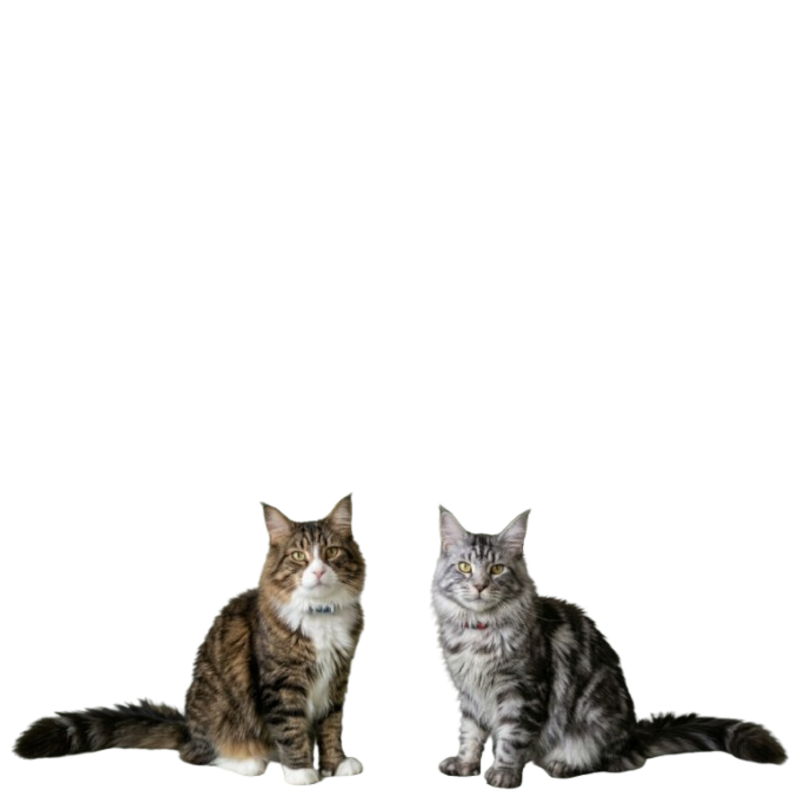
appearance
The Maine Coon Polydactyl represents a pinnacle of natural selection for cold‐climate adaptation, manifesting a robust, rectangular somatic profile characterized by significant muscular hypertrophy and a unique appendicular skeletal configuration. As a feline morphologist, one must observe the interplay between the massive skeletal frame and the protective integumentary system, which together facilitate functional efficiency in rugged environments. The defining hallmark of this specific variety is the presence of preaxial polydactyly, a structural deviation from the standard pentadactyl or tetradactyl feline limb that significantly alters the biomechanical footprint and weight distribution of the Maine Coon Polydactyl.
Cranial and Facial Conformation
The Maine Coon Polydactyl’s cranium is characterized by a medium width and a distinctively square muzzle, emphasizing a strong mentalis region and deep suborbital fossae. The profile reveals a concave transition at the nasal bridge—often referred to as a “functional stop”—which aligns with the respiratory requirements of a large‐bodied predator.
| Feature | Anatomical Description |
|---|---|
| Pinnae | Large, high‐set, and tapering; possessing prominent apical tufts (lynx tipping) and dense internal vestiture to mitigate caloric loss. |
| Orbitals | Large, set at a slightly oblique aperture, providing an expansive binocular field of vision. |
| Zygomatic Arch | High and prominent, supporting the massive masseter muscles required for the Maine Coon Polydactyl’s powerful bite force. |
| Muzzle | Visibly square in transverse section, with a blunt, vertical terminus at the rhinarium. |
| Feature | Anatomical Description |
|---|---|
| Pinnae | Large, high‐set, and tapering; possessing prominent apical tufts (lynx tipping) and dense internal vestiture to mitigate caloric loss. |
| Orbitals | Large, set at a slightly oblique aperture, providing an expansive binocular field of vision. |
| Zygomatic Arch | High and prominent, supporting the massive masseter muscles required for the Maine Coon Polydactyl’s powerful bite force. |
| Muzzle | Visibly square in transverse section, with a blunt, vertical terminus at the rhinarium. |
Axial and Appendicular Skeletal Alignment
The torso of Maine Coon Polydactyls is elongated and substructure‐dense, with a broad thoracic cage that provides ample volume for pulmonary and cardiac capacity. The length of the vertebral column follows a specific ratio relative to the limb length to maintain a low center of gravity.
Maine Coon Polydactyl Somatic Proportion Model
- : The Somatic Ratio, determining the rectangularity of the Maine Coon Polydactyls.
- : The Dorsal Length, measured from the base of the neck to the base of the tail.
- : The Scapular Height, the distance from the floor to the top of the shoulder.
A judge measures a Maine Coon Polydactyl with a 51 cm dorsal length and a 34 cm scapular height. The calculation is 51 / 34, resulting in a ratio of 1.5, indicating ideal conformation.
Preaxial Polydactyl Manifestation
In the Maine Coon Polydactyl, the distal extremities exhibit an increased number of phalanges. This digital duplication typically occurs on the medial aspect of the manus (front paws) and occasionally the pes (hind paws).
- Digital Configuration: The presence of accessory digits creates a broad, “snowshoe” effect, increasing the surface area () of the paw.
- Ligamentous Support: Enhanced tendinous insertions are required to manage the supplementary hallux or pollex, often resulting in a “thumb‐like” appearance that does not possess true opposability but increases grip friction.
- Skeletal Breadth: The metacarpal and metatarsal bones often show a radial fanning to accommodate the additional dactyls, leading to a visibly wider stance.
Integumentary System and Caudal Structure
The coat of the Maine Coon Polydactyl is a complex, multi‐layered system designed for moisture repulsion and thermal regulation. It is characterized by a seasonal variance in density but maintains a consistently heavy texture.
- Guard Hairs: Long, coarse, and tapering; these provide the primary water‐resistant barrier.
- Frontal Ruff: A dense accumulation of fur around the cervical region, extending from the base of the pinnae to the manubrium.
- Caudal Vertebrae: The tail is exceptionally long, often equaling the length of the torso from the scapula to the sacroiliac joint. The caudal fur is voluminous and “plume‐like,” serving as a manual thermal wrap when the animal is in a circumcinct (curled) position.
Muscular and Structural Proportions
The musculature of Maine Coon Polydactyls is characterized by dense, fast‐twitch fiber concentrations, particularly in the pelvic girdle and hind limbs, which are slightly longer than the forelimbs. This creates a subtle anterior tilt in the spinal alignment when the animal is in a neutral standing posture. The overall physical impression is one of “sturdy power”—a morphology where every structural element, from the reinforced carpal joints to the tufted interdigital spaces, serves a specific environmental purpose.
behavior
The Maine Coon Polydactyl exhibits a complex behavioral repertoire characterized by high levels of environmental exploration and distinct social facilitation behaviors. As an applied feline ethologist, one observes that these felids demonstrate a unique tactile interaction style directly influenced by their distal limb morphology, leading to increased manual dexterity in prey‐drive manifestation and object manipulation. Their activity cycles are primarily crepuscular, yet they show significant plasticity in adapting to the social rhythms of cohabitating heterospecifics, particularly humans, through advanced vocalization patterns and non‐agonistic social signaling.
Foraging and Tactile Exploration Strategies
The Maine Coon Polydactyl’s foraging strategy is notable for its reliance on tactile sensation. Unlike many domestic felids that utilize a primary “pounce‐and‐bite” sequence, Maine Coon Polydactyls frequently employ “paw‐clumping” and “scooping” actions.
| Behavioral Category | Technical Observation | Frequency |
|---|---|---|
| Manual Manipulation | Utilization of accessory digits to grasp, lift, or rotate environmental stimuli. | High |
| Hydric Interaction | Intentional digital immersion in water sources prior to or during ingestion. | Moderate–High |
| Prey‐Drive Sequence | Extended “patting” or “hooking” phase prior to the final kill‐bite. | Moderate |
Social Dynamics and Vocalization Patterns
The social structure of the Maine Coon Polydactyl is typically characterized by low intra‐specific aggression and high levels of allogrooming. Their vocal repertoire deviates from the standard “meow” found in most Felis catus lineages, favoring frequency‐modulated chirps and trills.
Acoustic Communication Analysis
The primary acoustic signal in Maine Coon Polydactyls is the “trill,” a short, ascending vocalization used during social greeting or to initiate social facilitation.
- Trilling: Serves as a contact call to maintain group cohesion without the high‐energy cost of territorial caterwauling.
- Chirping: Often observed during “chattering” at avian or rodent stimuli, representing a frustrated predatory drive.
- Purring: Manifests in high‐amplitude rhythmic oscillations, often associated with both self‐soothing and affiliative bonding.
Social Interaction Probability
The probability of a non‐agonistic encounter () between two Maine Coon Polydactyls can be modeled based on the proximity of resources () and previous social history ():
Maine Coon Polydactyl Social Interaction Probability
- : Probability of a non-agonistic (peaceful) encounter.
- : Previous social history coefficient (0 to 1).
- : Resource proximity and availability factor.
- : Ambient environmental tension.
- : Threshold of environmental tolerance.
- : Territory density constant.
Two Maine Coon Polydactyls with a history () share a large room (). With low tension () and a threshold (), the calculation results in a high of 0.73, or 73% probability of peace.
Activity Cycles and Environmental Adaptation
Maine Coon Polydactyls demonstrate significant environmental exploration strategies, often utilizing vertical space to monitor their surroundings. Their rest‐activity cycles are punctuated by “burst” events of high‐intensity locomotory behavior.
- Crepuscular Peaks: Maximum metabolic and locomotory activity occurs during dawn and dusk hours (04:00–06:00 and 18:00–20:00).
- Vigilance Posturing: Use of elevated vantage points to engage in passive environmental scanning.
- Object Retrieval: A recurring stereotypic-like behavior where items are transported to a “cache” or returned to a social partner—often misinterpreted as play, but technically a manifestation of displaced predatory retrieval.
Investigative Tactile Sensory Input
The Maine Coon Polydactyl utilizes its expanded digital surface area for complex sensory input. One frequently observes “pawing” at surfaces to gauge texture and stability before committing full body weight. This cautious investigative phase precedes most novel environmental interactions—suggesting a highly developed tactile-feedback loop that informs their spatial navigation.
color
The chromatic landscape of the Maine Coon Polydactyl is defined by the complex distribution of eumelanic and phaeomelanic granules within the medullary and cortical layers of the hair shaft. As a pigmentation specialist, one must analyze how the density of these melanocytes creates a vast spectrum of visual phenotypes, ranging from high‐contrast agouti patterns to deep, saturated solids. The interaction of light with the unique texture of the Maine Coon Polydactyl’s protective coat further modifies the perceived hue, where the structural properties of the guard hairs can either enhance or diffuse the underlying pigment concentration.
Eumelanin and Phaeomelanin Distribution
The primary pigments responsible for the visual palette of Maine Coon Polydactyls are eumelanin (black‐based) and phaeomelanin (red‐based). The intensity of these hues is a result of pigment granule shape and the degree of oxidative polymerization.
| Pigment Type | Phenotypic Expression | Granular Characteristics |
|---|---|---|
| Dense Eumelanin | Deep Black, Slate Blue | Spherical, tightly packed granules that absorb high percentages of light. |
| Dilute Eumelanin | Blue, Cream | Ovoid granules with increased spacing, leading to light scattering. |
| Phaeomelanin | Red, Ginger, Marmalade | Elongated granules that reflect longer wavelengths of the visible spectrum. |
| Rufism | Warm Brown/Apricot Tones | Variable concentrations of polygenic modifiers that enrich the ground color. |
Agouti Patterning and Pigment Banding
The agouti phenotype is a hallmark of many Maine Coon Polydactyls, characterized by the rhythmic deposition of pigment along the longitudinal axis of each individual hair. This creates the classic “ghost markings” or high‐definition tabby patterns.
Optical Refraction and Shading
The perceived brightness () of a silver or smoke Maine Coon Polydactyl can be modeled by the ratio of pigmented tip () to the translucent, non‐pigmented base ():
Maine Coon Polydactyl Optical Refraction and Shading
- : The Perceived Brightness, representing how light or shimmering the coat appears to the human eye.
- : The Total Reflectance, a sum of all light bouncing off the hair shaft from the root (0) to the tip (L).
- : The Total Hair Length, which for a Maine Coon Polydactyl is often significant due to their heavy winter coat.
- : A value representing how much light is soaked up by the dark pigment granules (eumelanin) in the hair.
A judge evaluates a Silver Shaded Maine Coon Polydactyl. The hair length () is 8 cm. Because the pigment is restricted to the top 25% of the hair, the Total Reflectance is high at 45 units. The dark pigment has an Absorption Coefficient of 0.5. The calculation is 45 / (8 * 0.5), which is 45 / 4. The result is 11.25. This high brightness value explains the sparkling, ethereal silver sheen that makes the Maine Coon Polydactyl’s coat so distinctive compared to solid-colored cats.
- Tipping: Pigment is restricted to the distal 12.5%–25% of the hair shaft.
- Shading: Pigment occupies the distal 50% of the shaft, creating a darker dorsal appearance.
- Smoke: The majority of the shaft is heavily pigmented, while the follicular base remains devoid of melanocytes, visible only during kinetic movement.
White Spotting and Melanocyte Migration
In Maine Coon Polydactyls exhibiting white patches, the absence of pigment is caused by the failure of melanoblasts to migrate from the neural crest to the peripheral integument during embryonic development.
- Localized Depigmentation: Often manifests in the ventral regions, such as the throat, brisket, and distal extremities.
- Residual Pigment: In high–white phenotypes, pigment is typically retained in the cranial and caudal regions, where melanocyte migration is most persistent.
- Ghost Stripes: In young Maine Coon Polydactyls, faint eumelanic patterns may be visible in white areas before the full maturation of the coat structure, though these typically vanish as the hair diameter increases.
Chromatic Transitions and Tonal Saturation
The transition between colors in multi‐tonal Maine Coon Polydactyls involves distinct boundaries where pigment synthesis is either switched or inhibited. In tortoiseshell varieties, the mosaic distribution of eumelanin and phaeomelanic patches creates a non‐uniform saturation that varies significantly across the somatic surface. The depth of the “black” or “blue” in these specimens is measured by the lack of “rusting”—an unwanted oxidation of eumelanin that results in a brownish cast—ensuring the structural integrity of the pigment granules remains uncompromised.
compatibility
Ease of Maintenance
Rating: 2/5
Child Friendly
Rating: 5/5
Annual Cost
Rating: 1/5
Lifetime Cost
Rating: 2/5
Adaptability
Rating: 5/5
Velcro Factor
Rating: 4/5
Quietude
Rating: 4/5
Apartment Suitability
Rating: 3/5
Hypoallergenic
Rating: 1/5
Handling Tolerance
Rating: 4/5
Hardiness/Longevity
Rating: 3/5
Prey Drive
Rating: 2/5
genetics
The genomic profile of the Maine Coon Polydactyl is a study in specific locus manipulation, where targeted mutations in limb and aural development provide the blueprint for its unique morphology. As a feline geneticist, one must view the Maine Coon Polydactyl not merely as a physical entity, but as a convergence of several high‐impact alleles acting in concert. The primary genetic drivers involve regulatory mutations in the Sonic Hedgehog (SHH) signaling pathway and the Hoxa13 or Hoxd13 gene clusters, which govern the formation of the distal limb and the cartilaginous structure of the ear. Understanding the inheritance patterns of these traits requires an analysis of penetrance and expressivity, as the phenotypic outcome can vary significantly even among individuals sharing identical genotypes at the primary loci.
Polydactyly: The Pd Locus
The hallmark of the Maine Coon Polydactyl is preaxial polydactyly, governed by the Pd locus. This mutation is located within the ZRS (ZPA regulatory sequence), a long‐range enhancer for the SHH gene. In Maine Coon Polydactyls, this is typically an autosomal dominant trait with high penetrance but variable expressivity.
| Genotype | Phenotypic Manifestation | Biological Mechanism |
|---|---|---|
| pd/pd | Ancestral Pentadactylism | Normal SHH expression restricted to the posterior limb bud. |
| Pd/pd | Preaxial Polydactyly | Ectopic SHH expression in the anterior limb bud, inducing extra digits. |
| Pd/Pd | Enhanced Polydactyly | Homozygous state; often results in a higher count of supplementary phalanges. |
Probability Modeling of Inheritance
The probability () of a polydactylous offspring from a heterozygous mating () follows standard Mendelian ratios, though the number of extra digits is influenced by polygenetic modifiers ():
Maine Coon Polydactyl Polydactyl Inheritance Probability
- : Total Probability, the likelihood an offspring will physically express extra toes.
- : Summation Symbol, indicating the addition of probabilities for all genotypes () that result in the polydactyl trait.
- : Set Membership, defining that we only sum the cases where the cat has two copies () or one copy () of the gene.
- : Genotype Probability, the individual chance of a kitten inheriting a specific genetic combination.
- : Dominant Allele, the specific mutation responsible for the polydactyl phenotype.
- : Recessive Allele, the wild-type gene for standard digit counts.
- : The Result, representing the 75% statistical chance of polydactyly in a heterozygous cross.
A breeder mates two Maine Coon Polydactyls that are both heterozygous (). In a standard Punnett square, the probabilities are and . Following the summation instruction in the formula, we add these two values together (). The result is , meaning there is a 75% chance that any given kitten in the litter will be born with the iconic extra toes of the Maine Coon Polydactyl.
The specific digit count () is a function of the primary allele and the additive effect of secondary modifiers:
Maine Coon Polydactyl Digit Count Determination
- D: Total Digit Count, the final number of toes on a specific paw.
- : Function of the Polydactyl Gene, the mathematical relationship establishing the base number of digits.
- : Summation Symbol, indicating the addition of all individual modifier effects from 1 to n.
- : Secondary Modifiers, the specific effect of each individual minor gene influencing the count.
- i=1: Starting Index, beginning the count with the first modifier gene.
- n: Upper Limit, the total number of active modifier genes in the cat's DNA.
A geneticist examines a Maine Coon Polydactyl to predict its physical traits. The function f(Pd) establishes a baseline of 6 toes. The cat also has two modifiers (n = 2), where M_1 = 0.5 and M_2 = 0.5. The calculation follows the summation: 6 + (0.5 + 0.5). The result is D = 7, giving the cat seven distinct toes for the wide, stable snowshoe grip the breed is known for.
Aural Curvature: The Cu Mutation
Distinct from other lineages, the Maine Coon Polydactyl’s ear conformation is governed by the Cu (Curl) gene. This mutation affects the chondrocytes within the ear pinna during the first week of post‐natal development.
- Inheritance Pattern: The Cu allele exhibits autosomal dominant inheritance.
- Incomplete Dominance Evidence: Observations suggest that homozygous individuals (Cu/Cu) may exhibit a more pronounced degree of curvature than heterozygotes (Cu/cu), suggesting a dosage effect in cartilage stiffening.
- Linkage Analysis: Current data indicates no significant genetic linkage between the Pd locus and the Cu locus, allowing these traits to assort independently during meiosis.
Cumulative Genomic Interactions
The Maine Coon Polydactyl genome also incorporates a complex suite of genes governing skeletal robusticity and coat structure. These are largely polygenetic in nature, involving dozens of Quantitative Trait Loci (QTLs).
Polygenetic Robusticity
The “substantial” frame of the Maine Coon Polydactyl is the result of selective pressure on growth factor genes, such as IGF1 (Insulin‐like Growth Factor 1). Unlike the single‐nucleotide polymorphisms (SNPs) seen in miniature breeds, the Maine Coon Polydactyl maintains ancestral alleles that promote maximal somatic development.
The Longhair Locus (FGF5)
The integumentary length in Maine Coon Polydactyls is a recessive trait mapped to the FGF5 (Fibroblast Growth Factor 5) gene. A transition mutation within this gene results in a premature stop codon or a missense mutation that prevents the hair follicle from transitioning from the anagen (growth) phase to the catagen (regression) phase at the standard interval.
- Genotype : Required for the characteristic longhair phenotype.
- Epistatic Interactions: The FGF5 mutation acts as a foundation upon which other modifiers affect the density of the undercoat and the presence of the frontal ruff.
health
The clinical management of the Maine Coon Polydactyl necessitates a specialized understanding of its unique physiological stressors and predispositions toward specific organ system dysfunctions. As a veterinary science communicator, it is essential to highlight that while the Maine Coon Polydactyl exhibits significant somatic robusticity, it remains susceptible to several hereditary and acquired conditions that impact the cardiovascular, musculoskeletal, and renal systems. The presence of polydactyly adds a layer of dermatological and orthopedic consideration, requiring vigilant monitoring of the accessory digital appendages to prevent secondary infections or mechanical interference with the primary weight‐bearing structures.
Cardiovascular Pathology: Hypertrophic Cardiomyopathy (HCM)
Hypertrophic Cardiomyopathy represents the most critical cardiovascular vulnerability in Maine Coon Polydactyls. This condition is characterized by a concentric thickening of the left ventricular myocardium, leading to reduced diastolic filling volumes and increased risk of congestive heart failure.
| Clinical Marker | Pathophysiological Manifestation | Diagnostic Indicator |
|---|---|---|
| Myocardial Thickening | Reduced ventricular lumen size and impaired relaxation. | Echocardiographic wall thickness > 6mm. |
| Atrial Dilation | Secondary to increased intra‐atrial pressure. | Left atrium to aorta (LA/Ao) ratio > 1.5. |
| Thromboembolism | Stasis of blood in the dilated atrium forming a “saddle thrombus.” | Acute pelvic limb paralysis and cyanotic nail beds. |
The stroke volume () in affected Maine Coon Polydactyls can be modeled by the difference between the end‐diastolic volume () and the end‐systolic volume ():
Maine Coon Polydactyl Stroke Volume Calculation
- : Stroke Volume, the specific amount of blood ejected by the left ventricle during a single contraction.
- : End-Diastolic Volume, the volume of blood remaining in the ventricle at the end of the filling phase, just before the heart beats.
- : End-Systolic Volume, the residual volume of blood left in the ventricle after the contraction is complete.
A clinical assessment of a Maine Coon Polydactyl reveals an End-Diastolic Volume () of 14 mL. Following the heart's contraction, the remaining End-Systolic Volume () is measured at 5 mL. By applying the formula , the result is a Stroke Volume () of 9 mL. This measurement allows the clinician to determine if the heart's pumping capacity is sufficient to support the large physical frame of the Maine Coon Polydactyl.
In advanced HCM cases, a significant reduction in due to myocardial mass creates a compensatory increase in heart rate () to maintain cardiac output and can be represented in this way:
Maine Coon Polydactyl Cardiac Output and Compensation
- : Cardiac Output, the total volume of blood pumped per minute.
- : Heart Rate, the number of cardiac contractions per minute.
- : Stroke Volume, the volume of blood ejected during one contraction.
A Maine Coon Polydactyl with a reduced stroke volume of 7 mL must maintain a cardiac output of 1.05 L/min. By rearranging the formula (), we find the heart must beat at 150 BPM to compensate for the lower volume per stroke.
Musculoskeletal and Orthopedic Vulnerabilities
Due to the significant skeletal mass of the Maine Coon Polydactyl, the joints are subject to increased mechanical stress. This often leads to premature degenerative joint disease (DJD) and specific developmental anomalies.
Hip Dysplasia and Osteoarthritis
Maine Coon Polydactyls exhibit a higher incidence of hip dysplasia compared to smaller domestic varieties. This malformation of the coxofemoral joint results in subluxation and the subsequent development of osteoarthritis.
- Clinical Signs: Reluctance to engage in vertical leaping, “bunny‐hopping” gait, and crepitus upon palpation of the pelvic girdle.
- Radiographic Presentation: Flattening of the femoral head and shallow acetabular depth.
Polydactyl Accessory Digit Management
The accessory digits of the Maine Coon Polydactyl require specific clinical attention. While often non‐pathological, they can present unique challenges:
- Involuted Claw Growth: Accessory claws may fail to wear down naturally, potentially curving back into the digital pad (paronychia).
- Interdigital Pyoderma: The increased surface area and skin folds between supplementary dactyls can create a microenvironment conducive to fungal or bacterial proliferation.
Renal and Metabolic Considerations
Renal insufficiency, specifically Polycystic Kidney Disease (PKD), though less prevalent than in other breeds, remains a concern for Maine Coon Polydactyls. The pathophysiology involves the formation of fluid‐filled cysts that gradually replace functional renal parenchyma.
- Glomerular Filtration Rate (GFR): As cyst volume increases, the decreases, leading to azotemia and clinical uremia.
- Stomatitis/Gingivitis: A high frequency of chronic gingivostomatitis is noted in Maine Coon Polydactyls—the exact etiology is often multifactorial, involving both immune‐mediated responses and potentially linked metabolic stressors.
Spinal and Neurological Integrity
While generally stable, the elongated spinal column of the Maine Coon Polydactyl necessitates monitoring for intervertebral disc disease (IVDD). The axial load on the lumbar vertebrae is significantly higher in this breed than in lower‐mass felines, making the fibrocartilaginous pads susceptible to protrusion or extrusion under acute trauma or chronic obesity.
longevity
In the field of veterinary gerontology, the Maine Coon Polydactyl serves as a primary subject for investigating the correlation between large‐frame somatic development and the temporal rate of biological aging. From a biostatistical perspective, the longevity of this variety is defined by a distinct survival curve that often exhibits a plateau during the mature adult phase followed by a steeper decline during the geriatric transition. Analyzing the life expectancy of Maine Coon Polydactyls requires a deep dive into mortality rates across cohorts, where the interplay between environmental optimization and intrinsic cellular senescence determines the individual‐specific lifespan. The data suggests that while the median age of mortality is comparable to other large domestic felids, the right‐tail of the distribution frequently includes individuals reaching advanced age through successful physiological homeostasis.
Statistical Life Expectancy and Mortality Data
The biostatistical profile of Maine Coon Polydactyls is categorized by age‐specific mortality risks. The survival function, denoted as , represents the probability of an individual surviving from birth to time .
| Developmental Phase | Chronological Range (Years) | Mortality Risk Index | Biological Characteristics |
|---|---|---|---|
| Juvenile Transition | 0.5–2.0 | Low | Peak metabolic efficiency and completion of skeletal ossification. |
| Mature Adult | 3.0–8.0 | Stable | Maintenance of physiological reserves; steady‐state senescence. |
| Senior Phase | 9.0–12.0 | Increasing | Initiation of the geriatric transition; decline in cellular repair mechanisms. |
| Geriatric Phase | 13.0–15.0+ | High | Terminal decline in organ system function; high hazard rate. |
Survival Probability Modeling
The hazard rate , or the instantaneous risk of mortality at age , for the Maine Coon Polydactyl can often be approximated by the Gompertz‐Makeham law of mortality:
Maine Coon Polydactyl Mortality and Longevity Risk
- : Hazard Rate, representing the instantaneous risk of mortality for a cat at a specific age .
- : Initial Vulnerability, the baseline risk of death at the beginning of the cat's life, often influenced by congenital factors.
- : Euler's Number, a mathematical constant approximately equal to 2.718, used to model exponential growth.
- : Rate of Aging, the exponential factor describing how the risk of death increases as the cat gets older (senescence).
- : Age, the current age of the cat in years.
- : Extrinsic Mortality, age-independent risks such as accidents, infections, or environmental hazards.
An insurance actuary calculates the risk for a 10-year-old Maine Coon Polydactyl. The breed has an initial vulnerability of 0.0002 and an aging rate of 0.15. The constant environmental risk is 0.001. Using the formula , the calculation becomes . The result is . This indicates that at age 10, the cat has a 0.189% instantaneous risk of mortality, showing how the biological aging process has more than quadrupled the baseline risk.
Patterns of Biological Senescence
The aging process in Maine Coon Polydactyls is marked by a progressive loss of physiological redundancy. The rate of senescence is influenced by the metabolic cost of maintaining a large body mass, which can accelerate the accumulation of molecular damage.
- Cellular Senescence: A reduction in the regenerative capacity of somatic stem cells, leading to delayed tissue repair during the senior phase.
- Metabolic Deceleration: A measurable shift in basal metabolic rate that typically precedes the geriatric transition by 12–18 months.
- Oxidative Stress Accumulation: The cumulative effect of reactive oxygen species (ROS) on mitochondrial DNA, which serves as a primary driver of the aging clock in Maine Coon Polydactyls.
Longevity Factors and Survival Curve Modifiers
The distribution of lifespans within the Maine Coon Polydactyl population is not uniform. Biostatistical analysis identifies specific modifiers that can shift the survival curve to the right, extending the median life expectancy.
- Early‐Life Optimization: Stable growth trajectories during the first 24 months correlate with a lower (aging rate) in later life.
- Environmental Buffer: Controlled environments reduce the value of (extrinsic mortality), allowing the individual to reach their maximum biological potential.
- Physiological Reserve: Individuals with higher lean mass ratios often exhibit greater resilience during the senior phase, effectively delaying the onset of the terminal geriatric decline.
By quantifying these variables, biostatisticians can more accurately predict the survival outcomes for Maine Coon Polydactyls, providing a framework for understanding the limits of feline longevity in large‐bodied domestic populations.
maintenance
The maintenance of the Maine Coon Polydactyl requires a sophisticated integration of high‐density nutritional delivery and specialized environmental engineering to support its unique physiological demands. As a husbandry specialist, one must account for the metabolic overhead of maintaining significant lean muscle mass alongside the dermatological requirements of a triple‐layered, water‐resistant integumentary system. Furthermore, the presence of polydactyly necessitates specific mechanical interventions in grooming and environmental tactile enrichment to ensure digital health and prevent orthopedic strain. Effective management of Maine Coon Polydactyls centers on a proactive biocontrol strategy that addresses caloric turnover, sebum regulation, and hygroscopic homeostasis.
Nutritional Bioengineering and Caloric Management
To determine the precise nutritional intake for the Maine Coon Polydactyl, the Resting Energy Requirement (RER) must be calculated based on metabolic body weight. Given the high activity levels and somatic volume of Maine Coon Polydactyls, a Maintenance Energy Requirement (MER) factor of is typically applied.
Maine Coon Polydactyl Resting Energy Requirement
- : Resting Energy Requirement, the number of calories required for basic bodily functions such as breathing and circulation while the cat is at rest.
- : Metabolic Constant, a standardized value used in feline nutrition to align caloric needs with metabolic body size.
- : Body Weight, the mass of the cat measured specifically in kilograms.
- : Allometric Scaling Exponent, a mathematical power used to account for the fact that metabolic rate does not increase linearly with body mass.
A large male Maine Coon Polydactyl weighs 9 kilograms. To find his RER, we first calculate 9 raised to the power of 0.75, which is approximately 5.196. We then multiply this by the constant 70 (). The result is an RER of 363.7 calories per day. To account for the high activity levels of the Maine Coon Polydactyl’s large frame, a multiplier of 1.4 is applied to this result, bringing the final daily maintenance requirement to approximately 509 calories.
| Nutrient Category | Specification | Bioavailability Requirement |
|---|---|---|
| Crude Protein | 35%–45% Dry Matter | High taurine and arginine concentrations for cardiac and urea cycle support. |
| Lipids (Fats) | 15%–20% Dry Matter | Omega‐3 and Omega‐6 fatty acids for follicular integrity. |
| Hydration | 60ml / 1kg Body Weight | Requirement for recirculating water sources to stimulate natural thirst drive. |
| Fiber | 3%–5% Total Mass | Enhanced insoluble fiber to facilitate trichobezoar passage through the GI tract. |
Dermatological Maintenance and Grooming Protocols
The Maine Coon Polydactyl’s coat produces significant sebum levels to maintain its hygroscopic (water‐repelling) properties. Failure to implement a rigorous deshedding protocol results in follicular matting and secondary dermatitis.
- Combative Grooming: Utilization of high‐tensile steel undercoat rakes is required bi‐weekly to manage the dense secondary hairs.
- Sebum Regulation: Occasional degreasing baths using feline‐specific surfactants may be necessary if the lipid barrier becomes excessively viscous, particularly in the caudal region.
- Digital Prophylaxis: Due to the supplementary phalanges in Maine Coon Polydactyls, the interdigital spaces must be inspected for debris accumulation. Claw clipping must account for the medial “thumb” digits, which do not experience natural attrition through locomotory friction.
Environmental Enrichment and Periodontal Prophylaxis
Maine Coon Polydactyls require an environment that supports three‐dimensional spatial exploration. The structural integrity of enrichment furniture must be reinforced to withstand the kinetic force of a high‐mass felid.
- Vertical Tiering: Installations must offer multi‐level platforms at heights exceeding 1.5 meters to satisfy innate surveillance drives.
- Periodontal Prophylaxis: Daily mechanical debridement via enzymatic toothpaste is critical. Due to the Maine Coon Polydactyl’s predisposition toward gingival inflammation, dietary inclusions of large‐kibble “dental” formulas can assist in plaque reduction through shear force during mastication.
- Tactile Foraging: Given the manual dexterity provided by polydactyly, environmental enrichment should include puzzle feeders that require digital manipulation rather than simple snout-based access.
measurements
| Measurement | Female | Male | ||
|---|---|---|---|---|
| Metric | Imperial | Metric | Imperial | |
height | 20 – 35 centimeters | 8 – 14 inches | 25 – 40 centimeters | 10 – 16 inches |
length | 43 – 71 centimeters | 17 – 28 inches | 48 – 81 centimeters | 19 – 32 inches |
weight | 4.5 – 8.2 kilograms | 10 – 18 pounds | 6.8 – 11.3 kilograms | 15 – 25 pounds |
• Height: Refers to the measurement at the withers (shoulders).
• Length: Measured from the tip of the nose to the base of the tail.
origin
The establishment of the Maine Coon Polydactyl represents a significant event in feline evolutionary history, characterized by a transition from diverse ancestral clades to a localized landrace population. As an evolutionary anthropologist, one must examine the lineage not as a sudden mutation, but as the result of geographic isolation and specific anthropogenic selection pressures within the Northeastern Atlantic maritime corridor. The Maine Coon Polydactyl’s origins are inextricably linked to trans‐oceanic migratory routes, where feline populations served as essential biological controls within maritime vessels. This historical trajectory facilitated a genetic bottleneck followed by rapid adaptation to the high‐latitude environmental rigors of the North American coast, eventually stabilizing into the distinct landrace that serves as the foundation for the modern Maine Coon Polydactyl.
Chronology of Lineage Establishment
The timeline of the Maine Coon Polydactyl’s development is marked by several critical intersection points between human migratory patterns and feline geographic dispersion.
| Era | Historical Development Phase | Evolutionary Impact |
|---|---|---|
| Pre‐17th Century | Ancestral Clade Divergence | Introduction of long‐haired feline lineages from Western Europe and potentially Scandinavia. |
| 1600–1850 | Maritime Dispersion | Migratory transit via merchant and naval vessels; establishment of the initial landrace gene pool. |
| Late 19th Century | Anthropogenic Selection | Formal recognition in regional agricultural exhibitions; transition from landrace to structured breed. |
| 20th Century | Modern Lineage Stabilization | Implementation of rigorous genealogical records and the preservation of the polydactyl trait. |
Migratory Routes and Geographic Isolation
The Maine Coon Polydactyl is a product of secondary contact between disparate feline populations. The primary migratory vector involved the North Atlantic trade routes, which acted as a filter for various feline phenotypes.
The Transatlantic Vector
Anthropogenic movement facilitated the arrival of semi‐longhair cats from the British Isles and the Baltic regions. Upon arrival in the Northeastern United States, these populations underwent significant geographic isolation. The rate of trait fixation () within these isolated maritime communities can be modeled relative to the effective population size ():
Maine Coon Polydactyl Trait Fixation and Genetic Drift
- : Trait Fixation, the probability that a specific genetic trait, such as polydactyly, becomes permanently established within the population by generation t.
- : Effective Population Size, the number of breeding individuals in the isolated community that contribute to the next generation's gene pool.
- : Time in Generations, the number of reproductive cycles that have passed since the population became isolated.
- : Mathematical Constant, representing the total possible probability (100%) from which the likelihood of non-fixation is subtracted.
- : Diploid Population Factor, accounting for the two alleles carried by each individual cat in the breeding population.
A small group of semi-longhair cats becomes isolated in a remote coastal village in Maine with an effective population size () of 50 breeding individuals. After 20 generations () of maritime isolation, we calculate the fixation probability for the polydactyl trait. The formula becomes , which simplifies to . The result is . This means there is an 18.2% chance that the trait has already achieved fixation purely through genetic drift, explaining how unique physical characteristics stabilized so rapidly in the early Maine Coon Polydactyl population.
This isolation allowed for the stabilization of traits that would have otherwise been diluted in larger, more interconnected continental populations.
Stabilization of the Polydactyl Landrace
Historical records from the 18th and 19th centuries suggest a high frequency of polydactyly within the coastal regions of the Northeastern United States. This suggests that the trait was not a late‐stage addition but a foundational element of the original landrace.
- Maritime Selection: Historical accounts indicate that mariners favored polydactylous individuals due to perceived functional advantages during shipboard locomotion in turbulent maritime environments.
- Founder Effect: The high prevalence of the polydactyl trait in Maine Coon Polydactyls is a classic example of the founder effect, where a small group of ancestral individuals possessing the mutation established the primary gene pool for the region.
- Regional Endemism: By the mid‐19th century, the Maine Coon Polydactyl had achieved a state of regional endemism, where its unique lineage was recognized as distinct from the common domestic feline populations of the southern and mid‐western territories.
Evolution from Landrace to Pedigree
The transition of the Maine Coon Polydactyl from a functional landrace to a formalized pedigree involved a shift in selection criteria. Early historical documentation from the 1860s identifies “Maine State” cats in competitive agricultural settings, marking the first instances of formal anthropogenic classification. This period represents the “phylogenetic hardening” of the lineage, where the historical fluid boundaries of the landrace were replaced by the rigid genealogical structures of modern feline history.
temperament
The dispositional profile of the Maine Coon Polydactyl is characterized by a high degree of emotional stability and a specialized form of gregariousness that distinguishes it from more reactive feline lineages. As a feline ethologist, one must analyze the Maine Coon Polydactyl’s temperament through the lens of environmental neophobia mitigation and elevated sensory thresholds. This lineage typically demonstrates a dampened “fight‐or‐flight” response, favoring a systematic, analytical approach to novel stimuli. This psychological configuration facilitates a unique intra‐species sociability and a high level of tolerance for multispecies domestic environments, driven by a robust neural inhibitory system that regulates impulsive affective displays.
Dispositional Trait Spectrums
The psychological architecture of Maine Coon Polydactyls can be mapped across several core dispositional dimensions, emphasizing their low-reactivity profile.
| Trait Dimension | Clinical Classification | Psychobiological Basis |
|---|---|---|
| Environmental Neophobia | Low–Minimal | Rapid habituation to novel spatial and auditory stimuli; low baseline anxiety. |
| Gregariousness | High (Affiliative) | Strong drive for non‐agonistic social proximity without excessive dependency. |
| Emotional Reactivity | Dampened | High threshold for stress‐induced vocalization or physiological arousal. |
| Sensory Thresholds | High | Reduced startle response to sudden percussive or high‐frequency auditory input. |
Modeling Affective Stability
The probability of an agonistic response () in the Maine Coon Polydactyl relative to environmental stressor intensity () can be modeled using a modified sigmoidal function, where represents the breed‐specific threshold constant:
Maine Coon Polydactyl Affective Stability and Stress Response
- : Response Probability, the mathematical likelihood that the cat will exhibit an agonistic or aggressive reaction to a specific stressor.
- : Mathematical Constant, representing the upper limit of probability (100%).
- : Euler's Number, the base of the natural logarithm used to create the characteristic sigmoidal curve of the reaction.
- : Breed-Specific Threshold Constant, a scaling factor that defines how quickly the cat's behavior shifts once a stressor is introduced.
- : Tolerance Benchmark, the specific intensity of a stressor at which the probability of a response reaches exactly 50%.
- : Stressor Intensity, the current level of environmental pressure, such as loud noises or unfamiliar handling.
A behavioralist evaluates a Maine Coon Polydactyl in a crowded exhibition hall. The breed has a high of 80 units and a stability constant of 0.1. The current hall noise () is measured at 60 units. Plugging these into the formula gives , which simplifies to . Since is approximately 7.389, the calculation is . The result is . This indicates only an 11.9% chance of a defensive response, mathematically confirming the Maine Coon Polydactyl’s reputation as a gentle giant that remains calm under significant environmental pressure.
For Maine Coon Polydactyls, the value is significantly higher than the feline mean, indicating a predisposition toward passive observation over defensive aggression.
Social Cognition and Intra‐species Sociability
The Maine Coon Polydactyl’s social temperament is rooted in a “benign neglect” strategy regarding territory, which facilitates high levels of allogrooming and social facilitation.
- Affiliative Proximity: Maine Coon Polydactyls exhibit a preference for “peripheral association,” where they maintain a consistent radius around social partners without requiring constant tactile engagement.
- Conflict Resolution: Dispositional data suggests an inherent preference for displacement behaviors or social withdrawal rather than overt agonistic signaling when hierarchical tensions arise.
- Cognitive Engagement: There is a documented correlation between the Maine Coon Polydactyl’s high investigative drive and its low environmental neophobia, suggesting a temperament optimized for complex, variable surroundings.
Resilience and Geriatric Psychological Transition
The psychological nature of the Maine Coon Polydactyl remains remarkably consistent throughout the life cycle. Unlike lineages that exhibit increased irritability or “geriatric cognitive decline” symptoms early in the senescence process, Maine Coon Polydactyls typically maintain their dampened emotional reactivity into advanced age. This resilience is attributed to a stable neuroendocrine profile that resists the cortisol spikes common in more high‐arousal feline varieties, preserving the Maine Coon Polydactyl’s characteristic “equanimous” disposition across the developmental continuum.