LaPerm Shorthair Cat
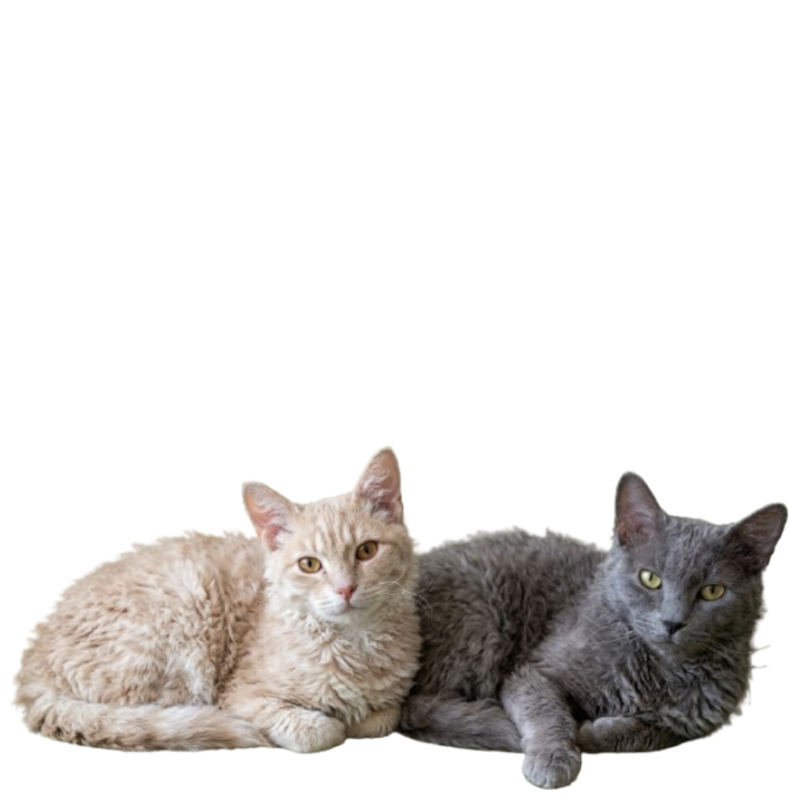
appearance
The LaPerm Shorthair is a feline specimen defined by a unique combination of moderate semi‐foreign body type and a highly specialized integumentary system. While the most striking feature of the LaPerm Shorthair is the textured pelage, its underlying skeletal and muscular framework exhibits a balanced, athletic conformation. The structural integrity of the LaPerm Shorthair’s frame supports a medium‐boned build, characterized by a specific cranial geometry and an elongated caudal region. This analysis deconstructs the anatomical specifics of LaPerm Shorthairs, focusing on the biomechanical and structural attributes that define the breed standard.
Cranial and Facial Conformation
The cephalic structure of the LaPerm Shorthair adheres to a modified wedge shape with gently rounded contours. The cranium exhibits a specific alignment where the muzzle is broad and well‐proportioned to the cheekbones.
- Muzzle and Chin: The muzzle is slightly broad in relation to the skull width, ending in a firm, well‐developed chin. When viewed in profile, the mandible aligns vertically with the anterior plane of the nose.
- Nose: The nasal bridge is straight with a gentle convex curve observed at the transition between the forehead and the muzzle.
- Pinna Orientation: The ears are placed as a continuation of the modified wedge. They are flared at the base and possess rounded tips. In the LaPerm Shorthair, the interior of the pinna often features specialized filiform hairs.
- Ocular Aperture: The eyes are almond‐shaped and medium‐large. They are set at a slight slant toward the base of the ears.
Skeletal Structure and Muscular Hypertrophy
The LaPerm Shorthair possesses a medium‐sized frame that favors agility and functional muscularity over bulk.
Torso and Appendages
The torso is characterized by a level topline where the posterior is slightly higher than the anterior. This elevation is due to the pelvic limb length exceeding the thoracic limb length.
| Anatomical Region | Morphological Description |
|---|---|
| Neck | Medium length, carried erect, showing muscular development without excessive thickness. |
| Thoracic Limbs | Straight bone structure with medium musculature; paws are rounded and compact. |
| Pelvic Limbs | Slightly longer than thoracic limbs, providing significant leverage for saltatory movement. |
| Caudal Vertebrae | Tapering from base to tip, in proportion to the total body length. |
Geometric Ratios
In assessing the LaPerm Shorthair’s balance, the ratio of the height at the withers to the body length (measured from the manubrium to the ischium) often approaches a specific aesthetic equilibrium.
LaPerm Shorthair Body Proportion Balance
- : The Morphological Ratio, a value used to measure the physical balance of the cat’s frame.
- : The vertical height from the ground to the top of the shoulder blades.
- : The horizontal distance from the front of the chest to the rear of the pelvis.
- : For a balanced LaPerm Shorthair, this ratio ensures the cat has a semi-foreign build—meaning it is neither too stocky nor too thin.
A judge measures a show-quality LaPerm Shorthair. The shoulder height is cm and the body length is cm. Dividing by gives a result of . This value indicates a well-proportioned body that perfectly suits the wavy coat of the Shorthair variety and allows for the athletic agility the breed is known for.
Integumentary System and Coat Texture
The most distinct marker of the LaPerm Shorthair is the texture of the hair follicles and the resulting coat architecture. In the shorthair variety, the texture is crisp and springy.
- Follicular Curvature: The hair shafts do not lay flat against the dermis but instead stand away, creating a tactile sensation of resilience.
- Coat Density: The density is moderate—it is not a thick, double coat, but rather a light, airy arrangement of waves or curls.
- Texture Variations: The texture is often described as “textured” or “toothy.” It lacks the silken quality found in longhair variants, instead exhibiting a wavy pattern that may vary in tightness across different regions of the body.
- Tactile Feedback: When the hand is passed over the LaPerm Shorthair, the coat should feel elastic rather than soft or plush.
Distinctive Physical Markers
The LaPerm Shorthair exhibits several secondary morphological traits that reinforce its unique appearance:
- Vibrissae: The whiskers are often curly or bent, reflecting the same follicular mutation found in the primary pelage.
- Ear Furnishings: Even in the shorthair specimen, the ears may feature light tufting at the tips or within the auricle.
- Eyebrows: The supraorbital hairs often mimic the curl of the vibrissae, contributing to the distinct cranial profile of the LaPerm Shorthair.
behavior
The behavioral repertoire of the LaPerm Shorthair is characterized by high levels of environmental engagement and a complex system of tactile communication. As a specimen of the Felis catus species, the LaPerm Shorthair exhibits an elevated propensity for social facilitation, often seeking proximity to conspecifics or human surrogates to engage in mutualistic behaviors. This ethological analysis focuses on the observable action patterns, predatory sequences, and vocalization cycles that define the LaPerm Shorthair’s daily activity budget. Through systematic observation, it is evident that LaPerm Shorthairs utilize their unique physical attributes to navigate and manipulate their surroundings with a high degree of motor precision and cognitive curiosity.
Social Dynamics and Inter-taxa Interaction
The LaPerm Shorthair displays a marked preference for affiliative social behaviors. Unlike more solitary feline phenotypes, the LaPerm Shorthair often initiates contact through specific proximity-seeking maneuvers.
- Tactile Communication: A primary ethological marker for the LaPerm Shorthair is the frequent use of the paw for environmental exploration and social signaling. This involves “patting” or “hooking” behaviors to elicit responses from social partners.
- Allogrooming and Allobrushing: LaPerm Shorthairs demonstrate high frequencies of mutual grooming. In a multi-cat household, the LaPerm Shorthair is often the central node in a grooming network, facilitating group cohesion.
- Proximity Maintenance: The specimen often maintains a “shadowing” protocol, where it follows a primary social figure through various spatial zones to maintain visual and auditory contact.
Activity Cycles and Environmental Exploration
The LaPerm Shorthair’s activity budget is skewed toward active exploration and high-intensity play intervals.
| Behavior Category | Frequency | Contextual Trigger |
|---|---|---|
| Object Manipulation | High | Discovery of novel, small-diameter items. |
| Vertical Scaling | Moderate–High | Pursuit of high-vantage survey points. |
| Resting/Somnolence | Moderate | Post‐prandial or post‐play recovery phases. |
| Patrolling | Moderate | Boundary checks of the established territory. |
Exploratory Strategies
The LaPerm Shorthair employs a “hands‐on” approach to novel stimuli. Rather than simple olfactory investigation, the LaPerm Shorthair will use its thoracic limbs to rotate or move objects to assess their properties. This suggests a high level of tactile-based cognitive processing.
Prey‐Drive Manifestation and Play Solicits
The predatory sequence in LaPerm Shorthairs is highly developed, though often redirected into play-based behaviors in domestic environments.
- The Hunting Sequence: The LaPerm Shorthair follows a standard feline sequence: Orientation → Stalk → Crouch → Spring → Pounce. However, the “pounce” phase in the LaPerm Shorthair is notably emphasized by persistent paw manipulation of the “prey” even after the initial strike.
- Play Solicits: To initiate social play, the LaPerm Shorthair may perform a “side‐hop” or a light vocal chirp combined with a vertical tail posture, signaling a non‐aggressive intent to engage in mock combat.
Vocalization Patterns and Acoustic Signaling
While not excessively vociferous, the LaPerm Shorthair utilizes a specific range of acoustic signals to communicate physiological or social needs.
- The Chirp/Trill: Used primarily during social greeting or when the LaPerm Shorthair is leading a social partner toward a resource (e.g., a food source or a toy).
- The Purr Cycle: High-intensity purring is observed during both social bonding and self-soothing phases.
- The Demand Meow: A short, high-pitched vocalization used to attract immediate attention when the LaPerm Shorthair is excluded from a room or activity.
Behavioral Probability Modeling
In a social encounter between a LaPerm Shorthair and an unfamiliar but non-threatening stimulus (), the probability of an affiliative response () can be modeled as a function of environmental security () and social drive ():
LaPerm Shorthair Friendliness and Greeting Likelihood
- : The probability of a friendly response, representing how likely the cat is to start a social interaction.
- : Social Drive, a constant that represents the naturally high sociability of the LaPerm Shorthair.
- : Environmental Security, a score from to based on how safe the cat feels in its current room.
- : An exponential function used to model how much physical distance affects the cat’s decision to approach.
- : How close a new person or object is; higher numbers mean the person is closer to the cat.
A guest enters a room where a LaPerm Shorthair is resting. The cat has a high social drive () and feels very secure at home (). As the guest moves closer to a proximity value of , the math shows an probability of a friendly response. This confirms that the LaPerm Shorthair’s natural curiosity usually overrides any shyness, leading to a warm greeting.
This model suggests that for the LaPerm Shorthair, the drive for social interaction typically overrides the neophobic (fear of the new) response common in other feline breeds, provided the environment is stable.
color
The chromatic landscape of the LaPerm Shorthair is a complex manifestation of melanin distribution within the specialized, textured hair follicles. Unlike breeds restricted to specific pigmentary patterns, the LaPerm Shorthair serves as a broad canvas for various concentrations of eumelanin (black‐based pigments) and phaeomelanin (red‐based pigments). The visual perception of these colors is significantly influenced by the light‐refractive properties of the curly hair shafts, which create a unique interplay of shadow and highlights, often altering the apparent saturation of the underlying hue. This profile examines the biochemical presence and structural presentation of pigment across the various categories of the LaPerm Shorthair’s coat.
Primary Pigment Categories
The LaPerm Shorthair exhibits a wide array of solid, diluted, and patterned expressions. The intensity of the color is determined by the density of pigment granules packed into the medullary and cortical layers of the hair.
| Color Category | Dominant Pigment | Visual Characteristics |
|---|---|---|
| Dense Eumelanic | Eumelanin | Deep black, chocolate, or cinnamon; high saturation. |
| Dilute Eumelanic | Eumelanin (Distributed) | Blue (grey), lilac, or fawn; lower pigment density. |
| Phaeomelanic | Phaeomelanin | Red, cream, or apricot; influenced by rufism levels. |
| Achromatic | None | Pure white; absence of melanocyte activity in the follicle. |
Tabby Patterns and Ghost Markings
In many LaPerm Shorthairs, the agouti signaling protein allows for the expression of tabby patterns. These are defined by the rhythmic alternation of pigmented and depigmented bands on individual hair shafts.
- Agouti Ground Color: The base color in tabby LaPerm Shorthairs consists of hairs with multiple bands of pigment.
- Pattern Contrast: The contrast between the pattern (e.g., mackerel, spotted, or classic) and the ground color is subject to the degree of pigment saturation in the darker markings.
- Ghost Markings: In some solid‐colored or young LaPerm Shorthairs, faint ancestral tabby patterns may be visible under specific lighting conditions due to incomplete suppression of the agouti pattern.
Specialized Pigmentation Phenomena
The LaPerm Shorthair can also express sophisticated pigmentary arrangements such as silvering and point restriction.
Inhibitor Effects (Silver and Smoke)
The presence of the inhibitor factor suppresses the production of phaeomelanin and limits eumelanin to the distal portion of the hair shaft. This results in a stark contrast between a bright white proximal end and a pigmented distal tip.
Pointed Pigmentation
In temperature‐sensitive variants, melanocyte migration and pigment production are restricted to the cooler extremities (ears, paws, tail, and facial mask). The core body remains at a lower pigment concentration level.
Optical Refraction and Chromaticity
The curvature of the LaPerm Shorthair’s hair shaft affects the light reflectance (), which can be modeled based on the angle of the curl () and the pigment concentration ():
LaPerm Shorthair Coat Shimmer and Light Reflection
- : Total Reflectance, which is the visual brightness of the coat color as seen by an observer.
- : A math tool that adds up all the light hitting the 180-degree curve of a single wavy hair.
- : Pigment Concentration, or the density of color particles inside the hair.
- : The angle of the curl, which changes constantly because the LaPerm Shorthair has textured, wavy hair.
- : The calculation that determines how light waves bounce off the curved surface of the hair.
A solid black LaPerm Shorthair stands in the sun. While a straight-haired cat reflects light evenly, the Shorthair’s wavy texture creates different angles. Adding up these reflections across the curve of the hair shows a reduction in how dark the color looks. This makes a black coat appear more like soft charcoal in the highlights, giving it a shimmering depth unique to the breed.
Because the hair is textured rather than flat, light hits the pigment granules at varying angles, often making a solid black LaPerm Shorthair appear charcoal or soft grey in highlights, a phenomenon distinct from true genetic dilution.
Rufism and Shading
The degree of rufism—the presence of polygenic orange tones—significantly affects the “warmth” of brown tabby or red LaPerm Shorthairs. High rufism results in a vibrant, mahogany tone, while low rufism leads to a colder, more beige appearance in the phaeomelanic regions.
compatibility
Ease of Maintenance
Rating: 5/5
Child Friendly
Rating: 5/5
Annual Cost
Rating: 4/5
Lifetime Cost
Rating: 5/5
Adaptability
Rating: 5/5
Velcro Factor
Rating: 5/5
Quietude
Rating: 4/5
Apartment Suitability
Rating: 4/5
Hypoallergenic
Rating: 3/5
Handling Tolerance
Rating: 5/5
Hardiness/Longevity
Rating: 5/5
Prey Drive
Rating: 3/5
genetics
The genetic profile of the LaPerm Shorthair is fundamentally defined by a spontaneous mutation affecting the follicular morphogenesis. Unlike many other rexoid feline varieties that rely on autosomal recessive alleles, the LaPerm Shorthair’s unique integumentary structure is governed by an autosomal dominant inheritance pattern. This genomic distinction implies that a single copy of the mutated allele is sufficient to manifest the characteristic phenotype. Within the broader context of feline genomics, LaPerm Shorthairs represent a significant study in monogenic traits, where the primary mutation interacts with a background of polygenetic modifiers that influence the degree of expression across different lineages.
The Lp Locus and Dominant Inheritance
The primary driver of the LaPerm Shorthair’s morphology is the Lp (LaPerm) gene. This locus dictates the structural integrity of the hair shaft through altered protein synthesis during the anagen phase of hair growth.
Allelic Variations
The Lp locus typically consists of two primary alleles: the dominant mutated allele (Lp) and the wild‐type recessive allele (lp).
| Genotype | Zygosity | Phenotypic Manifestation |
|---|---|---|
| Lp / Lp | Homozygous Dominant | Full expression; specimen will pass the trait to 100% of progeny. |
| Lp / lp | Heterozygous | Full expression; specimen will pass the trait to 50% of progeny when bred to wild-type. |
| lp / lp | Homozygous Recessive | Wild-type (straight coat); absence of the LaPerm Shorthair mutation. |
Inheritance Probability Modeling
The probability of a LaPerm Shorthair phenotype appearing in a specific feline population can be modeled using Mendelian principles. For a mating between a heterozygous LaPerm Shorthair () and a straight‐coated specimen (), the probability () of the mutated phenotype is expressed as:
LaPerm Shorthair Chance of Inheriting a Curly Coat
- : The probability that a kitten will show the dominant curly phenotype of the LaPerm Shorthair.
- : A symbol used to add up all possible gene combinations from the parents.
- : The genotype indicator, showing if the dominant curly gene is present in a specific outcome.
- : The total number of possible gene combinations for a single trait, which is 2.
- : The dominant gene responsible for the Shorthair’s wavy texture.
- : The recessive “wild-type” gene that results in a straight coat.
A breeder mates a curly LaPerm Shorthair that carries the straight-hair gene () with a straight-coated cat (). There is only one way for the kitten to get the curly gene. The calculation results in a chance per kitten. In a litter of four, the breeder would mathematically expect two curly kittens and two straight-coated kittens.
In a single‐locus Punnett square, this yields a predictable 1:1 ratio of LaPerm Shorthair to non‐LaPerm Shorthair offspring.
Polygenetic Modifiers and Expressivity
While the Lp gene acts as the primary switch, the “Variable Expressivity” of the trait is influenced by polygenetic inheritance. These secondary genes do not alter the presence of the mutation but rather modulate the intensity and tightness of the follicular curvature.
- Modifier Loci: Multiple minor loci contribute to the overall texture, determining whether the coat presents as wavy or tightly coiled.
- Epistatic Interactions: The LaPerm Shorthair mutation remains epistatically neutral to most color and pattern genes, allowing the Lp allele to express regardless of the eumelanin or phaeomelanic background.
Comparative Genomics: LaPerm Shorthair vs. Other Rexoid Mutations
It is critical to distinguish the LaPerm Shorthair’s genomic structure from other curly‐coated mutations found in the Felis catus genome.
- Devon Rex (re) and Cornish Rex (r): These utilize autosomal recessive mutations. Unlike the LaPerm Shorthair, these require two copies of the allele to manifest.
- Selkirk Rex (Se): While also dominant, the Se allele demonstrates incomplete dominance, where the homozygous state () often results in a more sparse coat during developmental phases compared to the heterozygous state ().
- LaPerm Shorthair (Lp): Current observation suggests full dominance, meaning the phenotypic difference between and is negligible to the naked eye, though genotypically distinct in breeding outcomes.
Follicular Protein Synthesis
At the biochemical level, the Lp mutation likely affects the keratinization process. During the transition of cells through the follicle, the asymmetrical distribution of disulfide bonds within the keratin matrix creates a structural “torque” in the hair shaft. This mechanical stress results in the spiral architecture characteristic of the LaPerm Shorthair.
health
The physiological constitution of the LaPerm Shorthair is generally characterized by a robust immunological profile and the absence of breed‐specific deleterious mutations commonly found in highly anthropocentric feline lineages. As an outcrossed variety, the LaPerm Shorthair benefits from a broad allelic diversity, which mitigates the risk of concentrated recessive disorders. However, from a clinical perspective, LaPerm Shorthairs remain susceptible to the standard spectrum of feline pathological conditions, particularly those affecting the cardiovascular and renal systems. Veterinary assessment of the LaPerm Shorthair focuses on the early detection of systemic imbalances through regular diagnostic screening, ensuring that the unique integumentary mutations do not mask underlying metabolic or dermatological irregularities.
Cardiovascular and Renal Surveillance
While no unique hereditary cardiomyopathy is currently linked to the Lp locus, LaPerm Shorthairs are subject to the same idiopathic cardiovascular risks as the general feline population.
- Hypertrophic Cardiomyopathy (HCM): This condition involves the pathological thickening of the left ventricular myocardium. Clinical screening via echocardiography is recommended to assess the ratio and ensure optimal diastolic function.
- Renal Insufficiency: Like many domestic felines, the LaPerm Shorthair may manifest age‐related nephropathy. Monitoring symmetric dimethylarginine (SDMA) levels provides an earlier indication of glomerular filtration rate (GFR) decline compared to traditional creatinine measurements.
Physiological Ratios in Renal Assessment
The GFR can be approximated using the following relationship to determine the clearance of endogenous markers ():
LaPerm Shorthair Kidney Filtration Efficiency Check
- : The clearance rate, representing how much blood plasma is filtered by the kidneys in a certain amount of time.
- : The concentration of a health marker found in a urine sample.
- : The urine flow rate, or how many milliliters are produced per minute.
- : The concentration of the same health marker found in a blood sample.
A vet checks the kidney health of a -year-old LaPerm Shorthair. The blood marker level is and the urine marker level is . With a flow rate of ml per minute, the result is ml per minute. This value indicates healthy kidney function, ensuring the LaPerm Shorthair’s body is efficiently removing waste from its system.
Dermatological and Follicular Considerations
The specialized follicular architecture of the LaPerm Shorthair necessitates specific dermatological vigilance. The spiral morphology of the hair shaft can occasionally alter the distribution of cutaneous lipids.
| Condition | Pathogenesis | Clinical Presentation |
|---|---|---|
| Folliculitis | Bacterial or fungal colonization of the hair follicle. | Erythema and pustule formation at the hair base. |
| Seborrhea | Dysregulation of the sebaceous glands. | Excess lipid accumulation or desquamation of the epidermis. |
| Atopy | Hypersensitivity to environmental allergens. | Pruritus and secondary excoriation. |
Neonatal Alopecia
A unique physiological phenomenon in LaPerm Shorthairs involves transient neonatal alopecia. Many kittens are born with a sparse coat or undergo a significant shedding phase shortly after birth. This is a non‐pathological event related to the initial cycling of the mutated hair follicles and should not be confused with feline endocrine alopecia or parasitic infestations.
Metabolic and Immunological Homeostasis
The LaPerm Shorthair’s metabolic rate is consistent with active, medium‐framed felines. Clinical attention is directed toward nutritional balance to prevent hepatic lipidosis or obesity‐related insulin resistance.
- Nutrient Absorption: The LaPerm Shorthair requires a high‐protein, moderate‐lipid diet to support the protein turnover required for maintaining the textured pelage.
- Immunological Prophylaxis: Routine vaccination protocols for Feline Viral Rhinotracheitis, Calicivirus, and Panleukopenia (FVRCP) are essential, as the LaPerm Shorthair possesses no innate resistance to these common pathogens.
- Periodontal Disease: Progressive gingivitis and periodontitis are common clinical findings. Regular prophylaxis is required to prevent systemic bacterial translocation from the oral cavity to the heart and kidneys.
Clinical Screening Protocols
For the aging LaPerm Shorthair, a comprehensive geriatric panel is recommended every 12–24 months.
- Complete Blood Count (CBC): To evaluate leukocyte response and erythrocytic health.
- Serum Biochemistry: Focusing on hepatic enzymes (ALT, ALP) and thyroid function (T4).
- Urinalysis: Assessing specific gravity and the presence of proteinuria.
longevity
In the field of feline gerontology, the LaPerm Shorthair is categorized as a specimen with a robust survival profile, largely attributed to the high degree of genetic heterozygosity maintained through its established outcrossing protocols. The longitudinal data for LaPerm Shorthairs indicates a life expectancy that aligns with, and often exceeds, the median for the domestic feline population. Analyzing the rate of senescence in this breed requires a multi-factorial approach, examining the transition from physiological maturity to the geriatric phase. Statistical modeling of mortality rates suggests that the LaPerm Shorthair maintains a stable health-span before entering the accelerated phase of cellular senescence. This profile delineates the quantitative aspects of the LaPerm Shorthair’s lifespan, utilizing actuarial concepts to define the probability of survival across distinct chronological cohorts.
Actuarial Life Expectancy and Survival Probability
The median life expectancy for the LaPerm Shorthair typically ranges from 12–15 years, with a significant percentage of the population reaching the 18–20 year decile under optimal conditions.
Survival Curve Modeling
The probability of a LaPerm Shorthair specimen surviving to age can be expressed via the Gompertz‐Makeham law of mortality, which accounts for both age-independent and age-dependent mortality factors:
LaPerm Shorthair Aging and Vitality Risk Guide
- : The hazard rate, which represents the health risk at a specific age.
- : The current age of the LaPerm Shorthair in years.
- : Baseline vulnerability, the natural risk level at the start of adulthood.
- : Euler’s number, a constant used to calculate how biological risks grow over time.
- : The rate of aging, which measures how fast the breed’s biological clock is moving.
- : The Makeham term, which covers external risks like accidents that don’t change with age.
For a -year-old LaPerm Shorthair, we look at their natural aging rate and typical environment. The math shows that the Shorthair variety’s sturdy genetics keep the risk of health issues remarkably low even as the cat enters its senior years.
Categorization of Life Stages and Physiological Transition
The aging process in LaPerm Shorthairs is segmented into distinct physiological epochs, each characterized by specific metabolic and cellular shifts.
| Life Stage | Age Range (Years) | Statistical Classification | Physiological Marker |
|---|---|---|---|
| Developmental | 0–2 | Growth/Maturation | Completion of skeletal ossification. |
| Prime Adult | 3–6 | Peak Homeostasis | Stable metabolic basal rate. |
| Mature Adult | 7–10 | Early Senescence | Initial decline in regenerative capacity. |
| Senior | 11–14 | Advanced Senescence | Significant reduction in organ reserve. |
| Geriatric | 15+ | Extreme Longevity | High vulnerability to multi-system failure. |
Factors Influencing the Rate of Senescence
The rate at which a LaPerm Shorthair transitions through these stages is influenced by the interaction between the intrinsic biological clock and extrinsic variables.
- Telomeric Attrition: As with all mammals, the shortening of telomeres in somatic cells serves as a primary driver of aging in the LaPerm Shorthair. Data suggests that specimens with higher initial telomere length may exhibit delayed onset of geriatric pathologies.
- Oxidative Stress Accumulation: The accumulation of reactive oxygen species (ROS) within the mitochondria contributes to the gradual decline in cellular efficiency.
- The Geriatric Transition: In the LaPerm Shorthair, the transition from “Senior” to “Geriatric” status is often marked by a statistical increase in the slope of the mortality curve, typically occurring around the 13–year mark.
Comparative Mortality Analysis
When comparing LaPerm Shorthairs to other feline populations, biostatisticians look at the “Mortality Rate Doubling Time” (MRDT). For the LaPerm Shorthair, the MRDT remains relatively constant throughout the mature adult phase, indicating a resilient physiological foundation that resists early-onset age-related decline.
- Lower Early-Life Mortality: Due to a lack of deleterious homozygous traits, the first-year survival rate is statistically high.
- Extended Senescence Phase: The LaPerm Shorthair often exhibits a prolonged period of high-quality life even as biological markers of aging (such as reduced glomerular filtration rate) become evident.
maintenance
The effective husbandry of the LaPerm Shorthair requires a specialized approach that accounts for the specific metabolic demands of its unique integumentary system and its high levels of physical activity. Unlike more sedentary feline varieties, the LaPerm Shorthair necessitates a nutritional strategy optimized for high protein turnover and cellular repair to maintain the integrity of its textured follicles. Furthermore, the environmental parameters must be precisely calibrated to satisfy the LaPerm Shorthair’s innate need for three‐dimensional exploration and tactile stimulation. This technical guide outlines the prescriptive protocols for nutritional intake, follicular maintenance, and environmental enrichment essential for maintaining the physiological homeostasis of LaPerm Shorthairs.
Nutritional Requirements and Bioenergetics
The dietary formulation for the LaPerm Shorthair must prioritize high‐biological‐value proteins and essential fatty acids to support sebum production levels and dermal health.
Caloric Calculation
The Resting Energy Requirement (RER) for a stable LaPerm Shorthair specimen is calculated based on its body mass in kilograms ():
LaPerm Shorthair Daily Calories Needed at Rest
- : Resting Energy Requirement, the number of calories needed for basic functions like breathing and heartbeats while at rest.
- : A standard number used to calculate feline metabolism.
- : The body weight of the LaPerm Shorthair in kilograms.
- : A scaling factor used to adjust the metabolism based on the cat’s body size.
An adult Shorthair LaPerm Shorthair weighs kg. To find the daily baseline, the math results in about calories per day. This is the minimum energy needed before adding in the extra calories for the active and curious lifestyle typical of this breed’s personality.
For an active LaPerm Shorthair, the Maintenance Energy Requirement (MER) is often adjusted by a factor () reflecting its activity level:
LaPerm Shorthair Total Daily Calorie Needs
- : Maintenance Energy Requirement, the total daily calories needed to stay at a healthy weight while supporting activity.
- : The activity multiplier, a factor that increases the calorie count based on how much the cat plays.
- : The resting energy requirement, which is the base energy the LaPerm Shorthair burns while sleeping.
An active adult LaPerm Shorthair has a resting requirement of calories. Because this breed is very playful, a vet might use an activity factor of . Multiplying these gives a total of calories per day. This ensures the cat has enough fuel for its signature acrobatic moves without losing muscle.
Typically, for LaPerm Shorthairs, ranges from 1.2–1.4 due to their high metabolic engagement.
Nutrient Density and Hydration
- Amino Acid Profile: High concentrations of Taurine and Arginine are mandatory to prevent cardiomyopathy and hyperammonemia.
- Lipid Balance: A specific ratio of Omega–6 to Omega–3 fatty acids is required to modulate inflammatory responses in the hair follicles.
- Hygroscopic Needs: To ensure renal health, the diet should ideally consist of high‐moisture formulations to meet the LaPerm Shorthair’s hydration requirements.
Follicular and Periodontal Maintenance Protocols
Maintenance of the shorthair LaPerm Shorthair involves a systematic approach to cleaning and prevention rather than intensive styling.
| Maintenance Task | Frequency | Technical Objective |
|---|---|---|
| Follicular Debris Removal | Weekly | Removal of necrotic hair and distribution of natural cutaneous lipids. |
| Auricular Hygiene | Bi‐weekly | Prevention of cerumen accumulation within the flared pinnae. |
| Periodontal Prophylaxis | Daily | Mechanical disruption of biofilm to prevent gingivitis. |
| Ungual Trimming | Every 14‐21 days | Prevention of overgrowth and maintenance of orthopedic alignment. |
Environmental Enrichment Standards
The LaPerm Shorthair requires a complex, multi‐tiered environment to facilitate its natural behavioral repertoire and prevent stereotypic behaviors arising from boredom.
- Vertical Axis Expansion: Installation of climbing systems is essential to satisfy the LaPerm Shorthair’s preference for high‐altitude survey points.
- Tactile Stimuli: The environment should include diverse textures (e.g., sisal, cork, corrugated cardboard) to engage the LaPerm Shorthair’s highly developed sense of touch.
- Cognitive Foraging: Implementation of puzzle feeders encourages the redirecting of predatory drive into problem‐solving tasks, aligning with the LaPerm Shorthair’s high cognitive capacity.
Hygiene and Sanitization
Because the LaPerm Shorthair has a unique coat texture, environmental hygiene is critical to prevent the accumulation of dander and allergens. All resting surfaces should be constructed from non‐porous or easily launderable materials to maintain a low pathogenic load.
measurements
| Measurement | Female | Male | ||
|---|---|---|---|---|
| Metric | Imperial | Metric | Imperial | |
height | 23 – 28 centimeters | 9 – 11 inches | 25 – 33 centimeters | 10 – 13 inches |
length | 33 – 41 centimeters | 13 – 16 inches | 38 – 46 centimeters | 15 – 18 inches |
weight | 2.3 – 4.1 kilograms | 5 – 9 pounds | 3.6 – 5.4 kilograms | 8 – 12 pounds |
• Height: Refers to the measurement at the withers (shoulders).
• Length: Measured from the tip of the nose to the base of the tail.
origin
The historical emergence of the LaPerm Shorthair represents a significant event in contemporary feline phylogenetics, characterized by a spontaneous macro‐mutation within a localized landrace population. Unlike ancient breeds whose lineages are obscured by millennia of migratory shifts and undocumented anthropogenic selection, the LaPerm Shorthair possesses a well‐documented point of origin within the Pacific Northwest region of the United States. This lineage began as a singular phenotypic divergence from the established Felis catus genomic background, subsequently undergoing a transition from a free‐breeding farm population to a recognized, structured breed. The chronological development of LaPerm Shorthairs illustrates the rapid stabilization of a novel trait through systematic breeding programs, effectively isolating the mutation from its ancestral clade to establish a distinct historical identity.
Chronology of Lineage Establishment
The timeline of the LaPerm Shorthair’s transition from a localized occurrence to an internationally recognized lineage is marked by specific milestones of population expansion and formal classification.
| Era | Phase | Historical Event |
|---|---|---|
| Early 1980s | Founders Phase | Initial spontaneous mutation observed in a barn cat population in Oregon. |
| 1982–1992 | Uncontrolled Expansion | Natural propagation of the mutation within a semi‐isolated landrace colony. |
| 1992–1995 | Formal Recognition | Commencement of anthropogenic selection and the drafting of the initial breed standard. |
| 2000s | Global Integration | Exportation of the lineage to international registries and geographic diversification. |
Geographic Isolation and Population Dynamics
The LaPerm Shorthair originated within a specific micro‐environment near The Dalles, Oregon. The geographic isolation of the initial colony allowed the frequency of the novel mutation () to increase significantly within the local gene pool before any formal human intervention occurred.
Population Growth Model
The initial spread of the LaPerm Shorthair mutation within the founder colony can be modeled by a standard logistic growth equation, assuming a selection advantage or neutral drift within the barn environment ( representing the number of individuals carrying the trait):
LaPerm Shorthair Early Breed Population Growth
- : The growth rate, representing how quickly the number of LaPerm Shorthairs increased over time.
- : The number of cats with the curly coat gene in a specific colony.
- : The natural rate of increase, which was very fast because the curly coat gene is dominant.
- : Carrying capacity, the maximum number of cats the original farm environment could support with food and space.
- : A balancing factor that slows growth as the population gets closer to the environment’s limit.
In the original Oregon colony, the farm could support cats. In the early years, there were curly LaPerm Shorthairs with a growth rate of per year. The math shows the colony would produce new curly kittens per year. This demonstrates how quickly the unique coat took over the local group before the breed was officially recognized.
The historical record suggests that the mutation flourished due to its autosomal dominant nature, leading to a high phenotypic density within the first decade.
Anthropogenic Selection and Breed Consolidation
Following the ten‐year period of natural expansion, the LaPerm Shorthair underwent a shift from a landrace population to a closed registry lineage. This period involved rigorous pedigree documentation to differentiate the LaPerm Shorthair from other curly‐coated felines encountered in the historical record.
- Divergence from Ancestral Clades: While the original founders were of mixed ancestry, the establishment of the LaPerm Shorthair involved selective outcrossing to stabilize the health of the lineage.
- Lineage Tracking: Modern LaPerm Shorthairs can trace their historical ancestry back to the original founder specimen, a female named “Curly,” who is the matriarch of the entire phylogenetic branch.
- Migration and Dispersion: From its Oregonian epicenter, the lineage migrated through anthropogenic transport to various global regions, establishing satellite breeding populations in Europe, South Africa, and Australasia.
Comparative Historical Context
In the broader context of feline history, the LaPerm Shorthair is a relatively recent addition to the feline family tree. It represents a “natural” breed in the sense that the primary trait was not created through human cross‐breeding of existing breeds, but was instead a spontaneous evolutionary gift that was later refined. This puts the LaPerm Shorthair in a similar historical category to other North American spontaneous mutations, yet it remains unique due to its specific geographic and temporal origin.
temperament
The dispositional architecture of the LaPerm Shorthair is characterized by a high degree of emotional plasticity and an attenuated response to environmental stressors. As a subject of psychobiological study, the LaPerm Shorthair exhibits a temperament defined by high levels of gregariousness and a notably low threshold for social engagement with both conspecifics and inter‐species partners. This psychological profile is rooted in a balanced nervous system that favors inquisitive exploration over defensive withdrawal, suggesting a highly developed capacity for cognitive engagement with its surroundings. The following analysis deconstructs the inherent dispositional traits of LaPerm Shorthairs, categorizing their psychological nature through the lens of modern ethological frameworks.
Dispositional Dimensions and Sensory Thresholds
The LaPerm Shorthair’s temperament can be mapped across several key psychological dimensions, reflecting a stable and resilient internal nature.
| Temperament Dimension | Clinical Classification | Description of Inherent Nature |
|---|---|---|
| Environmental Neophobia | Low | A minimal fear response to novel stimuli or spatial changes. |
| Social Extraversion | High | An inherent drive toward proximity and interaction with social agents. |
| Emotional Reactivity | Stable | A measured physiological response to sudden auditory or visual shifts. |
| Sensory Sensitivity | Moderate | High awareness of environmental nuances without associated hyper‐vigilance. |
Intra‐species and Inter‐species Sociability
A defining psychological trait of the LaPerm Shorthair is its profound gregariousness. Unlike many feline phenotypes that maintain a solitary-leaning disposition, the LaPerm Shorthair possesses an innate psychological requirement for social connectivity.
- Affiliative Drive: LaPerm Shorthairs exhibit an intense desire for “proximity maintenance,” which is an inherent psychological need to be near a primary attachment figure.
- Interspecific Adaptability: The breed’s psychological makeup allows for rapid habituation to non‐feline species, suggesting a flexible social cognition that minimizes predatory or territorial aggression in favor of commensalism.
- Attention-Seeking Propensity: There is a documented psychological predisposition in the LaPerm Shorthair to seek external validation and sensory feedback, indicating a personality that thrives on interactive engagement.
Cognitive Disposition and Problem-Solving Motivation
The LaPerm Shorthair’s psychological profile includes a high degree of cognitive curiosity. This is not merely a behavioral activity but a fundamental dispositional trait that drives the animal to mentally deconstruct its environment.
Exploration Modeling
The motivation for environmental exploration () in the LaPerm Shorthair can be modeled as a function of their low neophobia () and high arousal potential ():
LaPerm Shorthair Curiosity and Investigation Drive
- : Motivation for exploration, representing how intensely the cat wants to investigate a new area.
- : Arousal potential, which is the internal energy or curiosity level natural to the LaPerm Shorthair.
- : The neophobia score, a number representing how little the breed fears new things (lower numbers mean less fear).
- : A math constant used to keep the calculation stable.
A Shorthair LaPerm Shorthair is put in a new room with strange furniture. With a high curiosity score of and a very low fear score of , the resulting motivation score is . This high score predicts the cat will immediately and thoroughly sniff every corner, showing the fearless curiosity that defines the breed.
This mathematical representation illustrates that because the LaPerm Shorthair is naturally less fearful of the “new,” their internal drive to explore and understand their territory is significantly higher than that of more inhibited feline temperaments.
Affective Resilience and Stress Recovery
The LaPerm Shorthair is noted for its affective resilience—the ability to return to a baseline emotional state rapidly after a stressful event. This suggests a highly efficient autonomic nervous system.
- Temperamental Composure: In clinical settings, LaPerm Shorthairs often display a “placid” or “stoic” nature when handled, reflecting a high tolerance for physical manipulation and a lack of reactive irritability.
- Anxiety Thresholds: The breed typically exhibits a high threshold for separation-related anxiety, provided their social needs are met through other environmental avenues, demonstrating a secure attachment style.
Summary of Dispositional Markers
The inherent nature of the LaPerm Shorthair is best described as “participatory.” They do not merely inhabit a space; they psychologically integrate themselves into the social and physical dynamics of their environment. This personality profile makes the LaPerm Shorthair an exceptional subject for studying the evolution of feline-human social bonding.