Kurilian Bobtail Longhair Cat
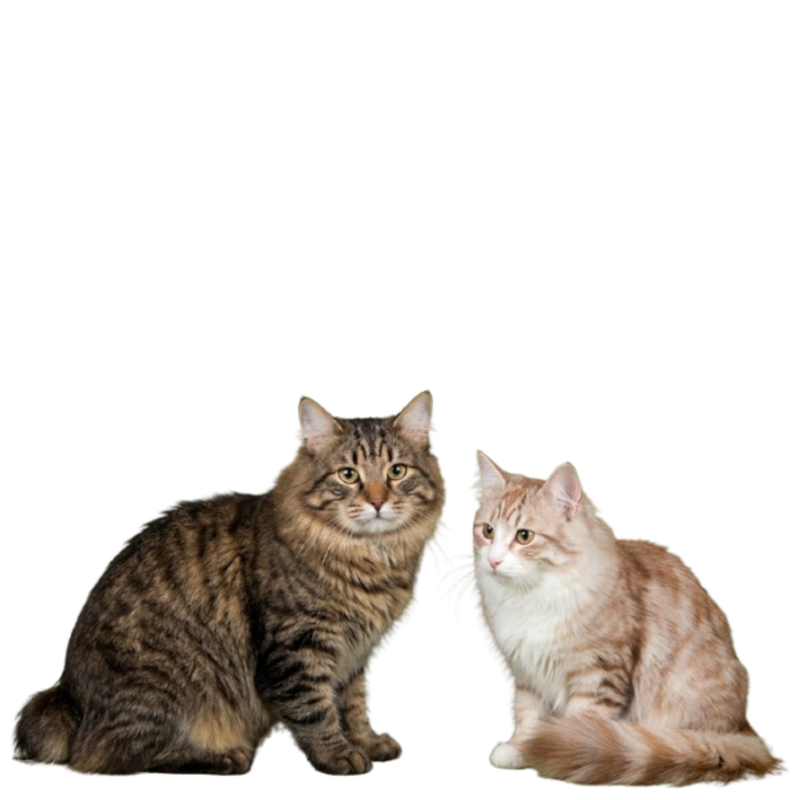
appearance
The Kurilian Bobtail Longhair represents a distinctive phenotype within the feline world, characterized by a robust, semi‐cobby frame and a unique skeletal configuration of the posterior terminalia. This variety of the Kurilian Bobtail Longhair is defined by its significant muscular hypertrophy and a dense, weather–resistant integumentary system. From an anatomical perspective, the breed displays a harmonious balance between power and agility, with a skeletal alignment that supports a high degree of saltatory capability. The most striking anatomical marker remains the abbreviated caudal appendage, which manifests as a complex arrangement of fused and kinked vertebrae, creating a pom‐pon effect that is entirely unique to the individual specimen.
Cranial and Facial Conformation
The cranial structure of the Kurilian Bobtail Longhair is a modified wedge shape with rounded contours, exhibiting significant breadth at the cheekbones. The zygomatic arches are well‐developed, contributing to a full, powerful appearance of the muzzle.
- Pinna Orientation: The ears are medium in size, set high on the cranium, and tilted slightly forward. They possess rounded apices and are furnished with significant internal plumage and lynx‐like tufts at the tips.
- Orbital Configuration: The eyes are walnut‐shaped, being oval on the superior aspect and rounded on the inferior. They are set at a slight oblique angle toward the base of the ear.
- Nasal and Mandibular Profile: The nasal bridge is broad and straight, leading to a slight indentation at the transition to the forehead. The mandible is firm and well‐developed, providing a strong chin profile.
Skeletal Structure and Muscular Alignment
The post‐cranial anatomy of Kurilian Bobtail Longhairs reveals a sturdy, compact thoracic cavity and a slightly arched spinal column. The hindquarters are notably more developed than the forequarters, a trait that influences the feline’s natural stance.
| Anatomical Feature | Morphological Specification |
|---|---|
| Thoracic Cage | Broad, deep, and well‐sprung ribs. |
| Pelvic Girdle | Substantially muscled; higher than the pectoral girdle. |
| Appendicular Skeleton | Medium length with heavy bone density; posterior limbs are longer than anterior limbs. |
| Manus and Pes | Large, rounded paws with strong digital pads. |
The ratio of limb length can be represented by the following anatomical relationship:
The High-Hips Leg Length Rule
- : Back Leg Length, the measurement of the hind legs which are naturally longer and more muscular.
- : Front Leg Length, the measurement of the forelegs that support the cat’s chest.
- : The Upward Slope, the mathematical requirement that ensures the back is higher than the shoulders, creating the breed’s famous arched silhouette.
A veterinarian measures a sturdy adult Kurilian Bobtail Longhair and finds the posterior limb () length to be cm and the anterior limb () length to be cm. The calculation is . Since the result is , which is greater than 1, the cat meets the anatomical standard for the breed’s distinctive silhouette and arched skeletal structure.
Caudal Vertebrae Structure
The defining characteristic of Kurilian Bobtail Longhair’s morphology is the abbreviated tail, which consists of anywhere from 2 to 10 vertebrae. These vertebrae are frequently irregular, exhibiting various degrees of ankylosis (fusion) and angulation (kinking).
- Snag Type: Primarily composed of 2–8 vertebrae that are heavily kinked and often fused into a solid mass.
- Spiral Type: Composed of 5–10 vertebrae forming a spiral or arc, allowing for some degree of mobility.
- Delayed Bob: A straight proximal section followed by a distal kink or spiral.
Integument and Pelage Texture
This longhair variant possesses a semi‐long to long coat that is remarkably dense. The texture is fine but resilient, designed to provide thermal insulation.
- Guard Hairs: Developed and water‐repellent.
- Undercoat: Minimal to moderate, ensuring the coat remains free‐flowing without excessive matting.
- Specialized Plumage: A prominent ruff is present around the cervical region, with significant “britches” on the posterior limbs and a fully furnished caudal pom‐pon.
The density of the pelage functions as a protective barrier—essential for survival in harsh climatic conditions—while maintaining the tactile softness characteristic of the variety.
behavior
The behavioral repertoire of the Kurilian Bobtail Longhair is characterized by high levels of environmental engagement and a sophisticated array of social signaling. As an apex predator in its ancestral ecological niche, the Kurilian Bobtail Longhair exhibits highly specialized predatory motor patterns and a distinct preference for vertical space utilization. This ethogram details the observable action patterns and social dynamics that define the Kurilian Bobtail Longhair’s behavioral phenotype, focusing on the intersection of solitary hunting mechanics and complex communal living.
Social Facilitation and Intraspecific Dynamics
The Kurilian Bobtail Longhair displays a high degree of social plasticity, often engaging in allogrooming and communal resting behaviors. Their social structure is maintained through a combination of olfactory marking and subtle tactile communication.
- Tactile Communication: Members of Kurilian Bobtail Longhairs frequently employ head‐rubbing (bunting) and flank‐rubbing as a means of group scent consolidation.
- Social Play: Juveniles and adults alike engage in object‐play and social wrestling, which serves to refine motor skills and reinforce social hierarchies.
- Conflict Resolution: Agonistic behaviors are typically ritualized, involving piloerection and vocalized threats rather than physical escalation.
Predatory Manifestation and Exploration Strategies
The predatory drive in the Kurilian Bobtail Longhair is exceptionally robust, with a notable emphasis on aquatic exploration and high‐impact pouncing. Unlike many domestic felines, Kurilian Bobtail Longhairs often display a lack of aversion to water, frequently engaging in tactile investigation of liquid surfaces.
| Behavior Category | Action Pattern Description | Observation Frequency |
|---|---|---|
| Piscivory Tactics | Tactile “pawing” at water surfaces; submerged limb exploration. | High |
| Verticality | Preference for elevated vantage points; scansorial (climbing) movement. | Consistent |
| Object Retrieval | Spontaneous carrying of inanimate objects via the mandible. | Moderate |
| Olfactory Mapping | Flehmen response following investigation of novel scents. | Frequent |
The probability of a successful predatory strike () relative to the distance of the prey () and the height of the feline’s vantage point () can be modeled as:
The Pounce Success Hunter’s Guide
- : Catch Probability, the total mathematical chance the cat has of successfully catching its target.
- : Focus Timer, a way to add up every split-second of concentration from the start of the stalk () to the pounce ().
- : Stalking Time, how many seconds the cat spends frozen and watching before jumping.
- : Vantage Height, how high up the cat is sitting (like on a shelf), which gives it a gravity advantage.
- : Gap Distance, how far away the prey is. Because this is squared (), being even a little further away makes a catch much harder.
- : Time Slice, a tiny increment of time used to show that the cat’s brain is constantly recalculating its odds.
- : The Safety Buffer, a number used to keep the math stable even if the cat is sitting directly above the target.
A Kurilian Bobtail Longhair sits on a bookshelf at a height ( meters) watching a feather toy at a distance ( meters). The cat stalks for a duration ( seconds). The instantaneous success rate is . By integrating this constant focus over seconds (), the result is . A value above in this cumulative model indicates an extremely high probability of a successful, high-impact pounce.
Vocalization and Acoustic Signaling
The acoustic repertoire of the Kurilian Bobtail Longhair is distinct, characterized by a preference for chirping and trilling over standard feline vocalizations. These sounds are primarily utilized for intra‐specific coordination and maternal–offspring bonding.
- Trilling: Used as a greeting or to solicit attention from social partners.
- Chirping: Often observed during the “orienting” phase of the predatory sequence, likely reflecting a state of high arousal.
- Silence Threshold: Compared to other breeds, the Kurilian Bobtail Longhair maintains a higher threshold for distress vocalizations, often relying on body posture for primary communication.
Activity Cycles and Environmental Interaction
Kurilian Bobtail Longhairs typically exhibit a polyphasic activity cycle, though they show increased peaks of environmental exploration during crepuscular periods (dawn and dusk).
- Patrolling: Systematic movement through a defined territory to refresh scent marks and monitor changes.
- Resting Postures: Preference for “loafing” in high positions to maintain visual surveillance of the environment—a classic strategy for predator avoidance and prey spotting.
- Manipulative Play: A high degree of manual dexterity is observed; Kurilian Bobtail Longhairs often use their paws to manipulate latches or move objects to access hidden stimuli.
color
The chromatic landscape of the Kurilian Bobtail Longhair is a complex manifestation of melanocyte activity and pigment granule distribution within the medullary and cortical layers of the hair shaft. This variety displays a vast spectrum of eumelanistic and phaeomelanistic expressions, often influenced by polygenic modifiers such as rufism, which enhances the saturation of oxidative pigments. The interaction between light and the physical structure of the longhair pelage creates unique optical effects, where the density of pigment at the distal ends of the hair often differs significantly from the proximal base, resulting in intricate shading and depth.
Eumelanin and Phaeomelanin Distribution
The base coloration of Kurilian Bobtail Longhairs is determined by the specific type and density of melanin granules deposited during the anagen phase of hair growth. Eumelanin provides the foundation for dark tones, while phaeomelanin is responsible for the warmer, reddish hues.
- Eumelanic Saturation: In high‐density configurations, eumelanin appears as deep black. When granules are more sparsely distributed or organized into specific patterns, the visual perception shifts toward varying shades of grey or blue.
- Phaeomelanic Intensity: The expression of phaeomelanin ranges from pale cream to vibrant red. The presence of “rufism” modifiers can significantly increase the vividness of these pigments, leading to a high‐contrast appearance.
- Agouti Patterning: This involves a rhythmic shift in pigment production, where individual hairs exhibit bands of eumelanin and phaeomelanin, creating the characteristic “ticked” appearance common in the variety.
Pigment Density and Light Refraction
The perceived color () of the Kurilian Bobtail Longhair’s coat is a function of the pigment concentration () and the light scattering coefficient () of the hair’s keratin structure. This can be simplified as:
The Shimmering Glow Color Formula
- : Visual Shine, how rich and glowing the coat color appears to the human eye.
- : Rainbow Range, the math used to add up every visible color of light from deep violet to bright red.
- : Color Thickness, the amount of actual pigment (melanin) found at different points in the fur.
- : Sparkle Factor, how much the long, silky hair structure scatters light to create a silver or glowing effect.
- : Color Slice, tiny steps through the light spectrum used to calculate the total appearance.
- : The Clear Constant, a number that represents the clear parts of the hair that allow light to pass through.
A breeder examines a Red Silver Kurilian Bobtail Longhair Longhair. In this cat, the Pigment Concentration () is low due to the Inhibitor gene, while the Scattering Coefficient () of the long guard hairs is high (). If the visible spectrum produces an average numerator of across the red wavelengths, the inner calculation is . Integrating this result across the red band of the spectrum gives a final value of , which visually manifests as the shimmering, ethereal color characteristic of the breed’s Longhair variety.
| Color Category | Pigment Type | Visual Characteristics |
|---|---|---|
| Solid | Uniform Eumelanin/Phaeomelanin | Consistent saturation from the follicle to the apex. |
| Silver/Smoke | Inhibited Proximal Pigment | Absence of granules at the hair base, creating a white undercoat. |
| Tabby | Regionalized Concentration | Distinct zones of high pigment density against an agouti background. |
| Parti‐color | Localized Melanocyte Absence | Clear demarcations where pigment migration failed during development. |
Advanced Shading and Ghost Markings
In certain specimens of the Kurilian Bobtail Longhair, particularly those with dilute pigmentation, “ghost markings” may be visible. These are faint remnants of tabby patterns where the differential in pigment density is minimal but still detectable under specific light conditions.
- Inhibitor Effects: The suppression of phaeomelanin in silver varieties leads to a stark, cold optical effect, where only the eumelanin remains visible in the distal regions of the hair shaft.
- Tipping and Shading: The concentration of pigment may be restricted to the upper 1/8–1/2 of the hair length. This creates a shimmering effect as the animal moves, as the unpigmented base is momentarily exposed.
- Oxidative Variations: Environmental factors and saliva enzymes can occasionally cause mild oxidation of the eumelanin, leading to a brownish “rusting” effect on the traditionally black surfaces of the Kurilian Bobtail Longhair.
The interplay of these pigments ensures that each Kurilian Bobtail Longhair possesses a distinct chromatic signature—even when following standardized breed patterns.
compatibility
Ease of Maintenance
Rating: 2/5
Child Friendly
Rating: 5/5
Annual Cost
Rating: 4/5
Lifetime Cost
Rating: 5/5
Adaptability
Rating: 5/5
Velcro Factor
Rating: 5/5
Quietude
Rating: 4/5
Apartment Suitability
Rating: 3/5
Hypoallergenic
Rating: 2/5
Handling Tolerance
Rating: 5/5
Hardiness/Longevity
Rating: 5/5
Prey Drive
Rating: 1/5
genetics
The genomic profile of the Kurilian Bobtail Longhair is defined by a specific suite of mutations affecting skeletal development and hair follicle cycling. From a geneticist’s perspective, the breed serves as a primary model for investigating the autosomal dominant inheritance of caudal truncation, a trait that distinguishes it from other bobtailed populations. Unlike the Manx gene (), which is associated with lethal semi‐dominant homozygous states, the Kurilian Bobtail Longhair’s truncation mutation displays high penetrance with a benign homozygous expression. The integration of the longhair phenotype further involves a recessive transition within the Fibroblast Growth Factor 5 () gene, resulting in an elongated anagen phase of the hair growth cycle.
Inheritance Patterns of the Caudal Appendage
The most significant locus in Kurilian Bobtail Longhairs is the one governing the abbreviated tail. Current research indicates that this is an autosomal dominant trait with variable expressivity, meaning the physical manifestation (the number of vertebrae) varies despite the presence of the same primary allele.
- Dominant Allele (): The presence of at least one allele results in the truncated caudal phenotype.
- Wild‐type Allele (): The recessive form which, in a homozygous state (), results in a full‐length tail.
- Variable Expressivity: While the allele is dominant, the exact degree of kinking or vertebral fusion is likely influenced by a network of polygenetic modifiers.
| Genotype | Phenotypic Expression | Genetic State |
|---|---|---|
| KbKb | Truncated tail (Bobtail) | Homozygous Dominant |
| Kbk | Truncated tail (Bobtail) | Heterozygous |
| kk | Full‐length tail | Homozygous Recessive |
The probability () of an offspring expressing the bobtail phenotype from a heterozygous cross () follows the standard Mendelian ratio:
The Bobtail Kitten Genetic Odds
- : Short-Tail Chance, the 75% statistical probability that a kitten in this litter will have the famous bobbed tail.
- : The Bobtail Gene, the dominant instruction in the DNA that creates the short, pom-pom tail.
- : The Long-Tail Gene, the hidden ancestral instruction for a standard full-length tail.
- : The 3-out-of-4 Rule, the standard result when two parents who both carry one hidden long-tail gene are bred together.
In a breeding program for the Kurilian Bobtail Longhair Longhair, a breeder pairs two cats that both have bobtails but carry the long-tail gene (). Using the ratio of , if the litter size is kittens, the expected result is that kittens will have bobtails (comprising and genotypes) and kitten () will express a full-length tail.
The FGF5 Locus and Pelage Length
The longhair characteristic of the Kurilian Bobtail Longhair is governed by the gene. This gene acts as a molecular switch to terminate hair growth; a loss‐of‐function mutation in this locus prevents the timely transition from the anagen (growth) phase to the catagen (regression) phase.
- Allelic Designation (): The mutated, recessive allele that allows for increased hair length.
- Anagen Extension: In individuals homozygous for the recessive allele (), the protein signaling that normally triggers follicle dormancy is inhibited.
- Polygenetic Modifiers: While is the primary gatekeeper, the actual length and texture are modulated by secondary genes affecting hair shaft diameter and medulla structure.
Comparative Genomic Analysis
Geneticists distinguish the Kurilian Bobtail Longhair from other phenotypically similar breeds by the absence of specific deleterious mutations. Through DNA sequencing, it has been observed that the Kurilian Bobtail Longhair does not share the same genetic markers as the Japanese Bobtail or the Manx, suggesting a convergent evolution or a distinct ancestral mutation event.
- Absence of Lethal Genes: There is no evidence of the “lethal factor” in Kurilian Bobtail Longhairs that causes spontaneous abortion or severe spinal defects in homozygous dominant individuals ().
- Genetic Diversity: Due to the naturally occurring nature of the foundation stock, Kurilian Bobtail Longhairs maintain a high level of heterozygosity across their general genome, excluding the fixed loci for tail and coat length.
Probability Modeling of Trait Co‐occurrence
In a breeding population where both the bobtail trait () and the longhair trait () are segregating, the likelihood of an individual being both phenotypically bobtailed and longhaired (assuming heterozygous parents for both traits) can be modeled using the product rule of independent assortment:
The Bobtail + Longhair Combo Rule
- : The Perfect Match Chance, the odds of a kitten having both the short tail AND the long, silky fur.
- (The Comma): Independent Traits, the symbol showing that tail length and hair length are separate genes and don’t influence each other.
- : Bobtail Odds, the 3/4 chance that the cat will have a short tail. The underscore (_) means it doesn’t matter if they have one or two copies of the gene.
- : Longhair Odds, the 1/4 chance that the cat will have long fur, which only happens if they get two l genes.
- : Dominant Tail Gene, the primary gene for the bobtail trait.
- : Recessive Fur Gene, the specific gene needed for long hair.
In a breeding pair of heterozygous Kurilian Bobtail Longhairs, we use the Product Rule to find the overlap of traits. The comma tells us to multiply the 3/4 chance of a bobtail by the 1/4 chance of long hair. The calculation is , and the result is . This means in a litter of 16, approximately 3 kittens will achieve the full breed standard of being both bobtailed and longhaired.
This mathematical model assumes no genetic linkage between the locus and the locus, an observation supported by the independent segregation of these traits in Kurilian Bobtail Longhair’s lineages.
health
The physiological constitution of the Kurilian Bobtail Longhair is generally characterized by a robust immunity and high metabolic resilience, a testament to its development through natural selection. From a veterinary perspective, the Kurilian Bobtail Longhair’s health profile is notable for the absence of many deleterious conditions typically associated with skeletal mutations in other felids. However, as with all pedigreed populations, certain predispositions toward cardiovascular, renal, and ocular pathologies must be clinically monitored. This guide outlines the significant physiological considerations and potential pathological markers relevant to the diagnostic assessment of the Kurilian Bobtail Longhair.
Skeletal and Spinal Integrity
Unlike other bobtailed breeds, the Kurilian Bobtail Longhair does not typically exhibit the severe spinal malformations or neurological deficits associated with “Manx syndrome.” The unique vertebral truncation in this variety appears to be clinically benign.
- Vertebral Column Stability: Radiographic assessments of Kurilian Bobtail Longhairs generally show a healthy termination of the coccygeal vertebrae without evidence of spina bifida or tethered cord syndrome.
- Joint Morphology: Due to the high muscular mass and significant saltatory power of the hindquarters, clinicians should monitor for potential coxofemoral luxation or patellar luxation as the animal ages, particularly in specimens with high body mass indexes.
Cardiovascular and Renal Monitoring
While no breed‐specific heart conditions have been isolated, the Kurilian Bobtail Longhair remains susceptible to common feline systemic diseases. Regular screening via echocardiography and serum biochemistry is recommended.
| Pathological Condition | Diagnostic Marker | Clinical Presentation |
|---|---|---|
| Hypertrophic Cardiomyopathy (HCM) | Left ventricular wall thickness | Diastolic dysfunction; localized or generalized myocardial thickening. |
| Polycystic Kidney Disease (PKD) | Renal ultrasonography | Formation of fluid‐filled cysts within the renal parenchyma. |
| Chronic Renal Insufficiency | Elevated SDMA and Creatinine | Progressive decline in glomerular filtration rate (GFR). |
The relationship between glomerular filtration and serum markers can be approximated by the following physiological ratio:
The Kidney Cleaning Speed Tracker
- : Kidney Health Score, the rate at which the kidneys are successfully scrubbing waste out of the blood.
- : Changes With, the symbol showing that this score moves up or down based on the waste levels measured.
- : Waste in Urine, the concentration of creatinine waste that the kidneys successfully removed.
- : Flow Volume, how much urine the cat is producing per minute.
- : Waste in Blood, the amount of creatinine waste still left in the bloodstream; if this is high, the kidneys might be slowing down.
A veterinarian performs a renal screening on a senior Kurilian Bobtail Longhair Longhair. The blood test shows a Plasma Creatinine () of mg/dL. The urine sample reveals a Creatinine Concentration () of mg/dL with a flow rate () of ml/min. The calculation is . The result of 2 provides a clear ratio to monitor for early signs of renal insufficiency or decline in kidney function.
Ocular and Dental Pathophysiology
The Kurilian Bobtail Longhair’s longhair phenotype requires specific clinical attention regarding the integumentary and mucous membrane interfaces.
- Entropion and Trichiasis: The facial conformation and dense pelage may lead to inward rolling of the eyelids, causing corneal irritation.
- Periodontal Disease: Progressive inflammation of the gingiva and periodontal ligament is a common secondary concern if oral hygiene is neglected—leading to alveolar bone loss and potential systemic bacteremia.
Metabolic and Digestive Considerations
The Kurilian Bobtail Longhair exhibits a high basal metabolic rate, requiring a diet dense in animal proteins to maintain muscular hypertrophy.
- Dysbiosis Risk: Transitioning between diet types should be managed carefully to avoid acute gastrointestinal distress or chronic enteropathy.
- Glycemic Control: Clinicians should monitor for insulin resistance in sedentary or obese Kurilian Bobtail Longhairs, as the breed’s powerful frame can mask early signs of metabolic syndrome.
longevity
The longitudinal study of Kurilian Bobtail Longhairs reveals a survival curve typical of robust, naturally developed feline populations, characterized by a protracted period of physiological stability before the onset of senescence. As a biological system, the Kurilian Bobtail Longhair exhibits a notable resistance to early‐onset age‐related decline, with mortality rates remaining statistically low through the first decade of life. The geriatric transition in this variety is often categorized by a gradual decrease in metabolic efficiency rather than precipitous organ failure. By applying actuarial models to population data, biostatisticians can map the specific life expectancy markers that define the aging trajectory of the Kurilian Bobtail Longhair’s longhair cohort, providing a data‐driven framework for understanding feline maturation.
Life Expectancy and Survival Probability
The mean life expectancy for Kurilian Bobtail Longhairs generally falls within a range that reflects high biological fitness. Statistical variance is influenced primarily by environmental factors and the quality of nutritional intake during the developmental phases.
- Median Lifespan: Observations indicate a median survival age ranging from 15–18 years.
- Survival Function: The probability of an individual Kurilian Bobtail Longhair reaching a specific age () can be modeled using the Kaplan–Meier estimator: Where represents the number of mortality events at time , and is the total individuals at risk just prior to .
Geriatric Transition and Aging Stages
The aging process in Kurilian Bobtail Longhairs is segmented into distinct chronological phases, each defined by specific physiological milestones and shifts in the rate of cellular senescence.
| Life Stage | Age Range (Years) | Statistical Description |
|---|---|---|
| Developmental | 0–2 | Rapid somatic growth; peak immune system priming. |
| Mature/Maintenance | 3–10 | Stability in biomarker levels; lowest annual mortality rate. |
| Senior Transition | 11–14 | Initial measurable decline in metabolic rate; onset of subclinical senescence. |
| Geriatric | 15+ | Increased probability of chronic systemic decline; terminal phase of the survival curve. |
Mortality Rates and Hazard Functions
The Gompertz–Makeham law of mortality provides a mathematical basis for the increasing death rate of Kurilian Bobtail Longhairs as they age. The hazard function describes the instantaneous risk of mortality at age :
The Vitality and Aging Risk Chart
- : Health Risk Level, the total chance of a health issue occurring at any specific age ().
- : Current Age, the cat’s actual age in years.
- : Baseline Health, the tiny risk of health problems that exists even for a young, strong cat.
- : Aging Factor, a math constant used to show how the body’s natural wear-and-tear multiplies over time.
- : Aging Speed, a measurement of how quickly this specific breed’s biological clock moves.
- : Outside Risks, the chance of accidents or environmental issues that have nothing to do with getting older.
For a mature -year-old Kurilian Bobtail Longhair (), let’s assume a low senescence rate () of , an intrinsic risk () of , and an environmental constant () of . The calculation is . This simplifies to . The result is a Hazard Rate of , demonstrating the hardiness and slower biological clock of this natural landrace.
Kurilian Bobtail Longhairs typically exhibit a lower value compared to more highly inbred feline varieties, indicating a slower biological aging clock.
Factors Influencing Senescence Rates
While the biological “ceiling” for the Kurilian Bobtail Longhair is high, the rate of individual senescence is modulated by cumulative oxidative stress and the efficiency of DNA repair mechanisms.
- Metabolic Rate Variations: Changes in energy expenditure during the senior transition phase can serve as early indicators of the aging trajectory.
- Environmental Impact: Actuarial data suggests that controlled environments significantly shift the survival curve to the right—increasing the probability of individuals reaching the 18–20 year centenarian equivalent.
- Oxidative Load: The accumulation of cellular damage over time eventually exceeds the threshold for physiological compensation, leading to the characteristic “plateau” and then the decline seen in geriatric mortality tables.
maintenance
Optimal maintenance of the Kurilian Bobtail Longhair necessitates a specialized approach to nutritional bioenergetics and integumentary management. Given the high metabolic activity and dense, semi‐longhair pelage characteristic of the variety, husbandry specialists must implement protocols that address both the Resting Energy Requirement (RER) and the specific hygroscopic needs of the coat. Environmental engineering for Kurilian Bobtail Longhairs should prioritize three‐dimensional space utilization to accommodate their high capacity for saltatory movement, while nutritional strategies must focus on maintaining lean muscle mass through precise macronutrient ratios.
Nutritional Bioenergetics and Hydration
The dietary requirements for Kurilian Bobtail Longhairs are predicated on a high‐protein, moderate‐fat profile to support significant muscular hypertrophy. Calculating the Daily Energy Requirement (DER) is essential for preventing metabolic imbalances. The Resting Energy Requirement (RER) for an adult Kurilian Bobtail Longhair is calculated using the following metabolic scaling formula:
The Baseline Fuel Calorie Goal (RER)
- : Resting Calories, the number of calories the cat needs just to keep its heart beating and brain working while napping.
- : Energy Multiplier, a standard number used to start the calorie count for all mammals.
- : Body Weight, the cat’s weight measured in kilograms.
- : Metabolic Curve, a math rule that explains why larger bodies use energy slightly more efficiently than tiny ones.
A heavily muscled adult Kurilian Bobtail Longhair Longhair weighs kg. To find its baseline caloric needs, we calculate . Since is approximately , the calculation becomes . The result is calories per day. This is the minimum energy required to support vital organ function and cellular maintenance before adding activity multipliers.
To determine the total Daily Energy Requirement (DER), a specific multiplier () is applied to the RER based on individual activity levels and physiological status:
The Active Life Food Plan (DER)
- : Total Daily Food, the final amount of calories needed to keep the cat at its ideal weight while it plays and explores.
- : Activity Level, a number that adjusts the calories based on if the cat is a lazy napper or a high-energy athlete.
- : Basal Calories, the starting point (minimum fuel) we calculated from the cat’s weight.
An active and neutered adult Kurilian Bobtail Longhair Longhair has a Resting Energy Requirement () of kcal. Since this breed is notably athletic and inquisitive, we use an activity multiplier () of . The calculation is . The result is calories per day, providing the necessary fuel for the cat to patrol its territory and maintain its dense muscle mass without unwanted weight gain.
- Macronutrient Ratios: Diets should maintain a minimum of 40% crude protein on a dry matter basis to support nitrogen balance and preserve lean tissue.
- Hydration Flux: Due to the breed’s natural affinity for water, multiple hydration stations or circulating fountains are recommended to ensure optimal renal perfusion and prevent urolithiasis.
| Component | Target Percentage (Dry Matter) | Functional Role |
|---|---|---|
| Crude Protein | 40%–50% | Muscle tissue synthesis and repair. |
| Crude Fat | 15%–20% | Sebum production and lipid barrier maintenance. |
| Omega‐3 Fatty Acids | 0.5%–1.0% | Anti‐inflammatory support for the integument. |
Integumentary Maintenance and Grooming Protocols
The Kurilian Bobtail Longhair’s coat is designed for thermal insulation and moisture resistance, requiring systematic intervention to manage sebum distribution and prevent the accumulation of necrotic hair within the follicle.
- Mechanical Debridement: Weekly brushing with a stainless‐steel comb is necessary to reach the undercoat and facilitate the removal of trapped dander and loose fibers.
- Sebum Management: While the coat is relatively self‐cleansing, periodic bathing may be required to prevent lipid buildup at the base of the hair shaft, particularly in intact specimens.
- Periodontal Prophylaxis: Daily mechanical cleaning of the dentition is required to prevent the formation of biofilm and subsequent gingival inflammation.
Environmental Engineering and Enrichment Standards
The environmental requirements for Kurilian Bobtail Longhairs must reflect their ancestral need for complex, vertical topographies. A lack of structural complexity can lead to reduced physical exertion and suboptimal metabolic health.
- Vertical Stratification: Environmental design should incorporate multiple levels—shelves, cat trees, and high vantage points—to allow for natural scansorial movement.
- Olfactory and Tactile Enrichment: Utilizing various textures for scratching surfaces (e.g., sisal, wood, corrugated cardboard) provides necessary tactile feedback and facilitates scent marking via pedal glands.
- Hygroscopic Regulation: Maintaining an ambient humidity range of 40%–60% prevents the excessive drying of the longhair pelage and reduces static electricity buildup within the coat.
measurements
| Measurement | Female | Male | ||
|---|---|---|---|---|
| Metric | Imperial | Metric | Imperial | |
height | 20 – 28 centimeters | 8 – 11 inches | 23 – 30 centimeters | 9 – 12 inches |
length | 38 – 46 centimeters | 15 – 18 inches | 43 – 51 centimeters | 17 – 20 inches |
weight | 3.6 – 5 kilograms | 8 – 11 pounds | 5 – 6.8 kilograms | 11 – 15 pounds |
• Height: Refers to the measurement at the withers (shoulders).
• Length: Measured from the tip of the nose to the base of the tail.
origin
The historical trajectory of the Kurilian Bobtail Longhair is a compelling study of geographic isolation and the stabilization of a landrace population within the Kuril archipelago. Unlike many domestic varieties shaped by intensive anthropogenic selection, the Kurilian Bobtail Longhair emerged through a process of natural selection within an insular ecosystem characterized by high volcanic activity and subarctic climatic conditions. This lineage represents a distinct branch of the Northern Eurasian feline clade, where the truncation of the caudal appendage likely reached fixation due to a founder effect within isolated island habitats. The transition of the Kurilian Bobtail Longhair from a wild, self‐sustaining population to a recognized domestic variety marks a significant intersection of Russian maritime history and feline evolutionary biology.
Geographic Sequestration and the Kuril Archipelago
The primary catalyst for the Kurilian Bobtail Longhair’s unique lineage was the geological and biological isolation of the Kuril Islands, a volcanic chain stretching between the Kamchatka Peninsula and Hokkaido. This “island syndrome” facilitated the divergence of the population from mainland ancestral stocks.
- Insular Divergence: The lack of significant inward migration from the mainland allowed for the stabilization of specific morphological traits that define the Kurilian Bobtail Longhair today.
- Maritime Transport: Historical evidence suggests that felines were likely introduced to the islands via military and trade vessels during the 17th–19th centuries, providing the initial genetic substrate for the landrace.
- Climatic Adaptation: The lineage was further refined by the extreme selective pressures of the Russian Far East, favoring individuals with high thermal retention capabilities.
Chronological Development and Lineage Documentation
The formal recognition of the Kurilian Bobtail Longhair as a distinct entity followed centuries of existence as a semi‐feral landrace. The timeline below outlines the transition from an isolated island inhabitant to a globally documented variety.
| Era | Historical Milestone | Anthropological Significance |
|---|---|---|
| Pre‐20th Century | Natural Landrace Establishment | Stabilization of the Kurilian Bobtail Longhair via geographic isolation and lack of outcrossing. |
| Mid–20th Century | Initial Scientific Observation | Soviet biologists and military personnel document the unique caudal morphology in situ. |
| 1980–1990 | Formal Pedigree Documentation | Collection of foundation stock from the islands of Kunashir and Iturup for mainland breeding. |
| 1991–1995 | International Recognition | Adoption of the first official breed standards by the Soviet Feline Federation (SFF) and WCF. |
Population Modeling and Genetic Drift
The establishment of the Kurilian Bobtail Longhair can be modeled through the lens of population genetics, specifically focusing on the probability of a specific trait reaching fixation () in a small, isolated population. Using the diffusion approximation for a population of size and an initial frequency :
The Island Survival Trait Odds
- : Universal Chance, the probability that a helpful trait (like long fur) will eventually be found in every single cat in the group.
- : Breeding Group Size, the number of cats on the island that are actually having kittens and passing on genes.
- : Survival Bonus, a score of how much that trait helps the cat survive in the cold or snow.
- : Start Frequency, what percentage of cats already had this gene at the very beginning.
- : Exponential Growth, the math used to show how a small advantage can quickly take over a whole population.
In a small, isolated colony of Kurilian Bobtail Longhairs on the Kurile Islands (), a new mutation for a dense, water-repellent coat appears with an initial frequency () of (). Because this Longhair trait offers a significant survival advantage in subarctic climates, we assign a selection coefficient () of . The calculation using the fixation formula results in . This result shows an 86% probability that the longhair trait will permanently stabilize within the lineage due to strong selective pressure.
In the case of Kurilian Bobtail Longhairs, the selective advantage () of certain traits in the subarctic environment, combined with a small effective population size (), accelerated the fixation of the lineage's core characteristics long before human intervention.
Migration Routes and Ancestral Clades
Tracing the migratory routes of Kurilian Bobtail Longhairs involves analyzing the movement of human populations across the Sea of Okhotsk. The lineage likely shares a common ancestor with the Japanese Bobtail and the Siberian cat, representing a point of divergence where the Kurilian Bobtail Longhair became sequestered on the island chain.
- The Siberian Link: Shared ancestry with mainland Northern Russian clades is evident in the development of the weather‐resistant pelage.
- The Japanese Connection: Historical maritime trade between the Ainu people and early Russian explorers likely facilitated a limited gene flow between the islands, though the Kurilian Bobtail Longhair remains a distinct phylogenetic unit.
- Soviet Integration: The mid‐20th century marked the primary migratory wave of the Kurilian Bobtail Longhair toward the Russian mainland, facilitated by returning scientists and travelers who recognized the unique properties of the island felines.
temperament
The temperament of the Kurilian Bobtail Longhair is characterized by a high degree of emotional stability and a specialized profile of environmental engagement. As a product of natural selection within an insular ecosystem, the Kurilian Bobtail Longhair’s psychological architecture displays reduced levels of environmental neophobia and a significantly elevated threshold for stress‐induced reactivity. From a clinical perspective, Kurilian Bobtail Longhairs exhibit a unique combination of high gregariousness and autonomous cognitive processing, which distinguishes them from many more highly domesticated varieties. Their dispositional profile is defined by a robust curiosity and a sophisticated capacity for social integration, both within intra‐species and inter‐species contexts.
Sensory Thresholds and Emotional Reactivity
The Kurilian Bobtail Longhair possesses an exceptionally high threshold for sensory overstimulation, which translates into a calm and methodical disposition. This resilience is a critical component of their psychobiological makeup.
- Environmental Neophobia: Kurilian Bobtail Longhairs display a marked lack of fear regarding novel stimuli. Instead of a flight response, they typically exhibit an investigative orienting reflex.
- Stress Resilience: The recovery rate following a startle response is rapid, indicating a highly efficient parasympathetic nervous system.
- Aggression Threshold: Overt aggression is statistically rare in the Kurilian Bobtail Longhair, as they generally utilize de‐escalation strategies or simply maintain distance when faced with high‐intensity conflict.
Social Integration and Gregariousness
The social nature of the Kurilian Bobtail Longhair is highly developed, often described by ethologists as exhibiting dog‐like levels of loyalty and attachment.
| Dispositional Trait | Spectrum Analysis | Clinical Observation |
|---|---|---|
| Gregariousness | High | Strong tendency toward group cohesion and social proximity. |
| Affiliative Intent | Proactive | Frequently initiates tactile and vocal contact with human caregivers. |
| Intra‐species Sociability | Cooperative | High tolerance for other conspecifics and domestic animals. |
| Autonomy | Moderate–High | Capable of self‐directed activity without excessive separation anxiety. |
Cognitive Engagement and Exploratory Drive
The exploratory drive of the Kurilian Bobtail Longhair is a dominant feature of their personality profile, characterized by high levels of persistence and problem‐solving capacity.
- Curiosity Quotient: Kurilian Bobtail Longhairs are characterized by a proactive desire to manipulate their environment, often seeking out complex stimuli.
- Interactivity: Their temperament is described as “participatory”—they prefer to be observers of, or participants in, household activities rather than passive residents.
- Adaptability: Due to their low emotional reactivity, Kurilian Bobtail Longhairs adapt to changes in their living environment with greater ease than the average domestic feline.
The probability of a proactive investigative response () relative to the intensity of a novel stimulus () and the baseline anxiety level of the specimen () can be modeled as:
The Curiosity vs. Caution Score
- : Investigation Odds, the likelihood that the cat will choose to go check out a new object instead of hiding.
- : The Decision Curve, a math formula used to find the tipping point where a cat’s curiosity finally beats its fear.
- : Object Interest, how exciting or complex the new object or sound is.
- : Anxiety Level, how nervous or cautious the cat is feeling in its current environment.
- : The Kurilian Spirit, a breed-specific number that is naturally high for these cats, meaning they are much braver than average.
- : Natural Log Base, the math constant that helps model how behaviors change as objects get more interesting.
A Kurilian Bobtail Longhair encounters a new interactive water fountain with an intensity () of . The cat is in a secure home environment, so its anxiety () is low at . Given the breed’s high curiosity constant (), the calculation is . The result is . This near-certainty reflects how the exploratory drive of the Kurilian Bobtail Longhair almost always outweighs caution when faced with complex stimuli.
For the Kurilian Bobtail Longhair, is notably high, ensuring that curiosity often outweighs caution in non‐threatening scenarios.
Temperament Stability and Maturation
The Kurilian Bobtail Longhair maintains a stable temperament from late adolescence through the geriatric transition. While activity levels may fluctuate, their inherent dispositional traits remain consistent.
- Adolescent Transition: During the maturation phase, Kurilian Bobtail Longhairs maintain their high social focus while refining their investigative techniques.
- Senior Disposition: In the later stages of life, the Kurilian Bobtail Longhair remains emotionally engaged, though their sensory thresholds may shift as a result of biological aging.