Kurilian Bobtail Cat
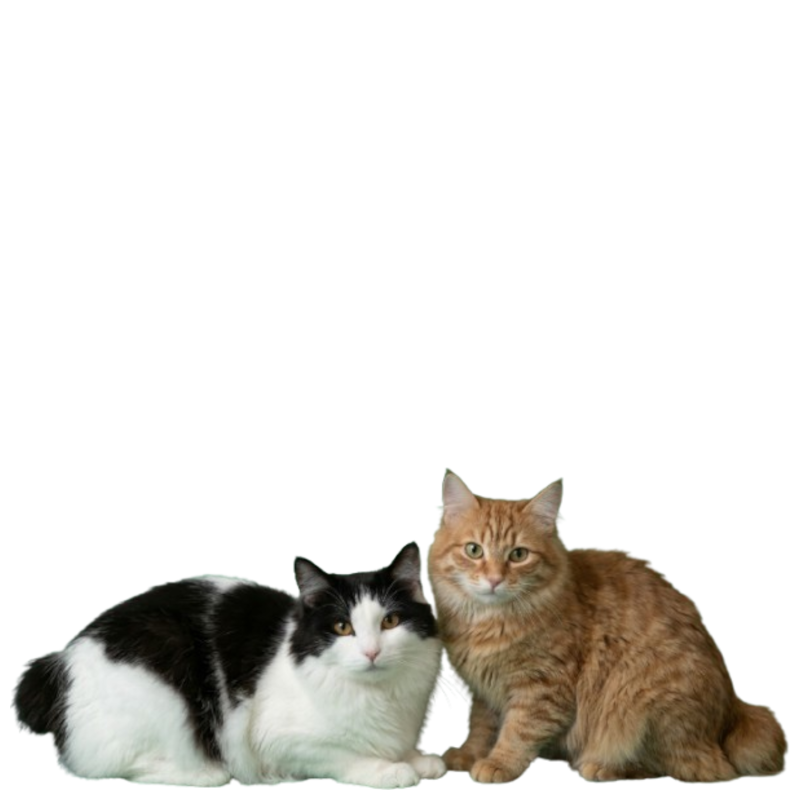
appearance
The Kurilian Bobtail represents a distinct evolutionary divergence in feline skeletal structure, characterized primarily by a compact, cobby habitus and a significant abbreviation of the terminal spinal column. This specimen exhibits a robust, semi‐foreign to substantial body type, where the interplay between muscular hypertrophy and a unique pom‐pom shaped caudal appendage defines its profile. From an anatomical perspective, the Kurilian Bobtail’s structural integrity is predicated on a balance of heavy bone density and a biomechanical advantage provided by the discrepancy between the lengths of the thoracic and pelvic limbs.
Cranial and Facial Conformation
The cranial region of the Kurilian Bobtail displays a modified wedge shape with rounded contours, ensuring a soft yet powerful appearance. The skeletal architecture of the skull provides a broad base for the attachment of significant masticatory musculature.
| Feature | Anatomical Specification |
|---|---|
| Zygomatic Arch | High and prominent, contributing to the width of the mid‐face. |
| Muzzle | Well‐defined and broad with a slight indentation at the transition to the cheekbones. |
| Nasal Bridge | Straight and medium in length, exhibiting a slight dip at the eye level. |
| Pinna Orientation | Medium sized, set high on the cranium, and tilted slightly forward with rounded apices. |
Axial and Appendicular Skeletal Structure
The torso of Kurilian Bobtails is notably solid, reflecting a high degree of musculoskeletal development. The rib cage is broad, transitioning into a level back that rises toward the hindquarters.
Limb Proportions and Biomechanics
A defining characteristic of the Kurilian Bobtail is the elevation of the rump relative to the shoulders. This is a result of the pelvic limbs being significantly longer than the thoracic limbs. The ratio of limb lengths can be expressed as:
The High-Hips Leg Length Rule
- : Leg Balance Score, the number that shows how much longer the back legs are than the front legs.
- : Back Leg Length, measured from the hip down to the ankle.
- : Front Leg Length, measured from the shoulder down to the wrist.
For a powerfully built Kurilian Bobtail, the pelvic limb () is measured at cm, while the thoracic limb () is cm. The calculation confirms the elevation of the rump relative to the shoulders. This geometric arrangement provides the mechanical leverage required for high-impact propulsion during jumping and sprinting.
This geometric arrangement facilitates high‐impact propulsion and jumping capabilities. The paws are rounded and large, providing a stable foundation for the heavy bone structure.
The Caudal Appendage (Bobtail)
The most distinctive morphological marker of the Kurilian Bobtail is the truncated tail. This structure is composed of a variable number of caudal vertebrae that may be kinked, curved, or spiraled in various directions.
- Vertebral Count: Typically ranges from 2–10 vertebrae.
- Structural Variation: The tail can present as a “snag,” “spiral,” or “whisk”—each providing a unique silhouette while maintaining a total length that does not exceed the hock.
- Articulation: Despite the visible deformities, the tail remains mobile at the base, though inter‐vertebral fusion is common in the distal segments.
Integument and Fur Texture
The Kurilian Bobtail possesses a dense, resilient coat that varies in length between short and semi‐longhaired varieties. The texture is influenced by the presence of a well‐developed undercoat and a protective layer of guard hairs.
- Guard Hairs: Firm and water‐resistant, particularly prominent on the dorsal surface.
- Texture: Ranges from silky to plush, depending on the specific length of the pile.
- Localization: Enhanced fur density is often observed in the ruff, breeches, and the tail itself—where the hair grows in all directions to create the characteristic pom‐pom effect.
behavior
The behavioral repertoire of the Kurilian Bobtail is defined by high levels of environmental engagement and a complex social structure that emphasizes group cohesion. Observations of Kurilian Bobtails indicate a propensity for active exploration and a sophisticated array of tactile and vocal communication methods. Unlike many solitary felids, this specimen frequently exhibits social facilitation, where the actions of one individual trigger similar behaviors in conspecifics, particularly during predatory play or environmental navigation. The following ethogram delineates the specific behavioral motor patterns observed within the domestic environment.
Social Dynamics and Interaction Strategies
The Kurilian Bobtail utilizes a multifaceted approach to social bonding, relying heavily on allorubbing and mutual grooming to maintain group hierarchy and scent familiarity.
| Interaction Type | Behavioral Motor Pattern | Ethological Function |
|---|---|---|
| Allogrooming | Repetitive licking of the cranial and cervical regions of conspecifics. | Strengthening of social bonds and tension reduction. |
| Tactile Solicitation | Use of the forelimbs to gently tap or pull a social partner. | Initiation of play or attention—seeking sequences. |
| Scent Marking | Lateral body rubbing against vertical surfaces and social partners. | Maintenance of a communal group scent. |
Probability of Prosocial Engagement
In a multi‐cat environment, the probability of a prosocial interaction occurring between two Kurilian Bobtails can be modeled as a function of environmental enrichment and previous positive reinforcement :
The Friendly Interaction Success Odds
- : Friendship Probability, the chance that two cats will play or snuggle together.
- : Home Comforts, a score for having enough cat trees, hiding spots, and toys.
- : Good History, the total of all the successful friendly moments the cats have had before.
- : Total Stress, the sum of things like cramped space or fighting over the food bowl.
In a household with two Kurilian Bobtails, the Enrichment () is high () due to multiple cat trees. Their Reinforcement () history is solid () from communal feeding. If the Social Friction is low (), the calculation is . A result significantly above indicates that a prosocial interaction is highly probable, reinforcing the breed’s reputation for gregarious group dynamics.
Predatory Manifestation and Play Cycles
The prey‐drive in Kurilian Bobtails is highly developed, characterized by an intense focus on moving stimuli and a preference for elevated vantage points during the stalk phase.
- Exploratory Locomotion: Kurilian Bobtails frequently engage in vertical exploration, utilizing their powerful hindquarters to access high‐altitude observation posts.
- Hydro‐Affinity: A notable behavioral quirk is the tendency to investigate and interact with moving water sources, often involving dipping the forepaws to manipulate the liquid surface.
- Object Retrieval: Spontaneous fetching behavior is common, where the Kurilian Bobtail carries small items in its mouth to a central location or a human facilitator, signifying a high degree of cognitive engagement with the environment.
Vocalization and Auditory Communication
The vocal repertoire of the Kurilian Bobtail deviates from the standard “meow” found in many domestic breeds. Instead, they utilize a range of chirps, trills, and complex tonal sequences.
- Trilling: Used primarily during social greeting or to lead a facilitator to a specific location of interest.
- Chirping: Often observed during the visual tracking of avian or insect prey—a behavior known as “chattering” or “ekking.”
- Ultrasonic Components: While not fully mapped, some vocalizations appear to have high‐frequency tonal shifts that suggest a specialized range of auditory communication.
Activity Cycles and Satiety Behaviors
Kurilian Bobtails typically follow a polyphasic sleep pattern, though they exhibit increased crepuscular activity. Their post‐prandial behaviors often include a thorough grooming ritual followed by a period of deep rest.
- The Stalk–Pounce Sequence: During play, Kurilian Bobtails exhibit a prolonged crouch followed by a high‐velocity launch.
- Environmental Archiving: Individuals often patrol the boundaries of their territory multiple times throughout the 24–hour cycle.
- Nesting Behavior: The selection of sleeping sites often involves secluded, enclosed spaces that provide a 360‐degree defensive advantage—reflecting an ancestral survival strategy.
color
The chromatic landscape of the Kurilian Bobtail is characterized by a high degree of phenotypic diversity, stemming from the complex distribution of eumelanin and phaeomelanin within the medullary and cortical layers of the hair shaft. In these specimens, pigment granules are deposited with varying densities, resulting in a spectrum ranging from saturated solids to intricate tabby patterns. The interaction of light with the structural layers of the fur—particularly in the semi‐longhaired variants—often produces a luminous quality, especially where rufism enhances the warmth of the yellow–red spectrum. The following analysis details the biochemical expression and visual manifestations of these pigments across the Kurilian Bobtail’s integument.
Melanistic Expressions and Distribution
The primary pigments responsible for the Kurilian Bobtail’s coloration are eumelanin (black–based) and phaeomelanin (red–based). The intensity of the perceived hue is a result of the concentration and shape of these pigment granules.
| Color Category | Pigment Type | Visual Manifestation |
|---|---|---|
| Dense Eumelanic | Spheroid Eumelanin | Solid black, blue (dilute), or deep chocolate tones. |
| Phaeomelanic | Elongated Phaeomelanin | Rich reds, creams, and apricots with varying levels of rufism. |
| Agouti Signaling | Intermittent Deposition | Banded hair shafts creating traditional tabby and smoke patterns. |
Pigment Density Modeling
The visual saturation of a specific patch of fur can be expressed as a function of the granule density and the light absorption coefficient of the specific melanin type:
The Deep Color Saturation Formula
- : Color Richness, how intense and deep the fur color appears to your eyes.
- : Full Hair Count, a math way to add up every bit of color from the root all the way to the tip.
- : Color Particle Density, how many tiny packets of color are packed into each millimeter of hair.
- : Light Soaking Power, a number that shows how well the specific color (like red or black) absorbs light.
- : Hair Slice, a tiny measurement used to track how color might change along a single strand.
To determine the color depth of a Red Tabby Kurilian Bobtail, we measure a hair length () of mm. If the phaeomelanin has an absorption coefficient () of and the granule density () is a consistent units per mm, the calculation is . This results in a Saturation Value of . A result of indicates a vibrant, high-saturation hue, characteristic of the breed’s wild-type appearance.
Where represents the length of the hair shaft from the follicle to the apex.
Patterning and Depigmentation Zones
In Kurilian Bobtails, the migration of melanocytes during embryonic development often results in localized areas of depigmentation, commonly referred to as white spotting.
- Melanocyte Migration: When melanocytes fail to reach the ventral surfaces, pure white patches appear, creating bicolor or tricolor (calico) phenotypes.
- Achromatotrichia: This total absence of pigment in specific follicles creates a sharp contrast against the surrounding eumelanic or phaeomelanic zones.
- Ghost Markings: Frequently observed in juvenile Kurilian Bobtails or in solid red specimens, these are residual tabby patterns where the pigment density fluctuates slightly despite a seemingly uniform color.
Refractive Effects and Shading
The presence of the silver or smoke phenotype in Kurilian Bobtails is not a result of a new pigment, but rather the inhibition of pigment deposition at the base of the hair shaft.
- The Inhibitor Effect: Pigment is only deposited in the distal 20%–80% of the hair, leaving the proximal portion near the skin a stark, translucent white.
- Tipping and Shading: Depending on the depth of the pigment zone, the specimen may be classified as “tipped” (chinchilla), “shaded,” or “smoke.”
- Rufous Polygenes: These modifiers affect the phaeomelanic intensity, turning a pale yellow into a vibrant, deep brick‐red.
Ocular Pigmentation
The iridial color in the Kurilian Bobtail is linked to the concentration of melanocytes within the stroma and the anterior border layer of the iris.
- Low Density: Results in blue or pale aqua hues due to Tyndall scattering.
- High Density: Results in deep copper, gold, or amber, where the pigment granules absorb shorter wavelengths and reflect the warm end of the spectrum.
- Heterochromia: A condition occasionally seen in Kurilian Bobtails with high‐grade white spotting, where one iris contains significantly higher pigment concentrations than the other.
compatibility
Ease of Maintenance
Rating: 3/5
Child Friendly
Rating: 5/5
Annual Cost
Rating: 4/5
Lifetime Cost
Rating: 5/5
Adaptability
Rating: 5/5
Velcro Factor
Rating: 5/5
Quietude
Rating: 4/5
Apartment Suitability
Rating: 3/5
Hypoallergenic
Rating: 2/5
Handling Tolerance
Rating: 4/5
Hardiness/Longevity
Rating: 5/5
Prey Drive
Rating: 1/5
genetics
The genetic profile of the Kurilian Bobtail is defined by a unique suite of mutations that govern skeletal development and integumentary characteristics. Unlike other truncated‐tail felines, the Kurilian Bobtail’s genotype is characterized by a specific autosomal dominant mutation that affects the caudal vertebrae without the deleterious pleiotropic effects associated with the Manx gene. This genomic stability suggests a long‐term fixation of the trait within a founder population, where polygenetic modifiers have refined the expression of the bobtail phenotype. This guide explores the inheritance patterns and allelic interactions that constitute the Kurilian Bobtail’s biological blueprint.
The Caudal Vertebrae Mutation (K-Locus)
The primary genetic driver in Kurilian Bobtails is the allele, which dictates the abbreviation and kinking of the tail. This mutation exhibits an autosomal dominant inheritance pattern with high penetrance but variable expressivity.
| Genotype | Phenotypic Expression |
|---|---|
| KK | Homozygous dominant; results in a truncated tail (no known lethal effect). |
| Kk | Heterozygous; results in a truncated tail with variable curvature. |
| kk | Homozygous recessive; results in a standard long tail. |
Probability of Phenotypic Segregation
When crossing two heterozygous Kurilian Bobtails (), the probability of producing offspring with the truncated tail phenotype can be modeled using a standard Mendelian ratio:
The Short Tail Kitten Probability
- : Short Tail Odds, the percentage chance that a kitten will be born with the famous bobbed tail.
- : The Bobtail Instruction, the dominant piece of DNA that tells the body to grow a short tail.
- : The Long Tail Instruction, the recessive piece of DNA for a standard full-length tail.
- : The Parent Match, showing a breeding between two parents who both have one short-tail and one long-tail gene.
In a controlled breeding program for the Kurilian Bobtail, a breeder pairs two heterozygous () cats. According to the Mendelian ratio, the expected outcome for a litter of four would be truncated () and long-tailed (). Specifically, the genotypes would be (homozygous dominant), (heterozygous), and (homozygous recessive). The result shows that even two bobbed parents can produce a long-tailed offspring ().
The remaining of the cohort will express the wild‐type (long tail) phenotype, as shown in the following distribution:
The Family Gene Distribution Rule
- : Pure Bobtail Pair, kittens with two copies of the short-tail gene.
- : The Carrier Mix, kittens with one short-tail gene and one hidden long-tail gene.
- : Pure Long-Tail Pair, kittens with two copies of the long-tail gene (no bobtail trait).
When a breeder cross-references the pedigree of two heterozygous () Kurilian Bobtails, they expect a Mendelian distribution in the offspring. In a theoretical sample size of kittens, the result would be kittens, kittens, and kittens. While the first kittens ( and ) will visually express the truncated tail, the final () will express the wild-type or long tail phenotype.
Integumentary Genetics: The L-Locus
The Kurilian Bobtail exists in two distinct coat lengths, governed by the Fibroblast Growth Factor 5 () gene, located at the locus. The semi‐longhair trait is a result of a recessive mutation that prevents the normal cessation of the anagen (growth) phase of the hair follicle.
- Short Hair (): The dominant allele, resulting in a standard guard hair length.
- Long Hair (): The recessive allele; only expressed in the homozygous state ().
- Polygenetic Modifiers: While the locus determines the base length, the density and texture of the Kurilian Bobtail’s coat are influenced by secondary polygenes that regulate undercoat development.
Epistatic Interactions and Pigmentation Control
While the user requested a focus on genetics rather than color, the genetic control of pigment distribution (epistasis) is a fundamental part of the Kurilian Bobtail’s genomic profile.
- The Agouti Gene (-Locus): Controls the distribution of eumelanin. The dominant allele allows for the expression of tabby patterns, while the recessive results in a solid (non‐agouti) coat.
- The Dilution Gene (-Locus): A mutation in the melanophilin () gene causes the clumping of pigment granules. The recessive genotype transforms black into blue and red into cream.
- White Spotting (-Locus): An autosomal dominant mutation with incomplete dominance. The degree of white coverage is proportional to the number of alleles present ( typically yielding more white than ).
Genomic Stability and Diversity
The Kurilian Bobtail maintains a robust genetic pool due to its natural development. Unlike breeds created through intensive line‐breeding, Kurilian Bobtails exhibit:
- High Heterozygosity: A broad range of alleles across the MHC (Major Histocompatibility Complex).
- Absence of Lethal Dominants: The allele does not appear to cause the spinal bifida or other neural tube defects seen in genotypes where tail truncation is linked to severe skeletal malformation.
- Variable Expressivity: The specific shape of the tail—whether spiral, snag, or whisk—is likely controlled by a complex web of modifier genes rather than a single monogenic switch.
health
The clinical profile of the Kurilian Bobtail is characterized by a high degree of constitutional resilience, largely attributed to its development within a natural selective environment. Unlike many anthropogenic feline lineages, Kurilian Bobtails exhibit a notable absence of breed‐specific congenital syndromes typically associated with axial skeletal mutations. However, as with all substantial domestic felids, they remain susceptible to common feline pathologies involving the cardiovascular, renal, and gastrointestinal systems. Veterinary management of the Kurilian Bobtail focuses on monitoring for progressive degenerative conditions and ensuring that the unique morphology of the caudal vertebrae does not impede normal physiological functions such as defecation or neurological signaling.
Cardiovascular and Hemodynamic Considerations
Hypertrophic Cardiomyopathy (HCM) represents a primary concern in the Kurilian Bobtail, involving the concentric thickening of the left ventricular myocardium. This structural alteration reduces the ventricular lumen, leading to diastolic dysfunction.
| Condition | Pathophysiological Mechanism | Clinical Indicators |
|---|---|---|
| Hypertrophic Cardiomyopathy | Idiopathic thickening of the left ventricular wall. | Systolic murmurs, gallop rhythms, or dyspnea. |
| Thromboembolism | Secondary to atrial stasis and clot formation. | Sudden pelvic limb paresis and localized cyanosis. |
| Mitral Valve Dysplasia | Congenital malformation of the valvular apparatus. | Regurgitation leading to left‐sided heart failure. |
The relationship between ventricular mass and cardiac output can be assessed via the following physiological ratio:
The Heart Pumping Flow Goal
- : Blood Flow Amount, the total volume of blood moved through the body every minute.
- : Push Strength, the difference in pressure that keeps blood moving forward through the veins and arteries.
- : Pipe Resistance, the total struggle the heart faces to push blood through, including any narrowing of the heart walls.
In a clinical evaluation of a Kurilian Bobtail, a veterinarian identifies Hypertrophic Cardiomyopathy (HCM). The Total Resistance () has increased to units due to ventricular lumen reduction. If the Pressure Gradient () is mmHg, the Cardiac Output is L/min. To compensate for a further increase in resistance to units, the heart must increase its pressure to mmHg to maintain that same result of L/min, placing excessive strain on the myocardium.
Where an increase in myocardial resistance due to hypertrophy necessitates a higher pressure gradient to maintain systemic perfusion.
Renal and Metabolic Homeostasis
Kurilian Bobtails are subject to the standard feline progression of Chronic Kidney Disease (CKD), particularly as they enter advanced life stages. The pathophysiology involve the progressive loss of functional nephrons and a subsequent decline in the Glomerular Filtration Rate (GFR).
- Renal Insufficiency: Characterized by the inability to concentrate urine, leading to azotemia and electrolyte imbalances.
- Urolithiasis: The formation of crystalline aggregates in the urinary tract, often composed of struvite or calcium oxalate, which may cause urethral obstruction.
- Hepatic Lipidosis: A metabolic vulnerability triggered by anorexia, where rapid fat mobilization overwhelms the liver‐a risk in stressed or obese Kurilian Bobtails.
Orthopedic and Spinal Integrity
While the Kurilian Bobtail’s caudal mutation is generally benign, the distal termination of the spinal column requires clinical observation for secondary complications.
- Caudal Vertebral Fusion: The kinked or spiraled vertebrae are often fused; while usually asymptomatic, significant trauma to this region can lead to localized inflammation or nerve impingement.
- Osteoarthritis: Due to the substantial skeletal frame and the discrepancy in limb length, older Kurilian Bobtails may develop degenerative joint disease in the coxofemoral or stifle joints.
- Anal Gland Impaction: In some specimens, the specific conformation of the tail base may slightly alter the mechanical expression of the anal sacs during defecation, necessitating manual expression in clinical settings.
Gastrointestinal and Integumentary Health
The dense coat of the Kurilian Bobtail introduces a predisposition for trichobezoar formation (hairballs), which can lead to intermittent gastritis or, in severe cases, intestinal intussusception.
- Gastric Stasis: Secondary to large volumes of ingested fur, impeding the normal migrating motor complex (MMC).
- Enteritis: Non‐specific inflammatory responses to dietary antigens or parasitic load, common in robust breeds with active environmental exposure.
longevity
The longevity profile of the Kurilian Bobtail is characterized by a robust survival curve, often exceeding the mean life expectancy of many contemporary pedigree felines. As a naturally occurring lineage, Kurilian Bobtails exhibit a delayed onset of physiological senescence, maintaining metabolic stability well into their second decade. From a gerontological perspective, the aging process in this specimen is marked by a gradual geriatric transition rather than a precipitous decline in homeostatic capacity. This statistical resilience is frequently attributed to the lack of deleterious genetic bottlenecks, allowing for a more favorable mortality rate across all life stages. By applying actuarial models to population data, we can delineate the specific chronological milestones that define the Kurilian Bobtail’s life cycle.
Life Expectancy and Survival Probability
Statistical data suggests that the Kurilian Bobtail possesses a median life expectancy that typically falls within the range of 15–20 years. The probability of an individual surviving to a specific age can be modeled using the Gompertz‐Makeham law of mortality, which accounts for both age‐independent and age‐dependent factors:
The Life-Risk Yearly Tracker
- : Current Risk Level, the chance of health issues at a specific age ().
- : Starting Risk, the very low baseline risk for a young, healthy cat.
- : Growth Number, a standard math constant used to show how risks naturally multiply over time.
- : Aging Speed, the rate at which the body naturally wears down as the years go by.
- : Current Age, the cat’s actual age in years.
- : Random Risk, the chance of outside accidents or surprises that have nothing to do with age.
To calculate the mortality risk for a -year-old Kurilian Bobtail (), a researcher uses a senescence rate () of and a baseline () of . If the extrinsic risk () is , the calculation is . The result is approximately , showing that despite being senior, the breed’s hardy genetics maintain a relatively low hazard rate within their median life expectancy.
| Life Stage | Chronological Age (Years) | Physiological Status |
|---|---|---|
| Developmental | 0–2 | Peak metabolic efficiency and skeletal maturation. |
| Maintenance | 2–10 | Stable physiological homeostasis with minimal stochastic damage. |
| Senior Transition | 10–14 | Initial biomarkers of cellular senescence appear. |
| Geriatric | 15+ | High probability of age‐related functional decline. |
Senescence and Physiological Rate of Aging
The rate of aging in Kurilian Bobtails is often measured through the accumulation of oxidative stress and the gradual reduction in cellular repair mechanisms. In a controlled environment, the survivorship remains high through the first decade of life.
- Metabolic Resilience: Unlike high‐metabolism breeds, the Kurilian Bobtail exhibits a stable energy expenditure profile, which may contribute to a lower rate of mitochondrial DNA damage over time.
- Geriatric Transition Markers: Clinical evidence of senescence in the Kurilian Bobtail usually manifests as a decline in lean muscle mass (sarcopenia) and a reduction in glomerular filtration efficiency, typically occurring significantly later than in other substantial feline breeds.
- Mortality Compression: Observations indicate a pattern of “compressed morbidity” in well‐managed Kurilian Bobtails, where the period of significant health decline is restricted to the final 5%–10% of the total lifespan.
Factors Influencing the Mortality Gradient
While the genetic foundation of the Kurilian Bobtail provides a high baseline for longevity, the steepness of the mortality gradient is influenced by external variables.
- Environmental Optimization: Indoor maintenance significantly reduces the extrinsic mortality constant (), shifting the survival curve to the right.
- Nutritional Modulation: Caloric regulation in the senior phase prevents the acceleration of metabolic senescence, particularly regarding glucose homeostasis.
- Preventative Monitoring: The early detection of senescent changes in organ function can extend the “Maintenance” phase by several years—further increasing the probability of a specimen reaching the upper quintile of life expectancy.
maintenance
The maintenance of the Kurilian Bobtail requires a rigorous adherence to species‐specific protocols that account for their unique physiological demands. As a robust and substantial feline, the Kurilian Bobtail’s metabolic and integumentary health is contingent upon precise nutritional bioengineering and high‐frequency grooming cycles. Proper husbandry for Kurilian Bobtails necessitates an environment that mirrors their ancestral ecological niche, emphasizing verticality and tactile complexity. Failure to maintain these standards can lead to suboptimal sebum distribution and metabolic imbalances. The following technical specifications outline the mandatory requirements for sustaining the physical integrity of this specimen in a domestic setting.
Nutritional Bioengineering and Energetics
The dietary requirements for Kurilian Bobtails are predicated on their substantial musculoskeletal mass. Calculation of the Resting Energy Requirement (RER) is the foundational step in preventing metabolic dysfunction or obesity—the latter being a significant risk for this sturdy breed.
Caloric and Hydration Calculations
The daily caloric intake is determined by the following formula for an active adult Kurilian Bobtail:
The Basal Fuel Minimum Goal (RER)
- : Resting Calories, the minimum energy needed just for the heart to beat and lungs to breathe at rest.
- : Energy Starting Constant, a standard number used to begin the calorie count for all mammals.
- : Body Weight, the cat’s weight measured in kilograms.
- : Size Adjuster, a math rule used because larger bodies use energy slightly more efficiently.
A highly active adult Kurilian Bobtail has a Body Weight (BW) of kg. To find the baseline energy needed, the calculation is . Since is approximately , the result is kcal per day. This RER value is the starting point before adding activity multipliers for this energetic island breed.
The Active Life Daily Food Goal (DER)
- : Total Daily Calories, the total amount of food energy needed for a normal day of activity.
- : Resting Calories, the baseline energy the body needs at a minimum (calculated from weight).
- : Activity Multiplier, the standard bonus energy added for a typical pet’s daily movement.
If a sturdy Kurilian Bobtail has a Resting Energy Requirement () of kcal, we calculate the total fuel needed for daily activity. The calculation is . The result is calories per day. This ensures the cat maintains its muscular physique without excessive weight gain or adipose accumulation.
Hydration is equally critical, particularly for maintaining renal health. The minimum daily liquid intake should follow the ratio:
The Water-Balance Daily Goal
- : Daily Water Goal, the total milliliters of fluid the cat needs to stay healthy.
- : Water Standard, the amount of fluid needed for every single kilogram of body weight.
- : Body Weight, the cat’s weight in kilograms.
For a sturdy kg adult Kurilian Bobtail, the daily hydration goal is . If the cat is fed wet food containing of moisture, the result of the equation shows that the owner only needs to provide an additional of supplemental water to maintain optimal renal health.
| Nutrient Category | Target Percentage (Dry Matter) | Functional Objective |
|---|---|---|
| Proteins | 35%–45% | Lean muscle maintenance and tissue repair. |
| Lipids | 15%–20% | Sebum production and cognitive support. |
| Omega‐3 Fatty Acids | 1.5%–2.0% | Integumentary resilience and anti‐inflammatory modulation. |
Integumentary Maintenance and Periodontal Prophylaxis
The Kurilian Bobtail’s coat, characterized by a dense undercoat and water‐resistant guard hairs, requires a systematic grooming approach to manage sebum production levels and prevent follicular matting.
- Mechanical Deshedding: Bi‐weekly sessions using a stainless‐steel comb are required to penetrate the medullary layer of the fur and remove necrotic hair shafts.
- Sebum Regulation: While bath cycles should remain infrequent, the use of pH‐balanced feline surfactants is necessary if lipid accumulation becomes excessive near the caudal base.
- Periodontal Prophylaxis: Daily mechanical debridement of the gingival margin is the gold standard for preventing calculus accumulation. This should be supplemented by enzymatic gels to maintain oral microbial homeostasis.
Environmental Enrichment Standards
To ensure the psychological and physical well‐being of Kurilian Bobtails, the domestic environment must be engineered to provide multi‐modal stimulation.
- Verticality and Orthopedics: The installation of sturdy, multi‐level climbing structures is non‐negotiable. These structures should facilitate the high‐impact jumping behaviors for which the Kurilian Bobtail is anatomically optimized.
- Hygroscopic Needs: Kurilian Bobtails frequently exhibit a fascination with moving water. The provision of recirculating hydration fountains satisfies both hygroscopic needs and predatory curiosity.
- Tactile Complexity: Scratching surfaces should include varying textures—such as sisal, cardboard, and untreated wood—to allow for effective claw sheath shedding and digital scent marking.
- Caudal Safety: Given the unique terminal structure of the spine, environmental obstacles must be devoid of sharp edges or small apertures where the bobtail could suffer mechanical trauma or entrapment.
measurements
| Measurement | Female | Male | ||
|---|---|---|---|---|
| Metric | Imperial | Metric | Imperial | |
height | 20 – 28 centimeters | 8 – 11 inches | 23 – 30 centimeters | 9 – 12 inches |
length | 36 – 46 centimeters | 14 – 18 inches | 41 – 51 centimeters | 16 – 20 inches |
weight | 3.6 – 5 kilograms | 8 – 11 pounds | 5 – 6.8 kilograms | 11 – 15 pounds |
• Height: Refers to the measurement at the withers (shoulders).
• Length: Measured from the tip of the nose to the base of the tail.
origin
The historical establishment of the Kurilian Bobtail is a quintessential study in geographic isolation and natural selection within an insular ecosystem. Originating within the Kuril archipelago—a volcanic chain extending from the Kamchatka Peninsula to Hokkaido—this lineage represents a landrace population that diverged from mainland East Asian felid clades. The lineage was forged through millennia of environmental pressures rather than anthropogenic selection, resulting in a robust biological profile capable of enduring subarctic maritime climates. Anthropological records suggest that these felids coexisted with indigenous Ainu populations long before their formal documentation by Russian explorers and subsequent recognition by Western felinological organizations. This profile delineates the migratory trajectories and chronological milestones that define the Kurilian Bobtail’s transition from a wild insular population to a recognized domestic breed.
Phylogenetic Divergence and Geographic Isolation
The Kurilian Bobtail’s ancestry is rooted in the broader migration of Felis catus across the Eurasian landmass. Phylogenetic analysis indicates a significant divergence point where the ancestral population became sequestered on the Kuril Islands, leading to the fixation of unique morphological markers through the founder effect.
| Historical Era | Migratory/Evolutionary Phase | Geological/Social Context |
|---|---|---|
| Pleistocene‐Holocene Transition | Initial Felid Incursion | Migration via seasonal ice bridges or early maritime transport. |
| Middle Holocene | Insular Sequestration | Geographic isolation leads to the stabilization of the landrace population. |
| 17th‐19th Century | Frontier Documentation | Russian military and scientific expeditions note the indigenous bobtailed cats. |
| Late 20th Century | Formal Felinological Recognition | Migration from the islands to the Russian mainland and subsequent breed standardization. |
Population Dynamics and the Founder Effect
The establishment of the Kurilian Bobtail can be modeled using principles of island biogeography. Given a small founding population , the rate of fixation for indigenous traits over time is influenced by the lack of inward gene flow from mainland populations.
The Island Group Similarity Tracker
- : Similarity Score, the probability that two cats share the exact same genetic history after several generations.
- : Breeding Group Size, the number of cats on the island that are actually having kittens.
- : Generation Count, how many generations (family cycles) have passed since the first cats arrived.
- : Maximum Similarity, representing the point where every cat would be genetically identical.
Imagine a small founding population of Kurilian Bobtails on a remote island with an effective population size () of cats. To find the fixation rate after generations (), the calculation is . This simplifies to . The result is a Fixation Coefficient of (or ). This high degree of phenotypic uniformity explains why the bobbed tail became a dominant characteristic across the archipelago.
In the case of Kurilian Bobtails, the high degree of phenotypic uniformity across the archipelago suggests a prolonged period of genetic drift within a closed system.
Chronology of Recognition and Anthropogenic Transition
While Kurilian Bobtails existed as a natural landrace for centuries, their transition into the global domestic lexicon is a relatively recent historical phenomenon.
Indigenous Coexistence (Pre‐18th Century)
The Ainu people, the indigenous inhabitants of the archipelago, likely facilitated the early domestic transition of Kurilian Bobtails. While they were primarily utilitarian as vermin hunters, their presence in oral histories suggests a deeply embedded cultural role within the Kuril and Sakhalin regions.
Russian Scientific Expansion (1800s–1950s)
During the Russian expansion into the Far East, military personnel and scientists returning from the Kuril Islands brought specimens to the mainland. These cats were valued for their survivalist traits, though they remained largely outside the scope of formal feline pedigrees.
Standardization and Global Dissemination (1980–Present)
The systematic documentation of the Kurilian Bobtail began in earnest in the late 1980s.
- 1991: The Soviet Feline Federation (SFF) adopted the first official breed standard.
- 1994: Recognition by the World Cat Federation (WCF) facilitated the movement of the lineage into European and North American markets.
- Modern Era: The Kurilian Bobtail is now recognized as a premier example of a “natural breed,” where the historical lineage remains closely tied to its original volcanic island provenance.
Migratory Routes and Human-Mediated Dispersal
The primary migratory vector for Kurilian Bobtails transitioned from natural land bridges to maritime trade routes.
- Northward Drift: Ancestral clades moving from Japan (Hokkaido) into the southern Kurils.
- Southward Expansion: Russian settlers bringing cats from the Kamchatka Peninsula that subsequently intermixed with island populations.
- Continental Arrival: The definitive migration to Moscow and St. Petersburg in the mid‐20th century, which provided the catalyst for the international cat fancy to recognize the Kurilian Bobtail as a distinct historical entity.
temperament
The temperament of the Kurilian Bobtail is characterized by a high degree of emotional stability and a specialized form of cognitive flexibility. From a psychobiological perspective, this specimen exhibits a unique balance between high gregariousness and a robust autonomic nervous system, resulting in low levels of environmental neophobia. Unlike more reactive feline lineages, the Kurilian Bobtail’s disposition is rooted in a resilient baseline of self‐assurance, likely an evolutionary byproduct of its development in a high‐stimulus natural environment. Their psychological profile suggests a sophisticated capacity for social bonding that transcends standard felid solitary tendencies, manifesting as a balanced intra‐species sociability and a nuanced attachment to human facilitators.
Neurobiological Basis of Dispositional Traits
The dispositional traits of Kurilian Bobtails can be analyzed through their sensory thresholds and emotional reactivity. The following table categorizes the core psychological dimensions of the breed.
| Temperamental Dimension | Technical Specification | Psychobiological Manifestation |
|---|---|---|
| Gregariousness | High | Pronounced desire for social proximity and communal engagement. |
| Environmental Neophobia | Low | Rapid habituation to novel stimuli and spatial configurations. |
| Emotional Reactivity | Moderate–Low | High threshold for stress‐induced vocalization or avoidance. |
| Intra‐species Sociability | High | Propensity for forming stable hierarchical bonds with conspecifics. |
Modeling Cognitive Engagement and Adaptability
The cognitive temperament of the Kurilian Bobtail can be modeled by evaluating the ratio of exploratory drive to inhibition in the presence of novel stimuli. For Kurilian Bobtails, this ratio consistently favors exploration:
The Brave vs. Shy Adventure Score
- : Total Bravery Score, a number showing if a cat is more curious than they are afraid.
- : Curiosity Drive, the cat’s inner motivation to explore and play with new things.
- : Caution Level, the natural feeling of hesitation or fear when seeing something unfamiliar.
When a robotic vacuum is introduced to a multi-species household containing a Kurilian Bobtail, we can calculate its Adaptability Score. If the Exploratory Drive () is a robust and the Inhibition () is a low , the calculation is . Since is significantly greater than 1, the result predicts that the Kurilian Bobtail will prioritize environmental mastery by approaching the device rather than retreating in fear.
This numerical representation reflects a disposition that prioritizes environmental mastery over defensive retreat. This psychological trait is foundational to the Kurilian Bobtail’s reputation for being “unflappable” in complex domestic or multi‐species households.
Social Attachment and Interspecies Bonding
The attachment style of the Kurilian Bobtail deviates from the stereotypical feline “aloofness.” Psychobiologists observe a distinct form of “secure attachment” that characterizes their interaction with humans.
- Affiliative Motivation: Kurilian Bobtails possess a high drive for physical and vocal interaction, often seeking out human presence to facilitate emotional regulation.
- Sensitivity to Social Cues: This specimen displays an acute awareness of human emotional states, suggesting a highly developed capacity for social cognition.
- Resilience to Separation: While gregarious, their inherent emotional stability prevents the severe separation anxiety often seen in highly dependent breeds, provided their sensory thresholds are met with environmental enrichment.
Assertiveness and Territorial Disposition
Despite their high sociability, the Kurilian Bobtail maintains a baseline of psychological assertiveness. This is not characterized by overt aggression but by a confident territorial presence.
- Passive Dominance: In multi‐cat environments, the Kurilian Bobtail often assumes a stabilizing role, utilizing subtle body language and calm presence to maintain group equilibrium.
- Playful Intensity: Their disposition during mock‐predatory engagement is intense and focused, reflecting a high cognitive commitment to problem‐solving and tactile interaction.
- Threshold of Irritability: The Kurilian Bobtail typically exhibits a high threshold for pain or annoyance—a psychological trait that facilitates their integration into households with varied activity levels.