Japanese Bobtail Longhair Cat
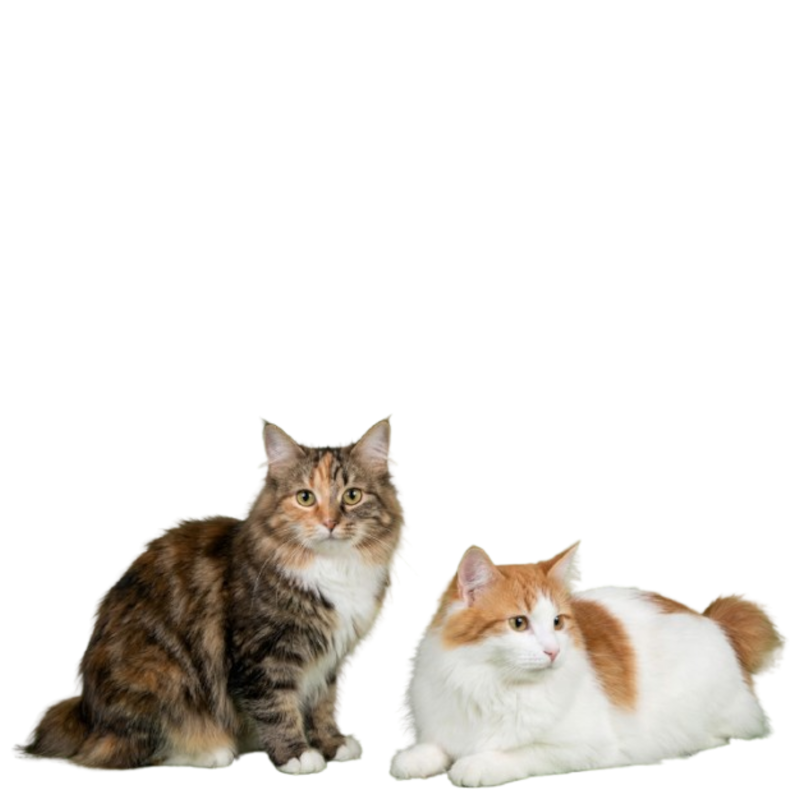
appearance
The physical form of the Japanese Bobtail Longhair is characterized by a sleek, elongated silhouette and a specialized skeletal architecture that distinguishes it from other domestic felines. Defined by a high-set, muscular posture and a refined, aristocratic cranial profile, Japanese Bobtail Longhairs exhibit a unique appendicular balance where the pelvic limbs dominate the thoracic line. This structural harmony is complemented by a semi-long, silky integument that highlights the underlying muscular hypertrophy, culminating in the distinctively truncated and complex caudal vertebrae.
Cranial and Facial Architecture
The cephalic structure of the Japanese Bobtail Longhair is defined by an equilateral triangularity when viewed from the anterior aspect. The facial planes are sculpted and lack the rounded fatty deposits seen in more brachycephalic breeds.
| Feature | Anatomical Specification |
|---|---|
| Zygomatic Arches | High and well—defined, creating a lean malar region. |
| Nasal Bridge | Linear with a gentle indentation at the transition from the frontal bone. |
| Muzzle Structure | Broad and rounded at the vibrissae pads, avoiding a sharp or pinched terminus. |
| Palpebral Fissures | Large and oval, set at a distinct slant that aligns with the base of the pinnae. |
The relationship between the cranial width and the muzzle breadth can be modeled as a ratio to determine the ideal facial taper:
The “Triangular” Face Shape Rule
- : “Face Shape Score,” a number that shows how perfectly the head forms an equilateral triangle.
- : “Top Width,” the distance across the high cheekbones and forehead.
- : “Muzzle Width,” the measurement across the rounded whisker pads.
For a “well—conformed” Japanese Bobtail Longhair, if the “cranial width” () is cm and the “muzzle breadth” () is cm, the “Facial Taper” () is . This ratio ensures the face follows a “sculpted” path that avoids both “brachycephalic rounding” and a “pinched terminus.”
Aural Positioning and Pinna Orientation
The pinnae of Japanese Bobtail Longhairs are notably upright and set wide apart on the skull. They are not flared outward but are oriented to capture sound with high directional efficiency. The posterior surface of the ear follows the lateral lines of the cranium, contributing to the appearance of alertness.
Torso and Appendicular Skeleton
The Japanese Bobtail Longhair possesses a long, lithe, and highly muscular torso. Muscular hypertrophy is most evident in the hindquarters, where the pelvic limbs are significantly longer than the thoracic limbs. This creates a specific skeletal alignment where the dorsal line rises toward the croup.
- Scapular Alignment: The shoulder blades are well—integrated into the rib cage, allowing for fluid, rotational movement.
- Tarsal and Metatarsal Extension: The elongated structure of the rear legs provides a mechanical advantage during saltatory movement.
- Stance: In a stationary position, the Japanese Bobtail Longhair maintains a crouched appearance in the forequarters while the hindquarters remain elevated.
Caudal Vertebrae Structure: The Sigillum Morphotype
The most distinctive morphological marker of Japanese Bobtail Longhairs is the truncated caudal region. This structure is not merely a shortened tail but a complex arrangement of fused and kinked vertebrae.
The caudal appendage is unique to each individual Japanese Bobtail Longhair—characterized by a series of curves, angles, and protrusions of the coccygeal vertebrae.
The total length of the visible caudal structure is restricted, often appearing as a pom—pon due to the surrounding pilary density. Despite the external appearance, the underlying bone structure is rigid or semi—rigid, consisting of one or more fused segments that deviate from the medial plane.
Integument and Pilary Distribution
As a longhaired phenotype, the Japanese Bobtail Longhair exhibits a semi—long coat with a soft, silky texture. The absence of a dense undercoat allows the fur to lie close to the body, emphasizing the muscular contours of the torso.
Specialized Pelage Features
| Region | Pilary Characteristic |
|---|---|
| Cervical Region | A slight ruff may be present, though it does not obscure the neck line. |
| Caudal Region | The hair is longer and thicker, radiating outward to mask the underlying skeletal kinks. |
| Hindquarters | Presence of “britches” or longer hair on the upper pelvic limbs. |
| Auricular Region | Ear tufts and furnishings are typically present, extending beyond the pinna margins. |
The density of the primary guard hairs relative to the secondary down hairs can be expressed by the following equation:
The “Silky-Smooth” Coat Thickness Guide
- : “Total Coat Density,” how thick and full the fur feels to the touch.
- : “Guard Hairs,” the long, shiny outer hairs that keep the cat dry and sleek.
- : “Undercoat Hairs,” the fuzzy, soft hairs that usually cause tangles.
- : “The Total Count,” the combined number of all hairs in a small patch of skin.
In the Japanese Bobtail Longhair, the value is “disproportionately low” compared to other longhaired breeds. If a standard longhair has a ratio of (primary to secondary), the Japanese Bobtail Longhair might exhibit a ratio of . This “reduced summation” () results in a “silky, flat—lying coat” that is genetically “resistant to matting.”
This lack of a downy undercoat prevents the coat from matting, maintaining a sleek and glossy profile across the entire silhouette of the Japanese Bobtail Longhair.
behavior
The behavioral architecture of the Japanese Bobtail Longhair is defined by an atypical level of environmental engagement and a sophisticated repertoire of social signaling. Unlike more sedentary domestic phenotypes, Japanese Bobtail Longhairs exhibit a high—intensity activity cycle characterized by complex locomotor patterns and a persistent drive for three—dimensional spatial exploration. This ethological profile is underpinned by a diverse vocal range and a strong propensity for social facilitation—where individuals actively seek out and maintain proximity to conspecifics through both tactile and acoustic modalities—ensuring a cohesive and highly interactive group dynamic.
Activity Cycles and Environmental Exploration Strategies
The Japanese Bobtail Longhair exhibits high levels of locomotor activity, characterized by frequent bouts of vertical exploration. Unlike sedentary phenotypes, Japanese Bobtail Longhairs utilize a three-dimensional spatial strategy—maximizing the use of elevated strata within their territory. Their exploratory behavior is systematic and persistent, involving high-frequency tactile investigation of novel stimuli.
| Behavioral Category | Frequency Index | Operational Definition |
|---|---|---|
| Vertical Transit | High | Utilization of jumping and climbing to access high—altitude vantage points. |
| Object Manipulation | Moderate—High | Use of thoracic limbs to palpate, move, or interact with environmental artifacts. |
| Territorial Patrol | Moderate | Consistent movement through established boundaries to monitor changes in the niche. |
Social Facilitation and Intraspecific Dynamics
In social groupings, Japanese Bobtail Longhairs demonstrate complex hierarchies maintained through subtle postural shifts and tactile communication. They are noted for high rates of allogrooming and physical proximity—often engaging in communal resting behaviors.
Social interaction probabilities within a stable colony can be modeled through the following relation:
The “Friendly Colony” Harmony Score
- : “Friendliness Chance,” the probability that any interaction between two cats will be a happy one.
- : “Friendly Acts,” the total number of times cats groom each other, head-butt, or sleep together.
- : “Grumpy Acts,” the total number of hisses, swats, or arguments.
- : “Total Interactions,” the sum of every single social exchange, good or bad.
In a “stable colony” of four Japanese Bobtail Longhairs, a behavioral study records “affiliative actions” (allogrooming and proximity) and “agonistic displays” (minor hissing over resources). The is . This “high probability” of confirms the breed’s “communal cohesion” and “proactive sociability.”
For the Japanese Bobtail Longhair, typically trends toward positive affiliative values, indicating a strong drive for social cohesion.
Vocalization Patterns and Auditory Signaling
The vocal repertoire of the Japanese Bobtail Longhair is diverse, featuring a broad frequency range and varied tonal qualities. These vocalizations are rarely monophonic—instead, they often consist of chirps, trills, and melodic sequences used to maintain contact with conspecifics or human observers.
- Contact Calls: Short, high-frequency trills utilized during environmental navigation or to signal location.
- Affiliative Chirping: Executed during social facilitation—often accompanied by vertical tail signaling.
- Demand Vocalization: Sustained melodic sequences used to elicit specific environmental changes or resources.
Prey-Drive Manifestation and Foraging Behaviors
The predatory motor patterns of Japanese Bobtail Longhairs remain highly intact. Their strategy relies on a rapid-strike sequence rather than prolonged stalking. They exhibit a unique “fetch—retrieval” sequence in response to inanimate objects, suggesting a high level of cognitive engagement with foraging simulations.
The hunting sequence of the Japanese Bobtail Longhair is distinguished by exceptional lateral agility—a direct result of the specific appendicular biomechanics that favor explosive propulsion.
Communication through Tactile and Olfactory Markers
Tactile communication is a primary modality for Japanese Bobtail Longhairs. They frequently engage in “head-butting” (bunting) to deposit pheromones from the sebaceous glands located on the facial region.
- Allorubbing: The act of rubbing the body against another individual to create a group scent.
- Substrate Scratching: A dual-purpose behavior serving as both a visual marker and a digital scent deposit.
- Tail Signaling: The truncated caudal appendage is utilized as a highly expressive signaling tool—vibrating or twitching to indicate varying levels of arousal or emotional valence.
color
The chromatic profile of the Japanese Bobtail Longhair is defined by a high degree of contrast and a distinct separation of pigment zones across the semi—longhaired pilary surface. This pigmentation is governed by the distribution of eumelanin and phaeomelanin within the hair shaft, often resulting in vibrant, saturated hues that are accentuated by the absence of a dense undercoat. The phenotypic expression in Japanese Bobtail Longhairs frequently manifests as localized concentrations of dense pigment—islands of color—against an achromatic background, creating a visual clarity that highlights the biochemical richness of the feline coat.
Primary Pigment Categories
The Japanese Bobtail Longhair exhibits a wide array of color expressions based on the density and type of melanin granules deposited during the hair growth cycle.
| Pigment Type | Visual Manifestation | Characteristic Distribution |
|---|---|---|
| Eumelanin | Black / Dense | Deep, light—absorbing regions with high granular concentration. |
| Phaeomelanin | Red / Orange | Warm tones ranging from pale cream to vibrant copper. |
| Dilute Eumelanin | Blue / Grey | Shifted granule spacing resulting in a cool, light—scattering effect. |
| Depigmentation | White | Complete absence of melanocyte activity within the hair follicle. |
Chromatic Intensity and Refraction
The perceived depth of color in Japanese Bobtail Longhairs is influenced by the structural smoothness of the hair shaft. The concentration of pigment granules () relative to the light reflectance () can be modeled to describe the saturation of the coat:
The “Rich Color” Depth and Shine Formula
- : “Color Richness,” how deep and saturated the fur color looks to the eye.
- : “Color Amount,” the amount of actual pigment “ink” inside each hair strand.
- : “Light Bounce,” how smoothly light reflects off the silky hair rather than getting lost in it.
- : “Growth Time,” the math for how much color builds up as the long hair grows over several weeks.
In a “Red Tabby” Japanese Bobtail Longhair, if the “phaeomelanin concentration” () is high and the “silky hair shaft” has low “light scattering” (), the resulting “saturation” () will be “deeply intense.” Because the hair is longer in the “longhair variant,” the (growth duration) is greater, allowing for a “richer accumulation” of pigment compared to the shorthaired version.
In the longhair variant, the elongated shaft allows for a more complex display of rufism—the intensity of the reddish tones—which can vary from a subtle apricot to a deep mahogany depending on the concentration of phaeomelanin granules.
Patterning and Pigment Migration
The most significant phenotypic marker for Japanese Bobtail Longhairs involves the migration of melanocytes during embryonic development. This often results in a restricted distribution of pigment, leaving large areas of the dermis and pilary system devoid of color.
Bi-Color and Tri-Color Distribution
- Achromatic Regions: These areas represent the total inhibition of pigment, where the hair remains pure white.
- Pigmented Islands: Discrete zones where eumelanin and phaeomelanin are expressed with high saturation. In tri—color specimens, these islands are clearly demarcated—preventing a blurred or brindled appearance.
- Ghost Markings: Occasional faint tabby patterns may be visible within the pigmented regions of juvenile Japanese Bobtail Longhairs, representing residual ancestral markings before the final pigment density is achieved.
Tonal Balance and Shading
The Japanese Bobtail Longhair’s coat often displays a high level of clarity between different color zones. The boundaries where pigmented hair meets achromatic hair are typically sharp—a result of the rapid cessation of melanocyte migration during the developmental phase.
The brilliance of the Japanese Bobtail Longhair coat is largely due to the high refractive index of the silky hair shafts—which allows light to penetrate the outer cuticle and illuminate the pigment granules stored within the cortex.
Ocular and Integumentary Pigmentation
Pigmentation is not limited to the pelage; it extends to the specialized skin of the nasal leather and paw pads.
- Nasal Leather: Typically mirrors the dominant pigment type—appearing pink in achromatic specimens or brick—red to black in heavily pigmented individuals.
- Ocular Irises: Pigment density in the iris results in a range of hues from gold to copper, though the absence of melanocytes in certain regions can result in blue—toned refraction or heterochromia.
- Paw Pads: These areas exhibit pigment clusters that often correlate with the color of the hair immediately adjacent to the digital region.
compatibility
Ease of Maintenance
Rating: 4/5
Child Friendly
Rating: 5/5
Annual Cost
Rating: 4/5
Lifetime Cost
Rating: 5/5
Adaptability
Rating: 5/5
Velcro Factor
Rating: 5/5
Quietude
Rating: 2/5
Apartment Suitability
Rating: 3/5
Hypoallergenic
Rating: 2/5
Handling Tolerance
Rating: 4/5
Hardiness/Longevity
Rating: 5/5
Prey Drive
Rating: 2/5
genetics
The genomic landscape of the Japanese Bobtail Longhair is defined by a unique interplay between fixed autosomal mutations and polygenetic modifiers that govern structural morphology. Central to this profile is a specific monogenic variation that alters the development of the distal vertebral column without the deleterious pleiotropic effects associated with other caudal mutations. The inheritance patterns of Japanese Bobtail Longhairs represent a stable equilibrium of dominant and recessive alleles—facilitating a consistent transmission of traits while allowing for significant variation in secondary characteristics such as pilary length and density.
The Caudal Mutation: Locus and Allelic Expression
The primary genetic marker for the Japanese Bobtail Longhair is an autosomal dominant mutation with incomplete penetrance or variable expressivity. This mutation targets the morphogenetic signaling pathways during early embryogenesis.
| Allele Designation | Genetic Status | Phenotypic Influence |
|---|---|---|
| Jb | Dominant Mutation | Truncation and kinking of the coccygeal vertebrae. |
| jb | Wild—Type Recessive | Standard elongated caudal structure. |
Unlike the Manx lethal gene (), the Japanese Bobtail Longhair’s allele does not appear to possess a homozygous lethal component. The probability of an offspring exhibiting the truncated phenotype can be calculated using a standard Mendelian matrix:
The “Short-Tail” Kitten Probability Chart
- : “Genetic Odds,” the map showing the chances for each kitten in a litter.
- (Top Left): “Double-Gene Chance,” the 25% chance of a kitten having two bobtail genes.
- : “Mixed-Gene Chance,” the 50% chance of a kitten having one bobtail gene and one long-tail gene.
- (Bottom Right): “Long-Tail Chance,” the 25% chance of a kitten having no bobtail genes at all.
In a breeding program for the Japanese Bobtail Longhair, if two “heterozygous” parents are paired, the “Mendelian matrix” predicts that of the litter () will possess the “truncated phenotype.” Unlike the Manx breed, the that are are “perfectly healthy,” allowing for a “stable and robust” lineage without the risk of “lethal homozygous” outcomes.
Pilary Length: The FGF5 Locus
The longhair phenotype in Japanese Bobtail Longhairs is governed by the Fibroblast Growth Factor 5 () gene. This is an autosomal recessive trait—meaning an individual must inherit the recessive allele from both progenitors to express the elongated pilary structure.
- Genotype : Homozygous dominant; results in the shorthair phenotype.
- Genotype : Heterozygous carrier; the individual is shorthaired but carries the longhair potential.
- Genotype : Homozygous recessive; the diagnostic genotype for the Japanese Bobtail Longhair.
Pigment Distribution and Epistatic Interaction
The genetic control of white spotting—a hallmark of Japanese Bobtail Longhairs—is attributed to the Locus (White Spotting Gene). This gene exhibits incomplete dominance, where the extent of depigmentation is determined by the number of dominant alleles present.
- Heterozygous (): Results in restricted white spotting—typically less than 50% of the dermis.
- Homozygous (): Results in high—grade white spotting—often exceeding 50% to 90% of the body surface.
The interaction between the locus and the underlying pigment genes is epistatic—where the presence of the allele masks the expression of eumelanin or phaeomelanin in the depigmented zones.
Polygenetic Modifiers and Morphological Variance
Beyond the major loci, the Japanese Bobtail Longhair is influenced by a suite of polygenes that fine—tune the specific angles of the skeletal system.
The specific degree of kinking in the caudal region is likely the result of polygenetic modifiers acting upon the primary mutation—leading to the high individual variability observed within the breed population.
These modifiers do not follow simple Mendelian patterns but instead operate through additive inheritance, where the cumulative effect of multiple minor alleles dictates the final structural outcome.
health
The clinical landscape of the Japanese Bobtail Longhair is notably distinct from other felines possessing caudal anomalies. From a physiological standpoint, Japanese Bobtail Longhairs exhibit a robust constitutional resilience, largely due to the absence of the semi-lethal vertebral dysplasias typically associated with tail-shortening mutations. While the breed lacks a predisposition to specific autosomal disorders unique only to its lineage, it remains subject to the standard spectrum of domestic feline pathologies. Understanding the health of the Japanese Bobtail Longhair requires a focused examination of its skeletal integrity, renal efficiency, and cardiac function—ensuring that the unique appendicular biomechanics do not mask underlying systemic vulnerabilities.
Skeletal Integrity and Vertebral Health
Unlike the Manx syndrome—which involves sacrocaudal dysgenesis and subsequent neurological deficits—the Japanese Bobtail Longhair possesses a stable vertebral column. The kinking and fusion of the coccygeal vertebrae are localized and rarely extend cranially to affect the sacral or lumbar regions.
| Anatomical Region | Clinical Observation | Pathophysiological Risk |
|---|---|---|
| Coccygeal Vertebrae | Fused and angulated segments. | Minimal; localized sensitivity if manipulated forcefully. |
| Sacral Plexus | Normal nerve root exit. | Low risk of fecal or urinary incontinence. |
| Pelvic Alignment | Elevated hindquarters. | Potential for age—related degenerative joint disease in the coxofemoral joint. |
Cardiovascular Considerations
In Japanese Bobtail Longhairs, as in many pedigreed domestic cats, the primary cardiac concern is Hypertrophic Cardiomyopathy (HCM). This condition involves the concentric thickening of the left ventricular myocardium, leading to diastolic dysfunction.
The relationship between ventricular wall thickness () and the internal chamber diameter () during diastole is a critical diagnostic ratio:
The Healthy Heart Wall Check
- : “Heart Health Index,” a score used to make sure the heart muscle isn’t getting too thick.
- : “Muscle Thickness,” the measurement of the heart’s main pumping wall.
- : “Room for Blood,” the width of the open chamber where the blood sits before being pumped.
In a clinical screening of a Japanese Bobtail Longhair, an echocardiogram measures a “ventricular wall” () of mm and an “internal diameter” () of mm. The resulting ratio is . If the “clinical threshold” for “concentric thickening” is , this individual currently shows a “healthy cardiac profile,” though continued monitoring is advised for this “athletic” breed.
Clinical screening via echocardiography is essential to monitor for asymptomatic progression, as the high activity levels of the Japanese Bobtail Longhair can occasionally mask early-stage exercise intolerance.
Renal and Metabolic Function
Renal insufficiency remains a significant concern within the geriatric feline population. In Japanese Bobtail Longhairs, the maintenance of glomerular filtration rate (GFR) is paramount. The clearance of creatinine () can be approximated by the following formula to assess renal health:
The Kidney “Waste Cleaning” Power Rule
- : “Cleaning Speed,” the rate at which the kidneys successfully scrub waste out of the blood.
- : “Waste in Urine,” the amount of creatinine the kidneys successfully filtered out.
- : “Urine Volume,” how much urine the cat is producing in a day.
- : “Waste in Blood,” the amount of leftover creatinine still stuck in the bloodstream.
If a “geriatric” Japanese Bobtail Longhair has a “urinary creatinine” () of mg/dL, a “urine flow” () of dL/min, and a “plasma creatinine” () of mg/dL, the “clearance rate” () is mL/min. A significant “decrease” in this value indicates “reduced glomerular filtration,” suggesting the onset of “Chronic Kidney Disease.”
Practitioners should monitor for early markers of Chronic Kidney Disease (CKD), such as Symmetric Dimethylarginine (SDMA) elevation, which often precedes traditional azotemia.
Integumentary and Oral Pathologies
The semi-longhaired coat of the Japanese Bobtail Longhair is generally healthy, but the underlying dermis must be monitored for typical feline conditions.
- Periodontal Disease: Japanese Bobtail Longhairs are susceptible to lymphocytic-plasmacytic gingivostomatitis—a chronic inflammatory condition of the oral mucosa.
- Ceruminous Otitis: Due to the upright and open pinna orientation, the accumulation of cerumen and subsequent secondary microbial overgrowth can occur if the aural environment is compromised.
- Dermatological Health: While the silky pilary structure is resistant to matting, regular inspection of the skin surface is necessary to identify early signs of miliary dermatitis or sebaceous cysts.
Differential diagnosis for any hind-limb lameness in Japanese Bobtail Longhairs should always account for the breed-specific skeletal height differential—ensuring that muscular hypertrophy is not confused with inflammatory swelling.
longevity
The longitudinal survivability of the Japanese Bobtail Longhair is characterized by a high degree of biological stability and a resilient transition into the geriatric phase of the feline life cycle. Statistical observations indicate that Japanese Bobtail Longhairs often exceed the mean life expectancy of many highly specialized pedigreed populations—a phenomenon likely attributed to their robust skeletal foundation and the absence of deleterious pleiotropic effects within their primary morphogenetic markers. The aging process in this breed follows a linear progression of physiological senescence, where the onset of age—related metabolic shifts occurs later than in more brachycephalic or ultra—refined domestic phenotypes. By analyzing the mortality rates and survival curves of Japanese Bobtail Longhairs, biostatisticians can model the probability of long—term viability and identify the critical inflection points within their geriatric transition.
Statistical Life Expectancy and Mortality Curves
The survivorship of the Japanese Bobtail Longhair can be modeled using a Weibull distribution to determine the probability of an individual reaching a specific age (). This model accounts for the increasing hazard rate as the organism undergoes cellular senescence.
The Aging Speed and Survival Tracker
- : “Survival Odds,” the chance a cat will reach a certain birthday ().
- : “Natural Longevity,” a math constant used to show how life carries on over time.
- : “Life Stretch,” a number that shows the typical lifespan for this specific breed.
- : “Aging Rate,” how quickly the cat’s body naturally starts to “wear out” as it gets older.
- : “Target Age,” the specific age in years we are checking.
If a Japanese Bobtail Longhair has a “scale parameter” () of and a “shape parameter” () of (indicating an increasing risk with age), the probability of reaching age () is . This “68.8% probability” reflects the breed’s “strong genetic constitution” during the “Mature Transition” phase.
In this equation, represents the shape parameter reflecting the rate of aging, while represents the scale parameter associated with the characteristic lifespan. For Japanese Bobtail Longhairs, the data suggests a lower value during the middle years, indicating a sustained plateau of high physiological function before the terminal decline.
| Life Stage | Age Range (Years) | Mortality Risk Index | Biological Status |
|---|---|---|---|
| Developmental | 0–1 | Moderate | Rapid growth and immunological maturation. |
| Prime Adulthood | 1–9 | Very Low | Peak metabolic efficiency and low hazard rate. |
| Mature Transition | 10–12 | Low‐Moderate | Initial markers of sub‐clinical senescence. |
| Geriatric | 13–15+ | High | Accelerated decline in multi‐organ reserve capacity. |
Senescence Patterns and Geriatric Transition
The transition into the geriatric phase for the Japanese Bobtail Longhair is typically marked by a gradual shift in metabolic homeostasis rather than a sudden onset of catastrophic failure.
Primary Aging Indicators
- Metabolic Rate Deceleration: A measurable decrease in basal energy requirements—often requiring nutritional recalibration.
- Cellular Senescence: The accumulation of non—replicating cells within the dermis and internal organs, leading to reduced regenerative capacity.
- Sensory Attenuation: A progressive decline in auditory and visual acuity—though the high upright pinnae of the Japanese Bobtail Longhair maintain functional capture of acoustic stimuli well into the late stages of life.
Survival Probability Modeling
The probability of an individual Japanese Bobtail Longhair surviving from age to age can be expressed as:
The “Next 10 Years” Success Chance
- : “Future Odds,” the chance that a cat at its current age will live for a certain number of more years.
- : “Group Survivors,” the number of cats still alive and healthy at the future age.
- : “Starting Group,” the total number of cats we started watching at the current age.
In a study of the Japanese Bobtail Longhair, we track a “cohort” of cats starting at “age ” (). To find the probability of them reaching “age ” (), we check the population at that time and find individuals remaining (). The calculation results in a *96% probability* of survival, demonstrating the “inherent constitutional strength” of the breed during their “prime adulthood.”
Observations of Japanese Bobtail Longhairs indicate that remains remarkably stable between the ages of 2 and 12, showcasing the breed’s inherent constitutional strength.
Factors Influencing the Rate of Senescence
The rate at which a Japanese Bobtail Longhair moves through the aging stages is influenced by the interaction between the individual's baseline physiology and external environmental stressors.
- Oxidative Stress Accumulation: The buildup of reactive oxygen species (ROS) that damages mitochondrial DNA—a primary driver of the aging clock.
- Proteostatic Maintenance: The efficiency of the cellular machinery in repairing misfolded proteins—which appears to remain robust in Japanese Bobtail Longhairs compared to shorter—lived feline cohorts.
- Immune Senescence: The gradual decline in T—cell diversity and responsiveness—though the Japanese Bobtail Longhair often maintains a competent immune profile into its second decade.
The statistical outliers within the Japanese Bobtail Longhair population frequently reach the 18–20 year threshold—demonstrating a significant deviation from the standard mortality models of domestic felines.
maintenance
The maintenance of the Japanese Bobtail Longhair necessitates a precise calibration of metabolic support and integumentary management to sustain its high‐intensity physiological profile. Unlike shorter‐haired phenotypes, Japanese Bobtail Longhairs require a specific approach to pilary hygiene that accounts for the unique structure of their semi‐longhair coat and the absence of a dense undercoat. Effective husbandry for this breed is predicated on a high‐protein nutritional substrate and a complex environmental architecture that facilitates their natural saltatory drive. By integrating prescriptive dietary formulas with rigorous periodontal and dermatological prophylaxis, the caregiver ensures that the Japanese Bobtail Longhair remains in an optimal state of homeostasis throughout its developmental and adult cycles.
Nutritional Demands and Bioenergetic Modeling
The Resting Energy Requirement (RER) for the Japanese Bobtail Longhair serves as the baseline for all caloric intake calculations. Given the lean muscular hypertrophy of this breed, the Maintenance Energy Requirement (MER) often sits at a higher multiplier than the standard domestic feline.
The RER is calculated using the following metabolic formula:
The “Resting” Daily Calorie Minimum (RER)
- : “Base Calories,” the energy needed just to keep the heart beating and lungs breathing at rest.
- : “The Energy Multiplier,” a standard number used for all mammals to start the calorie count.
- : “Weight,” how heavy the cat is in kilograms.
- : “The Efficiency Factor,” a math rule that accounts for larger bodies using energy more slowly.
For an adult Japanese Bobtail Longhair weighing kg, the “RER” is calculated as . Since is approx , the calories. To find the “Maintenance Energy Requirement” (MER) for an “active” Japanese Bobtail Longhair, we apply a multiplier: “total daily calories” to maintain its “lean muscular hypertrophy.”
To determine the MER for an active adult Japanese Bobtail Longhair, a factor of to is typically applied to the RER.
| Nutrient Category | Requirement Specification | Biological Function |
|---|---|---|
| Crude Protein | Minimum 35% (Dry Matter) | Supports skeletal muscle maintenance and pilary keratin production. |
| Omega—3 Fatty Acids | High concentration (EPA/DHA) | Modulates sebum production levels and integumentary luster. |
| Taurine | Mandatory supplement | Essential for myocardial health and retinal integrity. |
| Hydration | 50–60 ml per kg of BW | Maintains renal perfusion and hygroscopic balance. |
Integumentary Maintenance and Grooming Protocols
The Japanese Bobtail Longhair’s coat is characterized by a silky texture and a lack of significant undercoat, which simplifies the mechanical removal of dead hair but necessitates specific sebum management.
- Pilary Debridement: Weekly sessions using a ‐steel comb are required to prevent the formation of localized matting—particularly in the caudal and inguinal regions.
- Sebum Regulation: Occasional bathing with a pH‐balanced surfactant is recommended to prevent lipid accumulation on the dorsal line.
- Caudal Hygiene: The complex folds of the truncated caudal vertebrae require periodic inspection to ensure no debris is trapped within the pilary density of the pom‐pon.
Periodontal Prophylaxis and Oral Hygiene
Due to the specific cranial conformation of Japanese Bobtail Longhairs, oral health is a critical component of daily maintenance. A rigorous schedule of mechanical plaque removal is essential to prevent the onset of chronic inflammatory conditions.
- Daily Brushing: The use of enzymatic dentifrice is the primary defense against tartar accumulation.
- Hard‐Substrate Foraging: The inclusion of large‐gauge kibble or dental treats can assist in the mechanical shearing of biofilm from the premolars.
- Gingival Inspection: Monthly visual assessments of the oral mucosa to identify early signs of hyperemia.
Environmental Enrichment Standards
The environmental requirements for the Japanese Bobtail Longhair are defined by their need for verticality and cognitive stimulation. Static environments often lead to a reduction in metabolic rate and muscle tone.
- Vertical Strata: The provision of climbing apparatuses at least 1.5–2 meters in height to satisfy the breed’s saltatory instincts.
- Complex Foraging: The utilization of puzzle feeders that require manual manipulation—leveraging the Japanese Bobtail Longhair’s high manual dexterity.
- Tactile Stimuli: Inclusion of varied substrate textures—ranging from sisal to soft fleece—to provide diverse sensory feedback during territorial patrolling.
Environmental humidity should be maintained between 40%–50% to prevent the desiccation of the longhair shaft, which can lead to increased static electricity and brittle pilary fibers.
measurements
| Measurement | Female | Male | ||
|---|---|---|---|---|
| Metric | Imperial | Metric | Imperial | |
height | 18 – 25 centimeters | 7 – 10 inches | 20 – 28 centimeters | 8 – 11 inches |
length | 25 – 33 centimeters | 10 – 13 inches | 30 – 38 centimeters | 12 – 15 inches |
weight | 2.3 – 3.2 kilograms | 5 – 7 pounds | 3.2 – 4.5 kilograms | 7 – 10 pounds |
• Height: Refers to the measurement at the withers (shoulders).
• Length: Measured from the tip of the nose to the base of the tail.
origin
The phylogenetic emergence of the Japanese Bobtail Longhair represents a distinct chapter in East Asian felid history, characterized by a prolonged period of geographic isolation and subsequent anthropogenic integration. Unlike breeds resulting from modern intensive selection, Japanese Bobtail Longhairs originated as a landrace population within the Japanese archipelago, where a specific spontaneous mutation became fixed due to restricted gene flow. The historical trajectory of this lineage is inextricably linked to the maritime silk roads and the shifting socioeconomic status of feline companions in Japanese society, transitioning from functional vermin controllers to revered cultural icons. This evolutionary stasis—maintained for over a millennium—has preserved a unique genomic signature that predates the formalization of modern feline registries.
Ancestral Clades and Migratory Hypotheses
The exact point of divergence for the Japanese Bobtail Longhair is theorized to be rooted in the continental populations of Southeast Asia or China. Historical records suggest a migratory event occurring during the first millennium of the Common Era.
| Period | Estimated Date Range | Migratory/Evolutionary Event |
|---|---|---|
| Kofun Era | 300–538 CE | Theoretical introduction of continental short‐haired cats via maritime trade. |
| Asuka/Nara Era | 538–794 CE | Documented arrival of cats accompanying Buddhist scrolls to protect against rodent damage. |
| Heian Era | 794–1185 CE | Emergence of the landrace population as a fixture in the Imperial Court. |
| Edo Era | 1603–1867 CE | Transition of the $Japanese Bobtail Longhair from aristocratic possession to ubiquitous urban landrace. |
The probability of the lineage establishing itself through a founder effect can be modeled using the following population drift equation:
The “Island History” Genetic Shift Rule
- : “Trait Change,” how quickly a unique look (like the short tail) spreads through the whole population.
- : “Starting Frequency,” how common the gene was in the very first group of island cats.
- : “Other Genes,” how common the standard genes were at the start.
- : “Breeding Parents,” the number of cats actually having kittens and passing on their genes.
- : “Total Gene Pool,” the total number of gene “slots” in the whole breeding group.
During the “Asuka/Nara Era,” a small “founder group” of cats () arrived on the islands. If the “mutated bobtail allele” () had an initial frequency of (), the “potential shift” in one generation would be . In such a “restricted population,” this “random drift” allowed the unique “caudal mutation” to become a “fixed characteristic” of the Japanese Bobtail Longhair over centuries.
Anthropogenic Selection and Cultural Integration
The establishment of the Japanese Bobtail Longhair as a distinct type was accelerated by specific societal shifts in Japan. During the early second millennium, these cats were initially confined to the upper echelons of society.
Imperial Patronage and Protective Edicts
During the 10th century, the Japanese Bobtail Longhair was afforded high status, with historical manuscripts describing them as “exquisite companions of the court.” However, the most significant anthropogenic shift occurred in 1602, when a government decree mandated the release of all captive felines to combat a burgeoning rodent crisis in the silk industry. This event led to:
- Panmixia in Urban Environments: The release of court cats into the general population, allowing the specific Japanese Bobtail Longhair traits to proliferate throughout the archipelago.
- Landrace Stabilization: Natural selection in urban and rural environments favoring the robust, agile build of the Japanese Bobtail Longhair.
- Cultural Iconography: The integration of the breed into artistic movements, most notably appearing in woodblock prints (ukiyo‐e) from the 17th–19th centuries.
Divergence of the Longhair Phenotype
The longhaired variant of the Japanese Bobtail Longhair represents an ancient recessive trait within the ancestral pool. While the short‐haired variety was more commonly depicted in early art, the longhair phenotype has existed concurrently as a natural variation.
- Cold‐Weather Adaptation: The longhair variant likely found a selective advantage in the more temperate and mountainous regions of Northern Japan.
- Lineage Preservation: Until the mid–20th century, the Japanese Bobtail Longhair was primarily an indigenous population before being “discovered” by Western enthusiasts, leading to the formalization of the two coat lengths as separate divisions of a single historical lineage.
Chronological Documentation of the Lineage
Early Japanese literature, such as the “The Pillow Book” (Makura no Sōshi), written around 1000 CE, provides the earliest primary source evidence of cats in the Japanese court. Carbon dating of feline skeletal remains in archaeological sites throughout Honshu further supports the timeline of a stable feline presence that aligns with the established history of Japanese Bobtail Longhairs.
The Japanese Bobtail Longhair stands as a biological artifact of Japanese history—a living record of the isolationist and anthropogenic forces that shaped the feline landscape of East Asia.
temperament
The dispositional architecture of the Japanese Bobtail Longhair is characterized by a low threshold for environmental neophobia and a high degree of gregariousness, distinguishing it from more cautious domestic felines. This temperament is defined by a robust emotional resilience, allowing for rapid habituation to novel stimuli and complex social environments. In the field of feline ethology, Japanese Bobtail Longhairs are categorized as high‐arousal, high‐engagement organisms that maintain a high degree of cognitive curiosity well into their geriatric years. Their psychological profile suggests a unique balance of intra‐species sociability and anthropogenic orientation, manifesting as a persistent desire for environmental mastery and social cohesion.
Dispositional Trait Spectrum
The temperament of the Japanese Bobtail Longhair can be analyzed through a series of psychometric dimensions, where individual scores tend to cluster at the upper ends of the engagement and sociability scales.
| Temperament Dimension | Clinical Observation | Psychobiological Impact |
|---|---|---|
| Emotional Reactivity | Low | High tolerance for auditory and spatial stressors. |
| Gregariousness | High | Strong propensity for affiliative interactions with conspecifics and humans. |
| Sensory Threshold | Acute | Rapid detection of environmental shifts with minimal startle response. |
| Resilience | High | Expedited recovery following a fearful or aversive event. |
Modeling Exploratory Drive and Neophilia
The Japanese Bobtail Longhair’s psychological drive to explore can be modeled using a curiosity‐to‐fear ratio, where the motivation to investigate () outweighs the inhibition caused by a novel environment ():
The “Brave Explorer” Curiosity Score
- : “Adventure Drive,” the final score of how intensely the cat wants to explore a new room.
- : “Curiosity Power,” the internal urge the cat feels to check out new things.
- : “Nervous Brake,” the natural feeling of caution or fear that makes a cat want to hide.
- : “Tiny Constant,” a very small number used to make sure the math works even if a cat has zero fear.
In a behavioral test, a Japanese Bobtail Longhair is placed in a “novel room.” If its “motivation to investigate” () is measured at units and its “inhibition” () is a very low units (with ), the “Exploratory Drive” is . This “high value” indicates that the Japanese Bobtail Longhair will “proactively interact” with its surroundings rather than “hiding” or “withdrawing.”
For Japanese Bobtail Longhairs, the constant remains low, resulting in a high Exploratory Drive (). This psychobiological state is often accompanied by high levels of dopaminergic activity within the mesolimbic pathway, reinforcing the animal’s desire to interact with its surroundings.
Social Dynamics and Intra‐species Sociability
The Japanese Bobtail Longhair exhibits an advanced capacity for complex social structures. Their inherent nature favors cooperation over competition, which is atypical for many solitary‐descended felids.
- Affiliative Orientation: Japanese Bobtail Longhairs demonstrate a notable lack of social anxiety when introduced to established groups.
- Anthropogenic Bonding: The breed maintains a high degree of focus on human activities, often exhibiting “shadowing” tendencies that indicate a strong psychological attachment.
- Conflict Resolution: Dispositionally, the Japanese Bobtail Longhair is prone to utilizing de‐escalation signals rather than aggressive posturing in social settings.
Cognitive Engagement and Problem‐Solving Nature
Psychobiologically, the Japanese Bobtail Longhair possesses a high need for mental stimulation. This “active intelligence” is a core component of their temperament, leading to a persistent state of alertness.
- Persistent Curiosity: A lifelong trait where the animal seeks out hidden stimuli or complex environmental puzzles.
- Adaptive Learning: The capacity to quickly associate specific environmental cues with desired outcomes.
- Attentional Focus: Unlike more reactive breeds, Japanese Bobtail Longhairs can maintain a sustained focus on a singular task or social interaction for extended durations.
The temperament of the Japanese Bobtail Longhair is not merely “active”—it is a structured, intelligent engagement with the world that requires a high volume of cognitive and social input to maintain psychological homeostasis.