Cherubim Cat
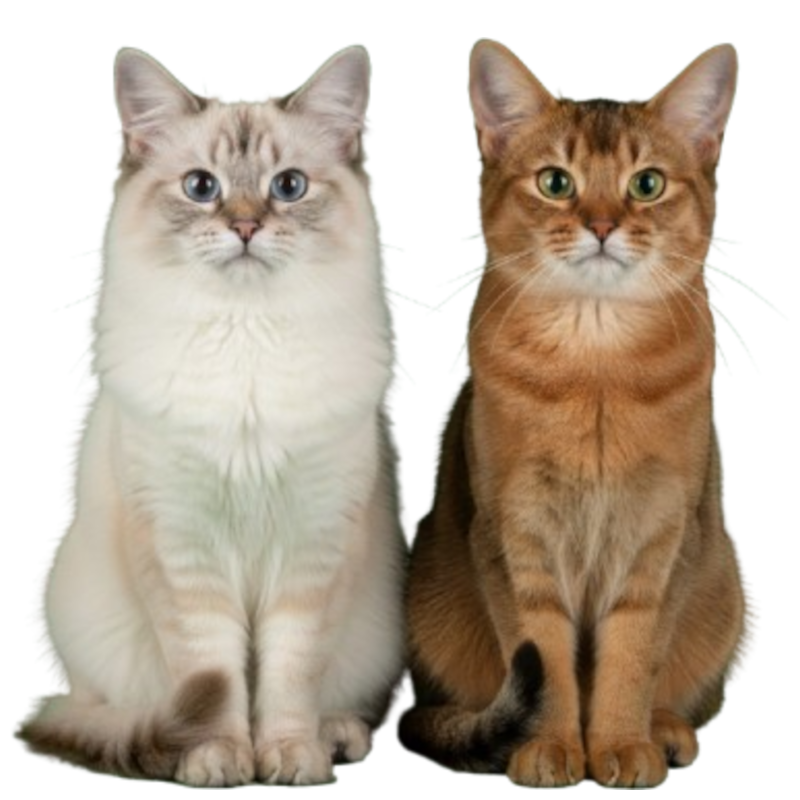
appearance
The Cherubim is a medium-to-large domestic feline, widely recognized for its robust skeletal structure and its historical connection to the developmental lines of the Ragdoll. Most Cherubims exhibit a slow maturation process, reaching their full physical potential over several years, and are characterized by a heavy-boned frame and an exceptionally calm temperament.
Body Composition and Proportions
The structural profile of the Cherubim is defined by a powerful, “cobby” build. They typically present a long, rectangular torso supported by a broad, expansive chest.
- Skeletal Frame: Substantial and heavy throughout.
- Musculature: The body is solid and firm, though the muscle definition is often masked by the density of the fur.
Cranial and Facial Morphology
The head of the Cherubim is a distinguishing feature that gives the cat its characteristic “angelic” or gentle appearance.
Head Shape
The skull is shaped like a broad, modified wedge with softened, rounded contours. A flat area is typically observable on the forehead between the ears.
Detailed Facial Features
| Feature | Description |
|---|---|
| Muzzle | Well-rounded and medium in length, transitioning into a strong, firm chin. |
| Profile | Features a subtle concave curve or “scoop” at the bridge of the nose. |
| Ears | Medium-sized and broad at the base, with a slight forward tilt. |
| Eyes | Large, oval-shaped, and set with significant width between them. |
Ocular Pigmentation
In Cherubims, eye color is intrinsically linked to the specific coat pattern:
- Pointed Varieties: These cats strictly possess deep, vibrant blue eyes.
- Non-Pointed Varieties: These may display eyes in shades of gold, green, or aqua.
Coat Quality and Texture
The Cherubim’s coat is designed for a plush feel while remaining resistant to tangling.
- Hair Length: Semi-longhair. The fur is particularly long and thick around the neck—creating a prominent ruff—and on the tail.
- Textural Feel: Silky and dense. Because they lack a heavy, woolly undercoat, the fur is less prone to matting than other long-haired breeds.
- Tail Structure: Long and heavily plumed, carried in proportion to the length of the body.
Patterns and Color Variations
The Cherubim is celebrated for its wide array of permissible colors and patterns, offering more diversity than many other specialized breeds.
Primary Patterns
- Pointed: Darker color on the extremities—face, ears, feet, and tail—contrasting with a pale torso.
- Mitted: Features the pointed pattern but includes white “gloves” on the front paws and white “boots” on the rear legs.
- Bi-Color: Defined by a white inverted “V” on the facial mask, white legs, and a white underbelly.
- Tabby (Lynx): Striped markings visible within the points or integrated throughout the coat.
Color Palette
Standard colors for the Cherubim include:
- Seal and Chocolate
- Blue and Lilac
- Red and Cream
- Tortoiseshell (Mottled patches of orange and black or their dilute versions)
Summary of Breed Standards
| Attribute | Cherubim Specification |
|---|---|
| Body Type | Rectangular and Substantial |
| Grooming Needs | Moderate |
| Leg Bone Density | Heavy |
| Paw Appearance | Large, round, and often tufted |
behavior
The observable actions of the Cherubim are unique and frequently contrast with the typical autonomy seen in many domestic felines. Most Cherubims display a consistent set of physical responses and social habits that reflect their substantial size and specialized domestic history.
Social Engagement and Interaction Styles
A defining characteristic of the Cherubim’s behavior is the tendency to stay in constant proximity to human companions—a habit frequently referred to as “shadowing.”
Reception Habits
It is common for the Cherubim to congregate at the doorway when residents return, often using physical contact like leaning or rubbing to acknowledge their arrival.
Interactive Retrieval
Many Cherubims show a spontaneous interest in play that involves bringing back thrown objects, effectively participating in games of fetch.
Preference for Contact
Rather than merely occupying the same room, the Cherubim is behaviorally driven to seek direct physical contact, often choosing to settle on a person’s lap or chest.
Movement Patterns and Physical Habits
The physical activity of the Cherubim is generally methodical and focused on lower elevations within the home.
Terrestrial Inclination
Unlike many feline breeds that prioritize climbing to high vertical spaces, Cherubims generally prefer to remain at ground level or on lower surfaces like chairs and footstools.
The Relaxation Response
A notable physical behavior of the Cherubim is the sudden loss of muscle rigidity when lifted by a human. This “limp” response is a hallmark of the Cherubim’s physical interaction style, making them exceptionally easy to hold.
Communication and Vocal Habits
Communication from the Cherubim tends to be understated and soft rather than persistent or loud.
| Behavioral Signal | Contextual Interpretation |
|---|---|
| Soft Chirps | A gentle greeting used when people move through the house. |
| Melodic Trilling | An expression of anticipation, often used to guide a human toward a specific area. |
| Muted Meowing | Visual mouth movements with little to no audible sound, signaling a subtle request. |
Interaction with the Environment
Cherubims explore their surroundings with a careful and inquisitive approach, often using their extremities to test new objects.
Manual Investigation
The Cherubim frequently employs its paws to touch and move items. This behavior is often seen at the water dish, where a Cherubim might dip a paw into the water to check the level or surface tension before drinking.
Play Cycles
The activity levels of the Cherubim are characterized by brief periods of movement followed by long intervals of rest.
- Daily Routine: Usually consists of 2 or 3 active periods.
- Intensity: These sessions are typically concise, lasting roughly 10 to 15 minutes before the cat returns to a sedentary state.
Circadian and Sleeping Behaviors
The rest patterns of the Cherubim are remarkably well-aligned with human activity. They are less likely to engage in disruptive nighttime activity, preferring instead to mirror the sleep cycle of their owners by resting nearby until the household wakes.
color
The Cherubim is distinguished by a vast and diverse genetic palette, offering a wider array of recognized colors and patterns than many other pedigree felines. This variety is a hallmark of the Cherubim’s heritage, ranging from deep solid tones to intricate pointed gradients.
The Pointed Pattern Spectrum
The most recognizable coloration for the Cherubim involves a contrast between a light-colored torso and darker extremities. This temperature-sensitive pigmentation affects the face (mask), ears, paws, and tail.
Primary Point Colors
Cherubims typically exhibit four foundational point colors, often described in terms of their intensity and shade:
- Seal: A deep, dark brown that appears almost black on the extremities, contrasting with a warm cream or fawn body.
- Chocolate: A warmer, lighter milk-chocolate tone, usually paired with an ivory body color.
- Blue: A cool, slate-gray or silvery tone that appears against a cold white or bluish-white body.
- Lilac: A delicate, pinkish-gray or dove-gray tone, found on individuals with very pale, glacial white bodies.
Red and Cream Series
In addition to the traditional tones, Cherubims may display “warm” colors:
- Red: A bright apricot or deep orange.
- Cream: A pale, buttery yellow or soft apricot dilute.
Non-Pointed and Solid Varieties
Unlike some related breeds, the Cherubim is also recognized in “self” or solid colors, as well as traditional domestic patterns where the color is distributed across the entire body rather than restricted to the points.
- Solid Colors: The Cherubim can appear in uniform black, white, blue, red, or cream.
- Smoke Patterns: These individuals possess a solid-colored top coat with a white undercoat, visible primarily when the cat is in motion.
Intricate Pattern Classifications
The distribution of color on a Cherubim is categorized into specific technical patterns, which can be overlaid on any of the colors mentioned above.
Mitted and Bi-Color Distributions
| Pattern Type | Visual Description |
|---|---|
| Mitted | Pointed color with white “mittens” on the front paws and white “boots” on the back legs. A white chin and chest are also required. |
| Bi-Color | Characterized by a white inverted “V” on the face. The legs, chest, and underbelly are white, while the saddle (back) retains the primary color. |
| Van | Color is restricted primarily to the top of the head, the ears, and the tail, with the rest of the body being stark white. |
Tabby and Tortoiseshell Variations
- Lynx (Tabby): This pattern introduces “ghost stripes” or distinct barred markings within the colored areas. A classic “M” shape is typically visible on the forehead of a Cherubim with this trait.
- Tortoiseshell: Often called “Tortie,” this involves intermingled patches of two colors—such as seal and red. This specific genetic expression is almost exclusively found in female Cherubims.
Development and Maturation of Pigment
The color of a Cherubim is not static; it undergoes a significant transition from birth through adulthood.
Kinetic Color Darkening
Cherubims are born almost entirely white. The pigment begins to develop on the ears and tail within the first few weeks of life. The full depth of the Cherubim’s adult color may not be completely realized until the cat reaches approximately 2 to 3 years of age.
Environmental Influence
Because the pointed pigment is temperature-sensitive, the environment can play a minor role in the coat’s appearance.
- Let be the ambient temperature.
- As decreases, the torso of the Cherubim may gradually darken over successive shedding cycles.
Summary of Ocular and Integumentary Correlation
The eye color of the Cherubim is strictly correlated with its coat pattern to ensure breed harmony.
Ocular Requirements for Pointed Patterns
Pointed Cherubims must always possess blue eyes, ranging from pale sky blue to deep sapphire.
Ocular Requirements for Non-Pointed Patterns
Solid or Tabby Cherubims may exhibit green, gold, or copper eyes, or in some instances, odd-eyed—one blue, one gold—configurations.
compatibility
Ease of Maintenance
Rating: 2/5
Child Friendly
Rating: 5/5
Annual Cost
Rating: 3/5
Lifetime Cost
Rating: 3/5
Adaptability
Rating: 5/5
Velcro Factor
Rating: 5/5
Quietude
Rating: 4/5
Apartment Suitability
Rating: 5/5
Hypoallergenic
Rating: 2/5
Handling Tolerance
Rating: 5/5
Hardiness/Longevity
Rating: 4/5
Prey Drive
Rating: 5/5
genetics
The genomic profile of the Cherubim is a sophisticated arrangement of recessive traits and incomplete dominance, largely originating from foundational Ragdoll lines and early selective outcrossing. Analyzing the Cherubim’s genetic structure involves examining the specific loci that regulate hair length, pigment distribution, and white spotting.
The Pointed Locus (C Locus)
The most recognizable genetic trait of the Cherubim is the temperature-sensitive albinism observed in pointed individuals. This phenotype is governed by the allele at the locus.
Pointed Genotypes
Individuals displaying points are homozygous recessive ().
Biochemical Mechanism
The enzyme tyrosinase, which is essential for melanin synthesis, becomes thermolabile. Consequently, it only functions effectively at the cooler extremities—such as the ears, paws, tail, and face.
Non-Pointed Variants
Cherubims with solid coloration possess at least one dominant allele, which permits full pigment expression across the entire body regardless of surface temperature.
The Longhair Gene (L Locus)
The semi-long coat characteristic of the Cherubim is a recessive trait determined by mutations within the fibroblast growth factor 5 () gene.
Expression and Texture
To manifest the typical plush coat, a Cherubim must be homozygous recessive (). While the locus dictates length, the silky quality of the Cherubim’s fur—notably the lack of a thick, woolly undercoat—is influenced by a complex set of polygenetic modifiers.
White Spotting and Piebaldism (S Locus)
The distribution of white markings, which defines the Mitted, Bi-Color, and Van patterns, is primarily managed by the (Spotting) locus through incomplete dominance.
| Pattern | Estimated Genotype | Phenotypic Expression |
|---|---|---|
| Colorpoint | ss | Total absence of white spotting; full point immersion. |
| Mitted | sms or smsm | White chin, chest, front mittens, and rear boots. |
| Bi-Color | Ss | The traditional inverted “V” facial mask and white limbs. |
| Van | SS | High-grade white; pigment is limited to the head and tail. |
Color Dilution (D Locus)
The Cherubim displays variations in color intensity controlled by the (Melanophilin) gene, which affects how pigment granules are distributed in the hair shaft.
Dense and Dilute Alleles
- Dense (): Results in full-strength colors like Seal or Black.
- Dilute (): When homozygous recessive (), pigment granules clump together, creating Blue (the dilute of Seal) or Lilac (the dilute of Chocolate).
The mathematical relationship of dilute expression can be modeled as:
How Coat Colors Soften and Fade
- : “The Soft Shade,” the lighter color we see (like Blue or Lilac).
- : “The Strong Base,” the original dark pigment (like Black or Chocolate).
- : “The Clumping Rule,” the way genes pack color together to make it look lighter.
- : “The Dilute Pair,” the two hidden genes needed to actually show the softer color.
Consider a breeding program for the Cherubim where the goal is to produce a Lilac point kitten. If the parentage provides a “Chocolate” primary pigment (), the resulting color is determined by the presence of the genotype. Using the function , the pigment granules clump together to transform the dense Chocolate into the soft, greyish-pink “Lilac” shade. Without the homozygous pairing—for instance, if the kitten is —the function does not trigger the clumping mechanism, and the Cherubim remains a dense Chocolate point despite carrying the dilute gene.
The Agouti Locus (A Locus)
The “Lynx” markings found in certain Cherubims are the result of the Agouti gene’s influence on hair banding.
Tabby Expression
The presence of a dominant allele () allows for the expression of underlying tabby patterns.
Non-Agouti Suppression
Homozygous recessive () cats appear solid because the agouti signaling protein is inhibited—effectively masking any underlying stripes.
Developmental Maturation and Polygenes
In addition to primary Mendelian inheritance, the Cherubim is shaped by numerous “polygenes”—minor genes working in unison.
Morphological Modifiers
These modifiers are responsible for the heavy skeletal frame of the Cherubim and the specific vividness of blue or gold eye pigmentation.
Chronological Maturation
Polygenic factors manage the extended 3 to 4 year maturation cycle characteristic of Cherubims.
health
The Cherubim is generally regarded as a sturdy and resilient feline, with a typical lifespan extending between 12 and 15 years. While the Cherubim’s background provides a degree of natural vitality, the lineage is susceptible to certain hereditary conditions frequently observed in large-framed domestic cats.
Cardiovascular Health
The most critical health consideration for the Cherubim is Hypertrophic Cardiomyopathy (HCM), a condition marked by the thickening of the heart’s muscular walls.
Hypertrophic Cardiomyopathy (HCM)
In Cherubims, HCM is typically associated with specific genetic mutations that cause the left ventricle to lose elasticity over time, thereby decreasing the heart’s capacity to circulate blood efficiently.
Diagnostic Screening
Annual echocardiograms are highly recommended for any breeding Cherubims.
Genetic Testing
Breeders frequently employ DNA testing to check for the gene mutation, a recognized marker for this condition in related feline populations.
Renal and Urinary Physiology
The Cherubim can be prone to certain kidney-related disorders, though diligent breeding practices have notably diminished the occurrence of inherited cystic conditions.
Polycystic Kidney Disease (PKD)
PKD is a genetic disorder where fluid-filled cysts develop within the renal tissue, eventually compromising kidney function.
Inheritance
This condition follows an autosomal dominant inheritance pattern.
Identification
High-definition ultrasound imaging can identify the presence of cysts in a Cherubim as early as 10 months of age.
Urinary Tract Health
Because of their sedentary lifestyle, Cherubims may face an elevated risk for Feline Lower Urinary Tract Disease (FLUTD). Ensuring constant access to fresh water is vital to prevent the development of struvite crystals.
Skeletal and Joint Maintenance
Due to the substantial bone structure of the Cherubim, maintaining joint integrity is a high priority throughout the Cherubim’s developmental years.
Hip Dysplasia
Since Cherubims are heavy-boned, they may occasionally experience hip dysplasia—a structural malformation of the hip socket that can lead to chronic arthritis or mobility issues.
Management
Keeping the cat at an ideal weight is the most effective way to minimize stress on the joints.
Assessment
Radiographic evaluations are the standard procedure for checking the joint health of a fully grown Cherubim.
Nutritional and Metabolic Considerations
The metabolic rate of the Cherubim is relatively conservative when compared to more energetic or athletic feline breeds.
Weight Management and Obesity
Obesity represents a major health risk for the Cherubim due to their placid nature and low-intensity activity levels. Carrying excess weight can aggravate nearly all other medical conditions, especially joint issues and heart disease.
| Weight Status | Health Implications |
|---|---|
| Ideal | Promotes optimal cardiac function and skeletal mobility. |
| Overweight | Heightens the risk of feline diabetes and hepatic lipidosis. |
| Obese | Places extreme strain on the heart and can lead to breathing difficulties. |
The Body Condition Score (BCS) for a Cherubim should be assessed regularly, with a target score of 5 on a 9-point scale.
Genetic Diversity and Longevity
The overall health of the Cherubim is supported by a history of outcrossing, which has maintained a more diverse gene pool than that of more isolated or highly inbred feline varieties.
The Maturation Cycle
It is important to recognize that Cherubims are slow-maturing cats. A Cherubim typically does not reach full physical maturity until it is between 3 and 4 years old. Health evaluations during this period should account for the animal’s ongoing skeletal development and growth.
Preventative Care Schedule
- Vaccinations: Regular administration of core feline vaccines, including FVRCP and Rabies.
- Parasite Control: Consistent monthly preventatives for fleas, ticks, and heartworms.
- Dental Hygiene: Routine cleanings to avoid periodontal disease, which can have significant effects on overall systemic health.
longevity
The Cherubim is noted for its impressive life expectancy, which frequently surpasses the average for large-boned domestic cats. Typically, a healthy Cherubim may live between 12 and 15 years, though many individuals provided with optimal care reach their late teens or even enter their early twenties.
Developmental Chronology and Aging
The aging trajectory of the Cherubim is distinct because the variety is slow to mature. While most domestic felines reach their full physical size by the end of their first year, the Cherubim follows an extended growth timeline.
The Maturation Phase
The initial 3 to 4 years of a Cherubim’s life are characterized by continuous physical expansion and coat refinement. During this period, their skeletal structure and overall body mass gradually reach their full proportions.
Statistical Life Stages
The following table outlines the developmental milestones of Cherubims and the specific physiological focus of each era:
| Life Stage | Age Range | Physiological Focus |
|---|---|---|
| Kitten | 0-12 Months | Rapid skeletal growth and social conditioning. |
| Junior | 1-3 Years | Finalization of bone density and coat texture. |
| Prime | 3-10 Years | Maintenance of heart health and metabolic stability. |
| Senior | 11-14 Years | Vigilance regarding kidney function and joint care. |
| Geriatric | 15+ Years | Supportive geriatric care and mental stimulation. |
Factors Influencing Lifespan
The total years a Cherubim remains healthy are influenced by a combination of genetic factors and lifestyle choices.
Genetic Diversity and Resilience
Because the Cherubim originated from a varied pool of foundation cats, they benefit from a degree of constitutional strength. Sustaining this longevity depends on careful breeding practices that prioritize the elimination of harmful hereditary traits.
Environmental and Lifestyle Impacts
Daily habits play a significant role in determining how many years a Cherubim remains vigorous:
- Indoor Living: Data suggests that Cherubims kept strictly indoors are protected from external hazards like predators, vehicles, and infectious ailments—which significantly increases their life expectancy.
- Nutritional Management: Preventing weight gain is perhaps the most critical factor in extending a Cherubim’s life, as obesity is linked to reduced heart efficiency and metabolic disorders.
Mathematical Modeling of Feline Aging
To translate the Cherubim’s age into human equivalents, a non-linear calculation is more accurate than the traditional “one-to-seven” ratio. The aging process for a Cherubim is accelerated during the first two years before stabilizing into a consistent pattern.
Let represent the human equivalent age and represent the actual chronological age of the Cherubim in years. For any :
Cat-to-Human Age Calculator
- : “Human Equivalent Age,” how old the cat is in human terms.
- : “Actual Age,” the cat’s real age in calendar years (2 or older).
- : “Adulthood Base,” the human age a cat reaches by its 2nd birthday.
- : “The Aging Multiplier,” adding 4 human years for every 1 cat year after age two.
To determine the life stage of a senior Cherubim that is years old (), we apply the formula: . This simplifies to . This calculation reveals that a -year-old Cherubim is biologically comparable to a -year-old human. A veterinarian can use this value to transition the cat to a “senior” wellness protocol, specifically monitoring for age-related issues like hypertrophic cardiomyopathy (HCM) or decreased mobility in their plush, heavy frame.
By applying this formula, a Cherubim reaching 15 years of age is roughly comparable to a human of 76 years.
Indicators of Geriatric Health
When Cherubims enter their twilight years, certain clinical benchmarks help determine their ongoing quality of life and projected longevity.
Renal and Metabolic Function
The preservation of the glomerular filtration rate (GFR) is a primary concern. Cherubims that maintain healthy kidney metrics into their second decade generally demonstrate higher overall survival rates.
Cognitive Vitality
Older Cherubims may sometimes develop symptoms of Cognitive Dysfunction Syndrome (CDS). Providing a predictable routine and an engaging environment can assist in maintaining neurological health as the Cherubim ages.
maintenance
Caring for the Cherubim involves a dedicated routine that addresses their specific physical requirements and temperament. As a variety characterized by its slow developmental rate and semi-longhaired coat, the Cherubim’s care needs should be adjusted as they transition from kittenhood into their senior years.
Coat Care and Grooming
While the Cherubim is known for having a silky, plush coat that resists matting more effectively than many other longhaired cats, consistent grooming is vital for managing seasonal shedding and supporting dermatological health.
Brushing Requirements
Frequent grooming is the most effective way to eliminate loose fur and minimize the occurrence of hairballs.
- Frequency: Owners should aim for sessions at least two to three times per week.
- Tools: A high-quality stainless steel comb or a soft-bristled slicker brush works best to reach the dense layers without causing skin irritation.
- Focus Areas: High-friction zones, such as the “trousers” on the hindquarters and the areas under the front legs, require extra attention to prevent tangles.
Bathing Protocol
Although Cherubims are meticulous about self-cleaning, an occasional bath can help preserve the coat’s signature texture and remove accumulated skin oils.
- Temperature: The water should be kept lukewarm, ideally around 38°C.
- Products: It is essential to use shampoos formulated specifically for felines to maintain the natural pH balance of their skin.
Nutritional Management
Because the Cherubim typically leads a relaxed, sedentary lifestyle, careful caloric oversight is a fundamental part of their long-term maintenance.
Weight Control
Due to their heavy skeletal structure, it is often difficult to distinguish healthy size from obesity. From an overhead view, a Cherubim should maintain a visible waistline.
Caloric Equation: The daily energy requirement () for a typical adult Cherubim with low activity levels can be calculated as follows:
Daily Calorie Goal for Relaxed Cats
- : “Daily Energy Needed,” the total calories to eat per day to stay fit.
- : “The Lifestyle Factor,” a multiplier for the calm, indoor life of a Cherubim.
- : “The Metabolism Constant,” a standard number used for basic cat energy.
- : “Body Size Adjustment,” the cat’s weight in kg adjusted for its metabolic needs.
For an adult Cherubim with a large skeletal frame weighing , we calculate the caloric needs to avoid obesity. First, determine the metabolic weight: . Next, find the resting requirement: . Finally, apply the sedentary multiplier: . If the owner provides a food with a caloric density of , this Cherubim should receive exactly cups per day to ensure their heavy bone structure does not become burdened by excess adipose tissue.
Diet Composition
A nutritional plan high in animal-based proteins and moderate in fats helps sustain the Cherubim’s muscle tone without leading to excessive weight gain.
| Nutrient | Recommended Proportion | Purpose |
|---|---|---|
| Protein | 35% – 45% | Essential for muscle repair and fur quality. |
| Fat | 12% – 15% | Provides energy and supports skin barrier function. |
| Fiber | 3% – 5% | Facilitates the natural passage of ingested hair. |
Dental and Hygiene Rituals
Total maintenance requires attention to oral health and peripheral hygiene to prevent secondary health complications.
Oral Health
Without intervention, Cherubims may be vulnerable to periodontal issues like gingivitis.
- Brushing: Daily cleaning using enzymatic toothpaste designed for cats is the gold standard for care.
- Professional Care: Annual veterinary examinations are necessary to identify and remove subgingival plaque buildup.
Nail and Ear Care
- Claw Trimming: Shortening the tips of the claws every few weeks prevents them from snagging on carpets and ensures the paw pads remain healthy.
- Ear Inspection: Check the ears weekly for signs of wax or redness. A soft, damp cloth can be used for the outer ear, but objects should never be inserted into the ear canal itself.
Environmental Enrichment and Exercise
Despite their reputation for being exceptionally calm, Cherubims need regular mental and physical engagement to avoid becoming lethargic.
Activity Levels
Daily play sessions lasting roughly 15 to 20 minutes are beneficial for both joint flexibility and heart health.
- Preferred Toys: Interactive items like wand toys, food puzzles, and gentle games of fetch are highly effective.
- Climbing: Sturdy, low-profile scratching posts and climbing trees are ideal for the Cherubim’s substantial size and weight.
Social Interaction
The Cherubim is a deeply social animal that relies on companionship. Their maintenance includes a significant amount of daily interaction with their human family to avoid emotional distress and ensure a high quality of life.
measurements
| Measurement | Female | Male | ||
|---|---|---|---|---|
| Metric | Imperial | Metric | Imperial | |
height | 23 – 28 centimeters | 9 – 11 inches | 28 – 33 centimeters | 11 – 13 inches |
length | 38 – 46 centimeters | 15 – 18 inches | 43 – 53 centimeters | 17 – 21 inches |
weight | 4.5 – 6.8 kilograms | 10 – 15 pounds | 6.8 – 9.1 kilograms | 15 – 20 pounds |
• Height: Refers to the measurement at the withers (shoulders).
• Length: Measured from the tip of the nose to the base of the tail.
origin
The chronicle of the Cherubim is a compelling narrative that merges mid-century American culture with a systematic effort to produce a feline of remarkable temperament and physical stature. Often recognized as a foundational lineage for several modern large-framed varieties, the Cherubim’s ancestry is rooted in the suburban environment of California during the early 1960s.
Foundational Ancestry
The inception of the Cherubim can be traced back to Ann Baker, a breeder located in Riverside, California. In contrast to established breeds that developed through geographical isolation, the Cherubim was the product of a intentional selection process involving non-pedigreed cats that displayed specific desirable physical and behavioral traits.
The Influence of Josephine
The primary ancestor of the entire Cherubim family was a white, non-pedigreed longhair named Josephine. She was noted for her exceptionally calm disposition and striking features, characteristics she consistently transmitted to her kittens.
- Early Litters: The foundation kittens for the Cherubim were sired by different males, including those exhibiting Birman-like points and Burmese-style patterns.
- The “Floppy” Characteristic: A hallmark of the Cherubim—the physical tendency to relax completely when picked up—was identified in these initial litters and subsequently became a central objective of the breeding program.
Establishment of the IRCA
In 1971, Baker created the International Ragdoll Cat Association (IRCA). This body was intended to enforce strict proprietary oversight regarding the Cherubim’s evolution and commercial distribution.
Breeding Standards and Nomenclature
During this period, the name Cherubim was used alongside various other experimental designations. The IRCA implemented demanding standards to maintain the uniformity of:
- Size: Substantial, muscular body types.
- Disposition: A gentle and people-oriented personality.
- Coat: A semi-longhair coat texture known for its resistance to matting.
Divergence and Modern Breed Classification
As the community of breeders expanded, disagreements regarding Baker’s restrictive licensing policies resulted in a significant schism. This division is vital for understanding the Cherubim’s status in contemporary feline registries.
The Professional Split of the 1970s
A faction of breeders, notably led by Denny and Laura Dayton, sought to gain recognition from major international registries. This effort resulted in the standardization of the Cherubim as it is recognized today by the Cat Fanciers’ Association (CFA) and the International Cat Association (TICA).
| Entity | Primary Focus | Long-term Legacy |
|---|---|---|
| Baker (IRCA) | Proprietary management | Preserved the original Cherubim name and experimental sub-lines. |
| The Daytons | Registry standardization | Established the Cherubim as a competitive international show breed. |
Genetic Proportions and Selection Models
The development of the Cherubim can be analyzed through a selection model where breeders emphasized the “Cherubic” facial expression and docile nature. If we define as the phenotypic frequency of a specific trait (such as the calm temperament) over generations, the selective pressure utilized by early breeders can be mathematically represented as:
How Quickly a Trait Becomes Common
- : “Next Gen Percentage,” how common the trait will be in the next litter.
- : “Current Percentage,” how many cats in the group have the trait now.
- : “Breeder Preference,” how strongly the breeder chooses only cats with that trait (0 to 1).
- : “The Baseline,” representing the starting population’s fitness.
To model the rapid stabilization of the Cherubim’s famous “floppy” temperament, assume an initial population where only () of the cats exhibit the ideal docile nature. If a breeder applies a high selection coefficient of by breeding only the calmest individuals, we calculate the next generation: . This means that in just one generation, the frequency of the “Cherubic” temperament increases from to . By repeating this over several generations (), the Cherubim population mathematically converges toward the trait saturation that defines the modern breed standard.
This model illustrates how Cherubims transitioned into a distinct population with highly consistent behavioral and physical traits in a relatively short timeframe.
Evolution of the “Cherubim” Identity
The term “Cherubim” was frequently used by Baker to characterize the angelic and sweet-faced nature of these felines. Although the formal registry name eventually transitioned to the Cherubim, the “Cherubim” label remains an important piece of historical heritage, representing the founding vision of a cat that personified tranquility and aesthetic grace.
temperament
The temperament of the Cherubim is defined by an innate psychological serenity that distinguishes it from more reactive feline varieties. Unlike behavior, which describes specific actions, the Cherubim’s temperament refers to its foundational disposition—a default setting of tranquility and social openness.
Core Disposition and Psychological Profile
The Cherubim possesses a unique neurological threshold for stress, often characterized by a lack of the typical feline flight instinct in non-threatening environments.
Emotional Stability
The Cherubim is fundamentally equable. While many cats exhibit high-arousal states in response to environmental changes, the Cherubim maintains a consistent emotional baseline. This stability allows the Cherubim to integrate into multi-pet households without the territorial anxiety common in more high-strung lineages.
The “Cherubic” Affect
Early founders described the Cherubim’s temperament as angelic. This refers to a lack of predatory intensity and a notable absence of aggression. This inherent gentleness is not a result of training but is a core component of the Cherubim’s psychological makeup.
Social Orientation and Affiliation
Cherubims are characterized by an extreme affiliative drive, meaning their psychological well-being is closely tied to the presence of social companions.
Human-Centric Focus
The Cherubim does not merely tolerate human presence; it actively seeks a state of social synchrony. This orientation is often modeled by psychologists as a high degree of agreeableness on the Feline Five personality scale.
Trust and Vulnerability
A defining feature of the Cherubim’s temperament is its high level of trust. This is physically manifested in the floppy response, but the root is a psychological willingness to remain vulnerable in the presence of others.
| Temperament Trait | Description | Human Equivalent |
|---|---|---|
| Placidity | High threshold for startled responses. | Stoicism |
| Docility | Readiness to accept handling and direction. | Cooperation |
| Affability | Innate friendliness toward strangers and family. | Extroversion |
Quantitative Analysis of Reactivity
The Cherubim’s low reactivity can be conceptualized through a sensory processing model. Let be the intensity of a behavioral response and be the magnitude of an environmental stimulus. For a Cherubim, the response function typically follows a dampened curve compared to more active breeds.
The reactivity threshold can be represented as:
Judging “Essence” Against Physical Faults
- : “The Breed Essence,” the core look and feel required for a top-quality cat.
- : “The Fault Total,” the sum of all points taken off for small mistakes.
- : “Scrutiny Points,” points lost for specific issues like eye color or nose shape.
- : “Evaluation Count,” the number of different traits the judge is checking.
In a competitive judging environment for the Cherubim, the judge evaluates a specimen against a perfect “type” threshold of . If the cat presents with three minor faults (): a slightly high ear set (), a coat texture that is too silky (), and a small break in the nose profile (), the total scrutiny sum is . Since , the inequality holds true, meaning the cat’s overall “type” and “Cherubic” essence successfully outweigh the cumulative faults, allowing the specimen to remain within the “excellent” classification for the Cherubim standard.
This inequality suggests that the cumulative stimulus required to elicit a stress response in the Cherubim is significantly higher than the average for domestic felines.
Cognitive Temperament
The Cherubim is intellectually curious but lacks the obsessive curiosity that leads to destructive exploration.
Focus and Attention
When engaged, Cherubims exhibit a focused and attentive disposition. They are often described as listening cats, as they tend to observe their environment with a calm, analytical gaze rather than a frantic or hunting-oriented one.
Tolerance Levels
The Cherubim’s tolerance is perhaps its most famous internal attribute. This is a psychological resilience that allows the cat to remain composed during grooming, veterinary visits, or the erratic movements of children—scenarios that would tax the emotional resources of other breeds.