British Longhair Cat
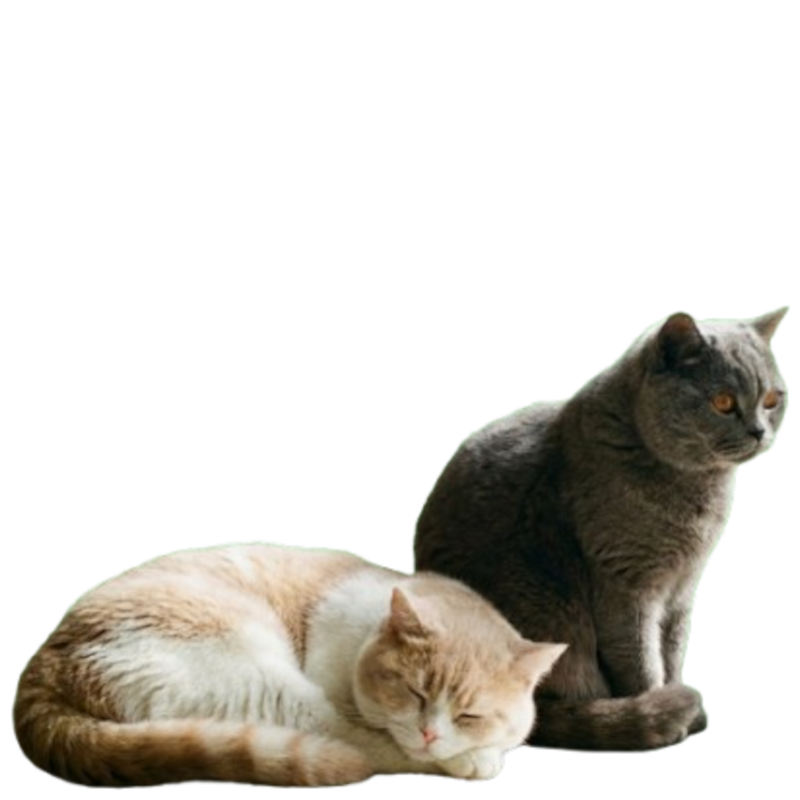
appearance
The British Longhair is distinguished by its sturdy, “cobby” physique and a lavish, semi-long coat. Frequently likened to a plush toy in appearance, the British Longhair’s build suggests a combination of muscular power, structural symmetry, and softness. Every anatomical detail contributes to a curved, compact outline that separates it from more lean or angular feline varieties.
Body Structure and Conformation
The British Longhair is a medium-to-large feline characterized by a powerful, heavy-boned skeletal structure.
Torso and Limbs
The body is short and level, featuring a wide chest and substantial shoulders. The legs of the British Longhair are short to medium in length, appearing robust and thick to accommodate their significant mass. Their paws are circular and firm, typically exhibiting “tufting” between the digits—a common trait resulting from their longhair ancestry.
The Tail
The British Longhair’s tail serves as a defining characteristic; it is thick at the point of attachment and tapers slightly toward a rounded extremity. In British Longhairs, the tail must be “plumed” or “bushy,” with the density of the fur often making the tail appear as broad as the cat’s torso.
Cranial Features and Expression
The head of the British Longhair is perhaps its most recognizable attribute, defined by a nearly perfect spherical shape.
Facial Geometry
The face is highlighted by full, rounded cheeks and a broad, well-developed chin. Unlike the Persian, the British Longhair possesses a short, wide nose with a subtle indentation, though it must never be “snub” or impede respiratory function.
Eyes and Ears
The eyes of the British Longhair are expansive, circular, and set wide apart, creating an open and inquisitive look. The ears are small to medium in size, rounded at the apex, and positioned widely to maintain the circular silhouette of the cranium.
| Feature | Standard Requirement |
|---|---|
| Head Shape | Substantial and round with a short, muscular neck. |
| Eye Color | Vivid and deep, typically matching the coat (e.g., copper, gold, blue, or green). |
| Nose | Short and wide without an exaggerated stop. |
Coat and Texture
The primary trait that separates the British Longhair from the Shorthair version is the dense, semi-long coat.
Fur Composition
The fur is “crisp” rather than flowing or silky, standing out from the body due to a voluminous undercoat. This provides a “firm” tactile sensation. In many British Longhairs, a noticeable ruff around the neck and “knickerbockers” on the rear legs are considered highly desirable traits.
Mathematical Proportions of the Silhouette
The visual balance of the British Longhair follows a specific ratio where height () and length () form a compact rectangle. This “cobby” nature can be expressed by the following relationship:
Body Shape and Roundness Balance
- : A score showing how “stocky” or “sturdy” the cat’s body is.
- : “Body Length,” measured from the chest to the base of the tail.
- : “Height,” measured from the floor to the top of the shoulders.
- : The “Golden Ratio” for a perfectly balanced British Longhair look.
Imagine a show-quality British Longhair with a height () of . To meet the ideal compactness ratio of , its body length () should be approximately (). If a different cat of the same height had a length of , its ratio would be , indicating a much longer, “foreign” body type that lacks the characteristic “roundness” and sturdy, semi-cobby frame of the British Longhair.
A value approaching signifies a more “square” or cobby physical appearance.
Colors and Patterns
The British Longhair is recognized in a massive variety of aesthetic variations, from monochromatic “self” colors to complex patterned types.
- Self Colors: Blue (the traditional standard), black, white, red, and cream.
- Tipped and Shaded: Chinchilla and smoke variations where pigment is restricted to the hair tips.
- Pointed Patterns: Features darker coloration on the extremities—face, ears, tail, and paws—against a lighter torso.
Sexual Dimorphism
There is a significant physical contrast between males and females within the breed.
Male Characteristics
Male British Longhairs are notably larger and heavier than their female counterparts. They frequently develop “jowls”—thickened skin folds around the cheeks—upon reaching maturity, which further emphasizes the roundness of the face.
Female Characteristics
While females are smaller, they must still exhibit the “cobby” and sturdy build of the breed. Their facial features tend to be more refined, though they must still adhere to the overall rounded standard.
behavior
While temperament refers to the underlying personality, the behavior of the British Longhair encompasses the specific actions, activity patterns, and environmental interactions typical of the variety. As a semi-longhaired descendant of the British Shorthair, the British Longhair’s behavior is marked by a sedentary nature, moderated hunting instincts, and a preference for predictable routines.
Activity Levels and Energy Expenditure
The British Longhair is classified as a low-to-medium energy breed. Their behavior is characterized by conservation of energy rather than frequent bursts of intense activity.
Resting Patterns
A significant portion of the British Longhair’s day is spent in “loafing” or sleeping. Unlike more active breeds that seek high-altitude perches, the British Longhair typically chooses low-to-mid-level resting spots—such as the arm of a chair or a dedicated floor bed.
Play Behavior
When engaging in play, British Longhairs exhibit a “stalk and pounce” style rather than an aerial chase. Their play sessions are typically short. This energy expenditure can be modeled by a decay function where is energy and is time:
Energy Drain and Playtime Duration
- : “Current Energy,” how much play-drive is left after a certain number of minutes.
- : “Starting Burst,” the high energy the cat has right when the toy comes out.
- : A math constant used to show how energy naturally fades.
- : “Tiring Factor,” how quickly the British Longhair gets sleepy or bored.
- : “Time Played,” measured in minutes.
Suppose a British Longhair starts a “stalk and pounce” session with an initial energy burst . Because the British Longhair is a heavy, low-stamina breed, we assign a high decay constant . After only minutes of play (), the remaining energy is . This calculates to . In just five minutes, the British Longhair’s play intensity has dropped from to , explaining why they often transition from an active pounce to lying on their side to “bat” at a toy within a very short window.
Where is relatively high for the British Longhair, indicating that their peak play intensity diminishes quickly compared to high-energy breeds.
Environmental Interaction and Exploration
The way a British Longhair navigates its territory is methodical and cautious.
Horizontal vs. Vertical Preference
British Longhairs are primarily “bush-dwellers” rather than “tree-dwellers.” Behaviorally, this means they spend more time patrolling the floor and low furniture than scaling curtains or high shelves.
Response to Novelty
The British Longhair typically exhibits a “low-arousal” response to new stimuli. When a new object or person enters their environment, the British Longhair’s behavior is to observe from a distance before approaching for a scent-based investigation.
Social and Communicative Behaviors
The British Longhair utilizes subtle behavioral cues rather than overt vocalizations to communicate with its human and feline companions.
| Behavior Type | Action | Interpretation |
|---|---|---|
| Affiliative | Allorubbing / Bunting | Marking the owner or another cat as part of the “scent-group.” |
| Proximity | “Shadowing” | Following the owner from room to room without demanding physical contact. |
| Solicitation | Silent Meow / Staring | Often used near feeding times or when the water bowl is empty. |
Vocalization Habits
Vocal behavior in the British Longhair is infrequent. They are more likely to use a soft “chirp” or “trill” during greeting than a prolonged meow.
Feeding and Predatory Instincts
Despite their plush appearance, the British Longhair retains the mechanical predatory behaviors of its working-class ancestors.
Hunting Style
If allowed access to toys or prey, the British Longhair demonstrates a patient, “sit and wait” predatory sequence. They are less likely to perform high-speed pursuits and more likely to wait for the optimal moment to strike.
Nutritional Behavior
Because of their low metabolic rate, British Longhairs may exhibit “begging” behaviors that do not align with actual caloric need. They are prone to being “food-motivated”—which can lead to overconsumption if the owner interprets every interaction as a request for treats.
Self-Maintenance and Grooming Behavior
Grooming is a significant part of the British Longhair’s behavioral repertoire, occupying a large percentage of their waking hours.
Autogrooming
The British Longhair is meticulous about its semi-long coat. However, due to the density of the fur, they may behaviorally struggle with hard-to-reach areas—specifically on the back and hindquarters.
Behavioral Indicators of Matting
If a British Longhair begins to over-groom a specific spot or, conversely, stops grooming entirely, it is often a behavioral signal of discomfort or the formation of painful mats in the undercoat.
color
The British Longhair is recognized in an extensive palette of colors and complex patterns. Unlike some breeds restricted to specific palettes, the British Longhair’s standards allow for nearly every genetically possible feline coloration. The depth and clarity of these colors are enhanced by the breed’s semi-long, dense fur, which provides a plush canvas for pigment distribution.
Solid and Self Colors
Solid colors—often referred to as “self” colors—require the hair to be a uniform hue from the root to the tip without any tabby markings or white hairs.
- Blue: The most iconic and traditional hue. It is a dilute form of black, appearing as a medium-to-dark blue-gray.
- Black: A deep, coal-black that must be free of “rusting”—a reddish tint often caused by sunlight.
- White: Pure, glistening white. Eyes may be sapphire blue, gold, or “odd-eyed,” featuring one of each.
- Red: A deep, brilliant orange. Finding a solid red without vestigial tabby stripes is mathematically rare in British Longhairs.
- Cream: A dilute version of red, appearing as a pale, cool-toned buff.
- Chocolate and Lilac: Rich warm brown and its dilute counterpart, a pinkish-gray.
Tabby Patterns
Tabby patterns in British Longhairs are defined by the contrast between the ground color and the darker markings.
Tabby Varieties
- Classic (Blotched): Features wide “butterfly” markings on the shoulders and circular “oysters” on the flanks.
- Mackerel: Characterized by narrow, vertical “fishbone” stripes running down the sides.
- Spotted: The stripes are broken into distinct, well-separated spots.
The visual clarity of a tabby pattern in the British Longhair is influenced by the hair length (). As increases, the “bleed” between the pattern and the ground color increases, which can be represented by the following blur factor approximation:
Fur Length and Pattern “Blur” Effect
- : “Pattern Blur,” how “smudged” or soft the tabby stripes look.
- : “Hair Length,” the actual measurement of the long guard hairs.
- : “Fur Density,” how many hairs are packed together to scatter light.
- : The math rule for measuring changes along the length of the hair.
In a shorthaired ancestor, where and density is a constant , the blur is roughly . However, in a British Longhair where the coat has grown to for the winter, the integral results in . This increase in the blur factor explains why a “Classic Tabby” pattern that looks like a sharp “oyster” on a shorthair often appears as a soft, smudged watercolor wash on a British Longhair. The longer the hair (), the more the darker pigment “bleeds” visually into the ground color.
Silver and Shaded Varieties
These varieties are among the most striking in the British Longhair, occurring when pigment is inhibited at the base of the hair shaft.
| Category | Pigment Distribution | Appearance |
|---|---|---|
| Smoke | Undercoat is white; 1/2 to 2/3 of hair is pigmented. | Appears solid until the cat moves, revealing the pale undercoat. |
| Shaded | Undercoat is white; 1/3 of hair tip is pigmented. | A mantled effect, darker on the back and fading to white on the chin. |
| Chinchilla (Shell) | Undercoat is white; 1/8 of hair tip is pigmented. | A shimmering, sparkling white effect with light dusting of color. |
Parti-Color and Bi-Color
This category includes British Longhairs that exhibit white spotting alongside another color or pattern.
Bi-Color and Van
Ideally, the white in a bi-color covers between 1/3 and 1/2 of the body. In the Van pattern, white dominates the body—with color restricted primarily to the head and tail.
Tortoiseshell
A chaotic mix of red and black—or their dilutes. Due to X-linked inheritance, tortoiseshell British Longhairs are almost exclusively female.
Pointed Patterns
In pointed British Longhairs, the body is a pale, creamy white, while the “points”—ears, face, paws, and tail—carry the darker pigment.
Thermosensitivity
This pattern is caused by a temperature-sensitive enzyme. The pigment () production is inversely proportional to the skin temperature ():
Body Temperature and Point Color Darkness
- : “Color Density,” how much dark pigment is stored in the fur.
- : A symbol meaning “is determined by.”
- : “Skin Temperature,” the heat of the cat’s body surface.
- : “Room Temperature,” the warmth of the air around the cat.
In a Colorpoint British Longhair, the tyrosinase enzyme is inactive at core body temperatures. If the core skin temperature () is and the room () is , the gradient is , resulting in low pigment () and a creamy white torso. However, on the ears, the skin temperature might drop to . The gradient narrows to . Because is inversely proportional to this difference, the lower denominator ( vs ) causes a surge in pigment production, resulting in the deep “points” seen on the face, tail, and paws.
This results in darker colors on the cooler extremities of the British Longhair’s body.
compatibility
Ease of Maintenance
Rating: 1/5
Child Friendly
Rating: 4/5
Annual Cost
Rating: 2/5
Lifetime Cost
Rating: 3/5
Adaptability
Rating: 4/5
Velcro Factor
Rating: 2/5
Quietude
Rating: 5/5
Apartment Suitability
Rating: 5/5
Hypoallergenic
Rating: 1/5
Handling Tolerance
Rating: 3/5
Hardiness/Longevity
Rating: 4/5
Prey Drive
Rating: 4/5
genetics
The genetic foundation of the British Longhair represents a sophisticated interaction between recessive autosomal traits and various polygenetic influences. While sharing much of its DNA with the British Shorthair, the defining attribute of British Longhairs is the expression of a specific longhair mutation that fundamentally alters the feline phenotype.
The Longhair Gene ()
The primary genetic marker for the British Longhair involves a mutation in the fibroblast growth factor 5 () gene. This specific mutation is responsible for extending the anagen (growth) phase of the hair follicle.
Inheritance Patterns
The longhair trait is autosomal recessive, symbolized as . For a cat to physically manifest as a British Longhair, it must possess two copies of this recessive allele (). If a dominant shorthair allele () is present, the feline will have short fur but will remain a genetic carrier of the longhair trait.
The probability of a longhair phenotype appearing in the offspring of two heterozygous carrier parents () is determined by Mendelian ratios:
Probability of Having a Long-Haired Kitten
- : The chance of a kitten being born with long fur.
- : The 25% odds when both parents carry one hidden “longhair” gene.
- : The “Short Hair” gene (strong/dominant).
- : The “Long Hair” gene (hidden/recessive).
Suppose two British Shorthairs are mated, both of whom are “carriers” (genotype ). Each parent has a chance of passing on the allele. In a typical litter of kittens, the statistical distribution suggests kitten will be (Shorthair), kittens will be (Shorthair carriers), and kitten will be (a British Longhair). This means that even in a litter of predominantly shorthaired cats, there is a probability that a plush, long-coated British Longhair will appear, provided both parents harbor the hidden recessive allele.
| Genotype | Phenotype | Breed Classification |
|---|---|---|
| LL | Shorthair | British Shorthair |
| Ll | Shorthair (Carrier) | British Shorthair |
| ll | Longhair | British Longhair |
Pigmentation and Coloration Genetics
The coloration of the British Longhair’s coat is dictated by the distribution of two pigments: Eumelanin (black-based) and Phaeomelanin (red-based).
The Dilute Modifier ()
The popular “Blue” coat seen in many British Longhairs is a result of the Dilute gene (), which is a mutation on the melanophilin () gene. This mutation causes pigment granules to cluster unevenly—which changes how the fur absorbs and reflects light.
The “Dilute” Gene and Fur Color Softness
- : The visible fur color (like Black vs. Blue/Grey).
- : “Strong Color,” the gene state for bold, dark colors.
- : “Soft Color,” the double-recessive state that turns Black into Blue.
- : The “Transport Gene” that moves color into the fur.
Consider a breeding pair of British Longhairs where the father is a “Dense Black” carrying dilute () and the mother is a “Dilute Blue” (). According to the logic, the offspring have a chance of being (Dense Black) and a chance of being (Dilute Blue). If a kitten inherits from both parents, the gene fails to distribute eumelanin evenly; instead of a solid black hair shaft, the pigment “clumps,” allowing more light to pass through and scatter. To the human eye, this mathematical clustering () transforms the visual perception of black into the soft, velvety “Blue” that is a hallmark of the British Longhair’s heritage.
The Agouti and Tabby Loci
Whether a British Longhair displays a pattern or a solid color depends on the Agouti gene (). In non-agouti () individuals, the solid pigment masks the underlying tabby patterns, though subtle “ghost markings” may occasionally be visible in certain lighting or during kittenhood.
Morphological and Structural Genetics
The characteristic “cobby” physique and the spherical head shape of the British Longhair are polygenic traits—meaning they are the result of many different genes working in concert rather than a single genetic switch.
Skeletal Conformation
Generations of selective breeding have stabilized the genes responsible for the British Longhair’s heavy bone structure and broad chest. This morphology is often analyzed using the Cephalic Index ():
Head Width and “Teddy Bear” Roundness Score
- : “Cephalic Index,” a score used to rate how round or flat the head shape is.
- : The widest part of the face (cheekbone to cheekbone).
- : The distance from the back of the head to the tip of the nose.
- : The number used to turn the result into a standardized percentage score.
In a competitive show-quality British Longhair, a broad, round head is essential. If a judge measures a British Longhair’s head width at and its head length at , the calculation is . This high index score confirms a “brachycephalic” tendency, which is the mathematical hallmark of the “teddy bear” look. In contrast, a more wedge-headed breed like a Siamese might have a width of and a length of , resulting in a of , demonstrating why the British Longhair appears so much more substantial and rounded.
A high value is preferred in British Longhairs, as it indicates the broad, rounded skull required by the breed standard.
Health-Related Genetic Markers
Responsible breeding of the British Longhair involves monitoring specific genetic markers to mitigate the risk of inherited conditions.
Polycystic Kidney Disease ()
PKD is an autosomal dominant disorder. Since the British Longhair shares historical ancestry with the Persian, screening for the mutation is standard. A single inherited copy of the allele is sufficient to cause the development of renal cysts.
Hypertrophic Cardiomyopathy (HCM)
In British Longhairs, HCM is viewed as a complex trait with varying levels of penetrance. Unlike breeds with a single identified causative mutation, HCM in this variety is managed through consistent echocardiographic screening of breeding lines to track familial health history.
The X-Linked Red Locus
The gene for red coloration () is located on the X chromosome. This unique positioning leads to the distinct appearance of tortoiseshell British Longhairs.
Sexual Inheritance of Color
- Males (): Carry only one allele and are either Red () or Non-Red ().
- Females (): Can be Red (), Non-Red (), or Tortoiseshell ().
X-Inactivation
The brindled appearance of a tortoiseshell British Longhair is caused by random X-inactivation—where different X chromosomes are “switched off” in various cells during early development.
health
The British Longhair is generally a robust and sturdy variety, benefiting from the diverse genetic pool of its British Shorthair and Persian ancestors. However, their specific physiology and genetic lineage necessitate proactive monitoring of certain hereditary conditions and lifestyle—related health concerns.
Hereditary and Genetic Conditions
Due to selective breeding practices, British Longhairs are predisposed to specific genetic markers that can impact their long—term vitality.
Hypertrophic Cardiomyopathy (HCM)
HCM is the most prevalent cardiac disease in British Longhairs. It involves the pathological thickening of the muscular wall of the left ventricle, which reduces the heart’s efficiency.
Heart Pump Efficiency and Blood Flow
- : “Stroke Volume,” the amount of blood the heart pumps with each beat.
- : “Full Volume,” the blood in the heart right before it squeezes.
- : “Leftover Volume,” the blood left in the heart after a squeeze.
In a healthy British Longhair, the heart might have an End-Diastolic Volume () of and an End-Systolic Volume () of , resulting in a healthy stroke volume of per beat. If HCM causes the muscular wall to thicken inwardly, the chamber space shrinks. If the drops to due to this thickening, even if the heart pumps efficiently (), the new is only . This reduction in blood flow per beat explains why an affected British Longhair may become lethargic, as the heart must beat significantly faster to meet the body’s oxygen demands.
As the ventricular wall thickens, the end—diastolic volume () decreases, leading to a significant drop in stroke volume (). Regular echocardiograms are the primary diagnostic tool for monitoring this condition.
Polycystic Kidney Disease (PKD)
Inherited from Persian outcrosses, PKD causes the formation of fluid—filled cysts in the renal tissue of the British Longhair. These cysts are present from birth and expand over time, eventually compromising kidney function.
| Condition | Inheritance | Detection Method |
|---|---|---|
| HCM | Autosomal Dominant (Variable) | Echocardiogram / ProBNP Blood Test |
| PKD | Autosomal Dominant | DNA Swab / Ultrasound |
Metabolic and Nutritional Health
The British Longhair’s sedentary nature and “cobby” build make them particularly susceptible to metabolic imbalances.
Obesity and Weight Management
The British Longhair has a naturally high Body Condition Score (BCS) tendency. Excess adipose tissue increases the risk of secondary complications—such as hepatic lipidosis and osteoarthritis.
Feline Diabetes Mellitus
Obesity in British Longhairs often leads to insulin resistance. The relationship between glucose concentration () and insulin sensitivity () can be modeled as:
Blood Sugar Change and Insulin Response
- : “Blood Sugar Speed,” how fast glucose levels are rising or falling.
- : “Internal Sugar Supply,” the glucose naturally released by the liver.
- : “Insulin Sensitivity,” how well the cat’s body uses insulin to lower blood sugar.
- : “Insulin Level,” the current amount of insulin in the blood.
- : “Current Sugar,” the current blood glucose concentration.
In a lean, healthy British Longhair, the insulin sensitivity () might be high, around . If the liver produces glucose at a rate , and after a meal the insulin () is and glucose () is , the rate of change . This means the blood sugar is stable. However, in an obese British Longhair with insulin resistance, might drop to . Under the same meal conditions, . The positive result indicates that glucose is accumulating in the blood rather than being absorbed, leading to the hyperglycemic state characteristic of feline diabetes.
Maintaining a low-carbohydrate, high-protein diet is essential for preventing the onset of Type 2 diabetes.
Physiological and Structural Considerations
The unique physical traits of the British Longhair require specific maintenance to prevent clinical issues.
Brachycephalic Respiratory Concerns
While not as extreme as some flat—faced breeds, the British Longhair’s shortened facial structure can lead to Brachycephalic Airway Obstructive Syndrome (BAOS). This may manifest as stertor (snorting) or exercise intolerance—especially in higher temperatures.
Dental Health
The rounded jaw of the British Longhair can lead to dental overcrowding. This facilitates the accumulation of plaque, potentially progressing to feline resorptive lesions or periodontal disease if professional cleanings are neglected.
Integumentary and Grooming—Related Health
The semi—long coat of the British Longhair is not merely an aesthetic feature; it is a primary factor in their dermatological health.
Grooming Complications
- Trichobezoars (Hairballs): Due to the density of the undercoat, British Longhairs ingest a high volume of fur during self—grooming. If not managed with fiber—rich diets or grooming, these can cause gastric obstructions.
- Feline Acne: The thick fur around the chin of the British Longhair can trap bacteria, leading to comedones or pustules on the chin and lips.
Aural Health
The small, tufted ears of the British Longhair require regular inspection for wax buildup or otodectic mites—as the dense fur can reduce airflow to the ear canal.
longevity
The British Longhair is a notably long-lived variety within the feline world. Due to their sturdy constitution and the controlled breeding environments typical of the variety, British Longhairs often reach advanced senior years while maintaining a high quality of life. Understanding the factors that influence the British Longhair’s lifespan is essential for optimizing their health trajectory.
Statistical Lifespan Overview
On average, the British Longhair enjoys a lifespan ranging from 12 to 15 years, though it is not uncommon for individuals to reach 18 or even 20 years with diligent indoor care and regular veterinary intervention.
Survival Probability Modeling
The probability of a British Longhair reaching a specific age can be modeled using a survival function , often approximated by the Gompertz-Makeham law of mortality:
Aging Curve and Survival Probability
- : “Survival Odds,” the probability of the cat reaching a certain age .
- : A math constant for natural growth and decay.
- : “Outside Risk,” risks like accidents or environment that don’t depend on age.
- : “Basic Risk,” the starting vulnerability of the breed.
- : “Aging Speed,” how fast the cat’s body naturally ages over time.
- : “Target Age” in years.
Imagine a British Longhair with a low environmental risk due to a safe indoor life, an initial mortality , and a biological aging rate . To find the probability of this cat reaching age , we calculate: . This simplifies to . This indicates a probability of a healthy British Longhair reaching its 12th year under optimal conditions. However, if increases due to poor genetics or health, the survival probability drops exponentially as grows.
In British Longhairs, the value of is typically lower than in more fragile or high-metabolism breeds, contributing to their extended senior phase.
Factors Influencing Longevity
Several deterministic factors play a role in whether a British Longhair reaches the upper decile of its expected lifespan.
Environmental Impact
As primarily indoor cats, British Longhairs are shielded from external hazards—such as vehicular accidents, predation, and infectious pathogens like Feline Leukemia (FeLV).
| Factor | Impact on British Longhair | Mitigation Strategy |
|---|---|---|
| Diet | High (Propensity for obesity) | Caloric restriction and high protein intake. |
| Activity | Moderate (Sedentary nature) | Encouraging vertical movement and scheduled play. |
| Genetics | Variable (HCM/PKD risk) | Sourcing from DNA-tested parental lines. |
Reproductive Status
Sterilization significantly impacts the longevity of the British Longhair. Neutered and spayed British Longhairs are at a lower risk for reproductive cancers and behavioral stresses that can tax the immune system.
Life Stages of the British Longhair
The aging process in the British Longhair is typically categorized into four distinct phases.
Developmental and Prime Years
During the first six years, the British Longhair reaches full skeletal and coat maturity. Focus is placed on preventative vaccinations and establishing metabolic baselines.
Mature Adult
Between ages seven and ten, behavioral slowing may begin. This is the critical window for monitoring the British Longhair’s weight, as metabolism decreases while appetite often remains constant.
Senior Phase
For British Longhairs aged 11 to 14, an increased frequency of bi-annual veterinary check-ups is recommended. This stage often sees the emergence of age-related conditions like chronic kidney disease (CKD).
Geriatric
For the British Longhair aged 15 and older, the geriatric stage requires environmental modifications—such as low-entry litter boxes and heated bedding—to manage potential osteoarthritis.
Common Age-Related Concerns
As British Longhairs age, specific physiological systems are more likely to exhibit decline.
Renal and Metabolic Function
Chronic Kidney Disease (CKD) is a frequent concern for senior British Longhairs. The glomerular filtration rate () often declines as the cat ages, necessitating renal-supportive diets.
Sensory Decline
A British Longhair in its geriatric years may experience a reduction in olfactory and auditory acuity. While this does not directly shorten lifespan, it can impact behavioral interactions and nutritional intake.
Musculoskeletal Health
Due to their heavy bone structure, British Longhairs are susceptible to degenerative joint disease (DJD). Monitoring the British Longhair’s gait and ability to jump is vital for identifying pain-related issues in their later years.
maintenance
Caring for the British Longhair requires a disciplined approach to grooming, nutrition, and environmental enrichment. Because of the British Longhair’s dense, semi-long coat and sedentary temperament, consistent maintenance is vital to prevent dermatological issues and metabolic decline.
Grooming and Coat Care
The most intensive aspect of British Longhair maintenance is the management of the double coat. The fur consists of a crisp outer layer and a thick, woolly undercoat that is prone to matting.
Brushing Requirements
To maintain the British Longhair’s luster and prevent painful tangles, a brushing frequency of at least three to four times per week is recommended. During seasonal shedding periods—spring and autumn—daily brushing becomes necessary.
| Tool Type | Purpose | Frequency |
|---|---|---|
| Slicker Brush | Removes loose surface hair and debris. | Every session |
| Undercoat Rake | Reaches the dense woolly layer to prevent mats. | Weekly |
| Greyhound Comb | Finishes the coat and checks for hidden tangles. | Every session |
Hygiene and Bathing
While British Longhairs are meticulous self-groomers, occasional baths—every 8 to 12 weeks—help manage oils and reduce the volume of ingested fur. Using a high-quality feline degreasing shampoo is essential for the thick texture of the British Longhair’s coat.
Nutritional Management
The British Longhair has a relatively low metabolic rate compared to more active breeds. Without strict caloric control, the British Longhair is highly susceptible to obesity.
Caloric Calculation
The Resting Energy Requirement (RER) for a British Longhair can be calculated using the following power function based on their body mass () in kilograms:
Daily “Napping” Calories (RER)
- : “Baseline Calories,” the energy needed just to stay alive while resting.
- : A standard math constant for cat metabolism.
- : “Weight,” the cat’s mass in kilograms.
- : “Body Size Factor,” a rule that accounts for metabolic efficiency.
To find the baseline caloric needs for a British Longhair weighing RER = 70 \times (5.4)^{0.75}5.4^{0.75} \approx 3.5570 \times 3.55 = 248.5249\text{ kcal}$ daily just to maintain basic physiological functions while at total rest.
To determine the Total Daily Energy Requirement (DER) for a typical neutered adult British Longhair, the multiplier is generally :
Actual Daily Food Needs (DER)
- : “Target Daily Calories,” the total food energy needed per day.
- : “Activity Multiplier” for a typical indoor, neutered adult cat.
- : “Baseline Calories,” the energy needed for resting life functions.
Using the of calculated for a British Longhair, we determine the actual feeding amount for a neutered indoor adult: . If a specific high-protein food contains , the owner should feed approximately cups total per day to prevent the British Longhair’s cobby frame from becoming overweight.
Dietary Composition
- High Protein: Essential for maintaining the muscle mass of the sturdy British Longhair frame.
- Fiber Content: Increased fiber helps facilitate the passage of swallowed hair through the digestive tract—reducing the frequency of trichobezoars.
- Omega Fatty Acids: Supplementing with Omega-3 and Omega-6 supports the skin barrier and coat health of the British Longhair.
Ocular and Dental Hygiene
The facial structure of the British Longhair necessitates specific attention to the head and mouth.
Tear Stain Management
Due to the slightly shortened muzzle, British Longhairs may experience mild discharge from the nasolacrimal ducts. Daily wiping with a soft, damp cloth prevents staining and secondary skin infections in the facial folds.
Periodontal Care
The broad, rounded jaw of the British Longhair can lead to tooth crowding. Maintenance should include:
- Daily Brushing: Using feline-safe enzymatic toothpaste.
- Dental Rinses: Water additives to reduce plaque accumulation.
- Annual Exams: Professional scaling by a veterinarian.
Environmental Enrichment and Exercise
Despite the British Longhair’s reputation for being “low-energy,” physical stimulation is a pillar of their maintenance.
Active Play
Because the British Longhair prefers “ground hunting” play, toys that mimic the movement of rodents are highly effective. Aim for two 15-minute sessions daily to counteract their sedentary nature.
Vertical Space
Providing sturdy cat trees is essential. The British Longhair is a heavy cat—so furniture must be stable to support their weight during climbing.
Sanitary Maintenance
The British Longhair’s long fur requires specific litter box considerations to maintain hygiene.
Hygiene and Litter
- Litter Selection: Large-grain or non-clumping litters are often preferred to prevent granules from sticking to the “britches”—the long fur on the hind legs.
- Sanitary Trims: Periodically trimming the fur around the perianal area is a common maintenance task for British Longhairs to prevent “fecal masking” and keep the coat clean.
measurements
| Measurement | Female | Male | ||
|---|---|---|---|---|
| Metric | Imperial | Metric | Imperial | |
height | 23 – 28 centimeters | 9 – 11 inches | 25 – 30 centimeters | 10 – 12 inches |
length | 51 – 58 centimeters | 20 – 23 inches | 56 – 64 centimeters | 22 – 25 inches |
weight | 3.6 – 5.4 kilograms | 8 – 12 pounds | 5.4 – 8.2 kilograms | 12 – 18 pounds |
• Height: Refers to the measurement at the withers (shoulders).
• Length: Measured from the tip of the nose to the base of the tail.
origin
The emergence of the British Longhair as a distinct variety is a narrative of serendipitous genetics and deliberate selective breeding. While it is now recognized as a standalone breed by many international feline registries, its roots are deeply intertwined with the development of the British Shorthair and the Persian.
Post—War Genetic Bottlenecks and Outcrossing
The primary catalyst for the British Longhair’s creation was the significant decline in the feline population following World War I and World War II. To preserve the British Shorthair lineage, breeders were compelled to outcross with other established breeds.
The Persian Influence
Breeders primarily utilized Persians to bolster the dwindling gene pool. This cross-breeding was intended to maintain the “cobby” body type and the round head characteristic of the British type. However, it introduced the recessive longhair gene () into the Shorthair population.
Mendelian Manifestation
Because the longhair trait is autosomal recessive, many offspring appeared to be standard British Shorthairs but remained carriers. When two carriers () were mated, the statistical probability of producing a long—haired kitten was 25%.
Odds of a Shorthair Parent Having a Longhair Kitten
- : “Final Probability,” the chance of a kitten having long fur.
- : “Carrier Chance,” the 50% odds a parent passes on their hidden longhair gene.
- : The math way of saying “half.”
- : The “1 in 4” statistical outcome for longhair kittens.
Suppose a breeder mates two British Shorthairs that are both known carriers (). Each parent has a chance of passing the ‘’ allele to a kitten. To find the probability of a British Longhair appearing in the litter, we multiply these independent events: . In a litter of kittens, this math predicts that kitten will be a homozygous recessive () British Longhair, while the other () will physically appear as shorthairs, though of those will remain hidden carriers () themselves.
For decades, these long—haired kittens were considered “byproducts” of Shorthair breeding and were typically placed in pet homes without registration for showing.
The Path to Breed Recognition
The transition from a “variation” to a formal breed required a shift in the perspective of major feline associations.
Formal Identification
In the mid—20th century, enthusiasts began to appreciate the unique aesthetic of the British Longhair—combining the easy—going temperament and sturdy frame of the British Shorthair with the luxurious coat of the Persian, without the extreme brachycephalic facial structure often seen in modern Persians.
Historical Recognition Table
The following table outlines the timeline of formal recognition across major global registries.
| Organization | Year of Recognition | Status |
|---|---|---|
| TICA | 1979 | Full Championship |
| WCF | 2009 | Recognized |
| GCCF | 2017 | Championship Status |
Regional Nomenclature
Depending on the geographical location and the specific registry, British Longhairs have been referred to by various names throughout their history:
- Lowlander: Primarily in the United States and parts of Europe.
- Britannica: Often used in European contexts during the early stages of formalization.
- British Longhair: The now—standardized global designation.
Genetic Standardization and Morphology
The modern British Longhair is no longer merely a “first—generation cross.” Through generations of “like—to—like” breeding (), the phenotype has been stabilized.
Developmental Metrics
The British Longhair is a slow-maturing variety, often taking up to five years to reach full physical development. Their growth can be represented by a sigmoid growth function , where the rate of mass increase tapers off significantly after the first 18 months.
Slow-Growth Weight Projection
- : “Current Weight,” how heavy the cat is at a certain age.
- : “Adult Goal Weight,” the final weight the cat will reach when fully grown.
- : “Start Constant,” based on birth weight.
- : A math constant for tracking steady growth curves.
- : “Growth Speed,” how fast the cat matures (slower in the British Longhair).
- : “Current Age” in months.
Suppose a male British Longhair has a genetic potential for a maximum weight a = 60b = 0.2518t=18W(18) = 8 / (1 + 60e^{-0.25 \times 18})8 / (1 + 60e^{-4.5}) \approx 8 / (1 + 60 \times 0.011) \approx 8 / 1.66 \approx 4.8\text{kg}. While he has reached nearly by years, the sigmoid curve shows he still has roughly of his mass left to gain over the following three years to reach his full “cobby” stature.
The “British” Essence
The defining origin of the British Longhair lies in its British heritage. Despite the Persian influence on the coat, the breed standard strictly dictates that the British Longhair must maintain the signature “smiling” expression and the dense, plush coat texture that separates it from the silkier, finer fur of the Persian. This heritage ensures that British Longhairs remain a testament to the resilience and adaptability of the original British farm cats from which they ultimately descend.
temperament
The temperament of the British Longhair is defined by a stoic, even-tempered nature that serves as a hallmark of the variety. Unlike more high-strung or demanding feline breeds, the British Longhair’s psychological makeup is characterized by a “low-arousal” threshold, making them exceptionally adaptable to various household dynamics.
Core Temperamental Attributes
The British Longhair possesses an internal disposition that balances independence with a subtle, non-intrusive affection. This “quiet companionship” is a result of their genetic heritage, blending the British Shorthair’s reserve with the Persian’s placidity.
Tolerance and Resilience
British Longhairs are noted for their high tolerance levels. They are rarely prone to sudden bouts of anxiety or aggression. Their response to environmental stressors is typically one of observant detachment rather than flight-or-fight.
Intellectual Curiosity versus Activity
While British Longhairs are intellectually capable, they lack the frantic curiosity of more active breeds. Their intelligence is manifested through observation; they are “spectator cats” who enjoy monitoring household activities from a comfortable distance.
Emotional Intelligence and Social Dynamics
The British Longhair’s emotional state can be modeled by their social interactions, which are governed by a principle of “selective proximity.”
Social Attachment Models
If we denote the social bond strength as and the physical distance between the cat and the owner as , the British Longhair typically maintains an optimal distance where is maximized without requiring physical contact.
Personal Space and Bonding Strength
- : “Comfort Level,” how happy the cat is at a certain distance from you.
- : “Sociability Factor,” how much this breed likes being near people.
- : “Physical Distance,” measured in meters.
- : “Lap Resistance,” a factor that accounts for this breed's preference for being “near” rather than “on” people.
Imagine a British Longhair with a sociability constant . Unlike a clingy breed, the British Longhair has a high resistance factor because they prefer being “near” rather than “on” you. If the owner is meters away (on the lap), . If the owner moves to meter away (the same sofa), . Because the bond strength only drops slightly from to , the British Longhair is mathematically content to sit just out of reach, maintaining their signature “independent companion” status.
Interaction with Conspecifics and Others
| Relationship | Temperamental Quality | Interaction Level |
|---|---|---|
| Primary Owner | Devoted but undemanding | High (Proximity-based) |
| Strangers | Polished but wary | Low to Moderate |
| Other Cats | Non-confrontational | High (Shared space) |
| Canines | Indifferent / Unfazed | Moderate |
The “Four Pillars” of the British Longhair’s Disposition
To understand the British Longhair comprehensively, one must consider the following temperamental pillars:
Dignified Reserve
The British Longhair carries an innate sense of dignity. They do not respond well to over-handling or chaotic environments, preferring a lifestyle that allows for the maintenance of their personal boundaries.
Emotional Stability
Unlike many domestic cats that suffer from separation anxiety, the British Longhair is emotionally self-sufficient. They are content to remain alone for moderate periods, provided their environment is stable and familiar.
Passive Affection
The British Longhair’s way of showing love is through “presence.” They will often follow an owner from room to room—acting as a “companionable shadow”—without necessitating constant petting or vocal interaction.
Low Vocalization Frequency
The British Longhair is rarely “chatty.” When they do vocalize, it is usually a soft, chirping sound rather than a persistent meow, reflecting their internal state of calm and restraint.
Adaptability and Household Fit
Because of their sedentary and stable temperament, British Longhairs are ideally suited for apartment living and professional households. Their lack of “needy” behavior makes them excellent companions for those who appreciate a pet with a strong sense of autonomy.
Psychological Maturation
It is important to note that the British Longhair temperament continues to settle as they age. A kitten may show more erratic bursts of energy, but by maturity—approximately age 3 to 5—the true, serene British Longhair’s personality becomes the dominant trait.